Which States Are the Most Obese?

<a href="http://www.shutterstock.com/pic-193998131/stock-photo-a-pair-of-female-feet-standing-on-a-bathroom-scale.html?src=S9Rx0NSBJgetjIuPZfT0NA-1-17">Sedlacek</a>/Shutterstock

Get your news from a source that’s not owned and controlled by oligarchs. Sign up for the free Mother Jones Daily.


Bulging waistlines have become the new normal in the United States, according to Monday’s “State of Obesity” report. Though only five states saw increases in adult obesity last year, researchers noted little improvement to the nation’s weight crisis overall: The average American adult is 24 pounds heavier than in 1980, when obesity rates were less than half of their present levels. The report is published annually by Trust for America’s Health and the Robert Wood Johnson Foundation.
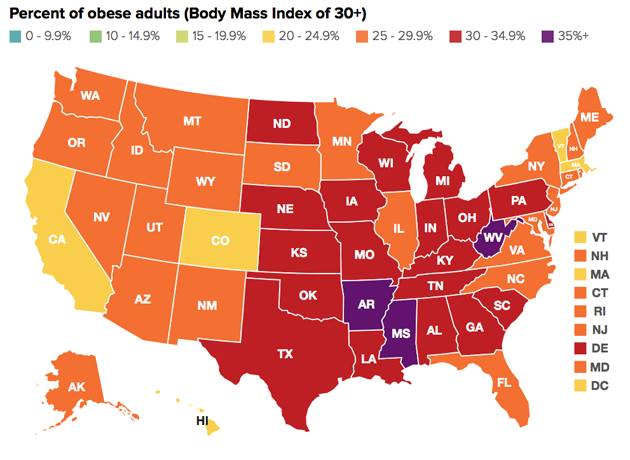
With more than one-third of Americans considered obese and nearly 70 percent of them overweight, rates of obesity-linked diseases have also risen steadily. Across the South and the Midwest, where the obesity crisis is most severe (Arkansas, West Virginia, and Mississippi topped the scales in this year’s report), rates of hypertension and diabetes climbed past record highs. Racial and economic disparities are also acute: Nearly half of black adults are now obese, compared with just under one-third of white adults. The researchers said higher rates of food insecurity, targeted marketing of unhealthy foods, and unequal health care access were all factors contributing to the disparity.
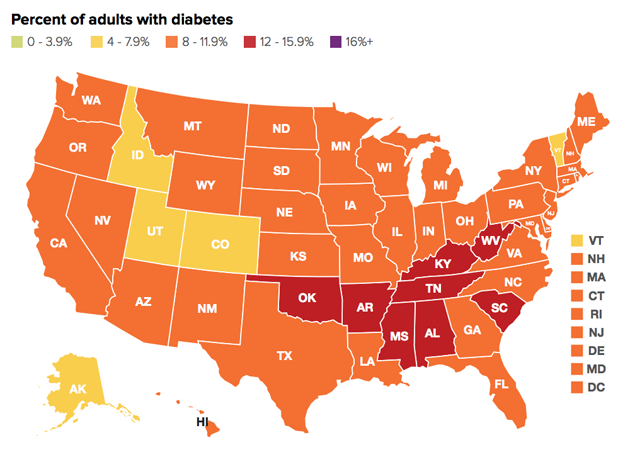
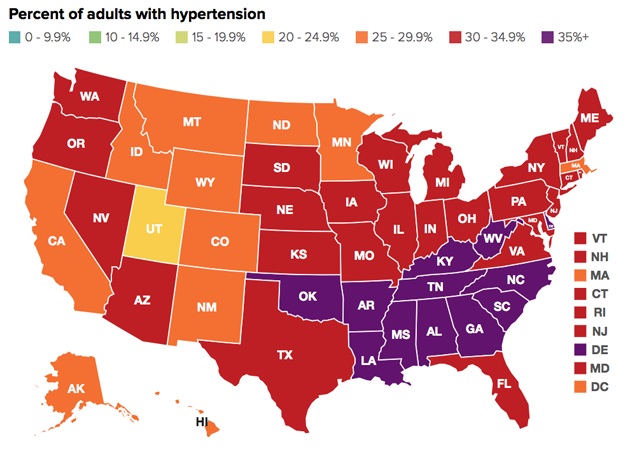
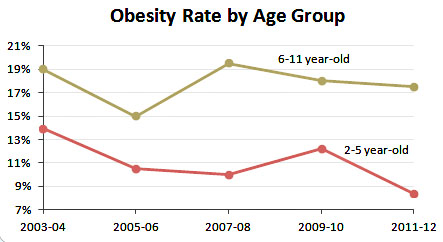
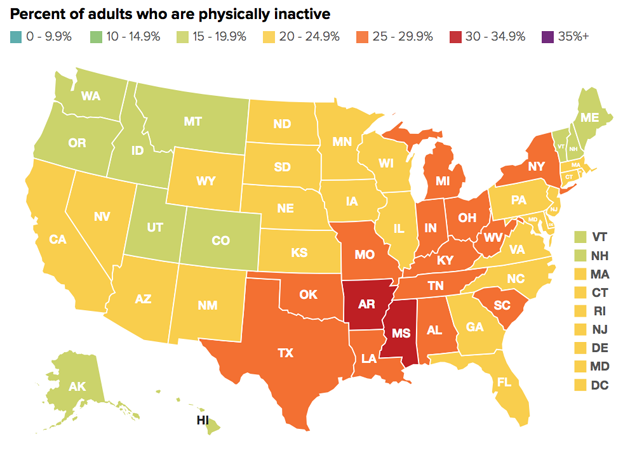
But the researchers also note a few areas where policy and lifestyle have curbed crisis-level rates. Obesity was less of an issue in states out West and in the Northeast, where sedentary lifestyles are less common. (The nation’s slimmest state, Colorado, also had the lowest rate of physical inactivity). And while the child obesity rate remains three times its level from 1980, the researchers add that outreach to parents, programs offering nutrition assistance, and healthy-eating campaigns in schools seem to be making a difference: Obesity among children has declined since 2004.
Trust for America’s Health and the Robert Wood Johnson Foundation

DECEMBER IS MAKE OR BREAK

A full one-third of our annual fundraising comes in this month alone. That’s risky, because a strong December means our newsroom is on the beat and reporting at full strength—but a weak one means budget cuts and hard choices ahead.

The December 31 deadline is closing in fast. To reach our $400,000 goal, we need readers who’ve never given before to join the ranks of MoJo donors. And we need our steadfast supporters to give again—any amount today.

Managing an independent, nonprofit newsroom is staggeringly hard. There’s no cushion in our budget—no backup revenue, no corporate safety net. We can’t afford to fall short, and we can’t rely on corporations or deep-pocketed interests to fund the fierce, investigative journalism Mother Jones exists to do.

That’s why we need you right now. Please chip in to help close the gap.

DECEMBER IS MAKE OR BREAK

A full one-third of our annual fundraising comes in this month alone. That’s risky, because a strong December means our newsroom is on the beat and reporting at full strength—but a weak one means budget cuts and hard choices ahead.

The December 31 deadline is closing in fast. To reach our $400,000 goal, we need readers who’ve never given before to join the ranks of MoJo donors. And we need our steadfast supporters to give again—any amount today.

Managing an independent, nonprofit newsroom is staggeringly hard. There’s no cushion in our budget—no backup revenue, no corporate safety net. We can’t afford to fall short, and we can’t rely on corporations or deep-pocketed interests to fund the fierce, investigative journalism Mother Jones exists to do.

That’s why we need you right now. Please chip in to help close the gap.

We Recommend

Latest

Sign up for our free newsletter

Subscribe to the Mother Jones Daily to have our top stories delivered directly to your inbox.

Get our award-winning magazine

Save big on a full year of investigations, ideas, and insights.

Subscribe

Support our journalism

Help Mother Jones' reporters dig deep with a tax-deductible donation.

Donate