Alone: India’s Farmer Widows

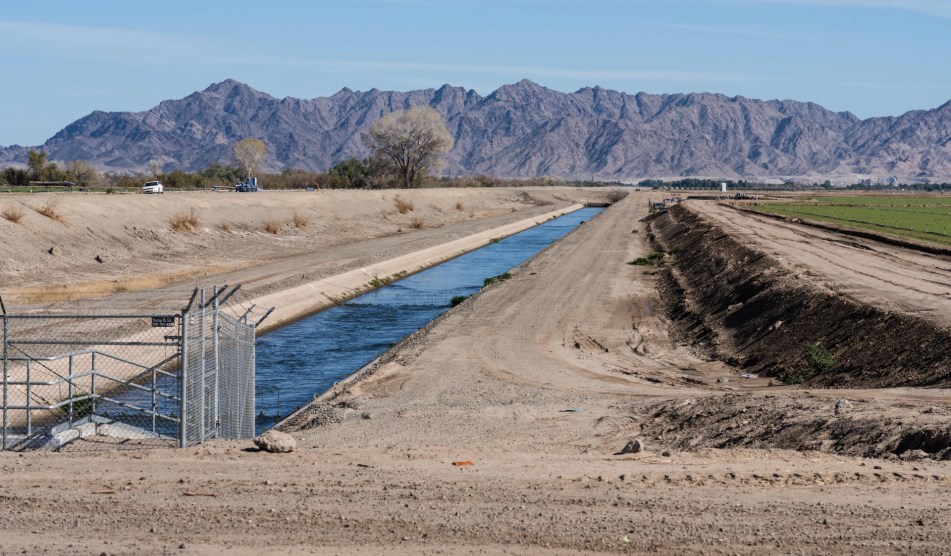
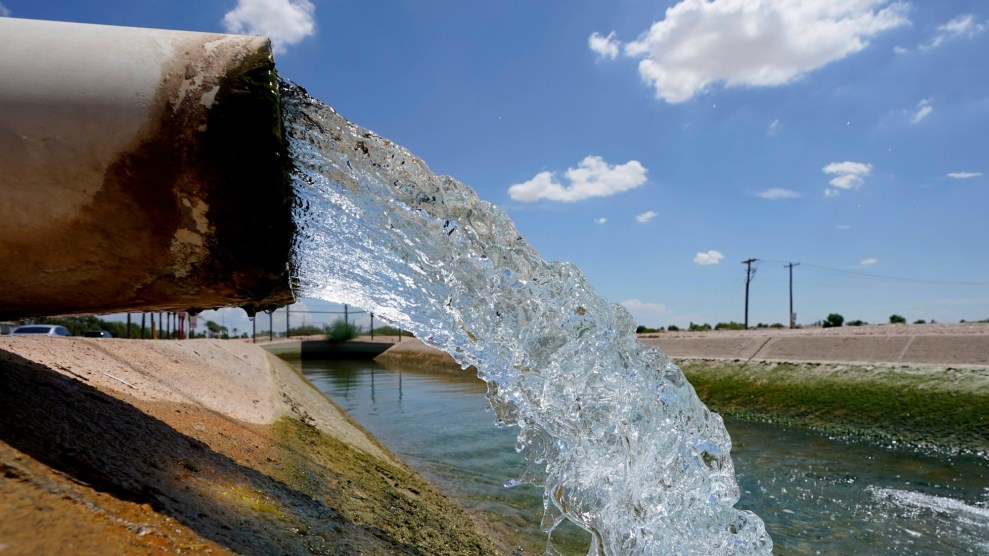
India’s ongoing water crisis has driven 200,000 farmers to suicide. As water dwindles, that number grows, and farmer widows are left to pick up the pieces.


Over the past decade, India has been gripped by a devastating water crisis. Farmers make up an estimated 70 percent of the country’s population, and for them the consequences of the drought have been dire: Overwhelmed by chronic lack of water, failed crops, and growing debts, more than 200,000 farmers have committed suicide since 1997.

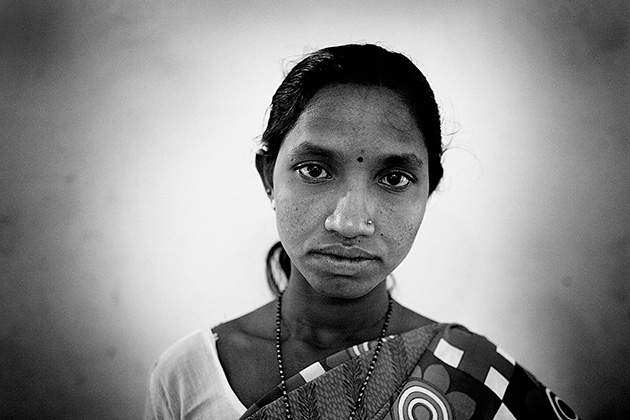
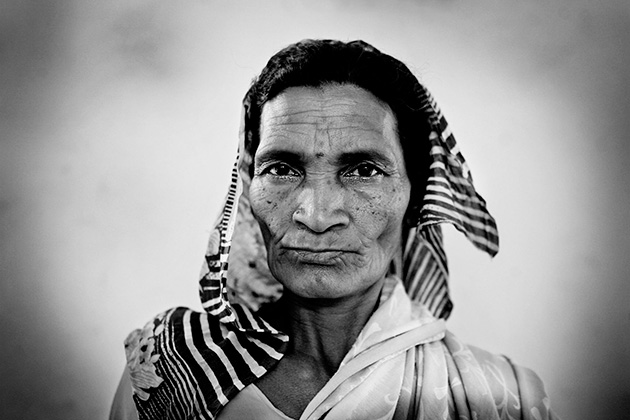
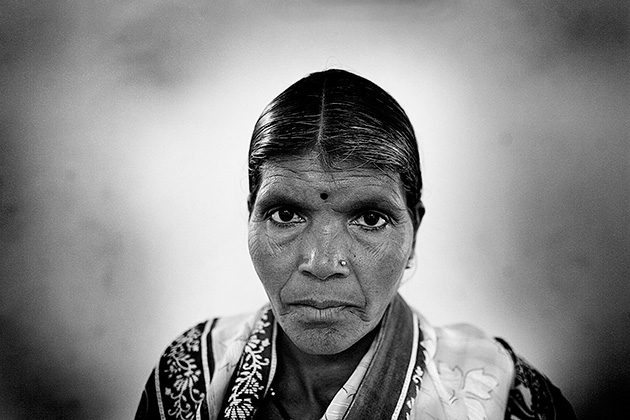
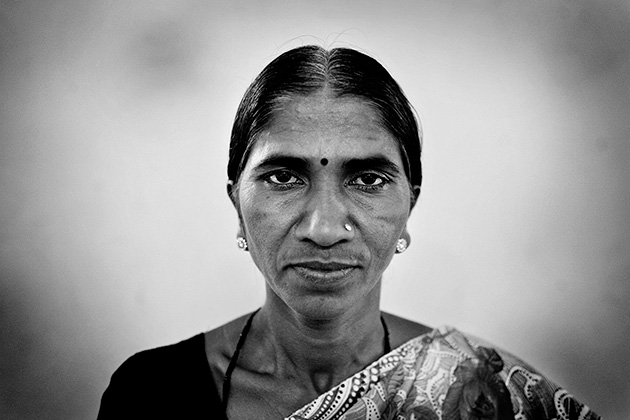
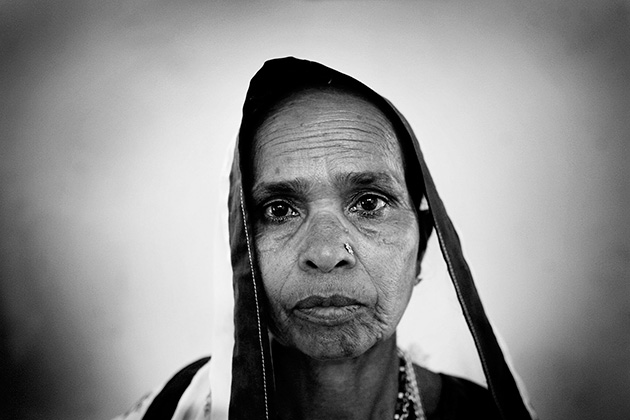
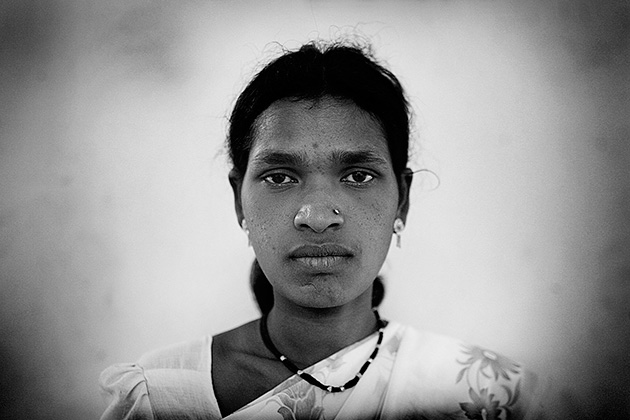
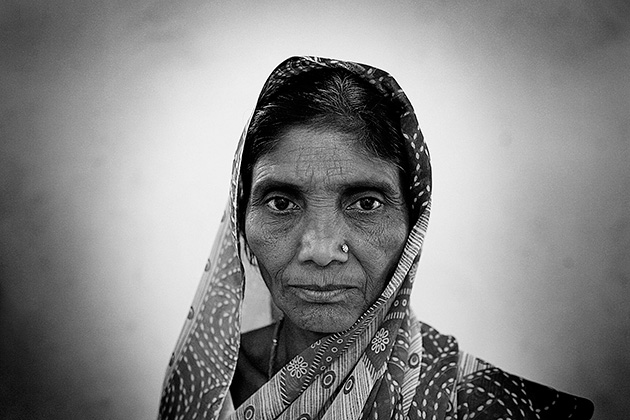
Their families often find them either hung or poisoned by pesticides they’ve chosen to ingest. The widows left behind struggle to support their children, working as landless laborers for as low as 100 rupees ($2) a day and battling creditors that come to collect money they claim to have lent their husbands. This slideshow features portraits of widows from Maharashtra, one of the three most suicide-ridden states in the nation. They represent only a fraction of the hundreds of thousands left behind.
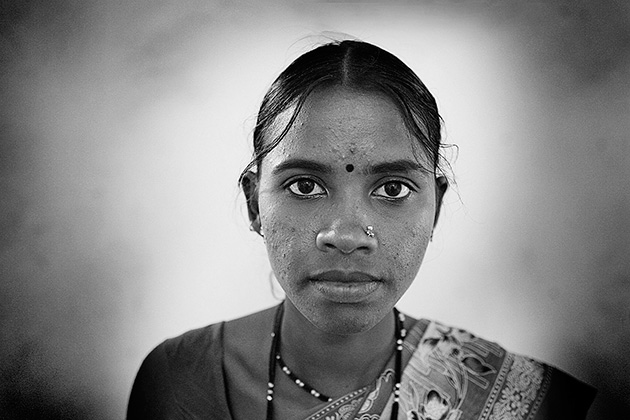
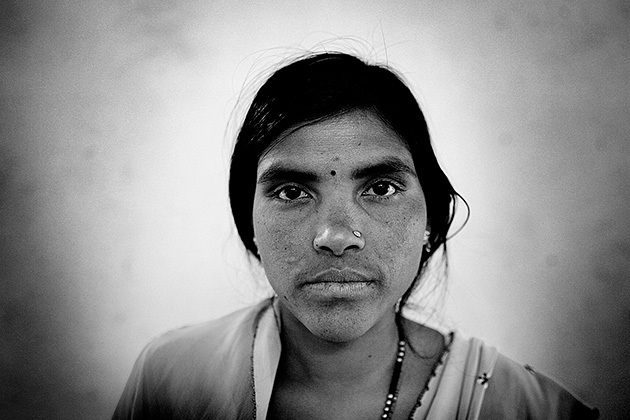
Manuala Betwa, 36 years old, from the village of Pandharkawada
 

Parvata Bai Kormete, 43 years old, from the village of Bagda
 

Baishali Nikeshn, 32 years old, from the village of Sonbardi
 

Baby Loor, 52 years old, from the village of Bhonsi
 

Dhurata Atram, 52 years old, from the village of Nimin
 

Rama Thamkea, 38 years old, from the village of Sonbardi
 

Naji Rathor, 62 years old, from the village of Kosara
 

Ratna Mala, 32 years old, from the village of Mangi
 

Suman Satghare, 56 years old, from the village of Kaota
 

Biabai Lengoure, 65 years old, from the village of Sai Khera


Owned by no one—except you.

We just keep seeing it happen: Newsrooms owned by billionaires and corporations are spinning their own narratives, overwriting the truth, following only stories that keep them in the pocket of those with even more power.

Not here. We’re not owned by anyone. We’re not part of any cult that demands our allegiance to a bottom line. We’ve spoken up and spoken out while other newsrooms changed their stories—or cut them altogether—to keep the C suite happy.

Our mission is to find the truth and amplify it. That’s why we’re independent, nonprofit, and, crucially, funded by readers. The investigations on our website will always be free to read, watch, and listen to, but our newsroom is powered by readers who pitch in what they can so we can keep asking the hard questions.

Can you chip in today?

Owned by no one—except you.

We just keep seeing it happen: Newsrooms owned by billionaires and corporations are spinning their own narratives, overwriting the truth, following only stories that keep them in the pocket of those with even more power.

Not here. We’re not owned by anyone. We’re not part of any cult that demands our allegiance to a bottom line. We’ve spoken up and spoken out while other newsrooms changed their stories—or cut them altogether—to keep the C suite happy.

Our mission is to find the truth and amplify it. That’s why we’re independent, nonprofit, and, crucially, funded by readers. The investigations on our website will always be free to read, watch, and listen to, but our newsroom is powered by readers who pitch in what they can so we can keep asking the hard questions.

Can you chip in today?

We Recommend

Latest

Sign up for our free newsletter

Subscribe to the Mother Jones Daily to have our top stories delivered directly to your inbox.

Get our award-winning magazine

Save big on a full year of investigations, ideas, and insights.

Subscribe

INDEPENDENT. BECAUSE OF YOU.

Mother Jones has no billionaires calling the shots—just readers like you making fearless reporting possible

Donate