Shining a Light on Guantanamo’s Torturers

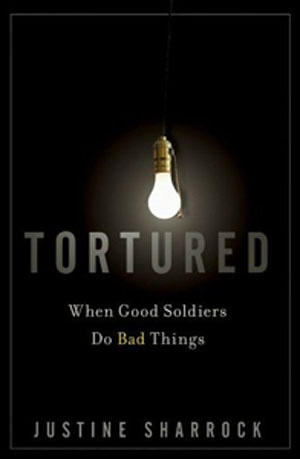
image courtesy of Amazon.com

Get your news from a source that’s not owned and controlled by oligarchs. Sign up for the free Mother Jones Daily.


Using torture for interrogation isn’t new to the military. But the practices at the Guantanamo Bay detention camp, argues journalist Justine Sharrock, signal a shift in how that torture is being carried out and who’s doing the dirty work. During its interrogation of detainees at Guantanamo, the military often relied on inexperienced soldiers from lower ranks to implement torture tactics. In a conversation with The Rumpus about her book Tortured: When Good Soldiers Do Bad Things, Sharrock explains:

They’ve used no-touch torture before, but it was CIA agents who were more trained and more prepared to do this, whereas the low-ranking soldiers had no idea that this is what they were going to get into. So I think it had more of a profound effect on them, but I also think it’s an interesting way to look at how the torture regime has affected all of us as Americans.

Tortured examines three soldiers who realized that many of the orders they were carrying out—from waking up detainees constantly to “check for weapons,” to making them stand for hours on end—were forms of torture meant to hack away at prisoners’ minds. Not surprisingly, engaging in torture, even unknowingly, left devastating psychological scars on the soldiers. Says Sharrock:

One problem with working in the prisons is that you are face to face with the person you are breaking down over a long period of time. Whereas if you are sniper, you’re shooting at someone who’s really far away and who you only see for a second. No one has done any studies about how PTSD has affected soldiers who work in prisons as opposed to those out in the streets.

Read the full interview on The Rumpus and check out Sharrock’s book, Tortured: When Good Soldiers Do Bad Things, released in hardback today.

DECEMBER IS MAKE OR BREAK

A full one-third of our annual fundraising comes in this month alone. That’s risky, because a strong December means our newsroom is on the beat and reporting at full strength—but a weak one means budget cuts and hard choices ahead.

The December 31 deadline is closing in fast. To reach our $400,000 goal, we need readers who’ve never given before to join the ranks of MoJo donors. And we need our steadfast supporters to give again—any amount today.

Managing an independent, nonprofit newsroom is staggeringly hard. There’s no cushion in our budget—no backup revenue, no corporate safety net. We can’t afford to fall short, and we can’t rely on corporations or deep-pocketed interests to fund the fierce, investigative journalism Mother Jones exists to do.

That’s why we need you right now. Please chip in to help close the gap.

DECEMBER IS MAKE OR BREAK

A full one-third of our annual fundraising comes in this month alone. That’s risky, because a strong December means our newsroom is on the beat and reporting at full strength—but a weak one means budget cuts and hard choices ahead.

The December 31 deadline is closing in fast. To reach our $400,000 goal, we need readers who’ve never given before to join the ranks of MoJo donors. And we need our steadfast supporters to give again—any amount today.

Managing an independent, nonprofit newsroom is staggeringly hard. There’s no cushion in our budget—no backup revenue, no corporate safety net. We can’t afford to fall short, and we can’t rely on corporations or deep-pocketed interests to fund the fierce, investigative journalism Mother Jones exists to do.

That’s why we need you right now. Please chip in to help close the gap.

We Recommend

Latest

Sign up for our free newsletter

Subscribe to the Mother Jones Daily to have our top stories delivered directly to your inbox.

Get our award-winning magazine

Save big on a full year of investigations, ideas, and insights.

Subscribe

Support our journalism

Help Mother Jones' reporters dig deep with a tax-deductible donation.

Donate