arsenisspyros/ Getty Images
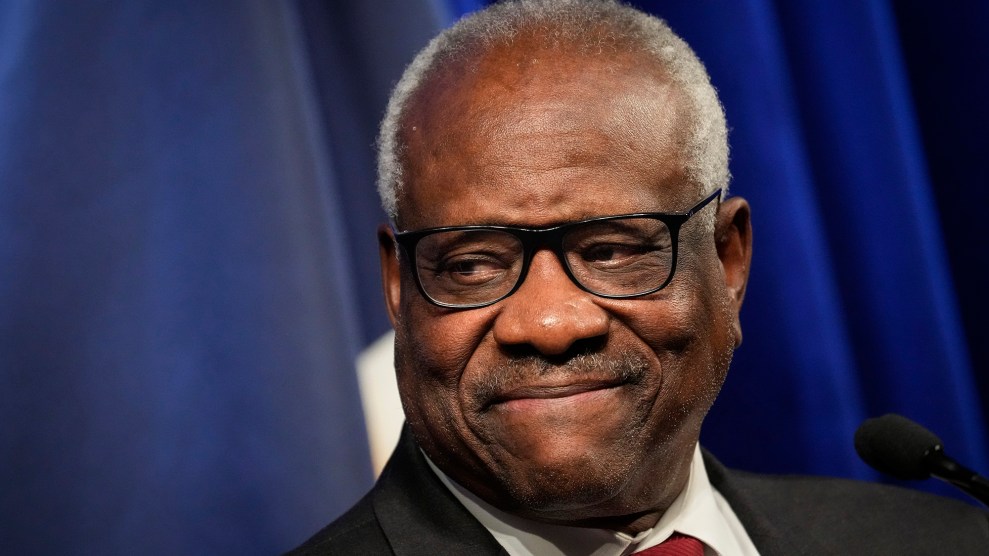
In his decision to help gut Roe v. Wade, Justice Clarence Thomas wrote that the Supreme Court “should reconsider all of this Court’s substantive due process precedents, including Griswold, Lawrence, and Obergefell”—cases that enshrined Americans’ right to contraception, to intimate same-sex relationships, and to marriage equality. In the past week, Democrats have raced to codify same-sex marriage, culminating in Tuesday’s passage of the Respect for Marriage Act in the House.
Now, the bill rests in the hands of the Senate, where it’s not yet clear if enough Republicans will support the bill and help it avoid a 60-vote filibuster. What would happen if it doesn’t pass? Currently, there are at least 32 states—Arizona, Louisiana, and Ohio among them—that have either constitutional amendments, state laws, or both that prohibit same-sex marriage. The Obergefell v. Hodges ruling rendered these defunct in 2015, but if the Supreme Court were to overturn that decision, same-sex marriage would be instantly banned in at least 25 of those states—putting thousands of couples at risk.
Marriages, of course, are more than just white cakes and wedding rings. Everything from child custody to property rights can depend on whether a couple is married. In fact, a 2004 study from the US Government Accountability Office found that there are 1,138 statutes and provisions where marriage status is a factor in receiving benefits, rights, or privileges. Before the legalization of same-sex marriage, gay couples often would face discrimination and have their rights denied by various legal bodies.
“From taxes to Social Security benefits to retirement benefits,” said Mary Bauer, the executive director of the Virginia ACLU. “(There are) all sorts of things that are built into our kind of structure of laws and systems. Spouses have a legal privilege that is incredibly important in many practical and moral ways. We’ve heard all sorts of all sorts of stories about families that are treated as though they are not families. ”
“There’s kind of a million ways that this plays out…people have to fight for the right to be recognized as their child’s parent,” she added. “That is, as we all regard now, nonsensical, discriminatory, bigoted, and unacceptable.”
And, if a state were to ban same-sex marriage in a potential post-Obergefell future, legal experts can’t quite predict what would happen to the LGBTQ couples who live there. “I don’t think that existing marriages would be annulled, but I don’t know,” University of Pennsylvania law professor Kermit Roosevelt told PolitiFact. “I’m not sure there’s a historical precedent for how existing marriages get treated in such cases.”
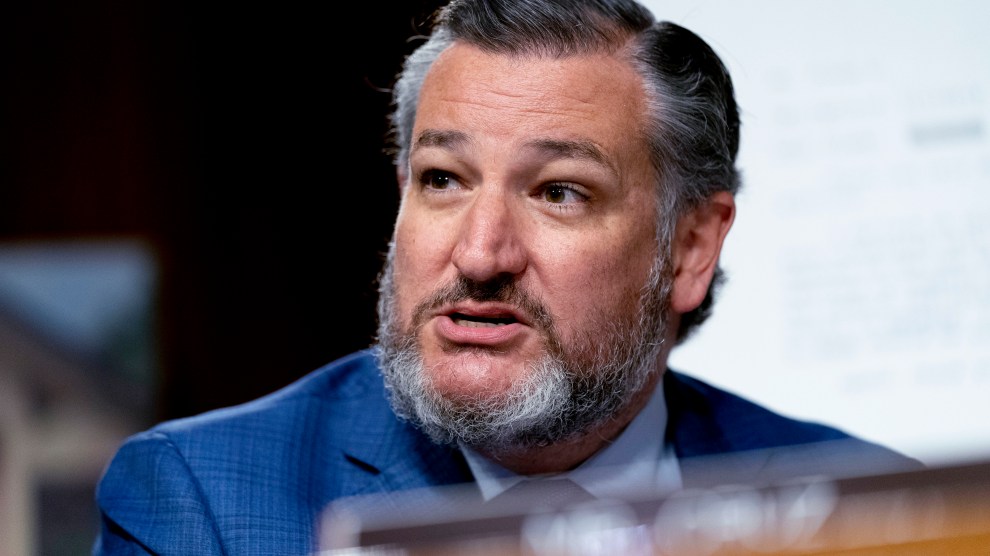
Meanwhile, several conservative politicians have hinted that they want to end marriage equality. Last week, GOP Sen. Ted Cruz said that the Supreme Court was “clearly wrong” about the 2015 marriage equality ruling. His own state, Texas, has a whopper of a ban, prohibiting both marriages and civil unions between people of the same gender. “Marriage was always an issue that was left to the states,” Cruz said on his podcast. “We saw states before Obergefell, some states were moving to allow gay marriage, other states were moving to allow civil partnerships. There were different standards that the states were adopting.”
During a July 10 appearance on Face the Nation, Virginia Gov. Glenn Youngkin said that he would not be taking any steps to remove the homophobic language in the state’s constitution, falsely claiming Virginia law already protects same-sex marriage. He neglected to mention that Virginia has one of the most discriminatory bans in the country: Unlike other states, Virginia’s ban not only outlaws marriage and civil unions, but any contracts recognizing same-sex couples in a legal context.
“With that constitutional provision, what Virginia wanted to do was to erase LGBTQ people entirely,” Bauer said. “They should not be recognized as full human beings with their relationships recognized.”
Bauer said that the best thing state legislators can do is pass laws to protect these rights, before the Supreme Court even has a chance to take them away. She also encourages anyone living in a state where marriage rights are at risk to not only vote, but to support the grassroots organizations fighting for LGBTQ rights.
“We have enough time to do that before the Supreme Court is likely to take up this issue,” she said. “We need to move quickly. We need to move with a real sense of urgency.”