Failing Fish

A sampling of creatures at serious risk of disappearing from our oceans and our dinner plates

Get your news from a source that’s not owned and controlled by oligarchs. Sign up for the free Mother Jones Daily.


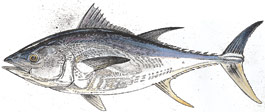
bluefin tuna

Bluefin Tuna

Warm-blooded bluefins, which can weigh 1,500 punds, are one of the largest bony fish swimming the seas. The Atlantic bluefin population has fallen by more than 80 percent since the 1970s; Pacific stocks are also dwindling.
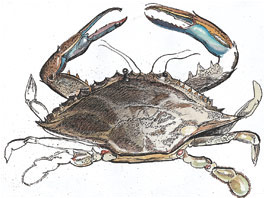
blue crab

Blue Crab
Since Chesapeake Bay harvests are half of what they were a decade ago, at least 70 percent of crabmeat products sold in the United States now contain foreign crabs.
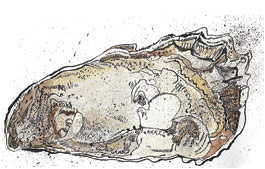

eastern oyster

Eastern Oyster
Ships in the Chesapeake Bay once had to steer around massive oyster reefs. Poor water quality, exotic parasites, and habitat destruction have reduced the Chesapeake oyster stock to 1 percent of its historic level.
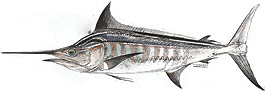

blue marlin

Blue Marlin
Since longlines replaced harpoons in the early 1960s, the Atlantic blue marlin has been driven toward extinction. A quarter of all blue marlin snared by longlines are dead by the time they reach the boat.
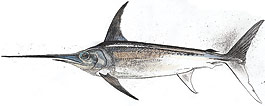

atlantic swordfish

Atlantic Swordfish
Another victim of long-lining, swordfish can grow to 1,000 pounds. But by 1995, the average fish landed weighed only 90 pounds, and most were killed before they could spawn. Better management has led to something of a rebound.


white abalone

White Abalone
Slow-moving bottom dwellers, abalone rely on proximity to spawn. As over-harvesting led to density losses, the abalone population declined by 99 percent. By 2004, only some 6,000 were thought to exist.
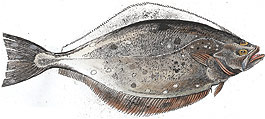

atlantic halibut

Atlantic Halibut
Taking 10 years to mature, halibut are vulnerable to overfishing. Even though restrictions have been in place for decades, the halibut population is still less than 10 percent of what it was in the 1950s.
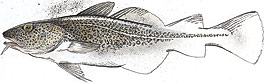

atlantic cod

Atlantic Cod
Until the 1950s, cod was among the most plentiful fish on the eastern seaboard, but overfishing following the collapse of the halibut fishery has caused stocks to dwindle by 90 percent.


BEFORE YOU CLICK AWAY!

December is make or break for us. A full one-third of our annual fundraising comes in this month alone. A strong December means our newsroom is on the beat and reporting at full strength. A weak one means budget cuts and hard choices ahead.

The December 31 deadline is closing in fast. To reach our $400,000 goal, we need readers who’ve never given before to join the ranks of MoJo donors. And we need our steadfast supporters to give again today—any amount.

Managing an independent, nonprofit newsroom is staggeringly hard. There’s no cushion in our budget—no backup revenue, no corporate safety net. We can’t afford to fall short, and we can’t rely on corporations or deep-pocketed interests to fund the fierce, investigative journalism Mother Jones exists to do.

That’s why we need you right now. Please chip in to help close the gap.

BEFORE YOU CLICK AWAY!

December is make or break for us. A full one-third of our annual fundraising comes in this month alone. A strong December means our newsroom is on the beat and reporting at full strength. A weak one means budget cuts and hard choices ahead.

The December 31 deadline is closing in fast. To reach our $400,000 goal, we need readers who’ve never given before to join the ranks of MoJo donors. And we need our steadfast supporters to give again today—any amount.

Managing an independent, nonprofit newsroom is staggeringly hard. There’s no cushion in our budget—no backup revenue, no corporate safety net. We can’t afford to fall short, and we can’t rely on corporations or deep-pocketed interests to fund the fierce, investigative journalism Mother Jones exists to do.

That’s why we need you right now. Please chip in to help close the gap.

We Recommend

Latest

Sign up for our free newsletter

Subscribe to the Mother Jones Daily to have our top stories delivered directly to your inbox.

Get our award-winning magazine

Save big on a full year of investigations, ideas, and insights.

Subscribe

Support our journalism

Help Mother Jones' reporters dig deep with a tax-deductible donation.

Donate