Bacteria Not Flu Killed Most In 1918

Get your news from a source that’s not owned and controlled by oligarchs. Sign up for the free Mother Jones Daily.


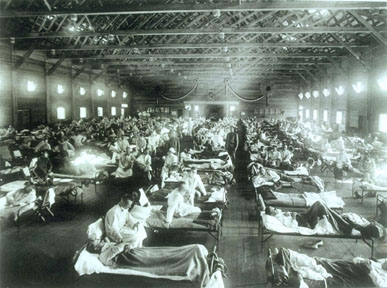
1918_1.jpg A new study in Emerging Infectious Diseases concludes that bacteria not influenza killed most people in the 1918 flu epidemic. The lesson: stock up on antibiotics for the next flu pandemic—bird flu, horse flu, or otherwise.

New Scientist reports that researchers sifted through first-hand accounts, medical records, and infection patterns from 1918 and 1919.

They found that bacterial pneumonia piggybacked on surprisingly mild flu cases. And the victims didn’t die fast. A supervirus would have likely killed them in three days.

Instead, most people lasted more than a week and some survived two weeks—classic hallmarks of pneumonia.

Most compelling: medical experts of the day identified pneumonia as the cause of most of the 100 million deaths—the most lethal natural event in recent human history.

Other research suggests the brutal mechanism. Influenza killed cells in the respiratory tract, which became food and home for invading bacteria that overwhelmed overstressed immune systems.

Ten years later, penicillin overpowered bacteria in subsequent influenza epidemics. But nowadays we’re having those nagging antibiotic problems.

So health authorities are increasingly interested in the role bacteria will likely play in the next pandemic. Yet little action has been taken. “They are just starting to get to the recognition stage,” says Jonathan McCullers, infectious disease expert. “There’s this collective amnesia about 1918.”

Julia Whitty is Mother Jones’ environmental correspondent, lecturer, and 2008 winner of the Kiriyama Prize and the John Burroughs Medal Award.


DECEMBER IS MAKE OR BREAK

A full one-third of our annual fundraising comes in this month alone. That’s risky, because a strong December means our newsroom is on the beat and reporting at full strength—but a weak one means budget cuts and hard choices ahead.

The December 31 deadline is closing in fast. To reach our $400,000 goal, we need readers who’ve never given before to join the ranks of MoJo donors. And we need our steadfast supporters to give again—any amount today.

Managing an independent, nonprofit newsroom is staggeringly hard. There’s no cushion in our budget—no backup revenue, no corporate safety net. We can’t afford to fall short, and we can’t rely on corporations or deep-pocketed interests to fund the fierce, investigative journalism Mother Jones exists to do.

That’s why we need you right now. Please chip in to help close the gap.

DECEMBER IS MAKE OR BREAK

A full one-third of our annual fundraising comes in this month alone. That’s risky, because a strong December means our newsroom is on the beat and reporting at full strength—but a weak one means budget cuts and hard choices ahead.

The December 31 deadline is closing in fast. To reach our $400,000 goal, we need readers who’ve never given before to join the ranks of MoJo donors. And we need our steadfast supporters to give again—any amount today.

Managing an independent, nonprofit newsroom is staggeringly hard. There’s no cushion in our budget—no backup revenue, no corporate safety net. We can’t afford to fall short, and we can’t rely on corporations or deep-pocketed interests to fund the fierce, investigative journalism Mother Jones exists to do.

That’s why we need you right now. Please chip in to help close the gap.

We Recommend

Latest

Sign up for our free newsletter

Subscribe to the Mother Jones Daily to have our top stories delivered directly to your inbox.

Get our award-winning magazine

Save big on a full year of investigations, ideas, and insights.

Subscribe

Support our journalism

Help Mother Jones' reporters dig deep with a tax-deductible donation.

Donate