- ‹ previous
- 797 of 1542
- next ›
California's Gamble: Building More So People Drive Less
In a so-crazy-it-just-might-work attempt to combat global warming, California legislators are trying to get people to drive less by building more—and more intelligently.
Acknowledging that passenger cars account for 30% of the state's greenhouse gas emissions, lawmakers want to make it easier for people to avoid using their cars by encouraging denser development.
A bill now making its way through the legislature would dole out state transportation funds—about $15 billion—only to those communities that pursued "smart-growth" development plans, such as filling in commercial strips and building new homes around existing roads and rail lines. "We know people are going to drive. We want them in their cars for less time," said the bill's author, state Senator Darrell Steinberg (D-Sacramento). It's a pragmatic approcah to a persistent problem: Instead of preventing new development—a move that business interests say stunts economic growth—the measure would encourage cities to build responsibly.
Conventional wisdom says that if they want Californians to stop driving, politicians will have to pry the steering wheels from their cold, dead hands. But if they do this right, residents of the Golden State can have their cake and eat it too. Development isn't necessarily a bad thing, especially if it means that more people can work in the communities where they live. The higher gas prices climb, the more crucial such choices will become.
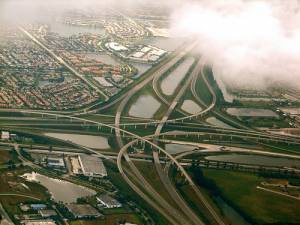
Photo used under a Creative Commons license from the pink sip.
















SACRAMENTO ? For most Californians, one effect of global warming will be the opposite of what they might expect: cooler summer days.
In the first localized study of temperature changes in California, a San Jose State meteorology professor has discovered that summer temperatures declined measurably from 1948 to 2005 in areas near the coast ? specifically in the Los Angeles Basin and the San Francisco Bay Area, the state's two largest population centers.
Robert Bornstein presented his study, which has been preliminarily accepted for publication in the Journal of Climate, at the annual California Climate Change Conference this week.
Previous studies have shown average high temperatures statewide have gone up over the last several decades, but, Bornstein said, those studies used data points spread out over wide areas. A closer look, he said, reveals that inland temperatures have risen faster than the statewide average, and coastal temperatures have actually declined.
More sea breeze activity
The reason for the trend, he said, is that as inland areas have become hotter, the high pressure has had the effect of generating more sea breeze activity. An analysis of air pressure differentials between the coast and inland areas from 1979 to 2005, he said, confirms the pressure differential has increased.
Areas that have registered the most significant declines are not those directly along the coast, where ocean breezes have historically moderated temperatures, but rather in areas several miles inland that were previously less affected by onshore winds.
"The maximum cooling is near the leading edge of penetration," he said. "We don't know whether the sea breezes are more frequent, colder, last longer or have deeper penetration. It could be any of those."
Maximum summer temperatures in those areas influenced by sea breezes dropped by an average of about 0.25 degrees Celsius per decade.
The findings could have significant implications to policymakers as they seek to deal with the effects of climate change in California. The cooling coast, for instance, might mean that future energy demands for air conditioning will be less than previously thought, or that air quality implications will be less severe because there will be less ozone-generating heat.
Severe heat waves possible
Bornstein said agencies such as the California Energy Commission and the state Air Resources Board "can't march forward doing what they were doing based on information that was not detailed enough."
He cautioned that his findings show only average daily maximum temperatures during the months of June, July and August. Just because the average has gone down, he said, doesn't mean there won't be more severe and perhaps more frequent summer heat waves created by Santa Ana conditions.
The study shows temperatures have been climbing in high elevation areas in all of California, both coastal and inland. Additionally, daily minimum summer temperatures have gone up across the board.
The three-day conference featured presentations by scientists from all of California's major research universities and institutes. Most of the presentations built upon known concerns about the effects of global warming on life in California ? rising sea levels, beach erosion, a dwindling snowpack in the Sierras, heightened fire danger in wilderness areas and a tightening water supply.
Findings can be misused
Bornstein said he has met with some resistance from global warming researchers and policymakers who fear his findings could "confuse people" about the effects of climate change. During his 15-minute presentation he twice emphasized he is not "a global warming denier."
He acknowledged there is the potential that some could misuse his findings. "Someone could say, Look, he showed summer temperatures in the L.A. Basin are actually cooling' ? without giving the context about this being an anomalous condition."
The facts of global warming, he said, are that climate conditions are changing throughout the world. Areas of drought could see more rainfall, and areas of high rainfall could become more desert-like. Climate is largely a function of warm-air and cold-air movements, and because of global warming, "the movements are upset."
"It all comes down to location, location, location."
SACRAMENTO ? For most Californians, one effect of global warming will be the opposite of what they might expect: cooler summer days.
In the first localized study of temperature changes in California, a San Jose State meteorology professor has discovered that summer temperatures declined measurably from 1948 to 2005 in areas near the coast ? specifically in the Los Angeles Basin and the San Francisco Bay Area, the state's two largest population centers.
Robert Bornstein presented his study, which has been preliminarily accepted for publication in the Journal of Climate, at the annual California Climate Change Conference this week.
Previous studies have shown average high temperatures statewide have gone up over the last several decades, but, Bornstein said, those studies used data points spread out over wide areas. A closer look, he said, reveals that inland temperatures have risen faster than the statewide average, and coastal temperatures have actually declined.
More sea breeze activity
The reason for the trend, he said, is that as inland areas have become hotter, the high pressure has had the effect of generating more sea breeze activity. An analysis of air pressure differentials between the coast and inland areas from 1979 to 2005, he said, confirms the pressure differential has increased.
Areas that have registered the most significant declines are not those directly along the coast, where ocean breezes have historically moderated temperatures, but rather in areas several miles inland that were previously less affected by onshore winds.
"The maximum cooling is near the leading edge of penetration," he said. "We don't know whether the sea breezes are more frequent, colder, last longer or have deeper penetration. It could be any of those."
Maximum summer temperatures in those areas influenced by sea breezes dropped by an average of about 0.25 degrees Celsius per decade.
The findings could have significant implications to policymakers as they seek to deal with the effects of climate change in California. The cooling coast, for instance, might mean that future energy demands for air conditioning will be less than previously thought, or that air quality implications will be less severe because there will be less ozone-generating heat.
Severe heat waves possible
Bornstein said agencies such as the California Energy Commission and the state Air Resources Board "can't march forward doing what they were doing based on information that was not detailed enough."
He cautioned that his findings show only average daily maximum temperatures during the months of June, July and August. Just because the average has gone down, he said, doesn't mean there won't be more severe and perhaps more frequent summer heat waves created by Santa Ana conditions.
The study shows temperatures have been climbing in high elevation areas in all of California, both coastal and inland. Additionally, daily minimum summer temperatures have gone up across the board.
The three-day conference featured presentations by scientists from all of California's major research universities and institutes. Most of the presentations built upon known concerns about the effects of global warming on life in California ? rising sea levels, beach erosion, a dwindling snowpack in the Sierras, heightened fire danger in wilderness areas and a tightening water supply.
Findings can be misused
Bornstein said he has met with some resistance from global warming researchers and policymakers who fear his findings could "confuse people" about the effects of climate change. During his 15-minute presentation he twice emphasized he is not "a global warming denier."
He acknowledged there is the potential that some could misuse his findings. "Someone could say, Look, he showed summer temperatures in the L.A. Basin are actually cooling' ? without giving the context about this being an anomalous condition."
The facts of global warming, he said, are that climate conditions are changing throughout the world. Areas of drought could see more rainfall, and areas of high rainfall could become more desert-like. Climate is largely a function of warm-air and cold-air movements, and because of global warming, "the movements are upset."
"It all comes down to location, location, location."
California is not building more. They ran out of water. Remember Global Warming. They have water rationing. People are going to Texas, not California now, also they are going back to Mexico and are demanding social services from the Government there like we gave them when they were here. Get with the times.
SACRAMENTO For most Californians, one effect of global warming will be the opposite of what they might expect: cooler summer days.
In the first localized study of temperature changes in California, a San Jose State meteorology professor has discovered that summer temperatures declined measurably from 1948 to 2005 in areas near the coast specifically in the Los Angeles Basin and the San Francisco Bay Area, the state's two largest population centers.
Robert Bornstein presented his study, which has been preliminarily accepted for publication in the Journal of Climate, at the annual California Climate Change Conference this week.
Previous studies have shown average high temperatures statewide have gone up over the last several decades, but, Bornstein said, those studies used data points spread out over wide areas. A closer look, he said, reveals that inland temperatures have risen faster than the statewide average, and coastal temperatures have actually declined.
More sea breeze activity
The reason for the trend, he said, is that as inland areas have become hotter, the high pressure has had the effect of generating more sea breeze activity. An analysis of air pressure differentials between the coast and inland areas from 1979 to 2005, he said, confirms the pressure differential has increased.
Areas that have registered the most significant declines are not those directly along the coast, where ocean breezes have historically moderated temperatures, but rather in areas several miles inland that were previously less affected by onshore winds.
"The maximum cooling is near the leading edge of penetration," he said. "We don't know whether the sea breezes are more frequent, colder, last longer or have deeper penetration. It could be any of those."
Maximum summer temperatures in those areas influenced by sea breezes dropped by an average of about 0.25 degrees Celsius per decade.
The findings could have significant implications to policymakers as they seek to deal with the effects of climate change in California. The cooling coast, for instance, might mean that future energy demands for air conditioning will be less than previously thought, or that air quality implications will be less severe because there will be less ozone-generating heat.
Severe heat waves possible
Bornstein said agencies such as the California Energy Commission and the state Air Resources Board "can't march forward doing what they were doing based on information that was not detailed enough."
He cautioned that his findings show only average daily maximum temperatures during the months of June, July and August. Just because the average has gone down, he said, doesn't mean there won't be more severe and perhaps more frequent summer heat waves created by Santa Ana conditions.
The study shows temperatures have been climbing in high elevation areas in all of California, both coastal and inland. Additionally, daily minimum summer temperatures have gone up across the board.
The three-day conference featured presentations by scientists from all of California's major research universities and institutes. Most of the presentations built upon known concerns about the effects of global warming on life in California rising sea levels, beach erosion, a dwindling snowpack in the Sierras, heightened fire danger in wilderness areas and a tightening water supply.
Findings can be misused
Bornstein said he has met with some resistance from global warming researchers and policymakers who fear his findings could "confuse people" about the effects of climate change. During his 15-minute presentation he twice emphasized he is not "a global warming denier."
He acknowledged there is the potential that some could misuse his findings. "Someone could say, Look, he showed summer temperatures in the L.A. Basin are actually cooling' without giving the context about this being an anomalous condition."
The facts of global warming, he said, are that climate conditions are changing throughout the world. Areas of drought could see more rainfall, and areas of high rainfall could become more desert-like. Climate is largely a function of warm-air and cold-air movements, and because of global warming, "the movements are upset."
"It all comes down to location, location, location."