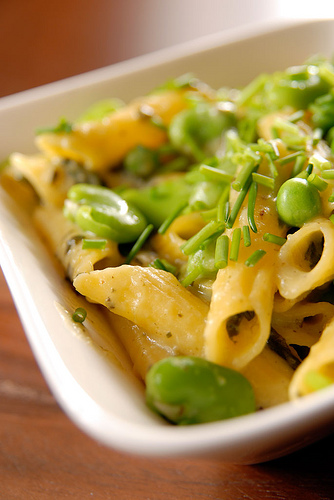
Image courtesy of flickr user sonicwalker
Q: I know cattle produce a lot of greenhouse gas. So if I skip the T-bone, does that count as a low-carbon diet?
A: Cows have become famous for trampling the planet: A four-ounce serving of steak creates 10.6 pounds of greenhouse gases, the same as a 95-mile car trip. But foregoing meat that once mooed without considering the carbon impact of the rest of your diet? That’s a little like telling someone who’s counting calories that the bacon explosion is off limits, but corn dogs, pizza, and chocolate cake are all fair game.
If you’re curious about whether the deliciousness of your favorite foods are worth their emissions, check out the online carbon calculator created by Bon Appétit, a corporate catering company. Simply drag your treat of choice into the frying pan, and a thermometer on the right tells you how many emissions “points” the food is worth. (Foods are assigned point values based on their greenhouse gas emissions—one point equals .035 oz. of emissions. Researchers took into account both the agricultural and shipping emissions associated with each food—for a detailed account of their methodology, click on “What do these points mean?”.) The calculator is not 100 percent accurate—the point values don’t take into account, for example, where produce is grown (i.e., a tomato farm in a dry climate will require more watering—and therefore create more emissions). But for back-of-the-napkin purposes, it’s a pretty neat little tool.
I wasn’t surprised that the staples of my mostly-vegetarian diet aren’t as carbon-intensive as steak, but a few of my favorite foods racked up more points than I expected:
Breakfast: Omelet with vegetables and cheese
Carbon Footprint: 2.9 pounds, or .27 steaks
Why: Eggs come from chickens; chickens need food, water, and heat, all of which create emissions.
Instead Try: Oatmeal (0.3 pounds of greenhouse gas)
Lunch: Spinach tofu salad
Carbon Footprint: 2.9 pounds, or .27 steaks
Why: Fermenting soybeans to make tofu requires energy, as does refrigerating the final product.
Instead Try: Spinach and pea stew (0.2 pounds)
Dinner: Macaroni and cheese
Carbon Footprint: 2 pounds, or .19 steaks
Why: Cheese isn’t as carbon intensive as beef, since it’s easier to make (no slaughterhouses, for example) but dairy cows still produce methane and require energy to raise.
Instead Try: Pasta primavera (0.9 pounds)
Side dish: Grilled hothouse vegetables
Carbon Footprint: 1.7 pounds, or .16 steaks
Why: Greenhouses require more energy than most outdoor farms.
Instead Try: Grilled seasonal vegetables (0.2 pounds)
Drunk snack: Individual pepperoni pizza
Carbon Footprint: 2.4 pounds, or .23 steaks
Why: Full disclosure: I had to look up what pepperoni actually is (ew). It’s sometimes beef, which we already know creates emissions galore; but its pork and pork-chicken combo incarnations are a little easier on the planet.
Instead Try: Veggie burrito with beans, cheese, and rice (1 pound)
The bottom line: Not all veggie dishes are equally light on emissions, but carbon calculators can help you figure out your favorite foods’ damage. (Plus, they’re fun to play with.)