In The Blogs

How Restorative is Rwanda's Justice?

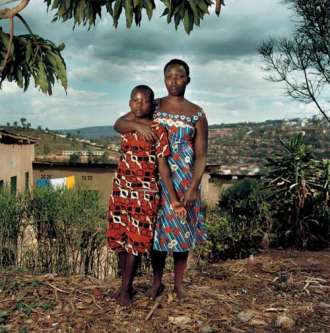
—Photo by Jonathan Torgovnik

With the help of $44 million from the US government, Rwanda decided last week to extend its multi-layered judicial system for another year. The system is comprised of an international criminal tribunal for the most heinous criminals associated with the 1994 genocide, and the semi-traditional gacaca courts, which practice restorative justice on the community level. The extension has been praised because it gives the government a chance to determine the innocence or guilt of many of the alleged criminals that remain untried. But Hutus claim that the Rwandan government is partial to the country's Tutsi minority—largely the victims of the 1994 genocide—and that the process is fueled by revenge, not justice. Is the Tutsi-dominated Rwandan Patriotic Front (RPF) government manipulating the courts for its own political and ethnic gain with US dollars?

(Check out Mother Jones' fantastic photo essay on Rwanda: "Can You Love a Child of Rape?")

Gacaca, literally “on the grass,” is a restorative system which allows perpetrators responsible for crimes including isolated murder and destruction of property during the genocide to decrease their prison sentences if they plead guilty, apologize, and agree to supplement their shortened jail time with community service. But the gacaca courts have been instructed by the RPF to focus only on crimes that occurred during a limited timeframe, most of which were committed by Hutus. During the protracted civil war that preceded the genocide, though, The Tutsi Rwandan Patriotic Army was also responsible for murder, rape, and destruction of Hutu property. Also, gacaca judges are untrained and elected by the community, which raises concerns about international standards of due process and impartiality.

While it's important that the major perpetrators of the genocide be held accountable for their crimes, without fair trials that cut across ethnic groups, these supposedly restorative courts could perpetuate, not end, Rwanda's horrific cycle of violence that has plagued Hutu and Tutsi controlled governments for the past half-century.

image image

Get Mother Jones by Email - Free. Like what you're reading? Get the best of MoJo three times a week.
Comments
no profile pic for comment author

Mischaracterization

The role of the gacaca courts is to judge the accusations against only those individuals who murdered others or committed property crimes. The Rwandan legal system places genocidaires in three categories: the first (and highest) is that of the planners, or the "major planners" - those who orchestrated the genocide; the second is that of murderers; the third is those who looted, burned huts or crops, etc. Gacaca has the authority to try only the lowest two categories.

While it's true that the judges are often uneducated, biased individuals, the "major planners" of the genocide are facing justice that upholds international principles of due process and impartiality through Rwanda's formal courts and the ICTR.

In fact, gacaca has served as a good mechanism for restoring communities and national unity; however, fears do exist from those who fled the country after 1994 (namely, "Hutus") that gacaca will be used to punish even the innocent.

Finally, the author should not be so quick to drop the "Hutu" and "Tutsi" names. While informally (in private conversation) a Rwandan might refer to their Hutu/Tutsi identity, the way they are referred to here would lead one to think that these labels retain the same divisive nature that they held before the genocide.

Post a comment
Alternately, you may login to or register an account
The content of this field is kept private and will not be shown publicly.
  • Web page addresses and e-mail addresses turn into links automatically.
  • Allowed HTML tags: <a> <ul> <ol> <li> <blockquote> <img>
  • Lines and paragraphs break automatically.

More information about formatting options


Jail.org - Inmate Search
Criminal records, instant public records & people search & current court records. www.jail.org

U.S. Public Records Search
Search County & State Court Records, Criminal records, Vital and Adoption Records www.PublicRecordsInfo.com

Records.com - People Search
Public Records and Background Checks. Instantly Search Criminal Records, Addresses and Court Records www.Records.com

Court Records & County Records
Find Instant Public Records, Criminal Records as Well as County Property Records Search. www.PublicRecordsIndex.com

Mother Jones Podcast
Get in on the conversation! We talk about culture, politics, the environment, the economy and more. Listen now!

TalkBackTees.com
A treasure trove of liberal wit, wisdom and quotations, from ancient to modern, on colorful, cotton tees.

Support Independent Artists
Amazing art, crafts, apparel, paper-goods and more. A carefully curated selection of sundries since 1999.

FREE CONNECTIONS FOR GREEN SINGLES
Meet progressive singles in the environmental, vegetarian & animal rights community who share your values
