<a href="http://www.shutterstock.com/gallery-234961p1.html">Rob Hyrons</a>/Shutterstock
Lost in the clamor for stricter distracted-driving laws, a study from April 2013 found discouraging patterns in the relationship between texting bans and traffic fatalities.
As one might expect, single occupant vehicle crashes dip noticeably when a state legislature enacts a texting and driving ban. But the change is always short-lived, according to this study, which examined data from every state except Alaska from 2007 through 2010. Within months, the accident rate typically returned to pre-ban levels.
The researchers, Rahi Abouk and Scott Adams of University of Wisconsin-Milwaukee, attribute this pattern to the “announcement effect,” when drivers adjust their behavior to compensate for a perceived law enforcement threat—only to return to old habits when enforcement appears ineffectual. In other words, drivers might dial back their texting when they hear about a ban, but after they succumb to the urge once or twice and get away with it, they determine it’s okay and keep doing it.
“It’s different than drunk driving,” Adams said. Identifying intoxicated drivers is relatively easy, “you can give somebody a breathalyzer, you can have checkpoints.” But with texting, “it’s really hard [for policemen] to know” if someone’s been texting.
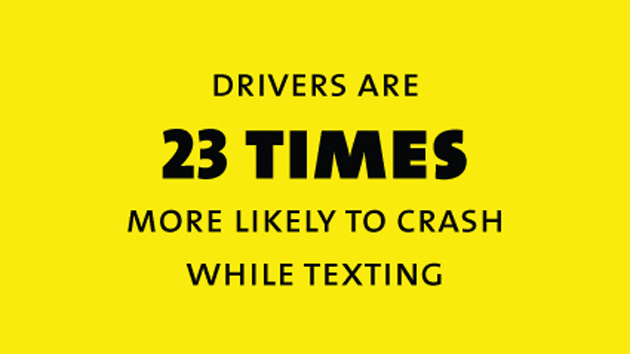
No one denies the dangers of texting while driving. In fact, 95 percent of AAA survey (PDF) respondents said texting behind the wheel was a “very” serious threat to their personal safety. But 35 percent of the same respondent group admitted to having read a text or email while driving in the last 30 days. Because Americans between the ages of 18 and 29 send and receive an average of 88 texts per day, and American drivers average nearly 40 miles a day, it makes sense that the Department of Transportation estimates that at any given daylight moment, approximately 660,000 people are “using cell phones or manipulating electronic devices” while driving.
State governments have attempted to curb the formation of this lethal habit. Forty-six states have enacted some kind of texting ban, with penalties ranging from a $20 ticket to a $10,000 fine and a year in prison (hey, Alaska!). Unfortunately, enforcement has seen limited success, in part because of how difficult detection is. Likewise, actual cell phone related fatality statistics are vastly underreported for a number of reasons, experts say. And, unless a driver involved in a crash admits to it, investigators may have no reason to suspect cell phone use.
The most effective bans, Adams said, were those enacted earliest. In Washington, where legislators took action in 2007, “people actually took it seriously,” at least for a time. Yet the efficacy of that ban decreased with each successive year. Likely, Adams said, because people heard “reports that these things weren’t being enforced.” In those states slower to legislate, any dip in fatalities evened out within several months.