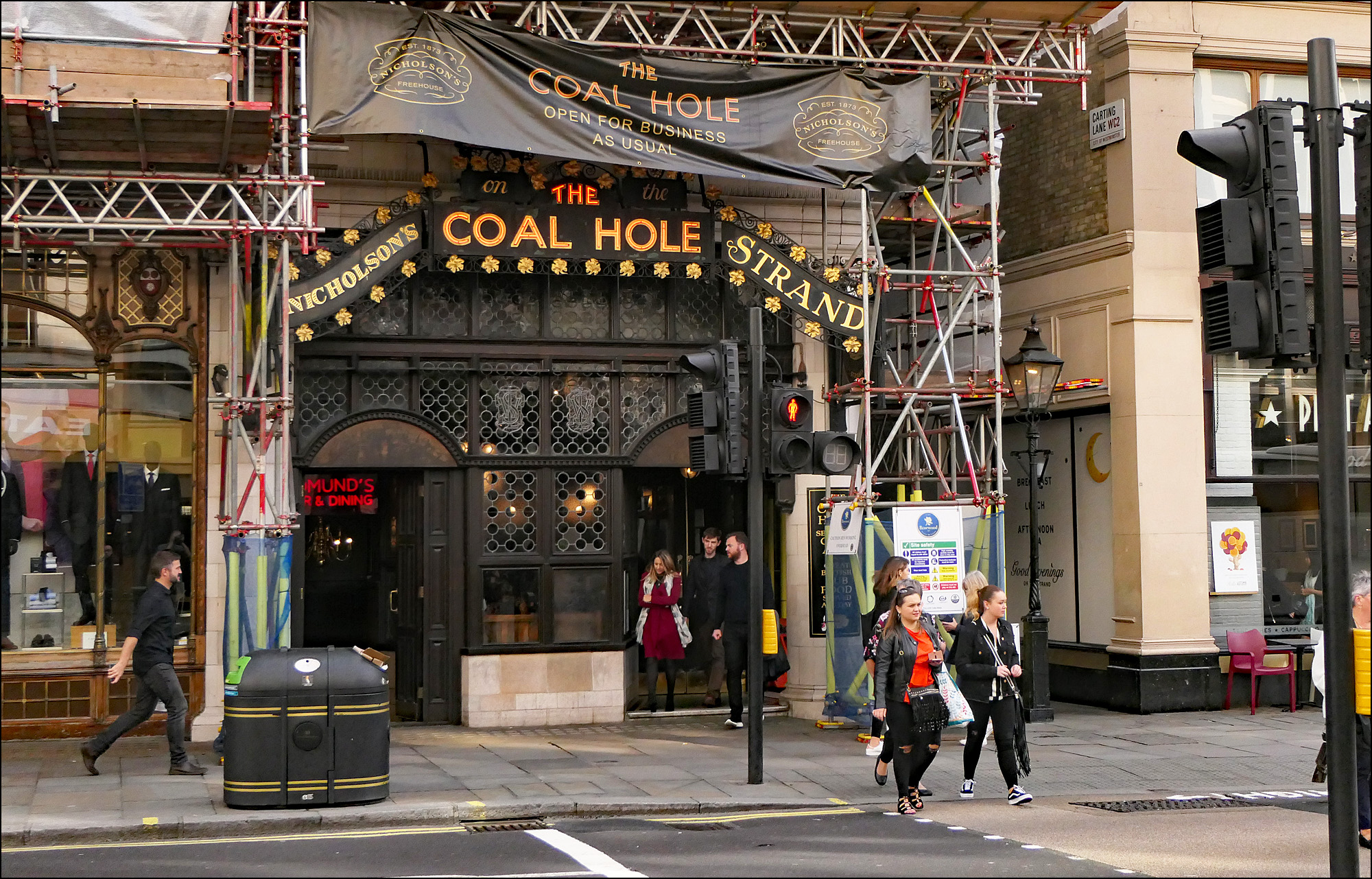
My birthday is on Thursday, and I’m meeting up for drinks with a reader who was also born on the 19th. But everyone is invited! If you’re in London and want to get together, we’ll be at the Coal Hole at about 5 pm. The Coal Hole is at 91-92 The Strand, a few hundred yards east of Trafalgar Square. Feel free to drop by whenever you can. We’ll probably be there for a couple of hours or so.
I had two odd encounters yesterday, and they’ve both made me curious. What would be your reaction in situations like these?
#1: Someone’s in the way of my picture.
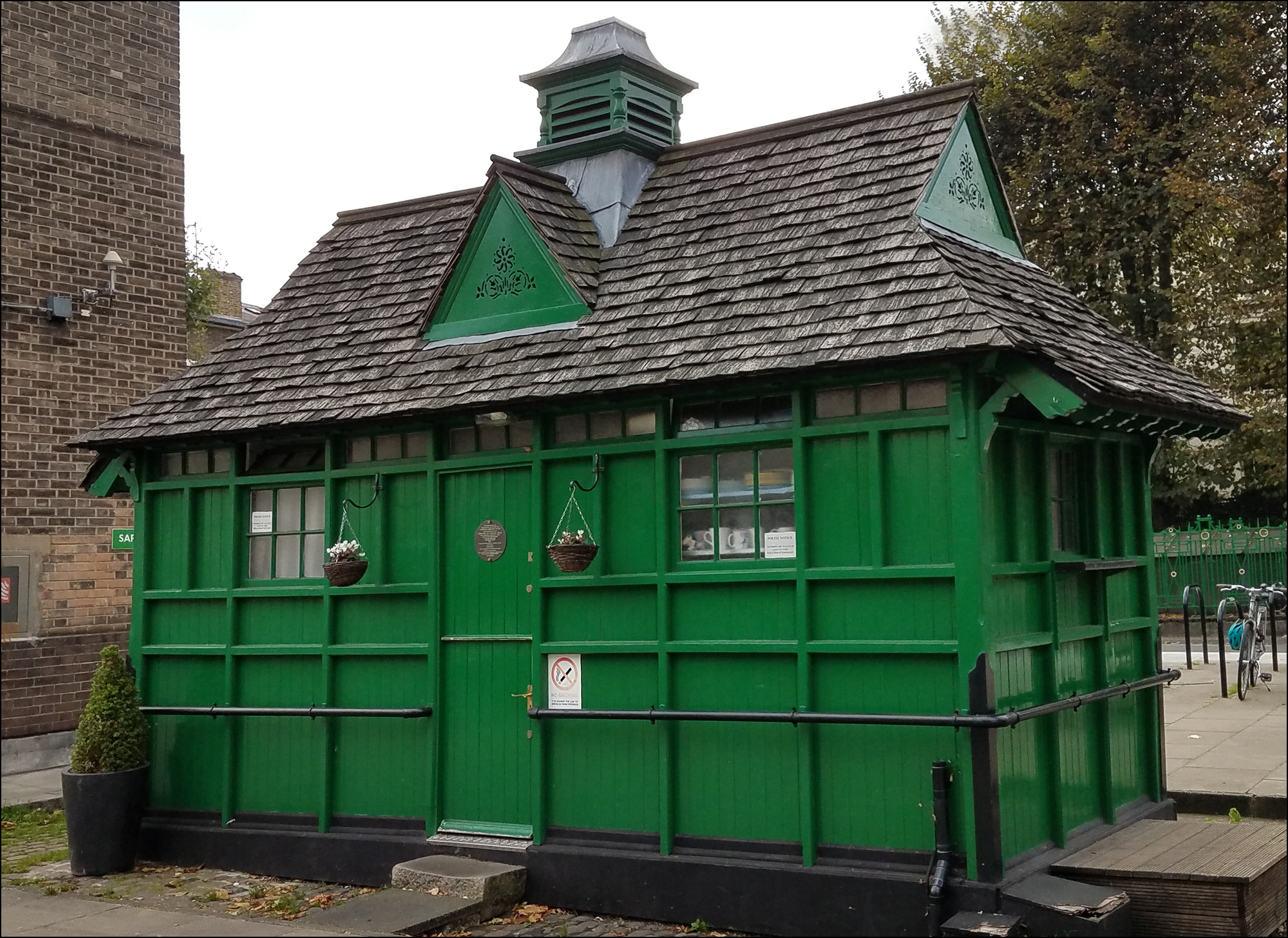
Exiting the tube in Little Venice, I came across a restored cabman’s shelter. I stepped around to take a picture, but there was a bikeshare stand nearby and a guy came up to get a bike. So I lowered my phone. He got his bike and started walking off, so I raised my phone. Then he decided the seat wasn’t quite right, so he worked on that. I lowered my phone. He finished up, and I raised my phone. Then he stopped to make sure his water bottle was secure. I lowered my phone. Finally he began walking off, so I raised my phone again. Then he stopped to chat with a friend, so I put my phone down. He turned around:
“Do you want to take a picture?”
I nodded.
“You just have to ask. Say you want to take a picture and I’ll get out of the way.”
I didn’t react at all because I was sort of gobsmacked at the whole idea. I take thousands of pictures, and I can’t remember ever asking someone to move. As a photographer, you don’t get to order the world around. You just have to make do, either by moving or waiting patiently for the right moment. I would consider it extremely rude to ask someone to move (or hurry up and adjust your damn seat!) just because I wanted to take a picture. Is this still the case? Or are smartphone photos now so ubiquitous that no one takes offense at being asked to move?
(That said, I will note that most people are polite enough to notice when someone is taking a picture and will voluntarily stay out of the way if they can.)
#2: A dog barks at me.
I was eating a piece of cake in Regent’s Park. A dog wandered up to me and I put out my hand. The dog sniffed my fingers and then barked. I pulled my fingers away and then put them back out. The dog appeared (to me) to settle down, so I stroked it a bit.
Then its owner looked up and yelled at me, “No, no, don’t touch her.” Then he came running over. “She sees so many different people, she gets scared. But she won’t bite you.”
This was an area of the park where dogs were allowed to be kept off-lead (I think), so no rules were broken. And the owner wasn’t mad, just worried. Still, if he’s worried about people touching his dog and alarming her, he should keep her on a lead, shouldn’t he?
I don’t quite remember what got me going on this, but I thought I’d start off the week with a quick look at how the economy has been doing over the past few years.
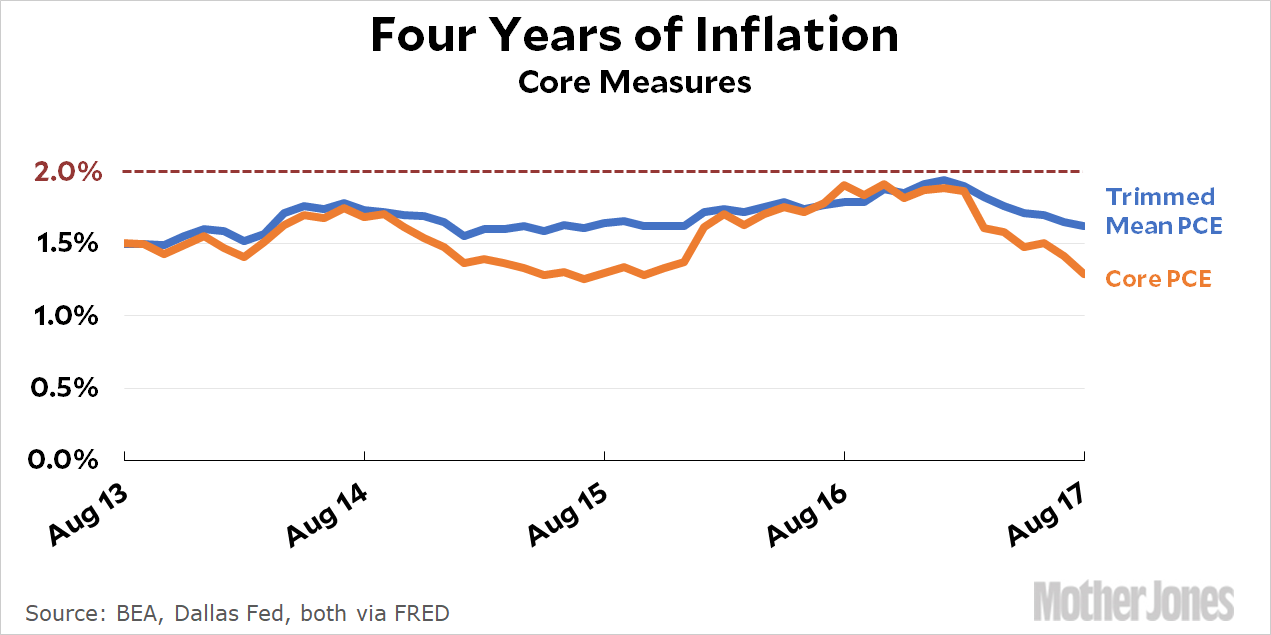
First, here are two measures of core inflation (i.e., excluding food and energy), the Fed’s favored instrument for gauging price movements. Inflation hasn’t reached the Fed’s goal of 2 percent the entire time, and shows no signs of acceleration:
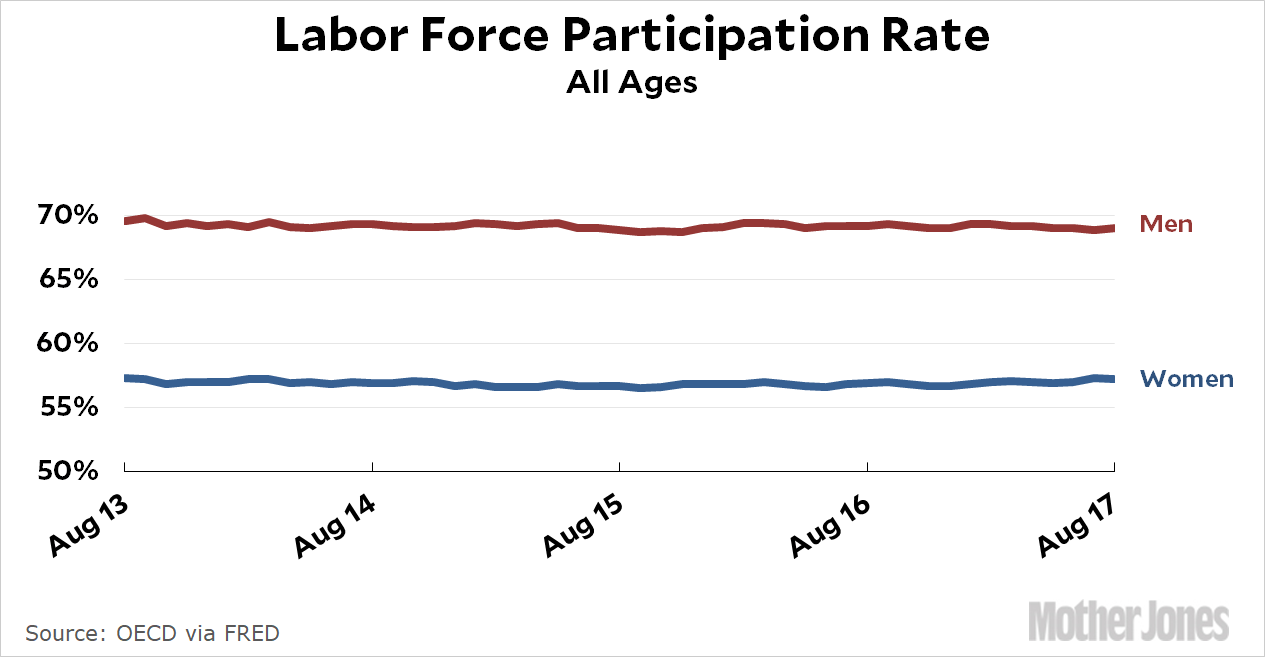
Here’s labor force participation. Its long-term decline has stopped for both men and women and has been basically flat for the past four years:
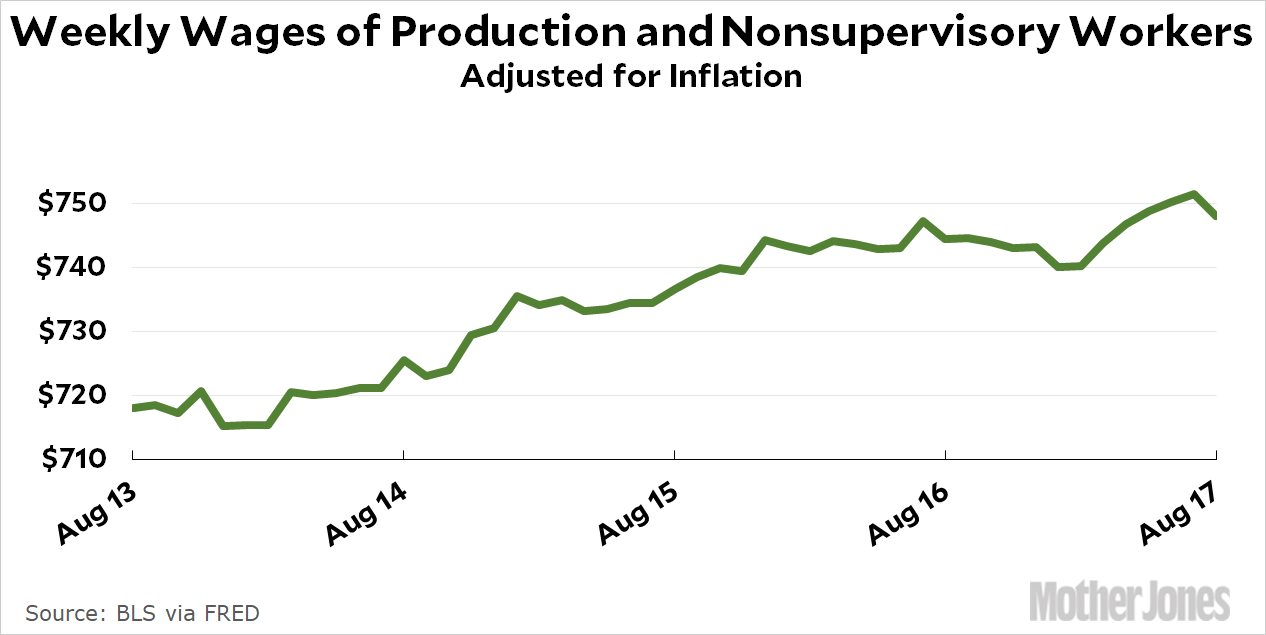
And here are weekly wages for production and nonsupervisory workers, adjusted for inflation. There’s been slow but steady growth for four years:
So inflation is subdued and shows signs of staying subdued. Labor force participation is flat. And wages of ordinary workers have been growing at about 1 percent per year.
There’s nothing really new here: these charts just show that the economy is in good shape. Not great, not bad, but pretty decent. You can tell a lot of different stories with data like this, so be just as wary of folks peddling doomsday scenarios as you are of presidents pretending that the economy is booming.
Marian spent the day at a knitting and quilting show with some friends, so I headed off by myself. There aren’t a lot of obvious tourist attractions in London that I haven’t been to, but I’ve never been to Little Venice and I’ve never walked along Regent’s Canal. For that matter, I’ve never really been to Regent’s Park either. So that’s where I went. Here’s what I saw.
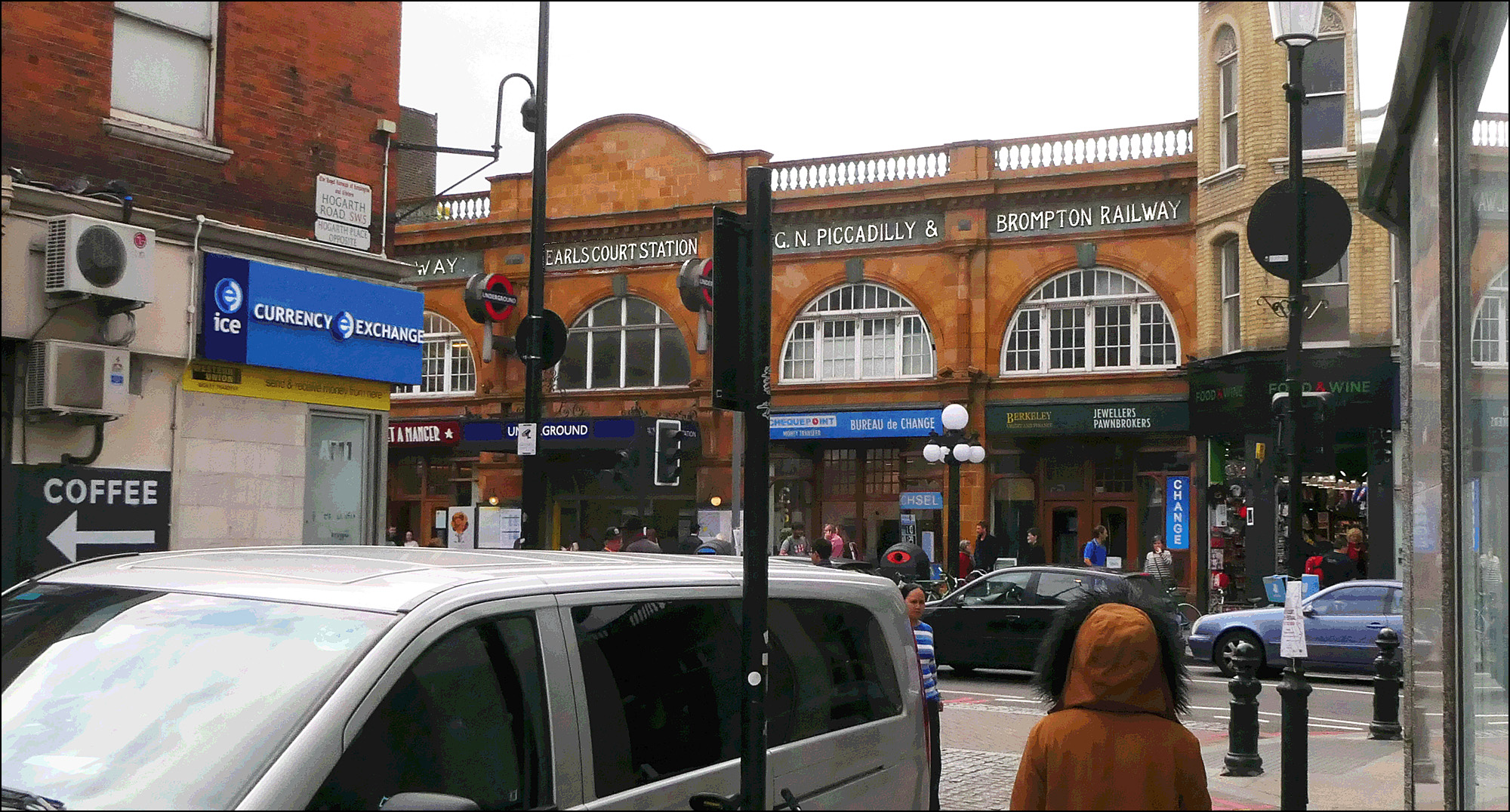
The start of all things for us is either the #9 bus or the Earl’s Court tube station. For this trip, it was the tube:
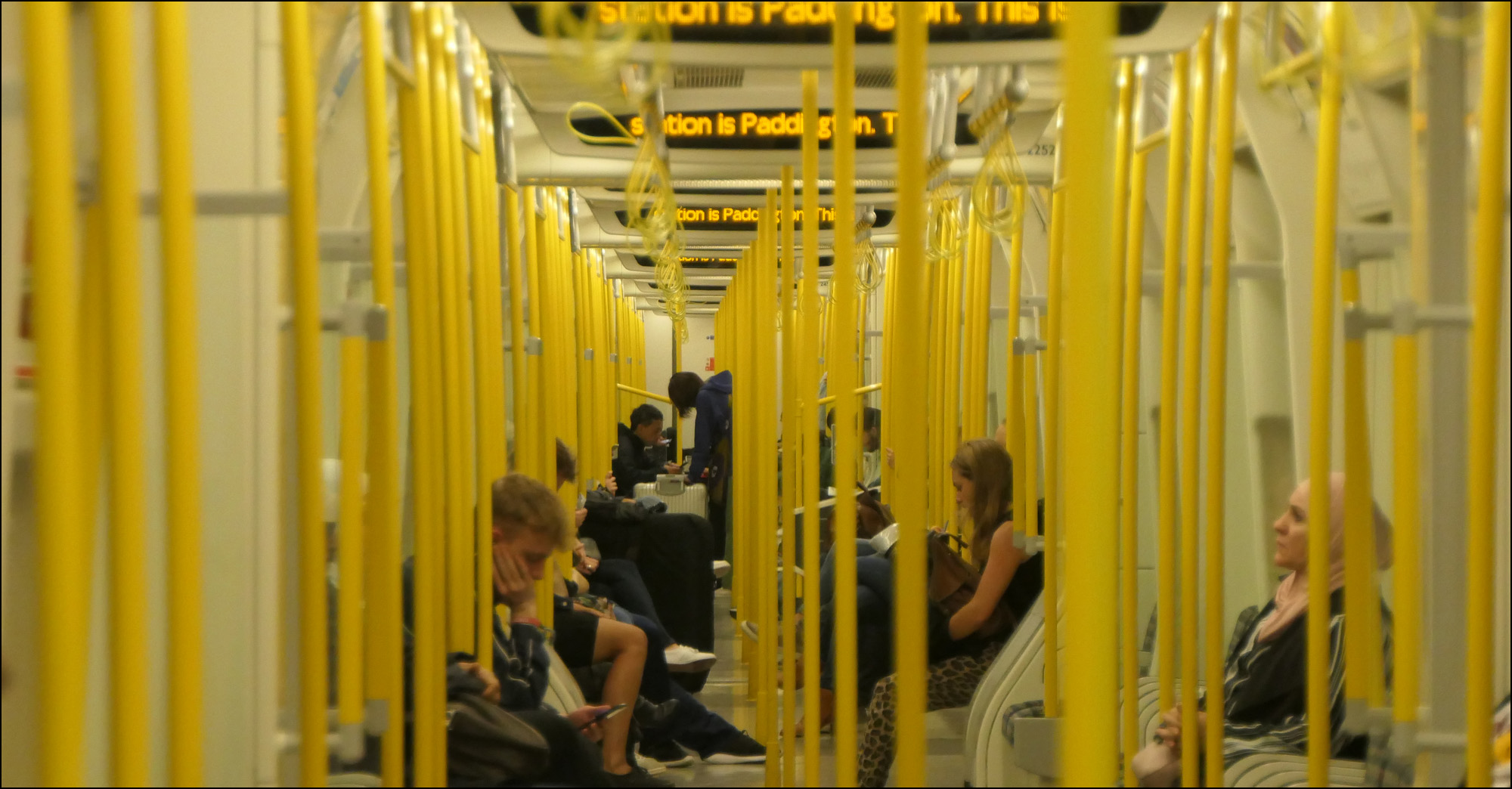
The District Line gets a lot of grief, but it has nice new cars with bright yellow poles that are open along the length of the whole train. I like watching the poles slide back and forth into a straight line as the train enters and exits curves:
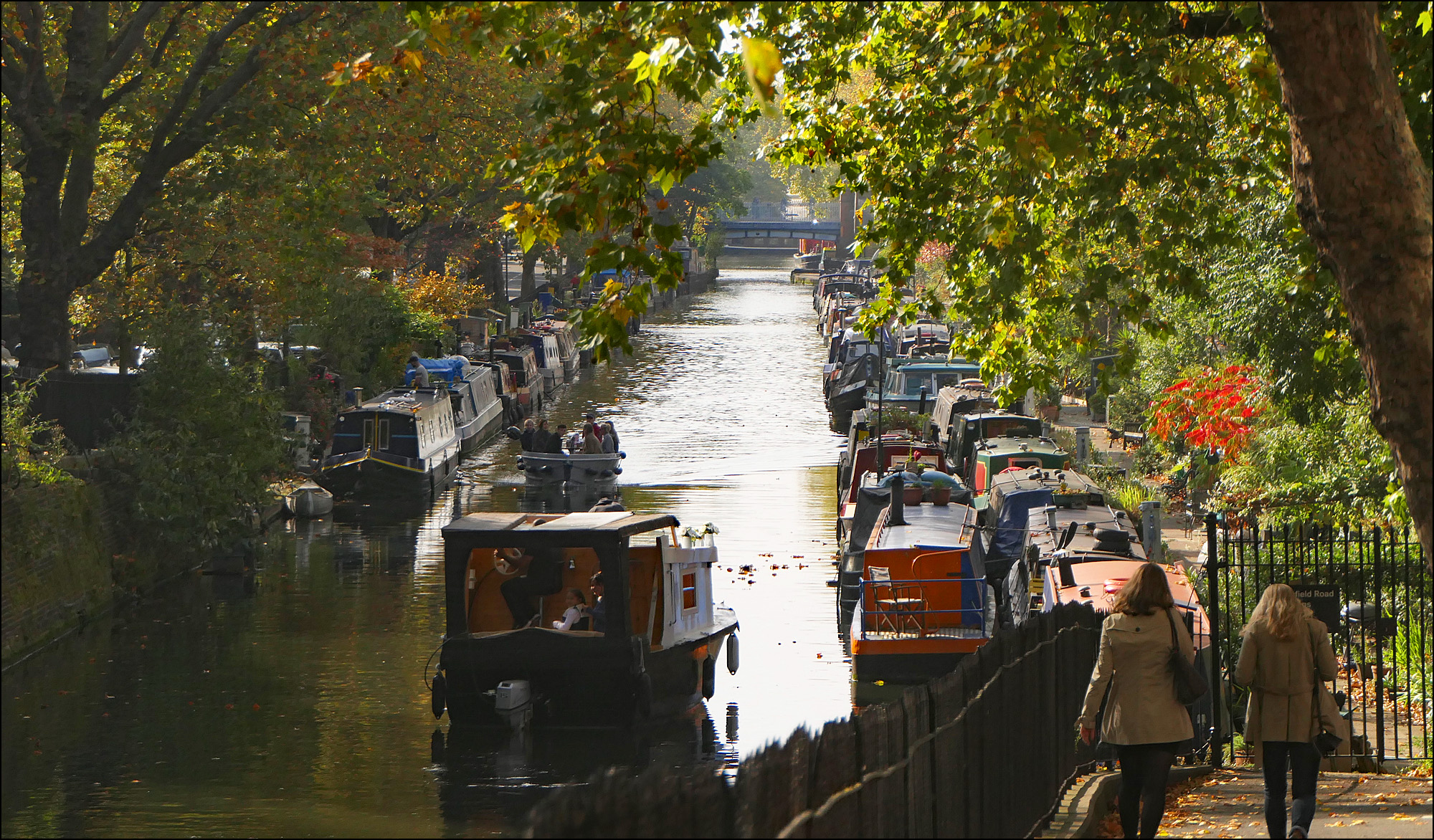
Here’s a view of Regent’s Canal from Edgeware Road:
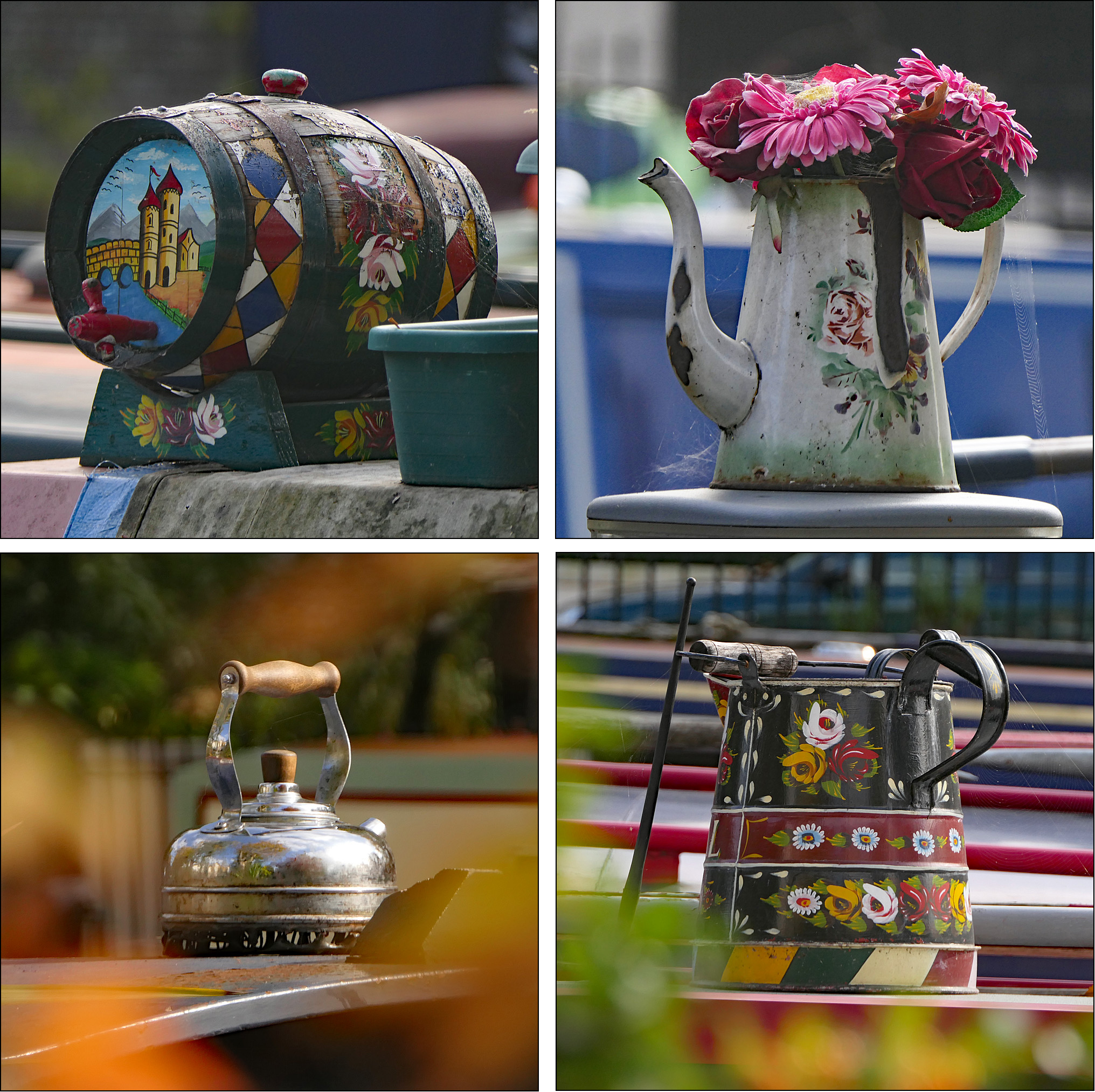
The houseboats apparently have a tradition of being decorated with knickknacks and doodads. Here are a few of them:
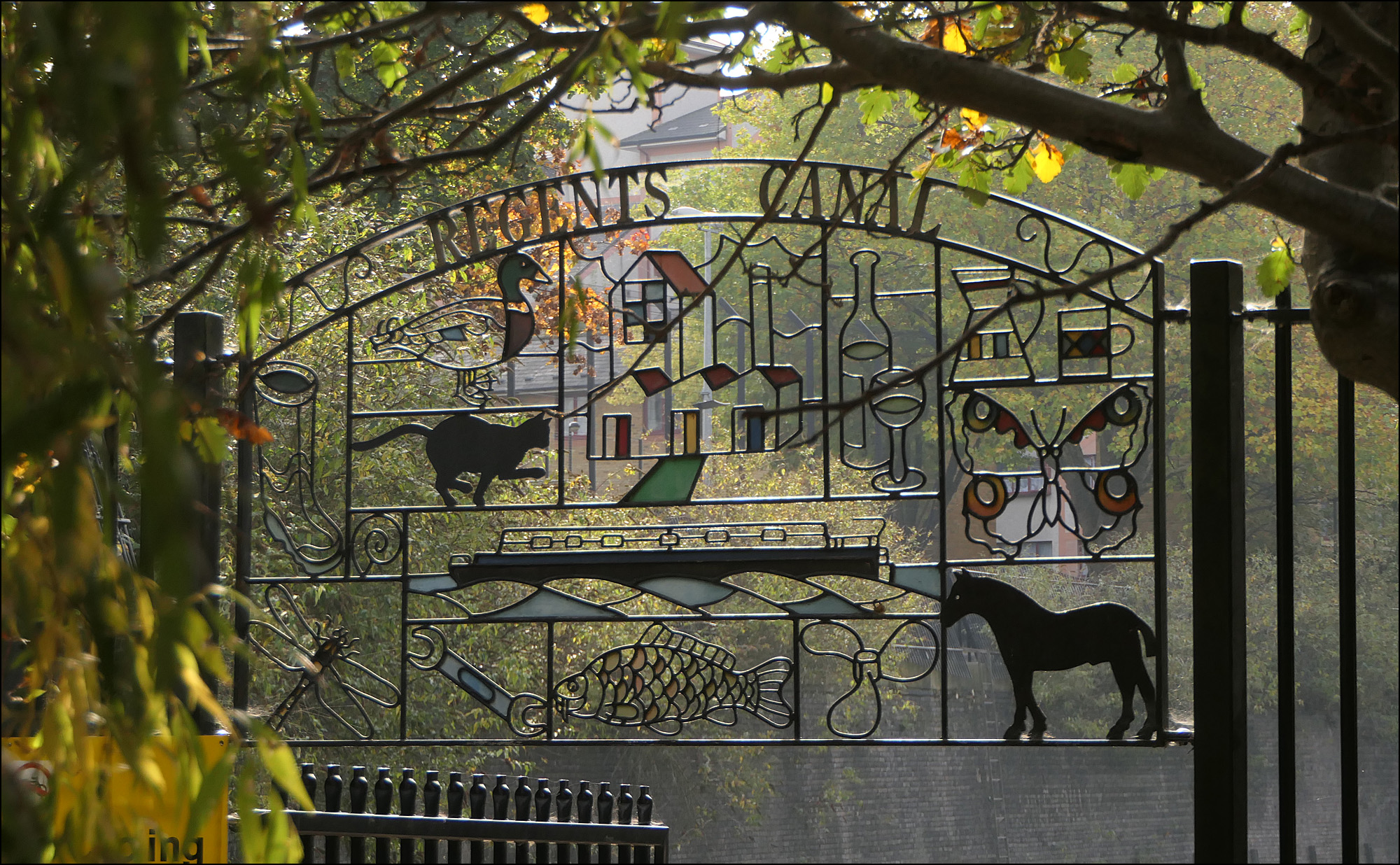
This is near the Regent’s Park exit from the towpath. It’s a little hard to believe that stained glass manages to last long in a secluded public place like this. Maybe it’s actually stained cast acrylic?
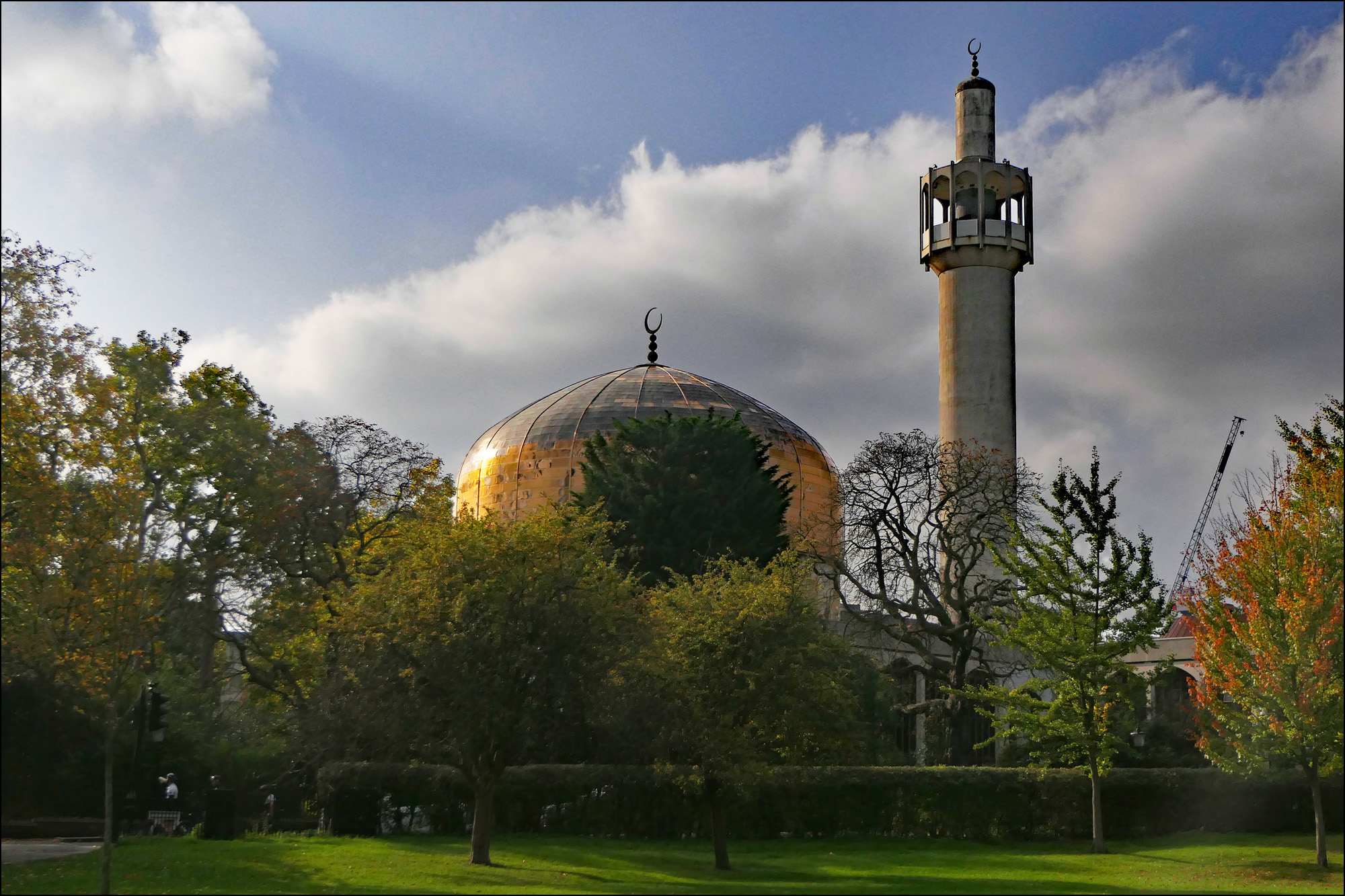
The London central mosque, right on the border of Regent’s Park:
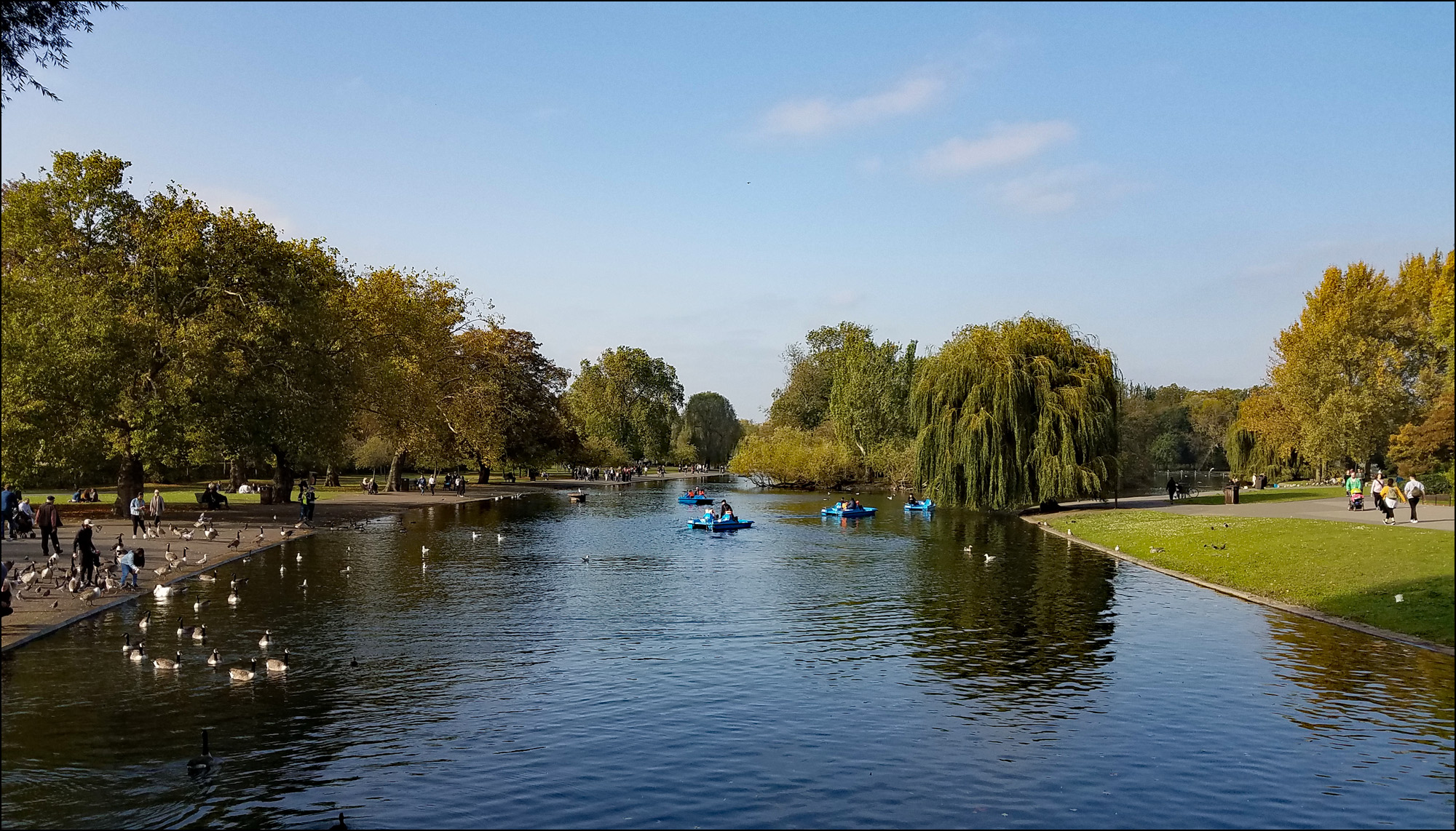
The boating lake at Regent’s Park. It was a warm, sunny day, and lots of people were out in the blue pedalos (pedal boats to us):
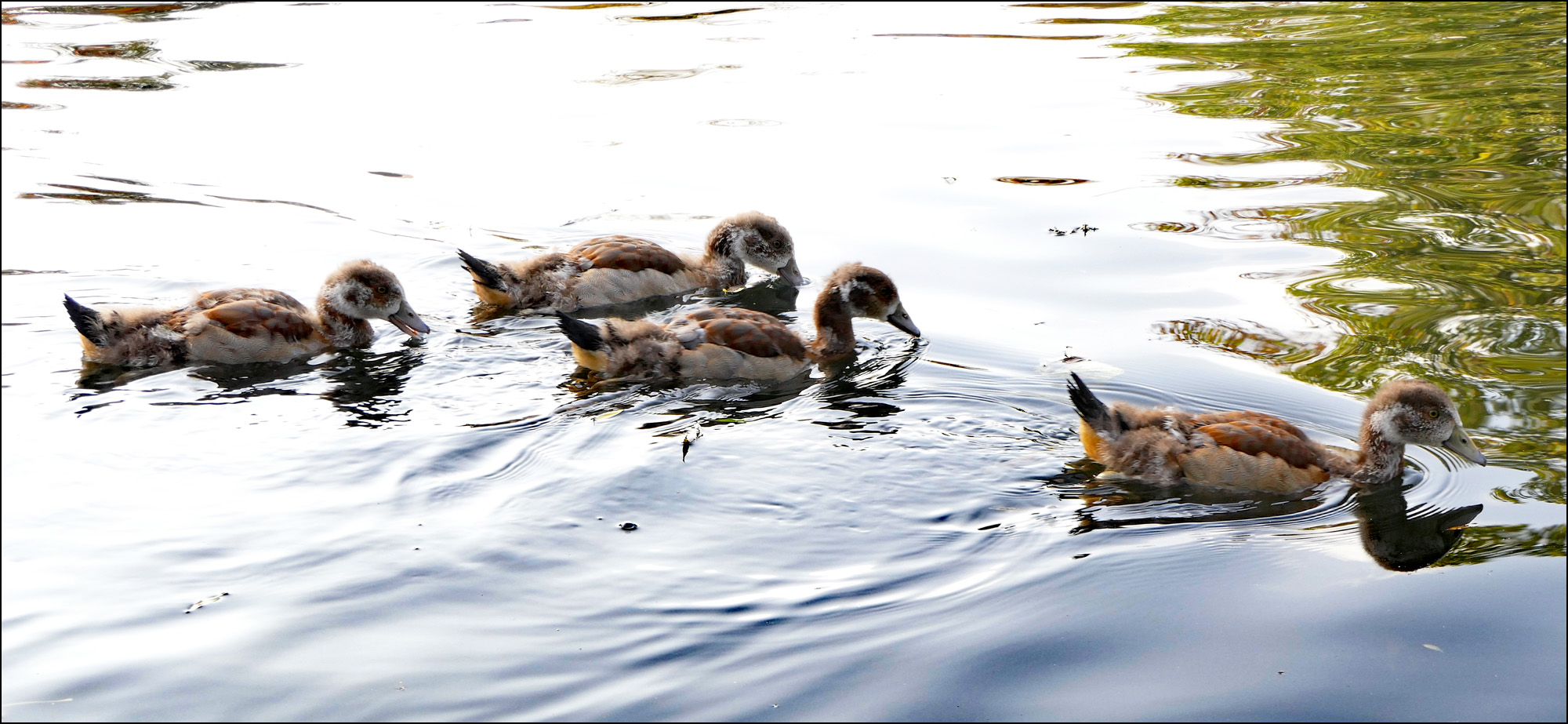
Baby geese:
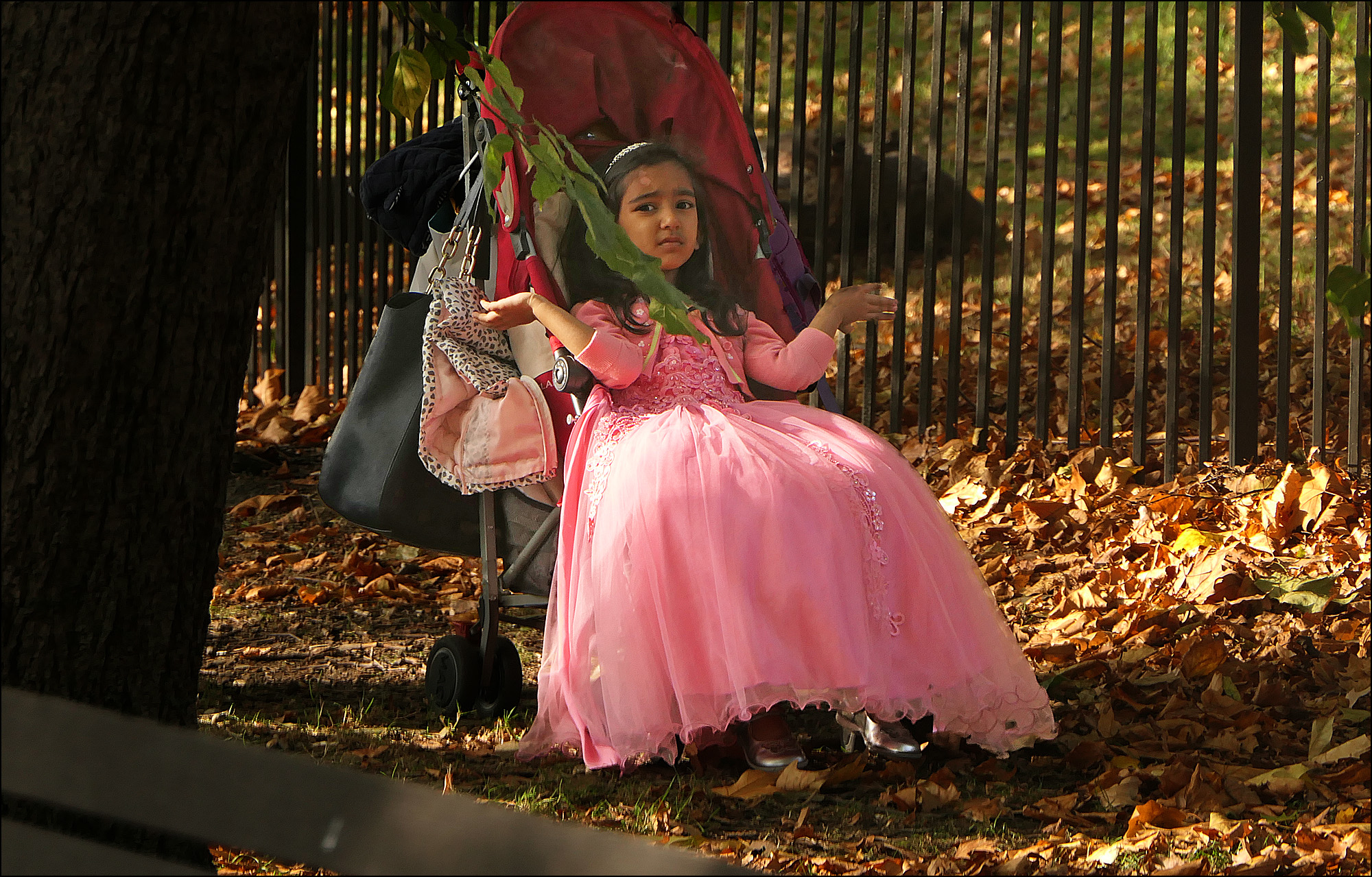
This little girl’s family had been taking pictures of her in the park for hours. “When will it end?” she wonders. I had no answer for her, but my day was over. I hopped on the tube, picked up some Chinese takeout, and headed home.
I almost forgot. The Washington Post has a killer story today about a law passed in 2016 that helps drug distributors avoid penalties for selling opioids to doctors who are pretty clearly reselling them on the black market:
The chief advocate of the law that hobbled the DEA was Rep. Tom Marino, a Pennsylvania Republican who is now President Trump’s nominee to become the nation’s next drug czar. Marino spent years trying to move the law through Congress.
….The new law makes it virtually impossible for the DEA to freeze suspicious narcotic shipments from the companies, according to internal agency and Justice Department documents and an independent assessment by the DEA’s chief administrative law judge in a soon-to-be-published law review article. That powerful tool had allowed the agency to immediately prevent drugs from reaching the street.
….Besides the sponsors and co-sponsors of the bill, few lawmakers knew the true impact the law would have. It sailed through Congress and was passed by unanimous consent, a parliamentary procedure reserved for bills considered to be noncontroversial. The White House was equally unaware of the bill’s import when President Barack Obama signed it into law, according to interviews with former senior administration officials.
Apparently the law was essentially written by a former DEA attorney who went to work for the drug industry in 2011. Read the whole thing for more, including the 18 months of stonewalling from DEA and the Justice Department when the Post requested records related to the law.
Marian is spending the day at the Knitting and Stitching Show at the Alexandra Palace—aka Ally Pally, the People’s Palace. So what should I do all by myself today? While I was asleep, the Dodgers won. USC won. And Donald Trump didn’t start a war. Surely that calls for something celebratory?
Perhaps the Churchill war rooms, to prepare myself for when Trump does start a war? Hmmm. While I ponder this, here’s a selection of photos from our trip to Kew Gardens yesterday.
Crocuses on a field of fallen seed pods:
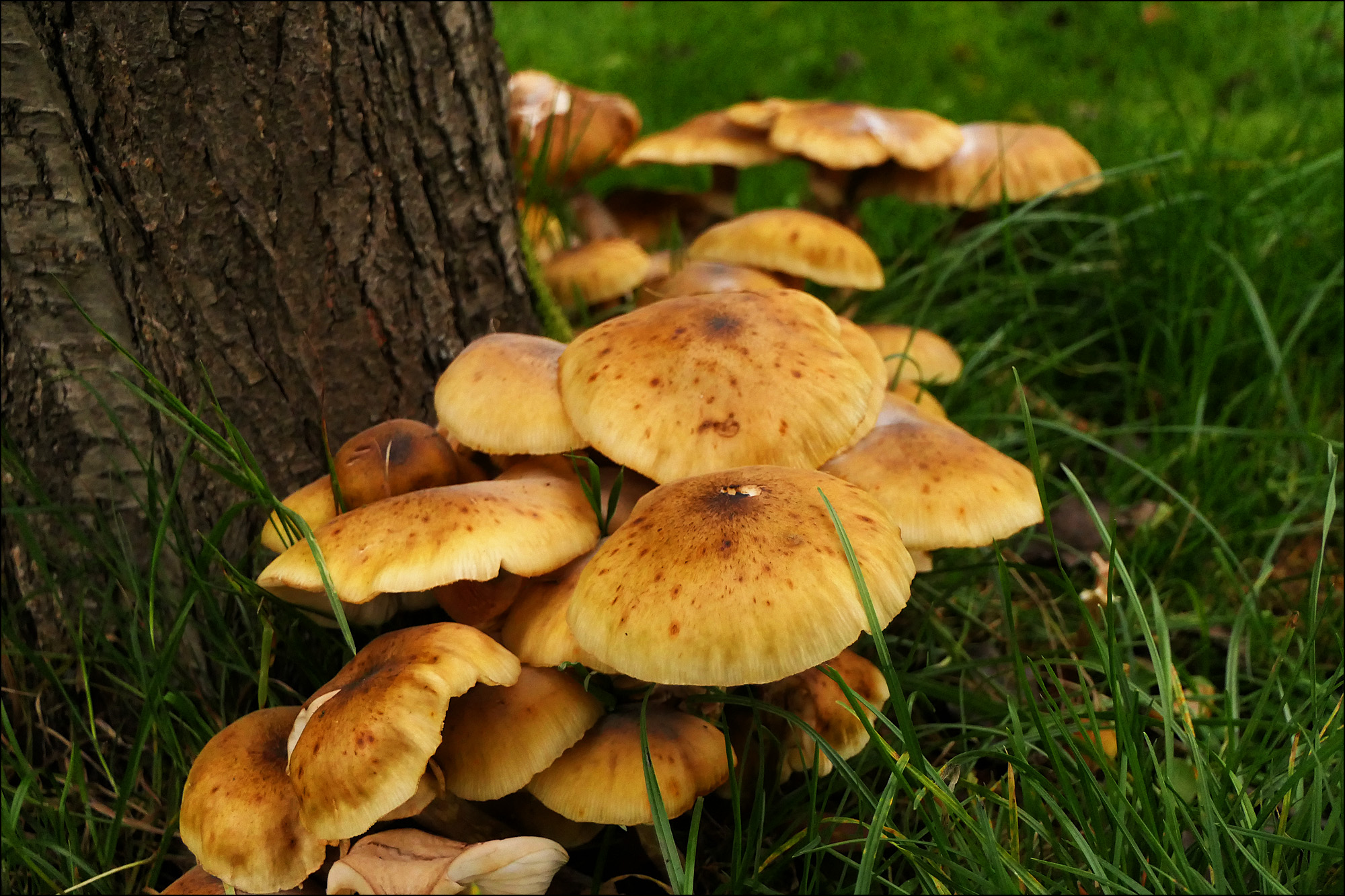
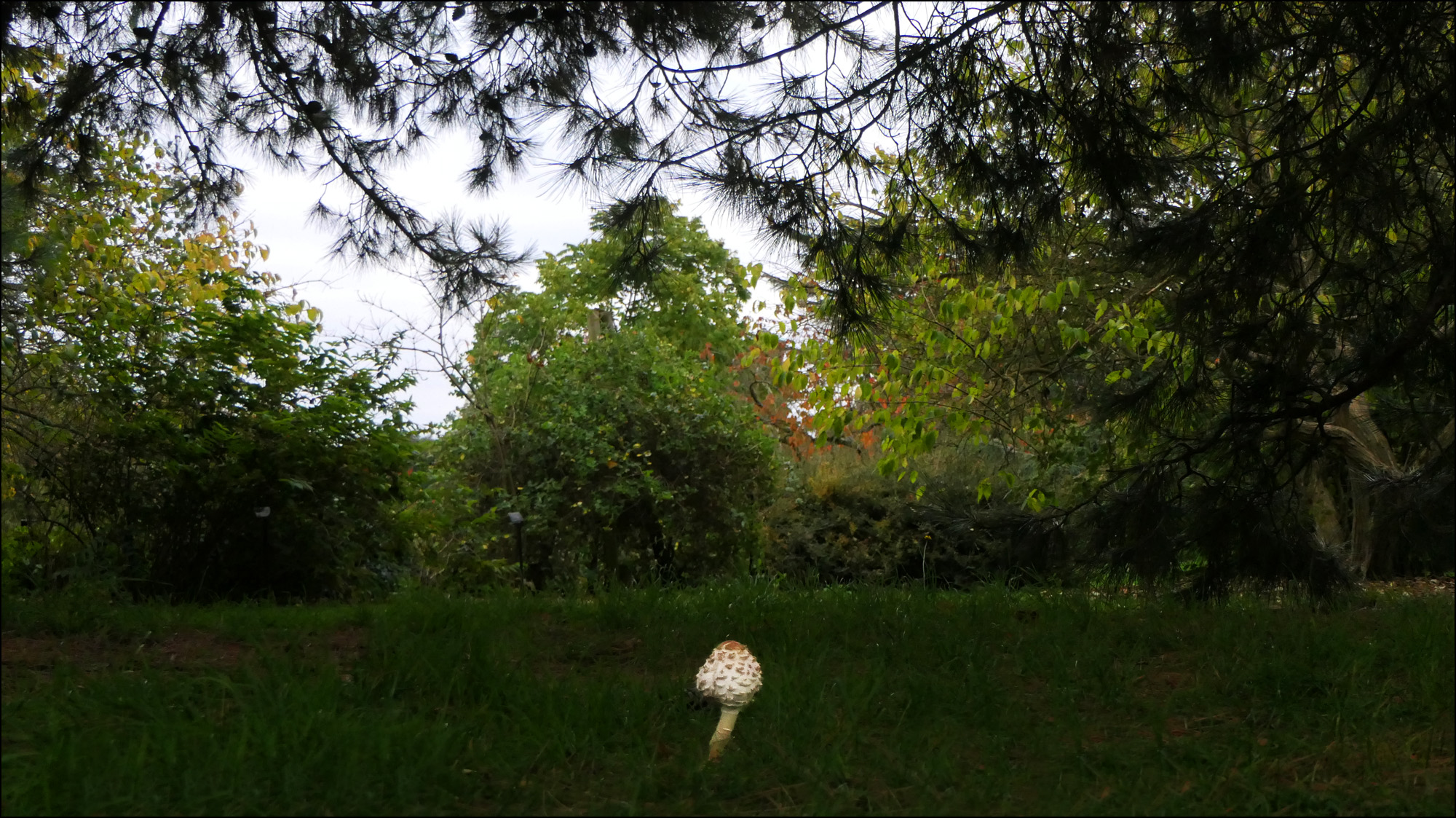
Mushrooms:
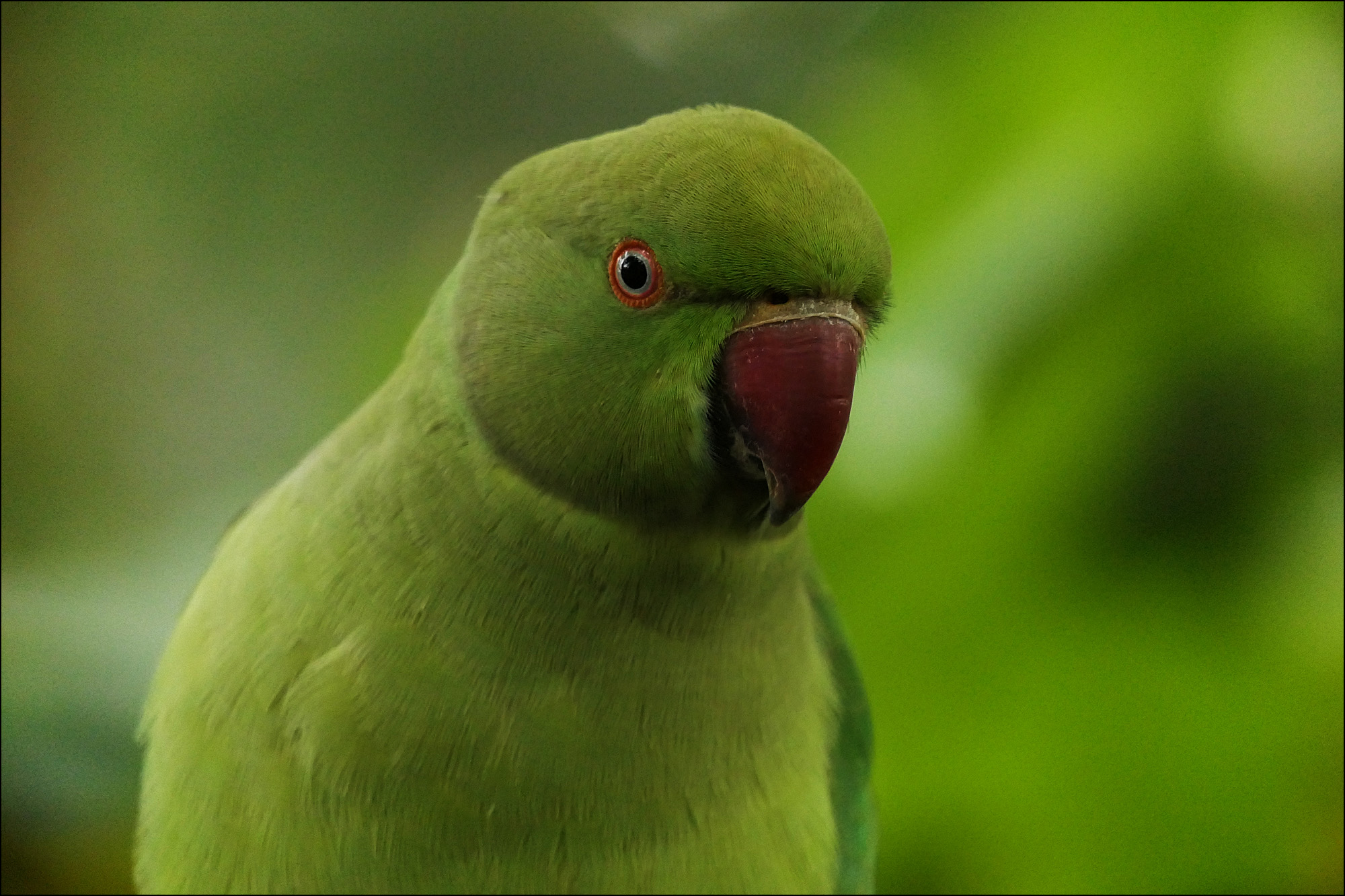
A green parrot, photographed from the treetop walkway:
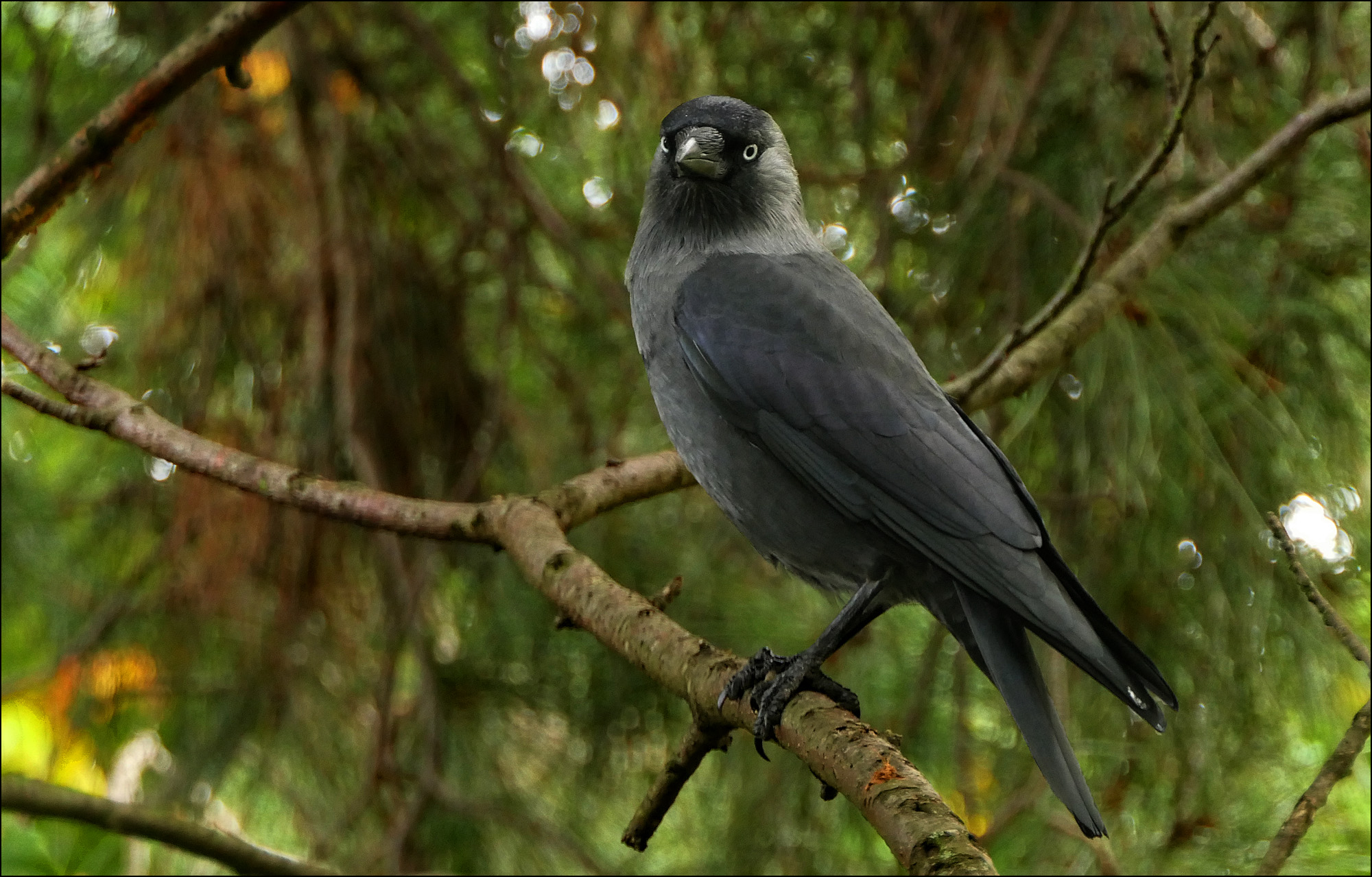
Some kind of gray/black bird, ditto. UPDATE: It’s a western jackdaw.
A Gertrude Jekyll rose in its end-of-season final bloom in the rose garden:
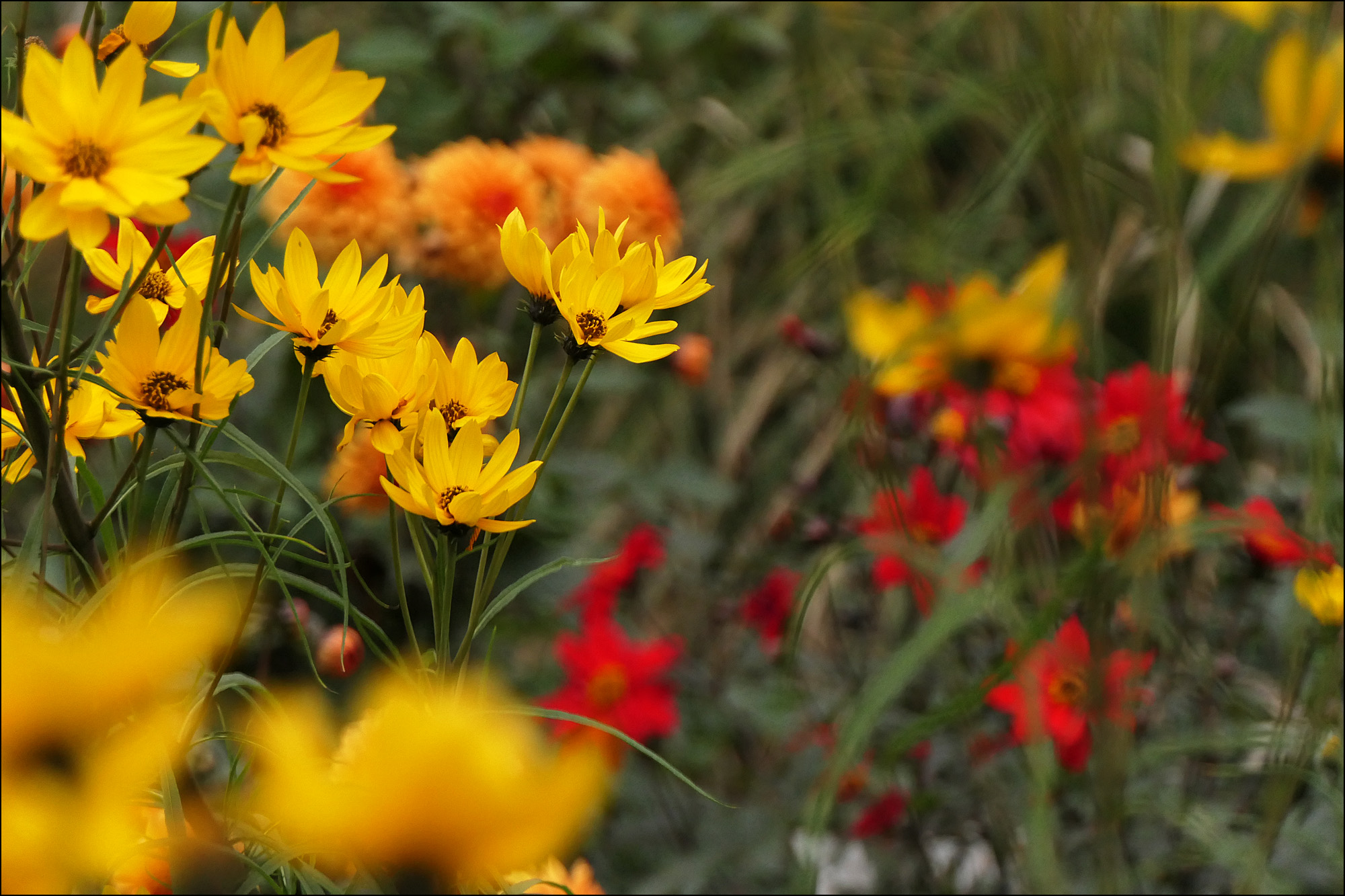
A field of daisies and other flowers planted English-garden style:
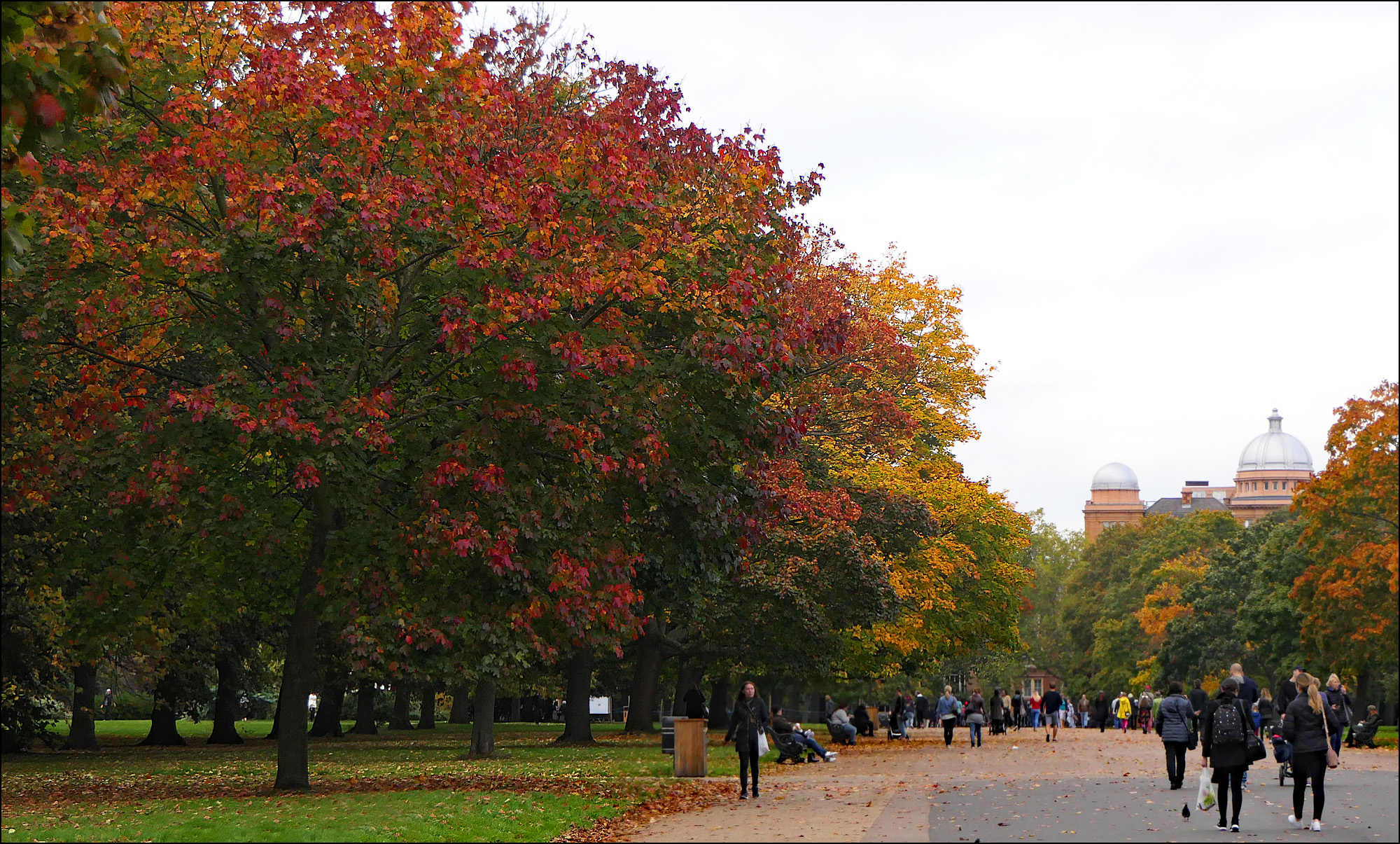
An “October Surprise” maple tree:
Another mushroom:
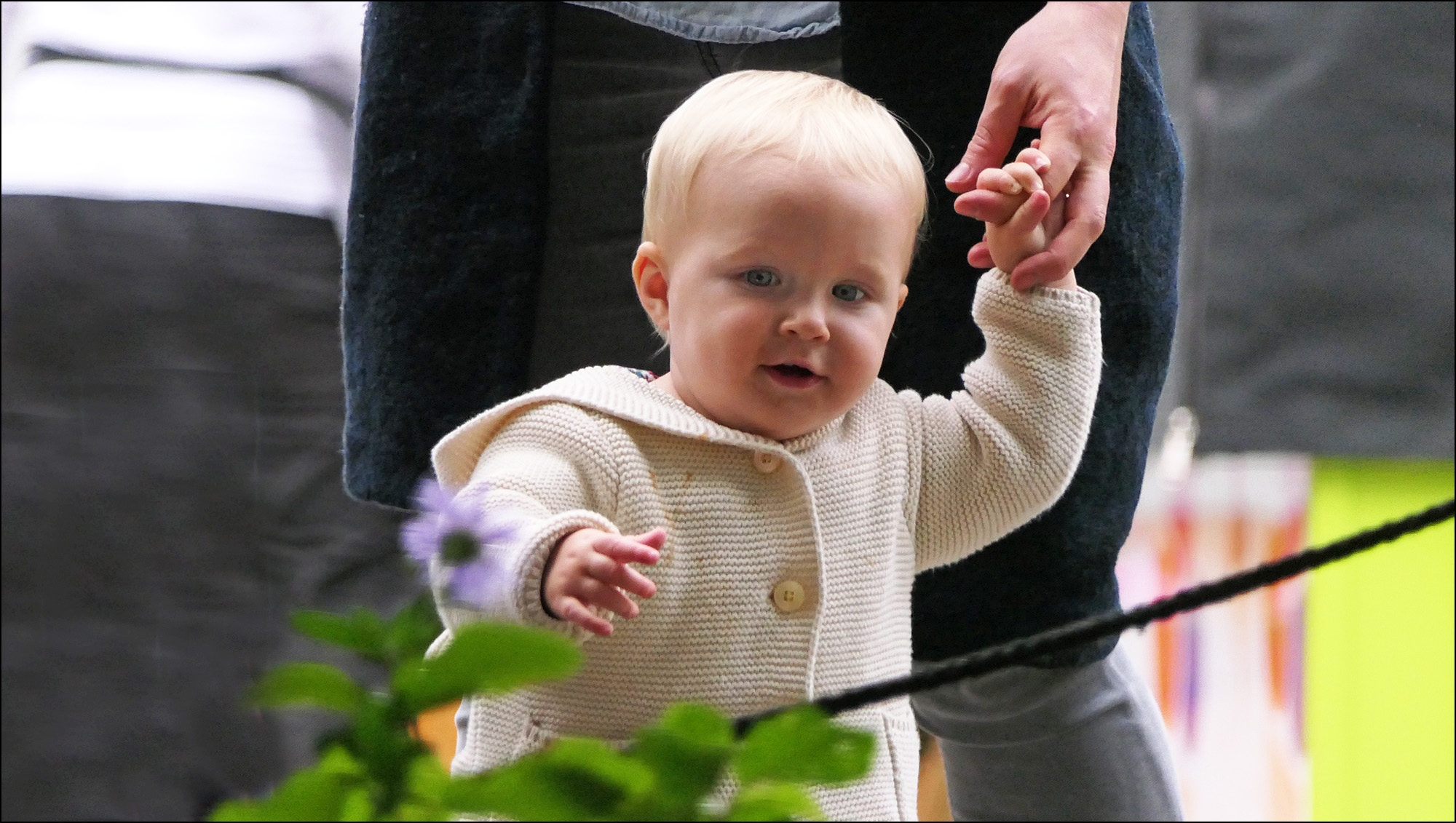
Finally, a toddler beginning a lifelong fascination with flowers:
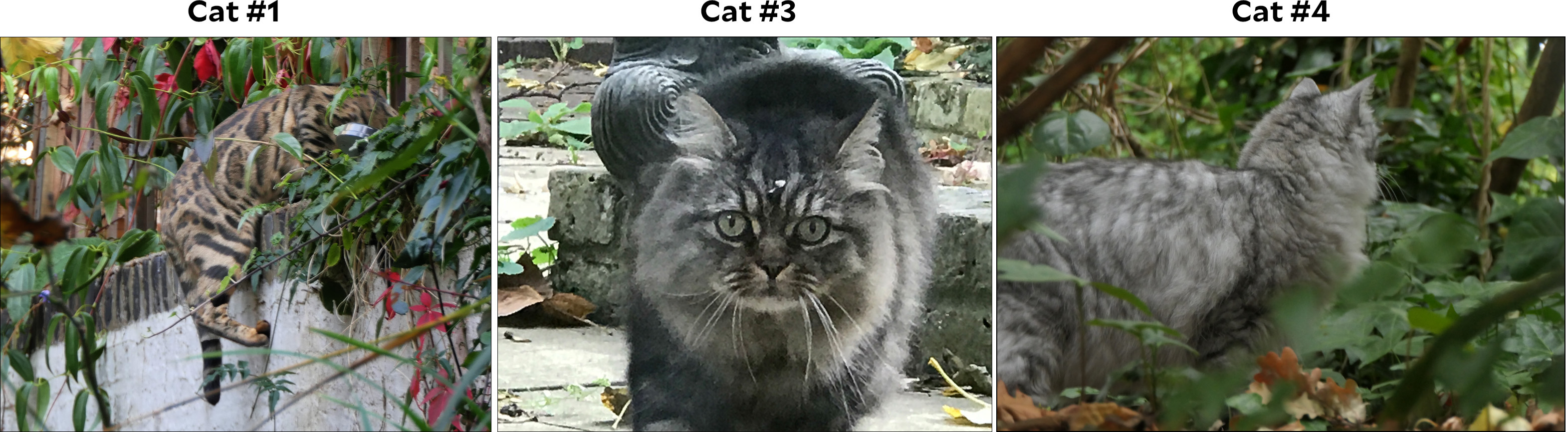
It turns out that our backyard is awash in cats. Last Friday a lovely tiger-striped cat suddenly appeared, staring curiously into our living room. I went outside, and he was semi-friendly, but he hopped over the fence before I could get a good picture.
On Tuesday I was in the backyard and noticed a white splotch. It was a white cat looking at me from the hedge that separates our yard from the neighbors. She sniffed my fingers, but then turned around and went home.
Yesterday, a third cat showed up, a gray/black fluffball. He was sort of friendly and let me scratch his head, but again, by the time I got my camera he had wandered out through a hole to parts unknown. Marian managed to get a distant iPhone shot, but that was it.
Finally, at the very last moment before the catblogging deadline, no more than a couple of hours ago, we came across a fourth cat on our way home. He was prowling around Edwardes Square park, where we had previously seen a cat door at the groundskeeper’s house. This was the cat it belonged to! But the light was dim, and people kept passing by, and the cat retreated into the foliage. The park is only open to residents, so I couldn’t go in to track him down.
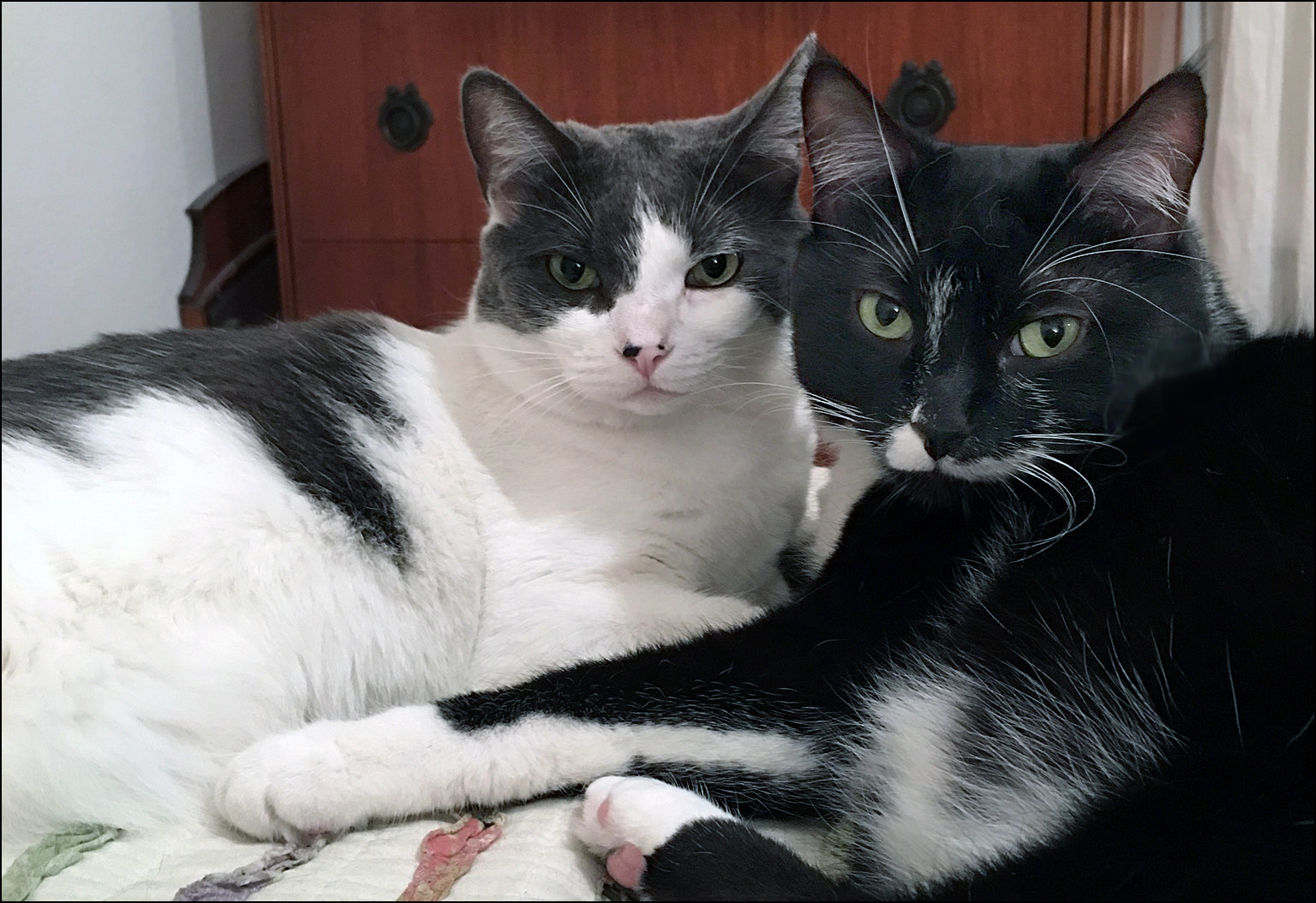
So that’s that. Four cats, but no suitable catblogging. Luckily my sister came through with some quality homegrown cats. “What are you bringing home for us?” Hilbert and Hopper ask. And they look like they mean it. Perhaps we need to stop by Harrod’s and pick up some British cat toys?
David French is a conservative lawyer who writes for National Review. Last year he wrote scathingly about both Donald Trump and the alt-right and was rewarded with a barrage of abuse, much of the worst of it aimed at his wife and children. Yesterday he wrote not about the alt-right, but about ordinary rural conservatives who support Trump:
Trump is stoking a particularly destructive form of rage — and his followers don’t just allow themselves to be stoked, they attack Trump’s targets with glee. Contrary to the stereotype of journalists who live in the Beltway and spend their nights at those allegedly omnipresent “cocktail parties,” I live in rural Tennessee, deep in the heart of Trump country. My travels mainly take me to other parts of Trump country, where I engage with Trump voters all the time. If I live in a bubble, it’s the Trump bubble. I know it intimately.
And I have never in my adult life seen such anger. There is a near-universal hatred of the media. There is a near-universal hatred of the so-called “elite.” If a person finds out that I didn’t support Trump, I’ll often watch their face transform into a mask of rage. Partisans are so primed to fight — and they so clearly define whom they’re fighting against — that they often don’t care whom or what they’re fighting for….Don’t like the media? Shut it down. Don’t like kneeling football players? Make them stand. Tired of American weakness overseas? Cheer incoherent and reckless tweets as evidence of “strength.”
Where does this end? Does this rural rage become a permanent part of American life? Or does something happen to finally let the air out of it?
The two big explanations for the rise of this rural anger (and the rise of Trump) revolve around economics and race. The modern economy has screwed these folks over and they’re tired of it. Or: they’re badly threatened by the growth of the nonwhite population. Which is it? Almost certainly both, and in any case it doesn’t matter much: both of these things are likely to get worse from their point of view. The nonwhite population share is obviously going to keep growing, and the economy of the future is only going to become ever more tilted toward the highly educated. If working-class whites really are enraged by either or both of these things, they’re only going to get more enraged as time goes by.
That’s especially true if they keep voting for Republicans, who will actively make these things worse while skillfully laying off the blame on “elites” and “Hollywood liberals.” Keeping the rage machine going is their ticket to political power.
How do we prick this bubble? Obama tried to give them cheap health care, and it enraged them. He passed stricter regulation on the Wall Street financiers who brought us the Great Recession, and they didn’t care. He fought to reduce their payroll taxes and fund infrastructure to help the economy get back on track, and they sneered that it was just a lot of wasted money that ballooned the national debt.
At the same time, Obama didn’t try to take their guns away. He didn’t outlaw Christianity or conduct a war on Christmas. He didn’t do much of anything related to abortion. He did promote a number of gay-friendly policies, and praised the Supreme Court decision that legalized same-sex marriage.
None of it really seemed to matter, though. The culture war stuff remained enraging regardless of what Obama did or didn’t do.
Is there an answer? We haven’t found one yet, have we? Sometimes I wonder if there is one.
Translation: I will continue to rip insurance coverage from the poor and sick until you cave in to my demands.
As it happens, stopping CSR payments to insurance companies might not do the damage Trump thinks it will. And his action yesterday, which encourages the creation of association plans that suck all the young and healthy customers out of Obamacare, might also be less damaging than he’d like. On a technical level, it turns out that Trump’s executive order doesn’t allow association plans to market to individuals, which reduces its scope. On a political level, it will take months for agencies to create rules and hold hearings to implement the EO, and possibly many more months in court.
That’s semi-heartening, but there’s a whole different problem looming: the more Trump screws around with Obamacare rules, the more likely it is that insurance companies quit the exchanges. Making a profit is hard enough already, and participating in Obamacare has always been a long-term play for insurers. If it becomes clear that Congress and the president are hellbent on making things worse, they’ll just give up. That could wreck Obamacare even if the legislation and the executive orders don’t technically cause a lot of short-term damage.
Billionaires own the media,
but they don’t own us.
At Mother Jones we know these aren’t conventional times, and they require unconventional coverage. That’s what deliver every day: fierce, independent journalism you can’t find elsewhere. Perhaps never in the history of our country has that been more necessary than now. But we can’t do it without reader support—your support. Please chip in today.
Billionaires own the media,
but they don’t own us.
At Mother Jones we know these aren’t conventional times, and they require unconventional coverage. That’s what deliver every day: fierce, independent journalism you can’t find elsewhere. Perhaps never in the history of our country has that been more necessary than now. But we can’t do it without reader support—your support. Please chip in today.