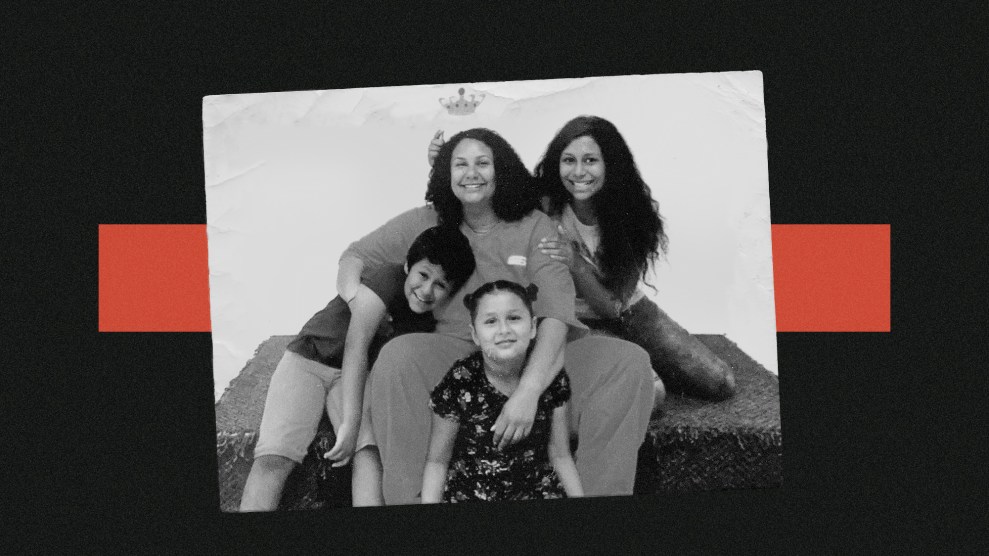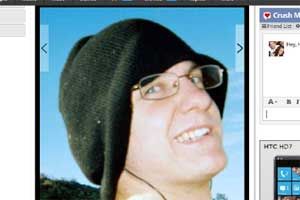
Jared Lee Loughner (pictured above in an undated MySpace photo) is the main suspect in the shooting of Rep. Gabrielle Giffords (D-Ariz.) and more than 20 others during a public event at a Safeway grocery store on Saturday.
Editors’ Note: Click here to see all of MoJo‘s recent education coverage, or follow Kristina Rizga on Twitter or with this RSS Feed.
Before 22-year-old Jared Lee Loughner first got suspended from his community college, exhibited signs of schizophrenia, and purchased a gun, he was just another troubled high school kid. So what if Loughner tried to seek help as a teenager? Would he have been able to get it?
In 2008, when I ran Wiretap, we published a series of stories related to mental illness in the aftermath of the Virginia Tech shootings. During the reporting process we discovered that of the nearly 15 million young people diagnosed with a mental disorder, only one-quarter receive the treatment they need, even when resources exist to help them. Why?
It turns out that budget cuts are just one piece of a complicated puzzle. Confronting mental illness stigma on high school campuses remains an issue for both students and administrators, and the media that reaches teens—MTV, VH1, BET—tends to shy away from real discussions about mental health. There are decent mental health care services out there for young people, especially in urban areas, but to get help teens are usually forced to first navigate a maze of disconnected school and community-based programs. It’s nearly impossible to do this successfully without a strong adult advocate. Meanwhile, some doctors prescribe meds hastily, without providing adequate long-term mental health care and follow-up.
Parents, of course, also play a role. “Every time we lie and say we’re fine, we’re teaching [kids] that that’s what you do. You pretend, you wear the mask,” says Terrie Williams, a mental health advocate with the Stay Strong Foundation.
One more thing came up frequently in Wiretap‘s research. Possibly the most important factor impacting a young person’s long-term mental health state? The presence of a trusted adult or peer with whom they could be open about their feelings. We don’t always have to wait for the government or an expert to provide a little bit of that.