Despite All the Fake Meat, Americans Are Still Gobbling Up the Real Stuff

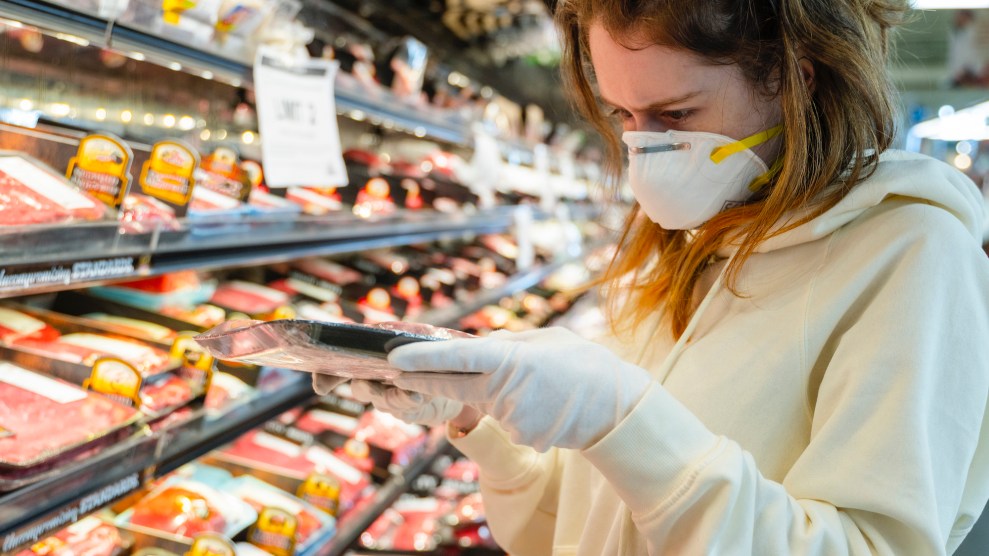
Beef and chicken consumption got a boost during the pandemic.

Alex Potemkin/Getty

Get your news from a source that’s not owned and controlled by oligarchs. Sign up for the free Mother Jones Daily.

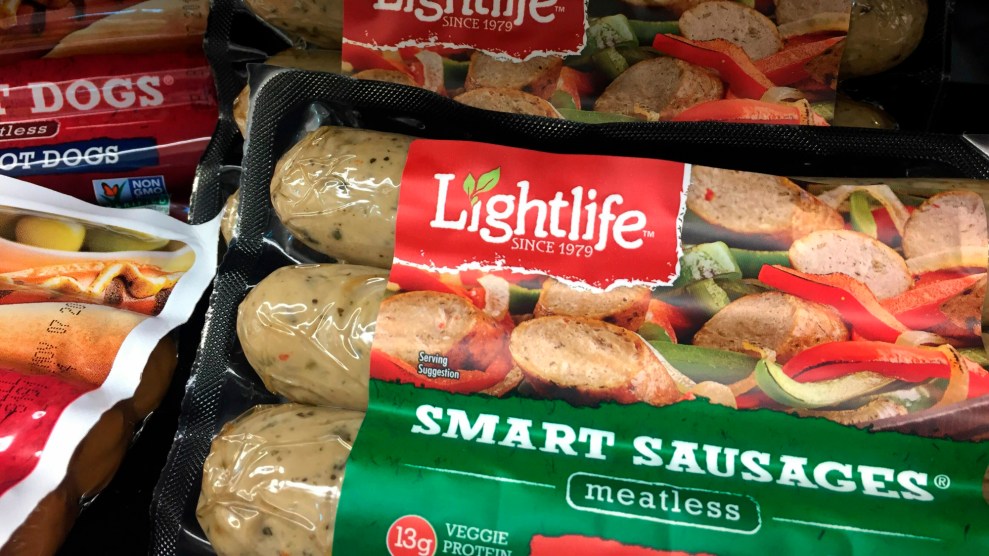
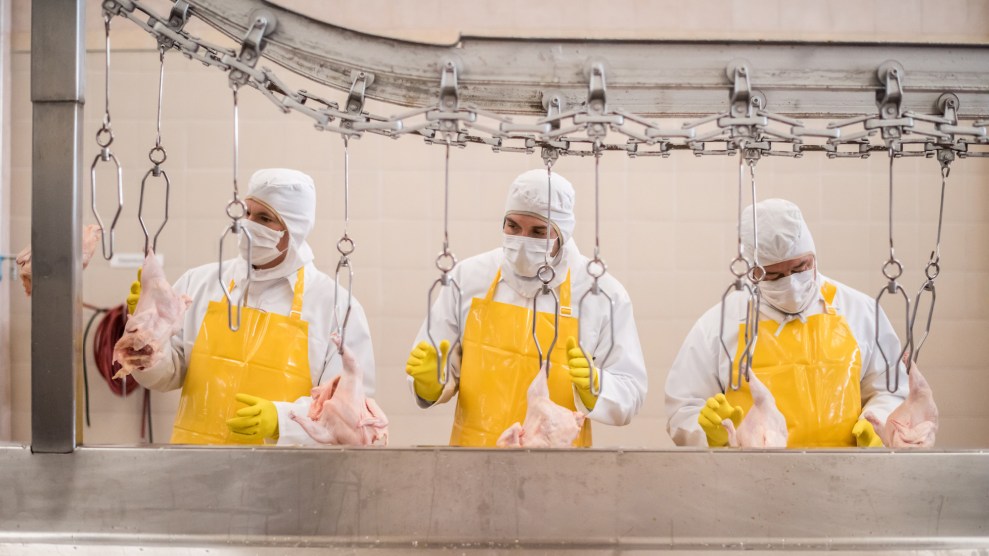
These days, you can find faux beef at just about any national fast-food chain and supermarket meat case. Already wildly hyped in 2019, tech-backed burger analogues got a boost from the pandemic. As COVID-19 roared through meatpacking plants, sickening and killing workers and triggering shutdowns that briefly caused real-meat shortages, consumers loaded up on Impossible Burgers and various competing products. More recently, faux bird has landed, too: Walmart now peddles house-brand vegan “chick’n patties,” and KFC is trialing not-chicken nuggets developed by Beyond Meat. 

But here’s a question: When will all this plant-based “meat” consumption start to curtail the US appetite for the real stuff? Americans lead the globe in carnivory, and the great bulk of our meat supply comes from massive confinement operations that spew greenhouse gases, pollute air in other ways, and foul water. Venture capital darlings like Impossible Foods may claim their ground legume patties—tweaked to look and taste like flesh—hold the key to enticing consumers to cut back.

But so far, there’s no sign of it.

The US Department of Agriculture just released 2020 numbers on meat consumption. For chicken, pork, and even beef—so far, the main target of Silicon Valley disruption—the per capita numbers have crept up since 2016, the year the Manhattan restaurant Momofuku Nishi served the first Impossible Burger. 

Sure, tech-enhanced, hyper-realistic fake meat hasn’t been around long enough for any definitive judgment of its efficacy. Maybe it’ll eventually work. Or maybe Americans are treating the Impossible Burger like an amuse bouche—a palate-tickling prelude to a meaty meal.
BEFORE YOU CLICK AWAY!

December is make or break for us. A full one-third of our annual fundraising comes in this month alone. A strong December means our newsroom is on the beat and reporting at full strength. A weak one means budget cuts and hard choices ahead.

The December 31 deadline is closing in fast. To reach our $400,000 goal, we need readers who’ve never given before to join the ranks of MoJo donors. And we need our steadfast supporters to give again today—any amount.

Managing an independent, nonprofit newsroom is staggeringly hard. There’s no cushion in our budget—no backup revenue, no corporate safety net. We can’t afford to fall short, and we can’t rely on corporations or deep-pocketed interests to fund the fierce, investigative journalism Mother Jones exists to do.

That’s why we need you right now. Please chip in to help close the gap.

BEFORE YOU CLICK AWAY!

December is make or break for us. A full one-third of our annual fundraising comes in this month alone. A strong December means our newsroom is on the beat and reporting at full strength. A weak one means budget cuts and hard choices ahead.

The December 31 deadline is closing in fast. To reach our $400,000 goal, we need readers who’ve never given before to join the ranks of MoJo donors. And we need our steadfast supporters to give again today—any amount.

Managing an independent, nonprofit newsroom is staggeringly hard. There’s no cushion in our budget—no backup revenue, no corporate safety net. We can’t afford to fall short, and we can’t rely on corporations or deep-pocketed interests to fund the fierce, investigative journalism Mother Jones exists to do.

That’s why we need you right now. Please chip in to help close the gap.

We Recommend

Latest

Sign up for our free newsletter

Subscribe to the Mother Jones Daily to have our top stories delivered directly to your inbox.

Get our award-winning magazine

Save big on a full year of investigations, ideas, and insights.

Subscribe

Support our journalism

Help Mother Jones' reporters dig deep with a tax-deductible donation.

Donate