
Ed Kilgore says that it’s not clear yet how much of Donald Trump’s appeal to rural white voters is economic:
We may soon have an answer in rural communities that still largely depend on agriculture for jobs and income. While it did not get much, if any, national attention during the presidential general election, it may soon matter a lot that Trump is largely at odds with the farm lobby when it comes to two of his signature economic policy issues: his opposition to trade agreements and to comprehensive immigration reform. The American Farm Bureau has traditionally viewed trade agreements — particularly those with fast-growing Asian countries — as creating export opportunity for farmers and agribusinesses. It strongly supported the Trans-Pacific Partnership agreement that Trump (and eventually Clinton) opposed. And it
has also favored comprehensive immigration reform in order to stabilize the farm-labor supply and protect undocumented migrant farm workers.
I’m not buying it. First off, take a look at the chart on the right—and pay special attention to the units on the vertical axis. It comes from the International Trade Commission’s report on the “likely impact” of TPP. In the agricultural sector, it’s minuscule. By ditching the TPP, farm employment will lose a benefit of 0.031 percent per year. That amounts to maybe a hundred workers each in the biggest Midwest agricultural states.
You wouldn’t notice this if you lost that many jobs, let alone merely failed to gain them. And that’s assuming that Trump kills TPP in the first place, rather than renegotiating a few bits and pieces and then declaring victory. Either way, it’s just not big enough for any of his supporters to notice.
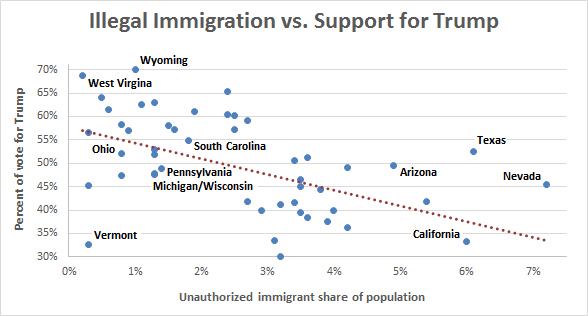
As for migrant farm workers, the business community has been in favor of comprehensive immigration reform forever. Likewise, the base of the Republican Party has been against it forever. There’s nothing new here, and nothing that’s likely to split Trump’s coalition.
 good on his promise to make their lives better. Here’s my top ten list of things to watch:
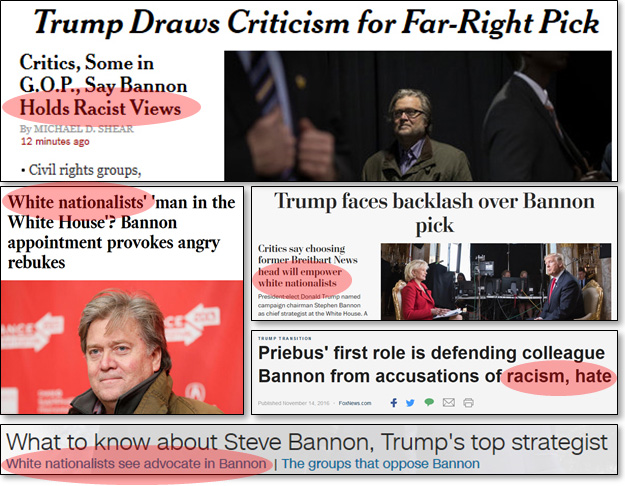
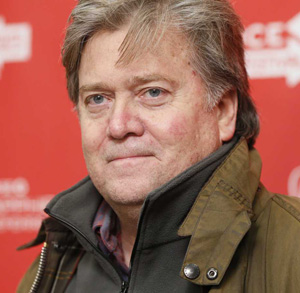 Unsurprisingly, Donald Trump chose Steve Bannon, his campaign chairman, to be his “chief strategist” in the White House. No one knows quite what that means, but at the very least it means he’ll have the ear of the president for the next year.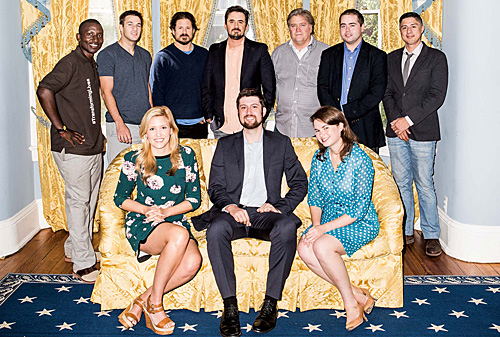
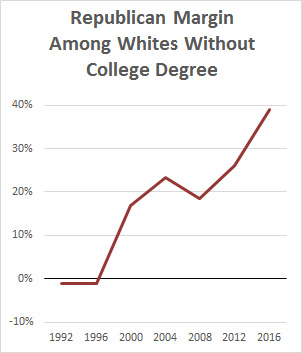 year was pretty big, and it appears to have been especially pronounced in several swing states in the upper Midwest. So it’s hardly unfair to suggest that Democrats need to do more to reach out to rural, blue-collar whites.
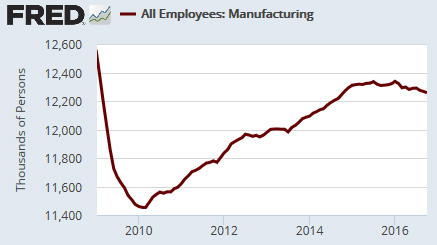
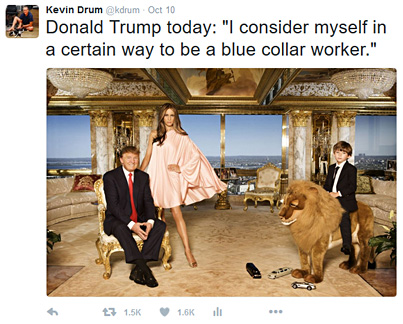 to do most of the stuff he talked about, and the rest of it is unlikely to help struggling blue-collar workers anyway. J.D. Vance, author of Hillbilly Elegy: A Memoir of a Family and Culture in Crisis, says most
 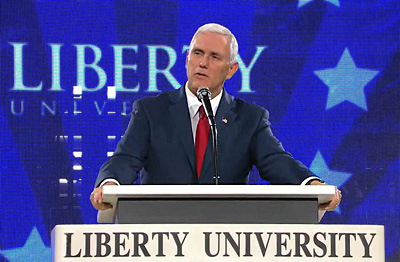 a slightly calming role. Pence is nothing of the sort. He’s a stone right winger who will be perfectly happy to put the Heritage Foundation in control of the country.



