The Secret City of Vivian Maier

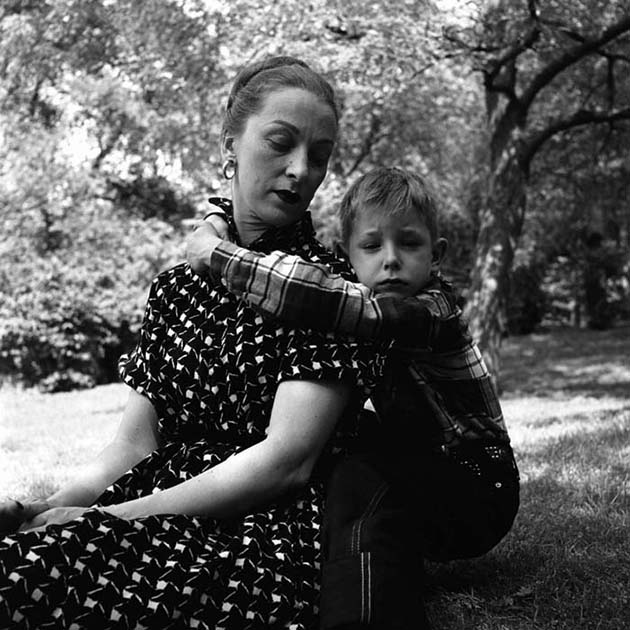
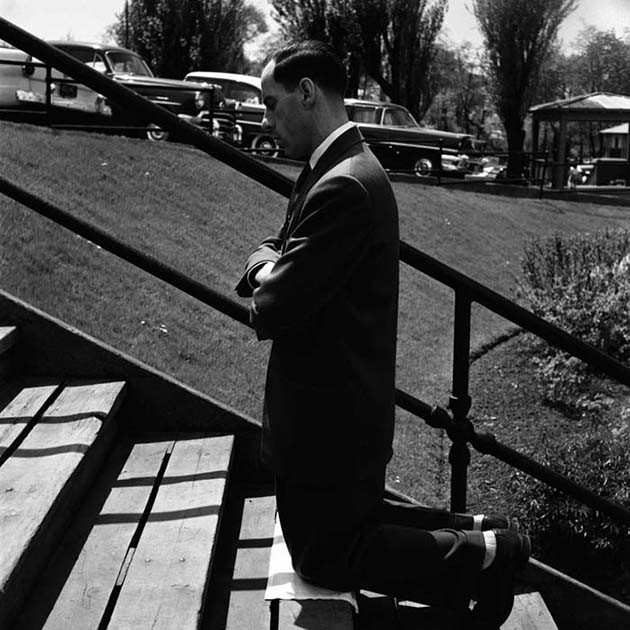
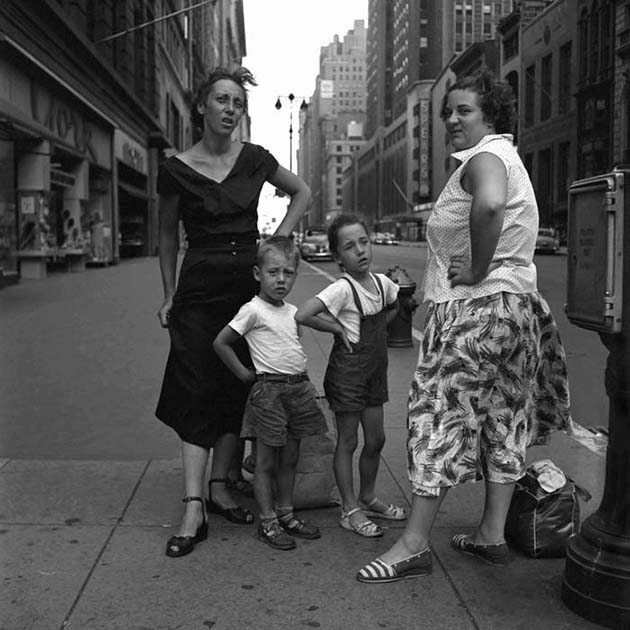
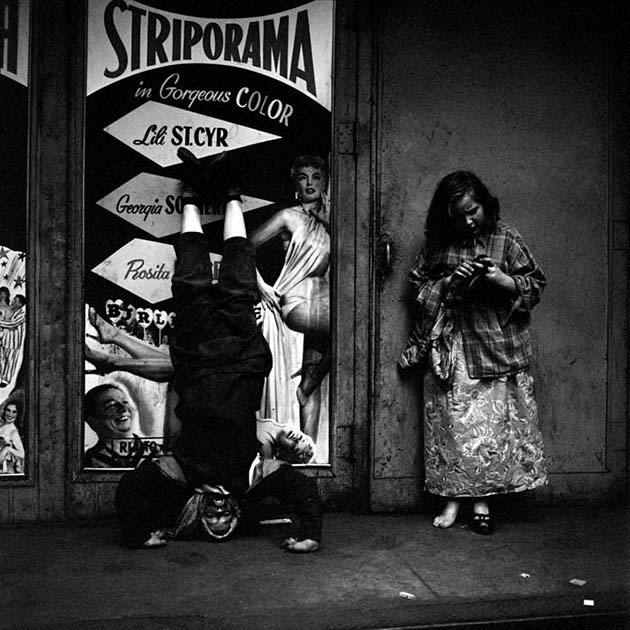
Photos from one of America’s greatest unknown street photographers.


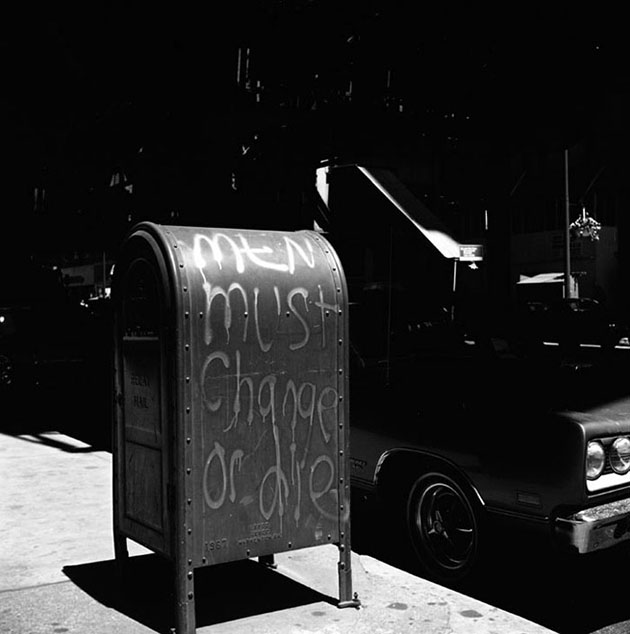
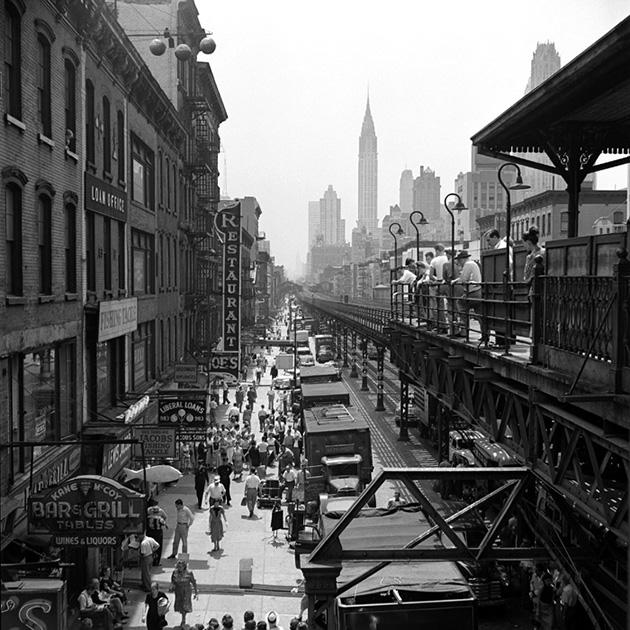
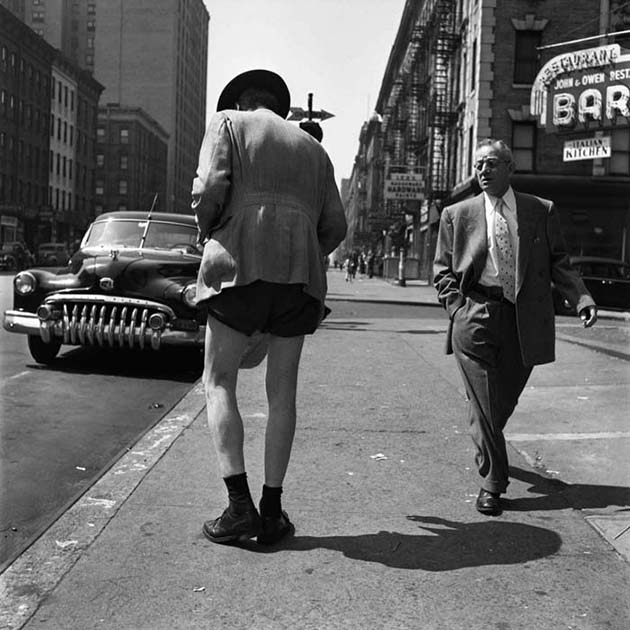
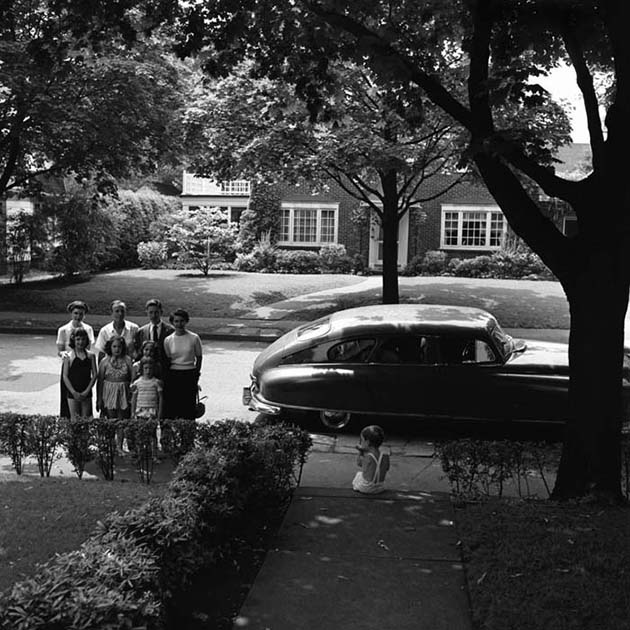
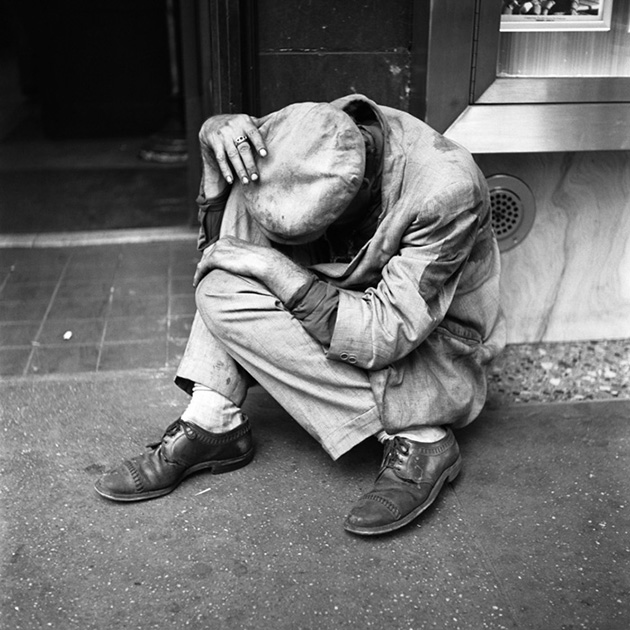
In the winter of 2007, John Maloof, a 26-year-old Chicago realtor, stumbled upon a box of negatives at an auction house. He paid $400, hoping it might hold some vintage photos of his neighborhood. He stuffed the box in a closet. There the images sat for a couple of months, until he had time to scan a few into his computer. “Little by little I realized how good they were,” he told me. In the end, he collected more than 100,000 negatives, including a few thousand rolls of film. In one of the boxes, he eventually found an envelope with the name Vivian Maier scrawled on it. He googled her name and found a Chicago Tribune obituary. She had died a few days earlier. She was 83.

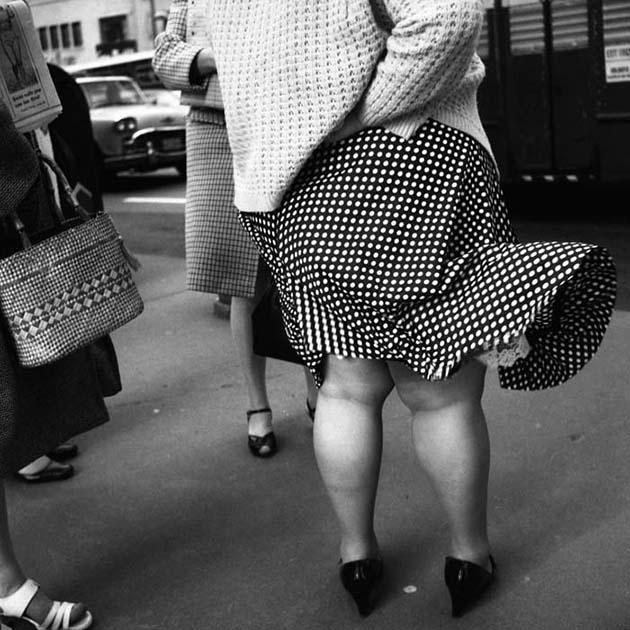
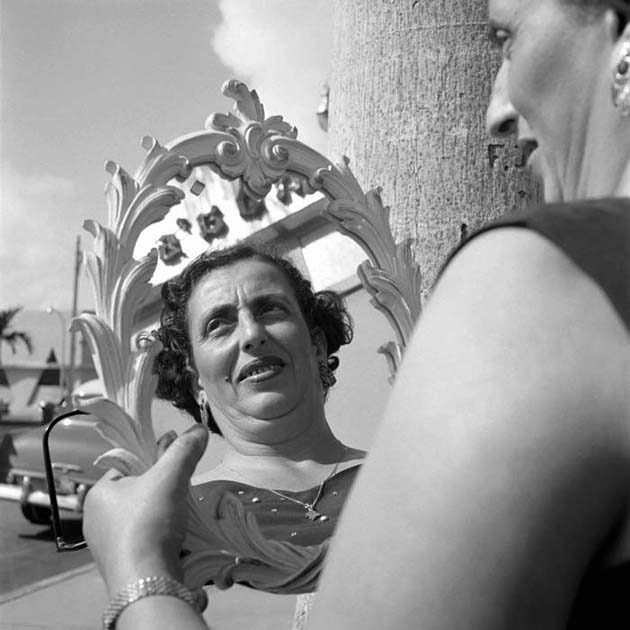
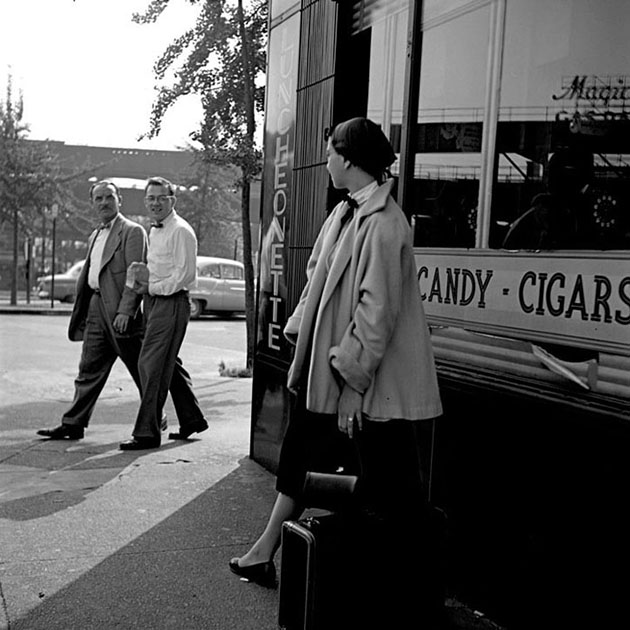
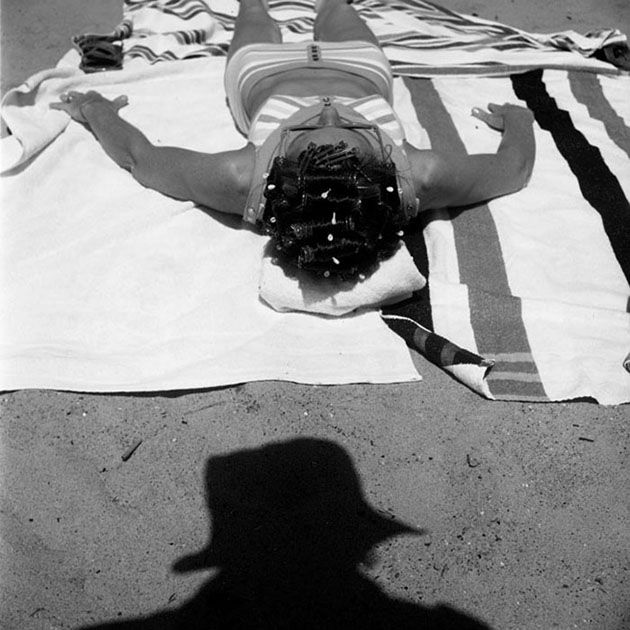
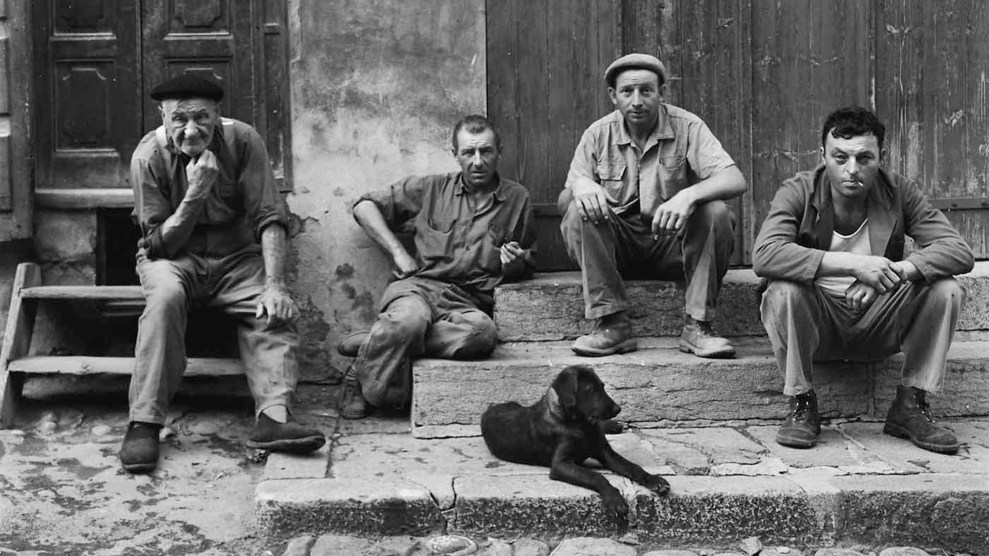
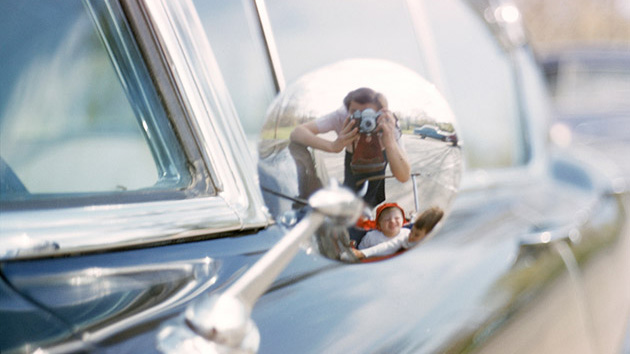
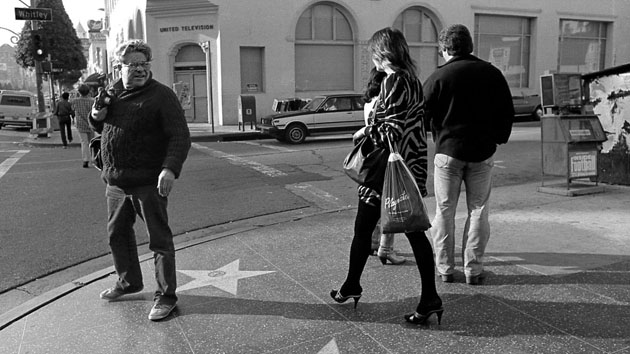
It’s impossible to take stock of Vivian Maier’s photos without taking stock of her story. She was by all accounts remarkably private, someone who didn’t always enjoy the company of other adults. And yet her photographs feel like a celebration of people—a celebration of what Studs Terkel, the late grand oral historian, liked to call “the etceteras” of the world. (One photography scholar I spoke with suggested Terkel and Maier would have made a formidable pair, like James Agee and Walker Evans.)

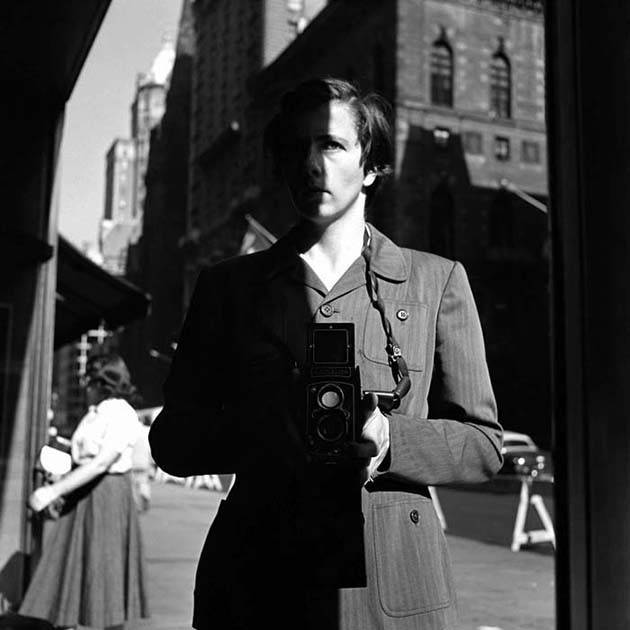
Her subjects are often caught looking directly at the camera, apparently making eye contact with Maier, but she used a Rolleiflex, a box-shaped camera that requires the photographer to look downwards through the viewfinder. In other words, as it turns out, Maier didn’t need to directly engage with her subjects, and many undoubtedly were unaware that she was, in fact, memorializing their images. Each feels like the beginning of a short story, a bit mysterious, not unlike Maier herself.
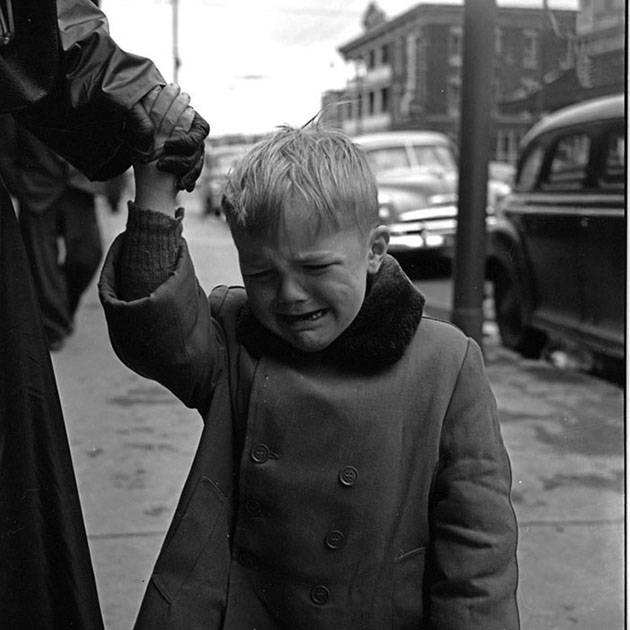


Read more about Vivian Maier and how John Maloof discovered her photos.
DECEMBER IS MAKE OR BREAK

A full one-third of our annual fundraising comes in this month alone. That’s risky, because a strong December means our newsroom is on the beat and reporting at full strength—but a weak one means budget cuts and hard choices ahead.

The December 31 deadline is closing in fast. To reach our $400,000 goal, we need readers who’ve never given before to join the ranks of MoJo donors. And we need our steadfast supporters to give again—any amount today.

Managing an independent, nonprofit newsroom is staggeringly hard. There’s no cushion in our budget—no backup revenue, no corporate safety net. We can’t afford to fall short, and we can’t rely on corporations or deep-pocketed interests to fund the fierce, investigative journalism Mother Jones exists to do.

That’s why we need you right now. Please chip in to help close the gap.

DECEMBER IS MAKE OR BREAK

A full one-third of our annual fundraising comes in this month alone. That’s risky, because a strong December means our newsroom is on the beat and reporting at full strength—but a weak one means budget cuts and hard choices ahead.

The December 31 deadline is closing in fast. To reach our $400,000 goal, we need readers who’ve never given before to join the ranks of MoJo donors. And we need our steadfast supporters to give again—any amount today.

Managing an independent, nonprofit newsroom is staggeringly hard. There’s no cushion in our budget—no backup revenue, no corporate safety net. We can’t afford to fall short, and we can’t rely on corporations or deep-pocketed interests to fund the fierce, investigative journalism Mother Jones exists to do.

That’s why we need you right now. Please chip in to help close the gap.

We Recommend

Latest

Sign up for our free newsletter

Subscribe to the Mother Jones Daily to have our top stories delivered directly to your inbox.

Get our award-winning magazine

Save big on a full year of investigations, ideas, and insights.

Subscribe

Support our journalism

Help Mother Jones' reporters dig deep with a tax-deductible donation.

Donate