Study: Fad Diets Work (But Not Why You Think)

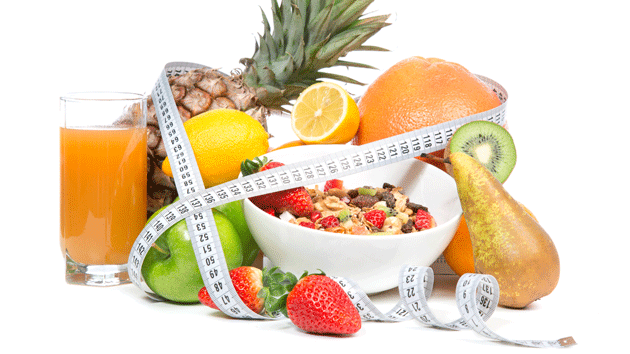
<span><a href="http://www.shutterstock.com/pic-129447068/stock-photo-diet-weight-loss-breakfast-concept-with-tape-measure-organic-green-apple-cereal-bowl-orange-juice.html?src=8EFunX7plPedZ9ejJ5wxaA-1-6" target="_blank">Dmitry Lobanov</a>/Shutterstock</span>

Get your news from a source that’s not owned and controlled by oligarchs. Sign up for the free Mother Jones Daily.


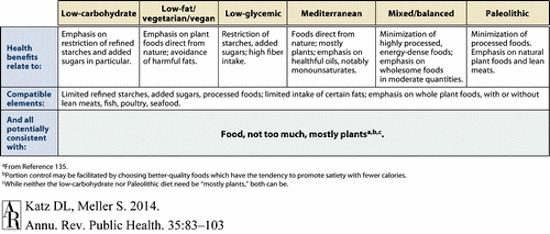
What’s the best diet to follow to get healthy—should you go Paleo, low glycemic, low-carb, Mediterranean, or low-fat? For a paper released last month in the Annual Review of Public Health, Yale medical researchers David Katz and Samuel Meller surveyed the scientific evidence and decided … all of the above. Specifically, they found that all of these fad diets can be consistent with these basic principles:

The weight of evidence strongly supports a theme of healthful eating while allowing for variations on that theme. A diet of minimally processed foods close to nature, predominantly plants, is decisively associated with health promotion and disease prevention and is consistent with the salient components of seemingly distinct dietary approaches. [Emphasis added.]

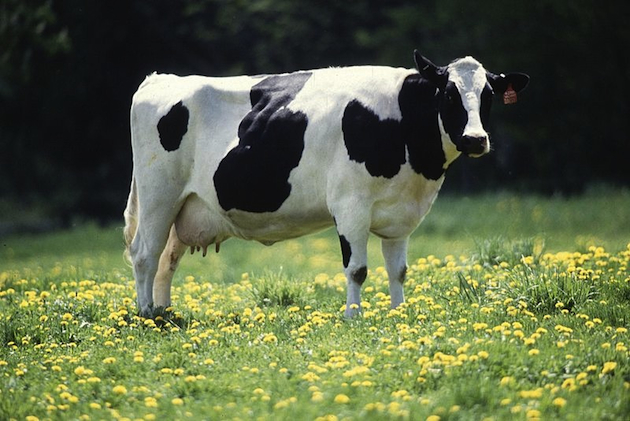
But what about the Paleo diet, which encourages meat eating? The authors conclude the “aggregation of evidence” supports meat eating, as long as the “animal foods are themselves the products, directly or ultimately, of pure plant foods—the composition of animal flesh and milk is as much influenced by diet as we are.” That’s entirely consistent with the Paleo push for meat from pasture-raised animals, and brought to mind a study I wrote about late last year finding that cows fed on grass deliver milk with healthier fat profile than their industrially raised peers.

The Yale paper essentially cuts through the hype of various fad diets and affirms the koan-like advice put forward by author Michael Pollan in his 2008 book In Defense of Food: “Eat food. Not too much. Mostly plants.” In fact, the authors reference Pollan directly in the chart that summarizes their findings:


DECEMBER IS MAKE OR BREAK

A full one-third of our annual fundraising comes in this month alone. That’s risky, because a strong December means our newsroom is on the beat and reporting at full strength—but a weak one means budget cuts and hard choices ahead.

With only days left until December 31, we've raised about half of our $400,000 goal—but we need a huge surge in reader support to close the remaining gap. Whether you've given before or this is your first time, your contribution right now matters.

Managing an independent, nonprofit newsroom is staggeringly hard. There’s no cushion in our budget—no backup revenue, no corporate safety net. We can’t afford to fall short, and we can’t rely on corporations or deep-pocketed interests to fund the fierce, investigative journalism Mother Jones exists to do. That’s why we need you right now. Please chip in to help close the gap.

DECEMBER IS MAKE OR BREAK

A full one-third of our annual fundraising comes in this month alone. That’s risky, because a strong December means our newsroom is on the beat and reporting at full strength—but a weak one means budget cuts and hard choices ahead.

With only days left until December 31, we've raised about half of our $400,000 goal—but we need a huge surge in reader support to close the remaining gap. Whether you've given before or this is your first time, your contribution right now matters.

Managing an independent, nonprofit newsroom is staggeringly hard. There’s no cushion in our budget—no backup revenue, no corporate safety net. We can’t afford to fall short, and we can’t rely on corporations or deep-pocketed interests to fund the fierce, investigative journalism Mother Jones exists to do. That’s why we need you right now. Please chip in to help close the gap.

We Recommend

Latest

Sign up for our free newsletter

Subscribe to the Mother Jones Daily to have our top stories delivered directly to your inbox.

Get our award-winning magazine

Save big on a full year of investigations, ideas, and insights.

Subscribe

Support our journalism

Help Mother Jones' reporters dig deep with a tax-deductible donation.

Donate