On Thursday President Trump announced a new 5 percent tariff on all goods coming from Mexico—nearly all of which will be paid by consumers in the form of higher prices. A new car imported from Mexico, for example, will cost $1-2,000 extra. Altogether, we’ll import nearly $400 billion from Mexico this year, so the tariff will amount to about $20 billion, or $200 per family.
But it’s a regressive tax and it’s mostly invisible, so I guess Republicans are OK with it.
Yair Ghitza at Catalist has a detailed look at the 2018 election that’s been updated with lots of new data. One of the things he looks at is the long-running question of how important turnout is compared to changing minds. Here’s how it penciled out in 2018:
Turnout: 37 million dropped off the rolls compared to 2016, reducing the Democratic margin by 2.0 percentage points. However, there were 14 million new voters who increased the Democratic margin by 2.6 percent.
Changing minds: 99 million people voted in both elections, providing Democrats with an increased margin of 4.5 percent.
One way of looking at this is that the net result of turnout changes was 0.6 percent, while the net result of changed voting was 4.5 percent. Thanks to rounding, this adds up to an increased Democratic margin of 5.0 percentage points. Of this, nine-tenths was due to changing minds.
This hardly means that turnout isn’t important, but it does suggest that in 2018, at least, the biggest factor by far was disappointment with Donald Trump, leading many of his supporters to switch their vote to Democratic candidates. Or it might mean that Trump has no coattails: his fans still like him, but that doesn’t always translate into voting for Republicans.
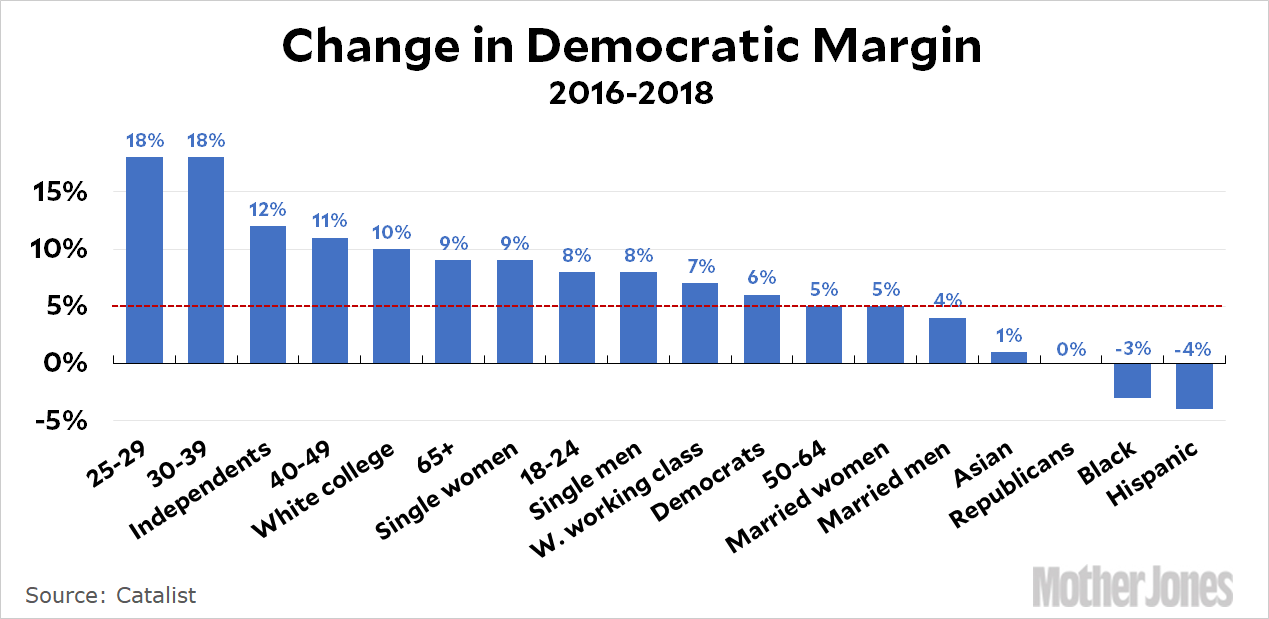
Ghitza also has a demographic look at the 2018 election, which I always find fascinating. The overall Democratic margin increased by 5 percent, so the most interesting question is: which groups increased their Democratic support by more than 5 percent, and which by less? Here’s the answer:
The biggest changes came among the middle-ish age groups (25-49), independents, and whites with college degrees.
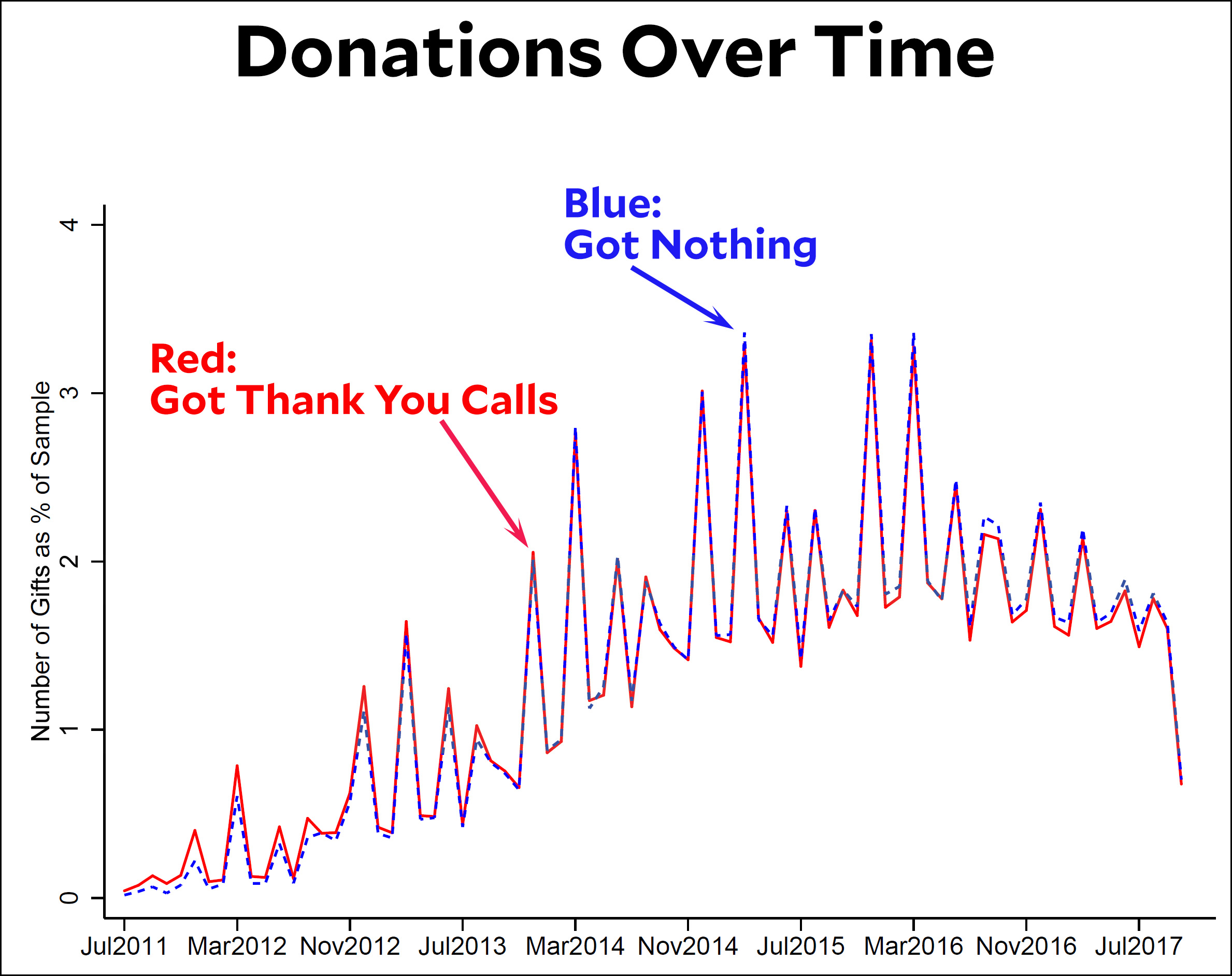
Via Tyler Cowen, here’s a study that apparently surprised the experts but doesn’t surprise me at all. The researchers ran a 6-year experiment involving hundreds of thousands of people to see how they responded when nonprofits called to thank them for donating. Here are the results:
Zip. Zero. Nada. This is not the usual “failed to reject the null hypothesis” folderol, it’s bulletproof evidence that the effect is literally null. It just doesn’t matter if you call to thank somebody for donating.
Why am I not surprised? Two reasons. First, I’m a cranky misanthrope and I actively dislike getting pointless phone calls that interrupt me. I’m less likely to donate to you if I think it will result in my being bothered about it later.
But put that aside. It’s just me. The second reason I’m not surprised is that I think people understand perfectly well when something is sincere and when it’s not. Getting a thank you call from your local PBS affiliate is obviously not sincere, it’s just an assignment handed out to volunteers because the suits think it will increase donations. What’s more, if you don’t get a thank you call you don’t even notice it since you probably weren’t expecting one.
Bottom line: save your money and your volunteers’ time and use it for something better. Unless your target audience is rich people, of course, who apparently have to be handled like a Ming vase.¹ But for them, a mere thank you call would be insulting, so I guess you can skip it for everyone after all.
This is the the Tanbark Ridge tunnel, a few miles north of Asheville on the Blue Ridge Parkway. Via the magic of Photoshop, a car on the left and a car on the right have been disappeared, leaving only the pristine loveliness of nature for your lunchtime relaxation.
May 9, 2019 — Near Asheville on the Blue Ridge Parkway, North Carolina
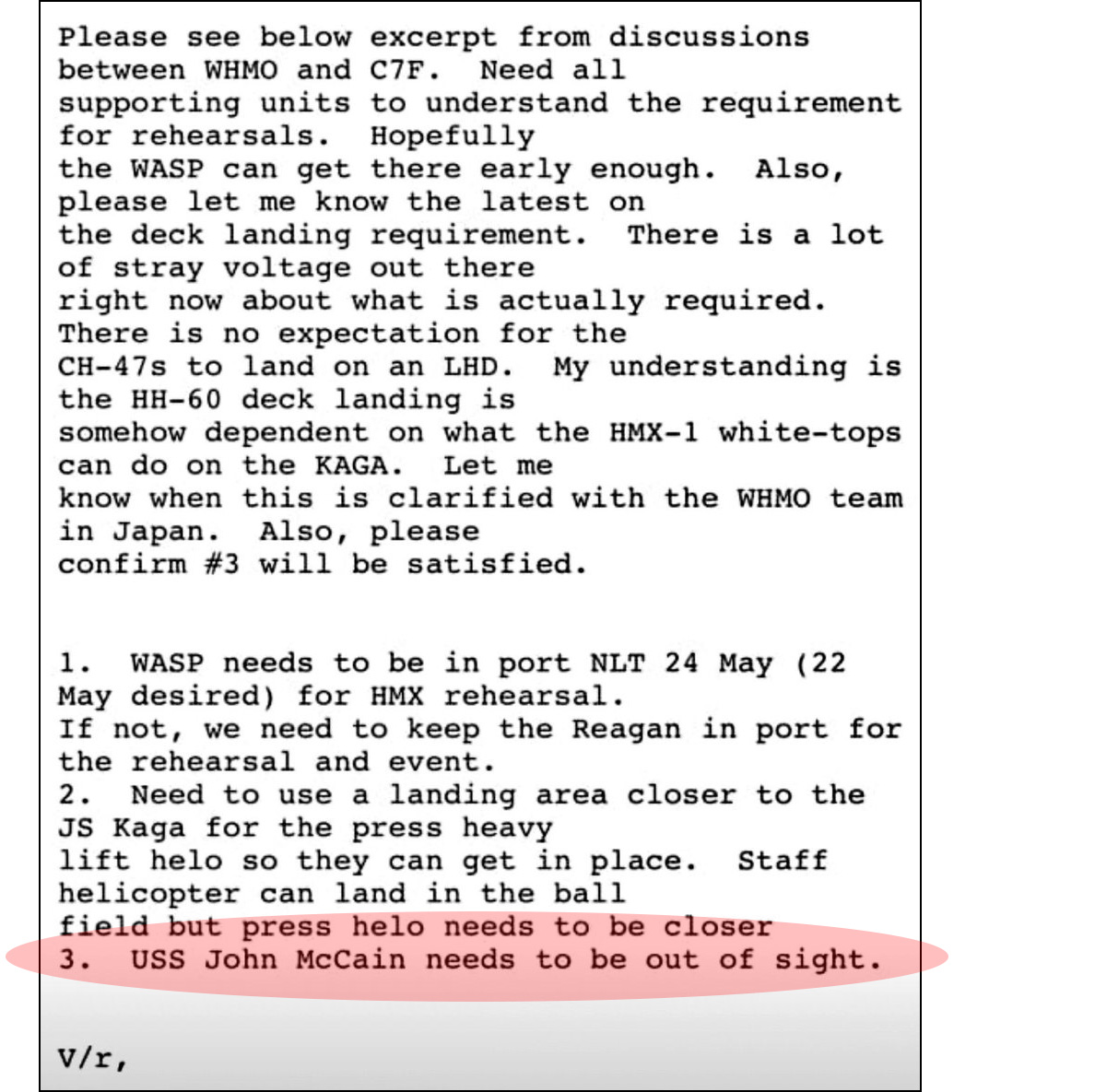
Here’s the fabled email instructing the Navy to keep the USS McCain out of sight during President Trump’s visit to Japan:
President Trump says he knew nothing about this. The secretary of defense says he knew nothing about it either. I believe them. This was cooked up by Trump aides in the White House who were worried that Trump might have a meltdown if saw the McCain in port.
Just think about that. Trump’s staff lives in such terror of their man-child that they were afraid he might explode during a military review if he happened to catch sight of the words “USS John McCain” on the side of a naval vessel. Ladies and gentlemen, this is your commander-in-chief.
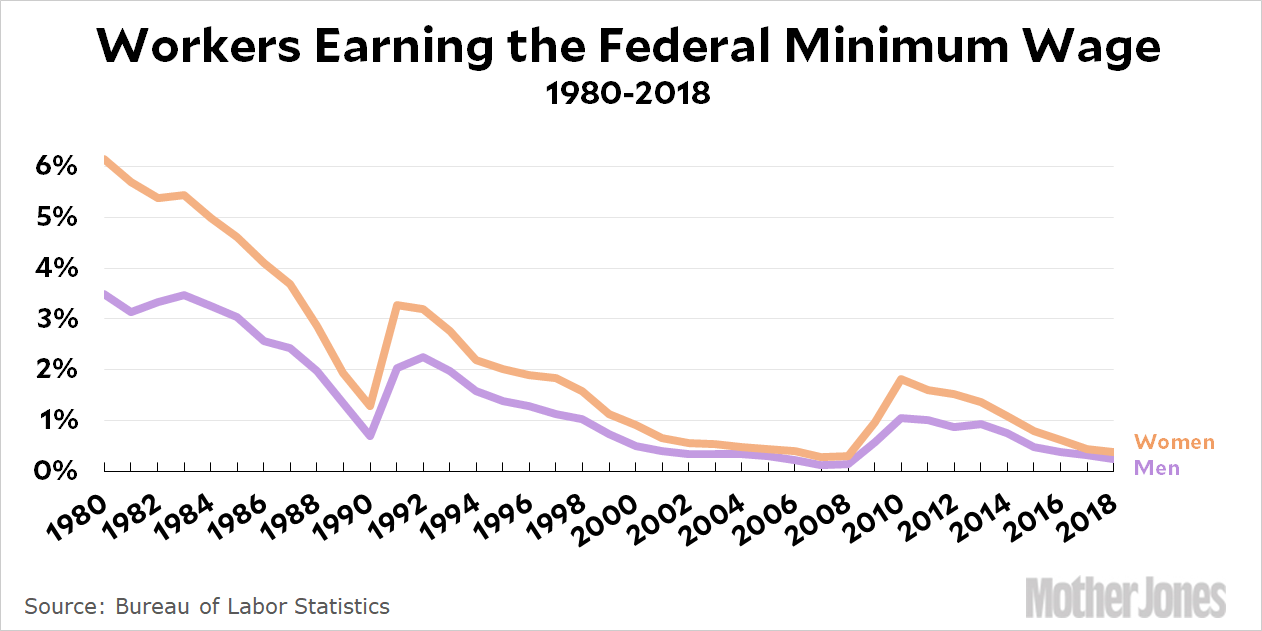
I was diddling around with some other stuff and couldn’t find what I wanted, but in the process I ran across this:
The federal minimum wage has declined so much that it barely even matters anymore. Even at the height of the Great Recession, only 1 percent of employed men and 2 percent of employed women worked for the minimum wage. Today the figures are 0.23 percent and 0.37 percent.
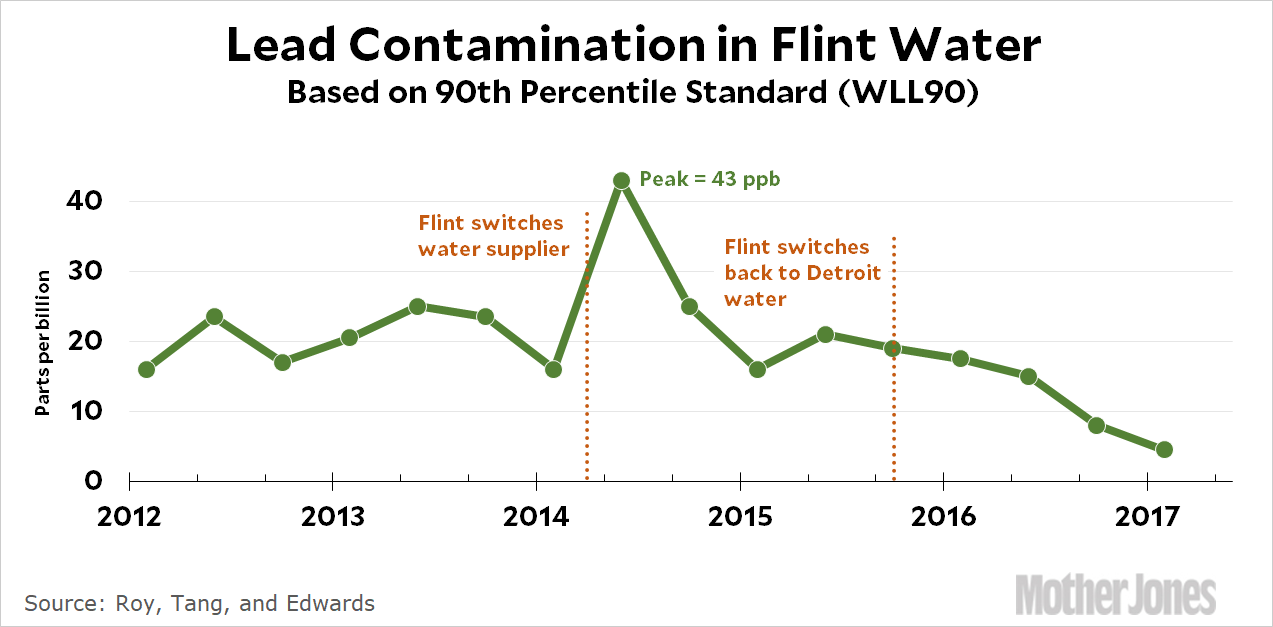
Marc Edwards and his team at Virginia Tech have published a new paper that uses a clever way of calculating lead levels in the Flint water supply over the past five years. It turns out that sewage sludge is tested for metal content monthly, and it also turns out that the metal content of the sludge is closely correlated with the metal content of the system’s water supply. This makes it a fairly simple exercise to convert the lead content of the sludge into lead levels in the water. Here are the results:
Each dot represents four months, with the switch to Flint River water coming in April 2014.¹ The spike in water lead came very quickly after that, but lasted only a short time. By October 2014 lead contamination in drinking water was back to its normal, pre-switch level, and by mid-2016 had dropped below the EPA “action level” of 15 ppb. By the beginning of 2017, Flint water was probably cleaner than the majority of municipal water systems in the US.
There’s good news and bad news here. The bad news is that Flint’s baseline level of lead was around 20 ppb before the crisis, and this is too high. The good news is that Flint water spent only a few months at an extreme level before returning to its baseline, and then declined even further as filters were widely installed. This means that Flint children were exposed to extreme lead levels for only a short time and probably weren’t seriously affected, which in turn should reduce stress levels among Flint parents about how much the lead crisis affected their kids.
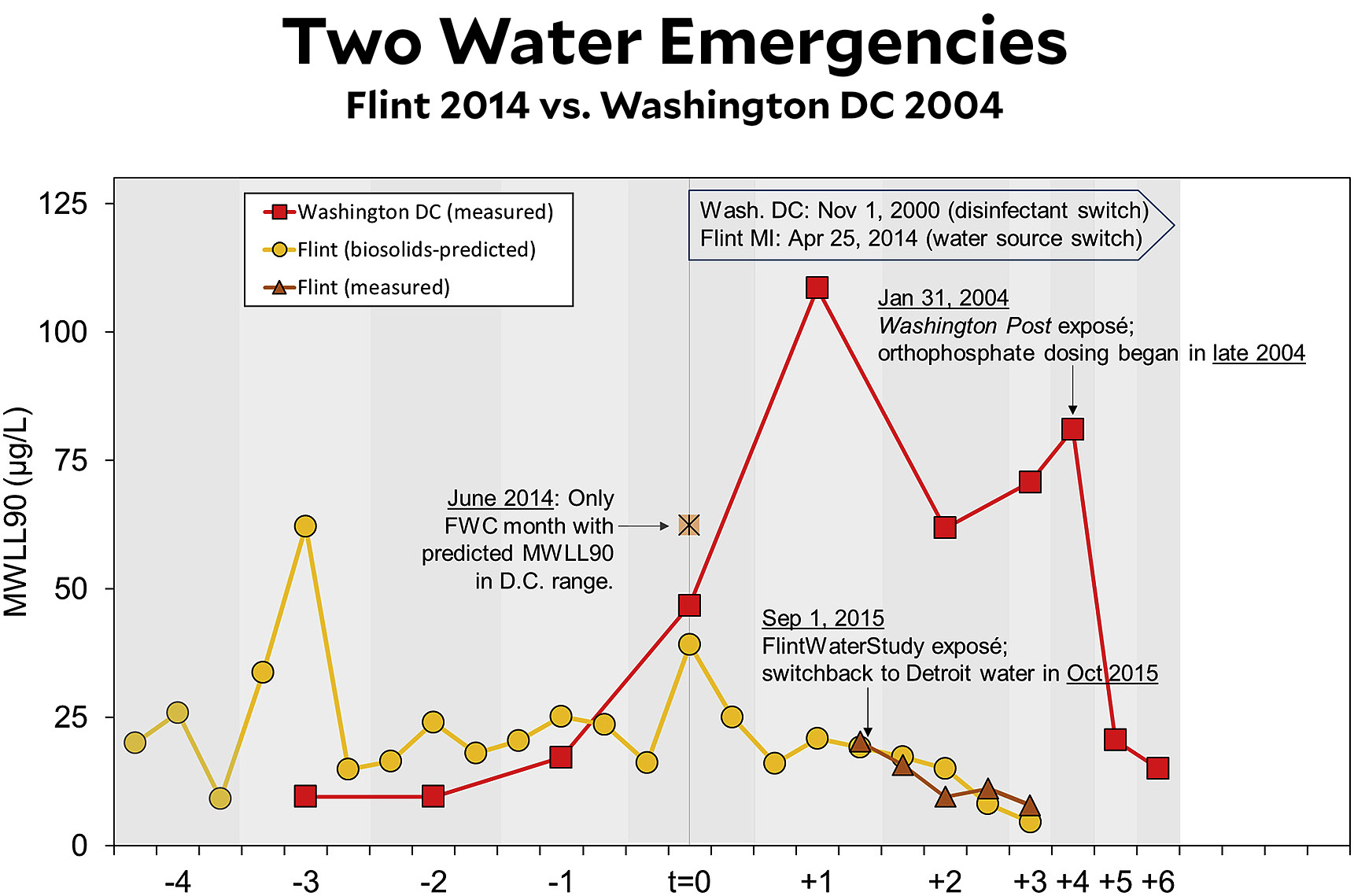
In addition to the basic results for Flint water, the new paper also has an interesting comparison with another lead crisis. Here’s the original chart from the paper:
There are two interesting things here. First, Flint appears to have suffered a lead crisis in 2011 even worse than the one in 2014—but nobody knew about it. It was only the sludge testing that revealed it. Second, Washington DC suffered a much worse lead crisis 20 years ago: as the chart shows, starting in 2000 DC’s water supply was contaminated at far higher levels than Flint, and the contamination lasted for four full years. This is enough to cause serious developmental damage in a 3-4 year cohort of DC children. The sludge analysis is a powerful tool that finally allows us to see just how serious it was compared to Flint, and yet somehow Flint became a viral sensation while the DC lead crisis is largely forgotten. Go figure.
¹Technical note: The first dot represents the period December 2013-March 2014. The sludge calculation is designed to produce a lead level that represents the mean of first draw, second draw, and third draw water. The 90th percentile standard means that 90 percent of lead measurements fell below the value on the chart.
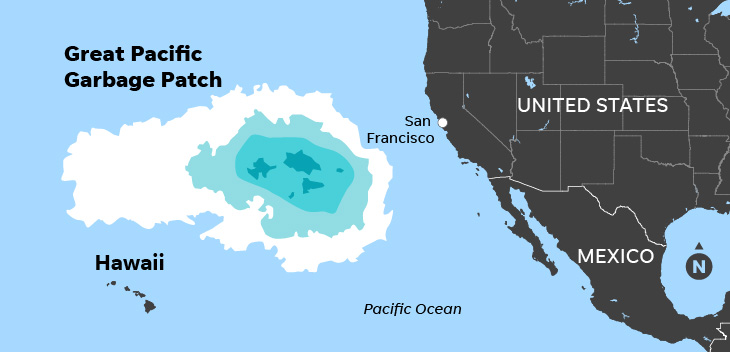
Those small shampoo and conditioner bottles, popular with travelers but unpopular with anti-plastics advocates, would be banned in California hotels under a bill that cleared the state Assembly on Wednesday.
I’m not sure why I hate performative crap like this so much, but I do. Hotel shampoo bottles probably make up something like 0.001 percent of all the plastic used in California, but banning them doesn’t annoy anyone who votes, so I suppose this was a no-brainer. If legislators were actually serious about reducing plastic waste, they’d skip the shampoo ban and go straight to supporting AB1080:
New legislation announced [in February] would require plastic and other single-use materials sold in California to be either reusable, fully recyclable or compostable by 2030. The measure would also require the state to recycle or otherwise divert from landfills 75% of single-use plastic packaging and products sold or distributed in California, up from the 44% of all solid waste that was diverted as of 2017.
“We have to stop treating our oceans and planet like a dumpster,” said Assemblywoman Lorena Gonzalez (D-San Diego), an author of the proposal. “Any fifth-grader can tell you that our addiction to single-use plastics is killing our ecosystems.”
The law, which was supported by 560 Members of the European Parliament against 35 on Wednesday, stipulates that 10 single-use plastic items will be banned in order to curb ocean pollution. MEPs also agreed a target to collect and recycle 90% of beverage bottles by 2029.
….The new plans come after the EC found that plastics make up more than 80% of marine litter, which has disastrous effects on wildlife and habitats. The EU parliament notes that because of its slow rate of decomposition, plastic residue has been found in marine species as well as fish and shellfish — and therefore also makes its way into the human food chain.
This law passed 560-35! Here in the United States, the greenest state in the nation could just barely pass a ban on hotel shampoo bottles. What the hell is wrong with us?
Who came up with the bright idea to add a citizenship question to the 2020 census, anyway? It turns out the answer is Thomas Hofeller, the “Michelangelo of gerrymandering,” who died last year. His daughter discovered the origin of the citizenship question in emails on his hard drive:
Files on those drives showed that he wrote a study in 2015 concluding that adding a citizenship question to the census would allow Republicans to draft even more extreme gerrymandered maps to stymie Democrats. And months after urging President Trump’s transition team to tack the question onto the census, he wrote the key portion of a draft Justice Department letter claiming the question was needed to enforce the 1965 Voting Rights Act — the rationale the administration later used to justify its decision.
Those documents, cited in a federal court filing Thursday by opponents seeking to block the citizenship question, have emerged only weeks before the Supreme Court is expected to rule on the legality of the citizenship question. Critics say adding the question would deter many immigrants from being counted and shift political power to Republican areas.
It was always obvious that the Trump administration couldn’t have cared less about enforcing the Voting Rights Act, and it must have tickled them to use that as an excuse to restrict the voting rights of people of color. They’re just a barrel of laughs, those Trumpies.
And we respect that! But maybe you’re of a mind to support our work directly instead? We have until December 31 to raise the last $400,000 we need to keep our nonprofit newsroom running at full strength into 2026. Will you make a gift today?
We noticed you have an ad blocker on. Can you pitch in a few bucks to help fund Mother Jones' investigative journalism?
Billionaires own the media,
but they don’t own us.
At Mother Jones we know these aren’t conventional times, and they require unconventional coverage. That’s what deliver every day: fierce, independent journalism you can’t find elsewhere. Perhaps never in the history of our country has that been more necessary than now. But we can’t do it without reader support—your support. Please chip in today.
Billionaires own the media,
but they don’t own us.
At Mother Jones we know these aren’t conventional times, and they require unconventional coverage. That’s what deliver every day: fierce, independent journalism you can’t find elsewhere. Perhaps never in the history of our country has that been more necessary than now. But we can’t do it without reader support—your support. Please chip in today.