• The Bezos Affair Gets Even Weirder

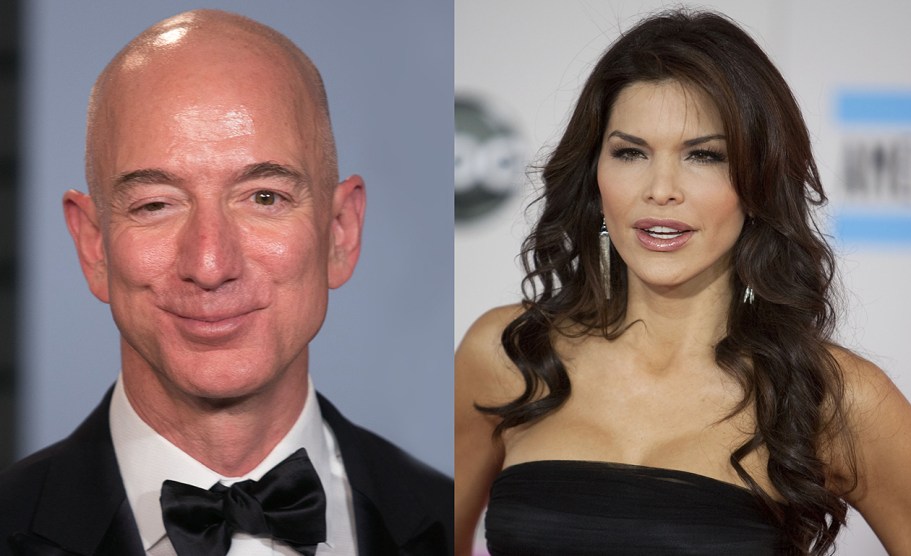
    Jeff Bezos and Lauren Sanchez.Prensa Internacional via Zuma

    This is not ordinarily a gossip site, but damn. The story we’ve heard so far about Amazon gazillionaire Jeff Bezos is that he sent a bunch of, um, below-the-belt selfies to his girlfriend Lauren Sanchez, and then they were stolen and turned over to the National Enquirer, which tried to blackmail Bezos over them. The thief was Michael Sanchez, Lauren’s brother.

    What an asshole! He did this to his own sister! But wait. Gabe Sherman has an interview with Michael Sanchez today, and he doesn’t merely deny the allegations, he claims to have been Jeff and Lauren’s closest confidant about their affair over the past year:

    “I had nothing to do with leak of the dick pics. That’s the important thing,” Michael told me….“Until I go under oath, what I can tell you now is that ever since April 20, when I met Jeff, my only goal has been to protect Jeff and Lauren.”…Over the last year, he said, he served as an unofficial adviser to the couple as they discussed what would happen if their love affair leaked.

    ….In October, Lauren and Bezos had their first publicity scare when they spotted a paparazzo taking long-lens photos of them from the Santa Monica beach. Then, at dinner at Santa Monica restaurant Capo, Lauren noticed a reporter snapping photos of their table….“We were literally standing on the street with Jeff Bezos and his mistress. I got very protective of him. I said, ‘We need to get you into an Uber,’ ” Michael recalled.

    Two months later, they were outed. On the morning of January 7, Michael was on a Caribbean cruise when he was alerted that the Enquirer had called Bezos and Lauren for comment on their affair. “Lauren and Jeff called me like 911. They were terrified,” Michael recalled….Eventually, according to Michael, they settled on the plan that Michael would fly to New York on January 8 to meet with Enquirer editor Dylan Howard and find out what the tabloid planned to publish. But Bezos seemed to have changed his mind and went on the offensive, retaining powerhouse Los Angeles litigator Marty Singer. Early on the morning of January 9, before Michael met with Howard, Bezos tweeted out that he was divorcing his wife, MacKenzie. “Lauren was blindsided by the tweet,” Michael told me.

    So Michael Sanchez not only denies sending pictures to the Enquirer (he thinks Lauren shared them with girlfriends), he claims to have been their biggest protector. This is either Trump-level lying or else the biggest twist ever to a story like this. And there’s more at the link. You might as well click and read it. You know you want to.
  • Inflation Still Not Ready to Spiral Out of Control

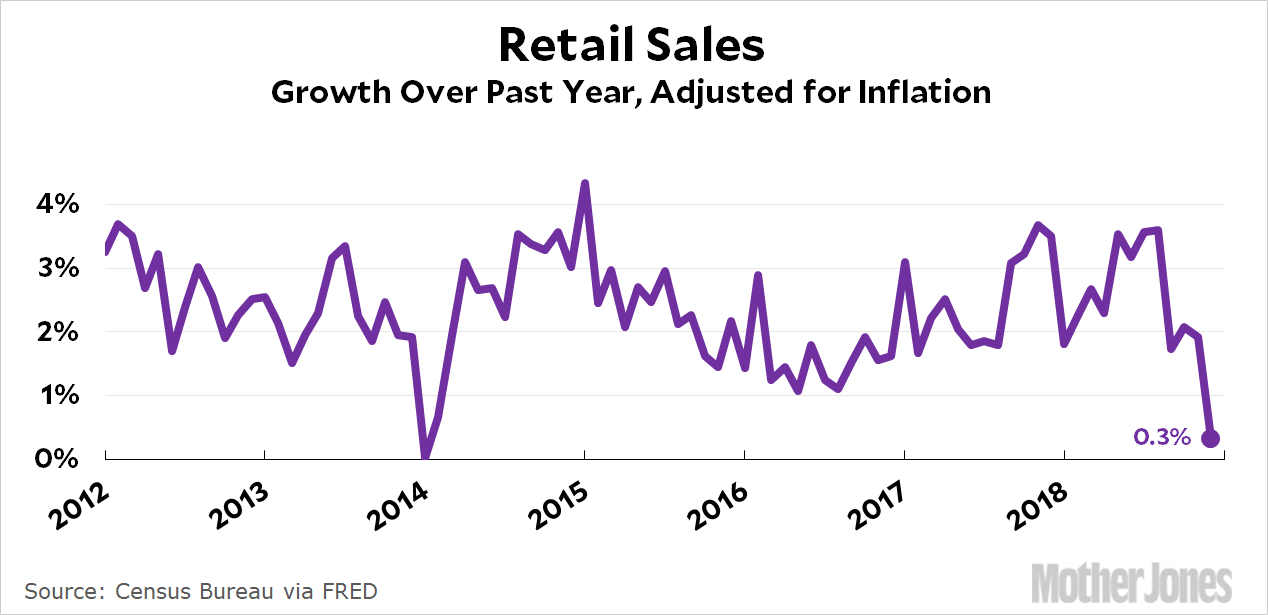
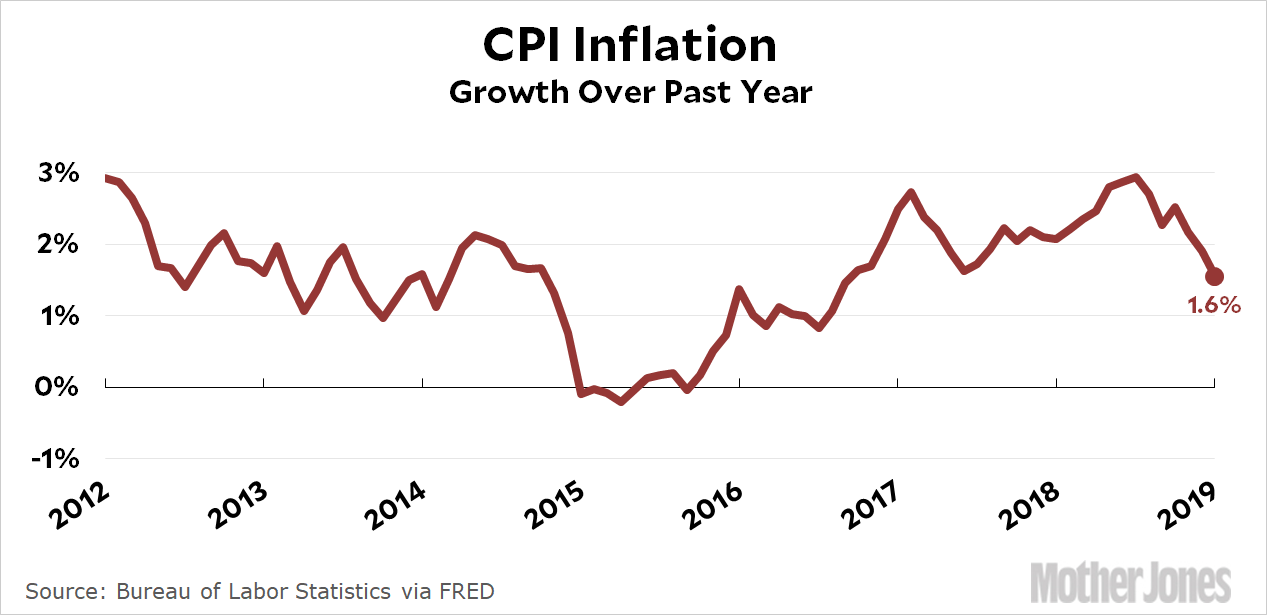
    Nobody cared much about yesterday’s inflation release from the Bureau of Labor Statistics because it didn’t show much of anything new. But that’s no reason to ignore it. Here it is:

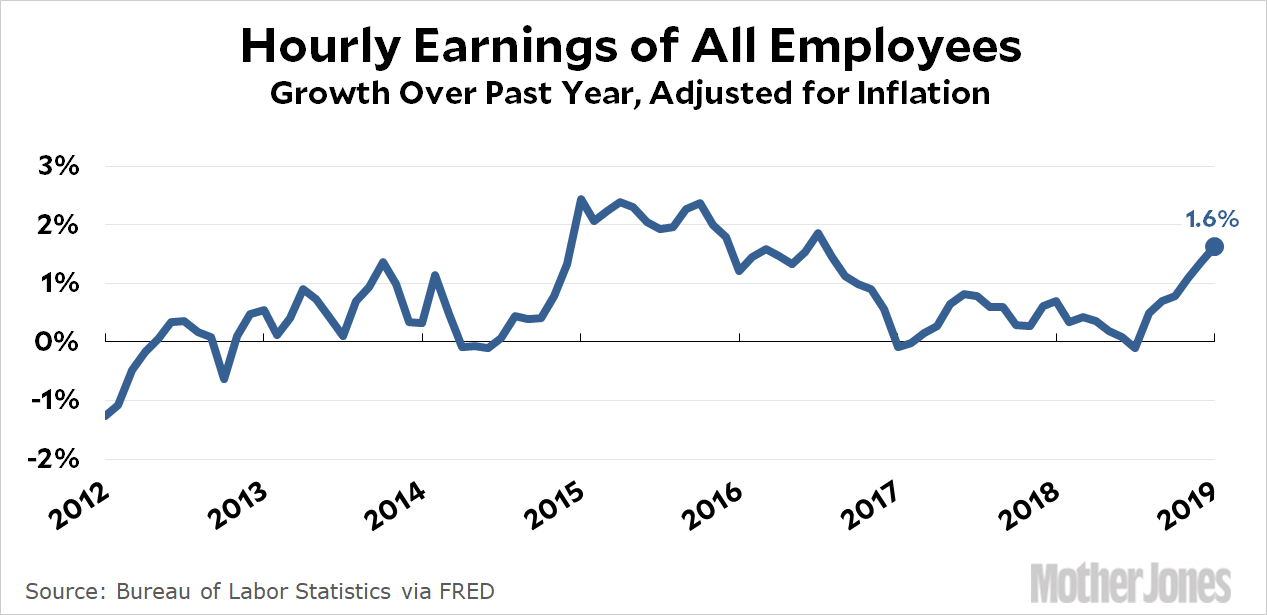
    As you can see, the upward blip at the start of 2018 is long gone, and inflation is now running at a very sedate 1.6 percent. There’s very little reason for the Fed or anyone else to be worried about inflation running out of control at the moment. BLS also released the January numbers for average earnings:

    The average hourly earnings for all American workers clocked in at $27.56 in January. Thanks to low inflation, this translated into a 1.6 percent gain from last year. Not bad.

  • Here’s My Green New Deal

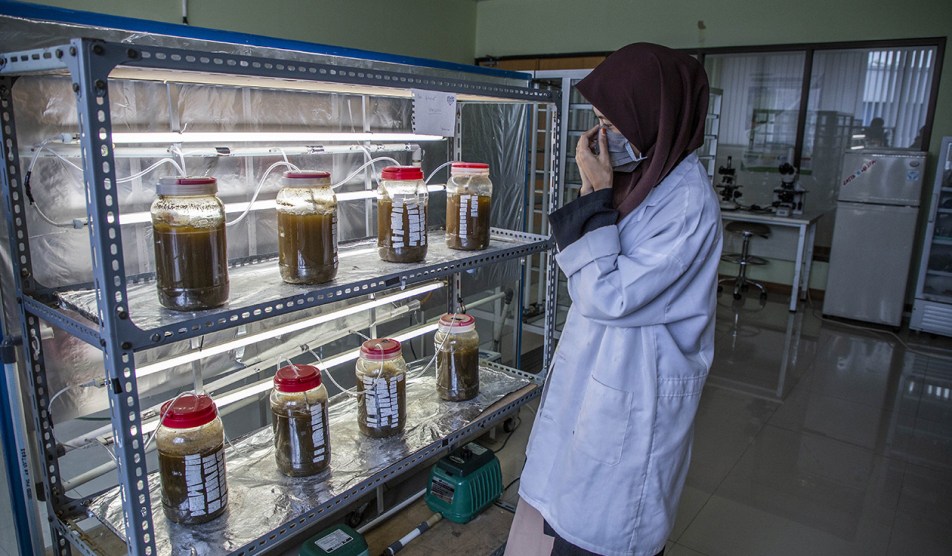
    I don't know what this biofuel researcher is doing, but whatever it is we need a lot more of it.Donal Husni/ZUMA

    What are you willing to sacrifice in order to fight climate change?

    And by you, I mean you. Obviously we already know that American conservatives aren’t willing to sacrifice anything. But how about us liberals? Maybe you’ve gone vegan. But if you have, I’ll bet it’s because you didn’t really mind. Maybe you bought a small, high-mileage car like mine. But that’s probably because it’s no big deal since you don’t have kids to haul around or a boat to tow. At a whole different level, perhaps we should commit to living with the same carbon footprint as a peasant in China? I can probably count on one hand the number of Americans willing to do that.

    As for China itself—as well as India and other less developed countries—they insist that no climate deal should permanently leave them at a low development level. They should be allowed to catch up to the living standards of the West. That’s a fair point, but it’s also an excuse to do nothing. Once they’ve caught up they promise to put the brakes on carbon emissions—honest!—but no one should take that very seriously.

    The Europeans have done better in some areas, but not by much. Germany was more interested in getting rid of its nuclear power. Norway is doing a good job of electrifying its cars, but that’s because they have tons of hydro power. Canada has no intention of shutting down its tar sands production. Etc. There are few signs of real sacrifice on a large scale.

    This, of course, is why the Green New Deal is so vague. It’s also why AOC got in so much trouble for the draft FAQ that she mistakenly posted. It really did call for personal sacrifices, and Republicans were eager to point that out. Tell people that you’re going to build more solar and wind, or make buildings more efficient, and they shrug. Tell them that they should eat less meat or take fewer trips to see the grandkids and they freak out.

    This is why I’m basically pessimistic about the Green New Deal. It’s deliberately vague so no one will freak out too much, but deliberately vague won’t get the job done. If we want to seriously slash carbon emissions, there are going to be sacrifices. Less meat. Smaller cars. Higher prices for fossil fuels. (Way higher.) Taxes that go beyond the top 1 percent. What makes us think that will fly in a world where bans on plastic bags or straws provoke a huge backlash?

    The answer, I believe, is twofold. The first is enormous investment in R&D. World War II levels. We need to invent the equivalent of radar, codebreaking, and the atomic bomb. The second is, in keeping with spirit of the GND, enormous infrastructure buildout. We have the technology to electrify a big part of our economy already if we only commit the dollars to do it. Both of these initiatives would be popular since they generate economic activity and put people to work. If we manage to demonstrate the minimal sacrifice necessary to fund them with a substantial progressive carbon tax, we have a plan. It’s not a perfect plan. It’s probably not enough all by itself. And it’s not guaranteed to work.

    But it’s also not guaranteed to fail.

  • Auto Loans Are Getting Worse, But Every Other Type of Loan Is Getting Better

    Yesterday I read a whole spate of stories about the growing number of people who are 90 or more days delinquent on their auto loans. For example:

    A record 7 million Americans are 90 days or more behind on their auto loan payments, the Federal Reserve Bank of New York reported Tuesday, even more than during the wake of the financial crisis. Economists warn that this is a red flag. Despite the strong economy and low unemployment rate, many Americans are struggling to pay their bills.

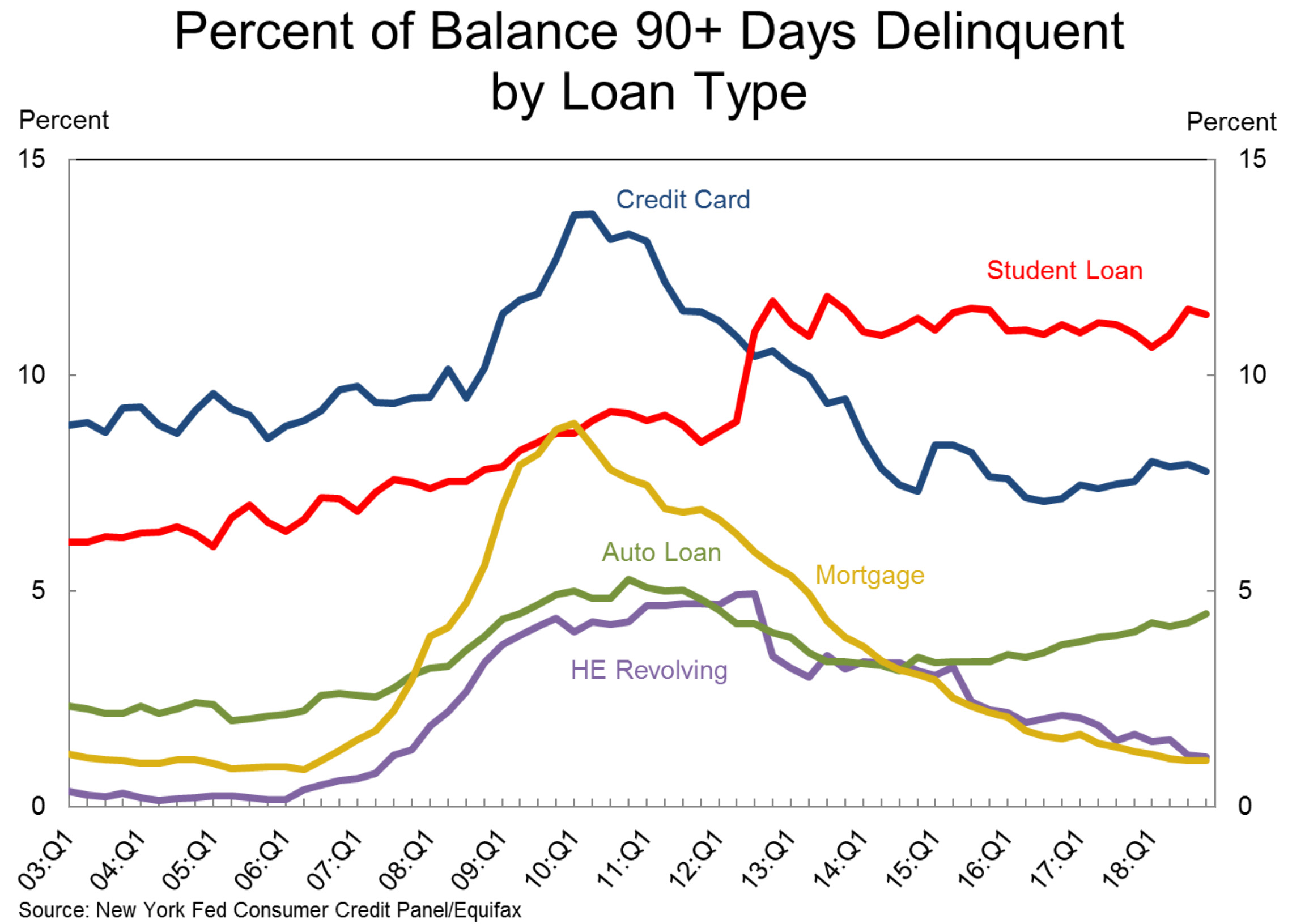
    Today I finally got curious enough to look at the Fed report where this came from. It’s true, it turns out, that this is a record number in absolute terms, but that’s because the number of auto loans is twice as high as it was in 2010—and higher than it was even during the pre-2007 housing boom. More loans means more defaults, which makes absolute numbers sort of meaningless here. Instead, let’s look at a chart showing loan delinquencies in percentage terms:

    Every type of loan delinquency is either flat or down with the single exception of auto loans. Overall, delinquencies have been declining since 2009 and are still declining. And even auto loans are getting worse at a pretty slow rate. But here’s an interesting additional chart:

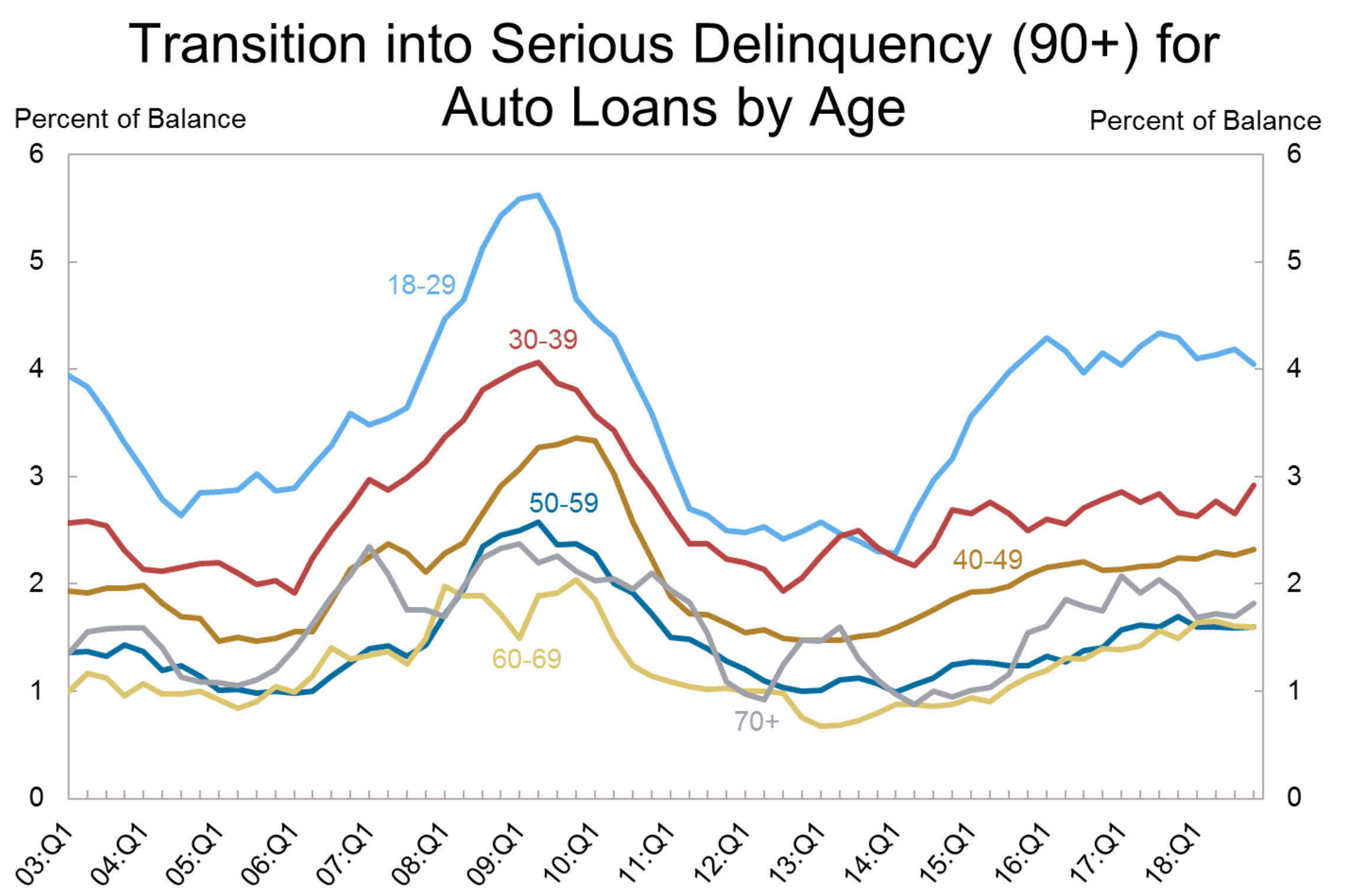
    Over the past three years, the delinquency rate on auto loans has stayed steady for those under 40. The increase in delinquency is entirely due to the middle-aged and elderly. I’m not quite sure what to make of this, but it seems like it must mean something.

    In any case, the takeaway here is that auto delinquencies are rising, and this might indeed foreshadow problems. But nothing special happened in the past quarter or even in the past year. It’s just been a slow and steady march upward since 2014.

  • Lunchtime Photo

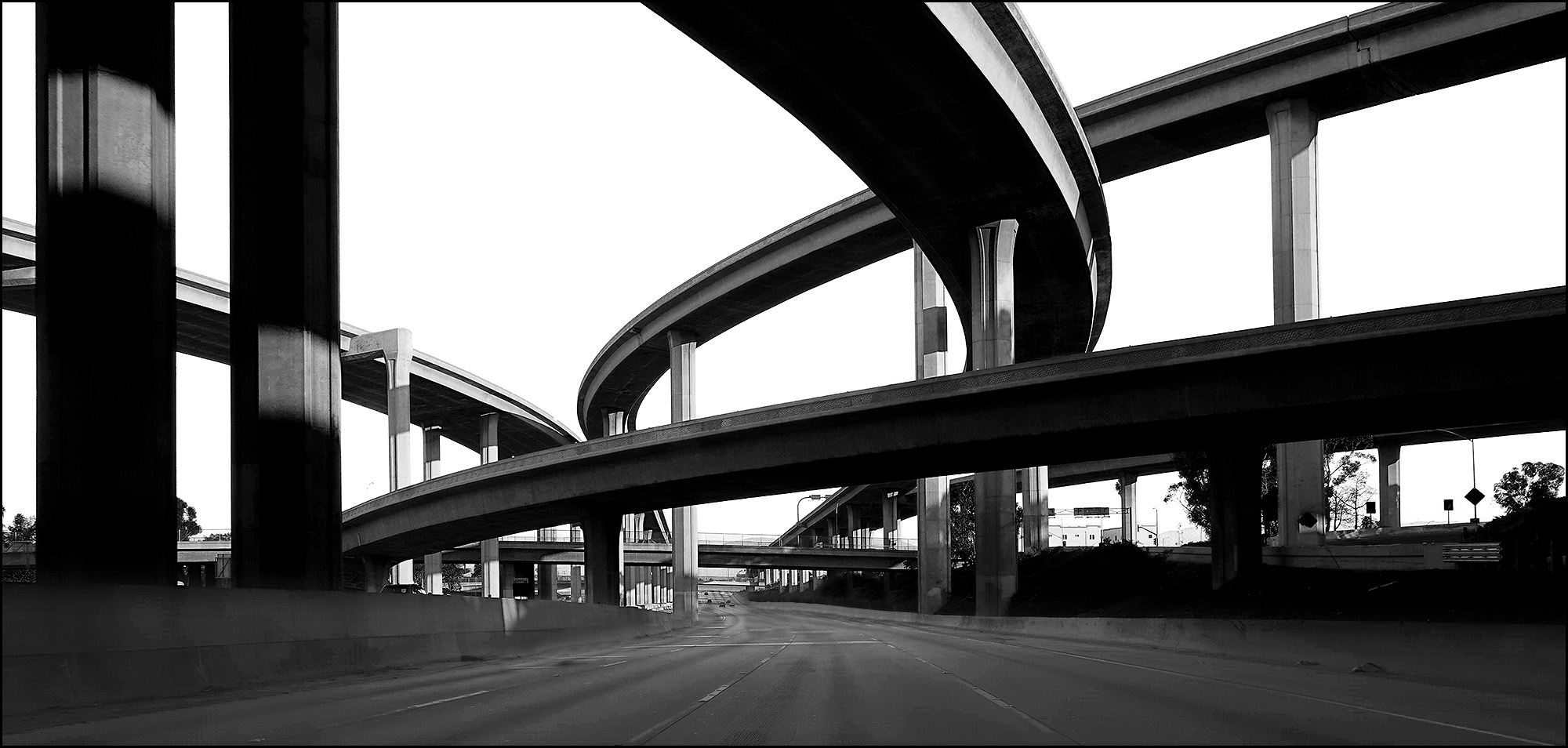
    Today is black-and-white day! This is an early morning shot of the four-level interchange connecting the 105 and 405 freeways near LAX. It was taken in the usual way for pictures like this: I set up the camera in burst mode beforehand, and blindly held it up and started shooting as I approached my subject. Then I went home to see if any of the pictures were even in focus, let alone decently framed. It took me a couple of passes to get this one.

    December 15, 2018 — Hawthorne, California
  • Iran Sanctions Aren’t Working and Never Will

    In the LA Times today, Doyle McManus says that President Trump’s withdrawal from the Iran accord has indeed caused them economic pain:

    But creating economic pain isn’t the goal. The goal is to force Iran to improve its conduct — to accept stricter limits on missiles, to accept a nuclear deal more onerous than the accord Trump abandoned, and to stop what the White House calls “malign” activities across the Middle East. That hasn’t happened. Instead, as the CIA and other U.S. intelligence agencies told Congress recently, the latest sanctions may have strengthened hard-liners in Tehran.

    Just think about this for a minute. Suppose someone did this to us. What would be our reaction? Would we meekly cave in to their demands? Or would we start beating the war drums and insisting that the United States would never give an inch to a bunch of foreigners who have always hated us?

    Merely to ask the question is to answer it. We all know how we’d react. So why do so many people keep convincing themselves that other countries won’t react the same way?

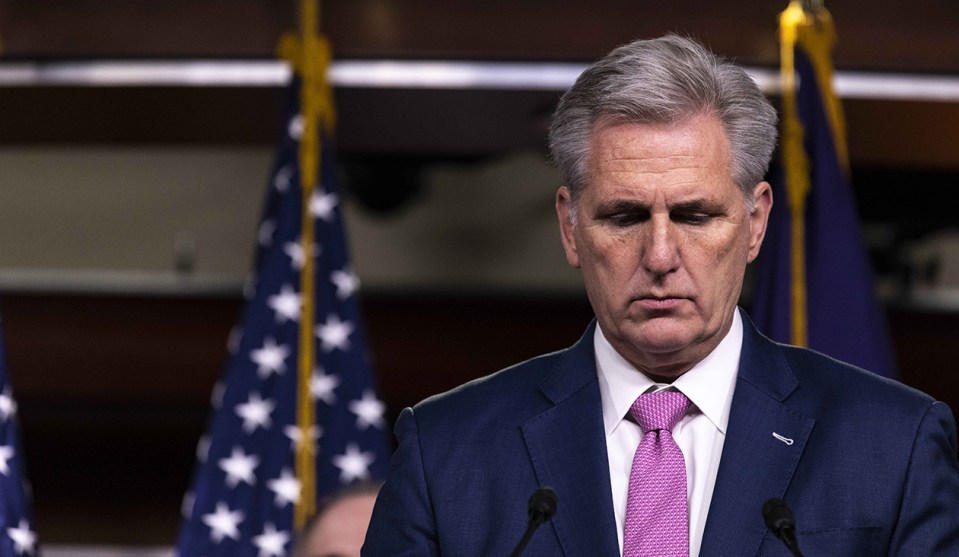
  • McCarthy: Yeah, We Tried to Kill Protections for Preexisting Conditions

    Alex Edelman/CNP via ZUMA

    I would like to hear this recording:

    Speaking privately to his donors, House Minority Leader Kevin McCarthy squarely blamed Republican losses in last year’s midterm elections on the GOP push to roll back health insurance protections for people with preexisting conditions — and in turn blamed his party’s right flank. McCarthy’s comments, made in a Feb. 6 conference call from which The Washington Post obtained partial recordings, represent a vindication of Democratic efforts to elevate health care as an issue in last year’s campaign.

    ….“When we couldn’t pass the repeal of Obamacare the first way through, an amendment came because the Freedom Caucus wouldn’t vote for” the original House bill, McCarthy said. “That amendment put [the] preexisting condition campaign against us, and so even people who are running for the very first time got attacked on that. And that was the defining issue and the most important issue in the race.”

    To McCarthy, this is about a feud between the Freedom Caucus and the rest of the Republican Party. But it’s more than that: it’s an admission that Republicans did, in fact, try to repeal protections for preexisting conditions. This is something they have routinely denied ever since they did it.

    But they did it. And now McCarthy has admitted that they did it. I sure wish this could get as much attention as a minor tweet from a newly elected member of the House.

  • California’s Bullet Train Is Dead. Sort Of.

    California High-Speed Rail Authority

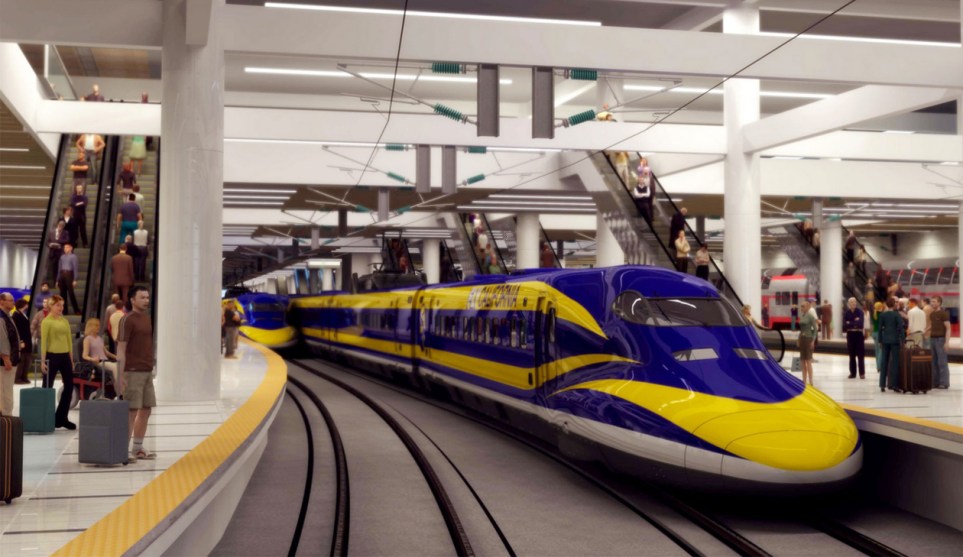
    Gavin Newsom, the newly elected governor of California, has canceled the bullet train project between Los Angeles and San Francisco. As a longtime critic of the train, I say good for him. He says there simply isn’t a remotely feasible funding path to finish the project, and he’s right.

    But wait. There’s more:

    The Democratic governor supports finishing the controversial high-speed rail line between Bakersfield and Merced, saying it would invigorate the economy in California’s midsection and reduce the region’s air pollution.

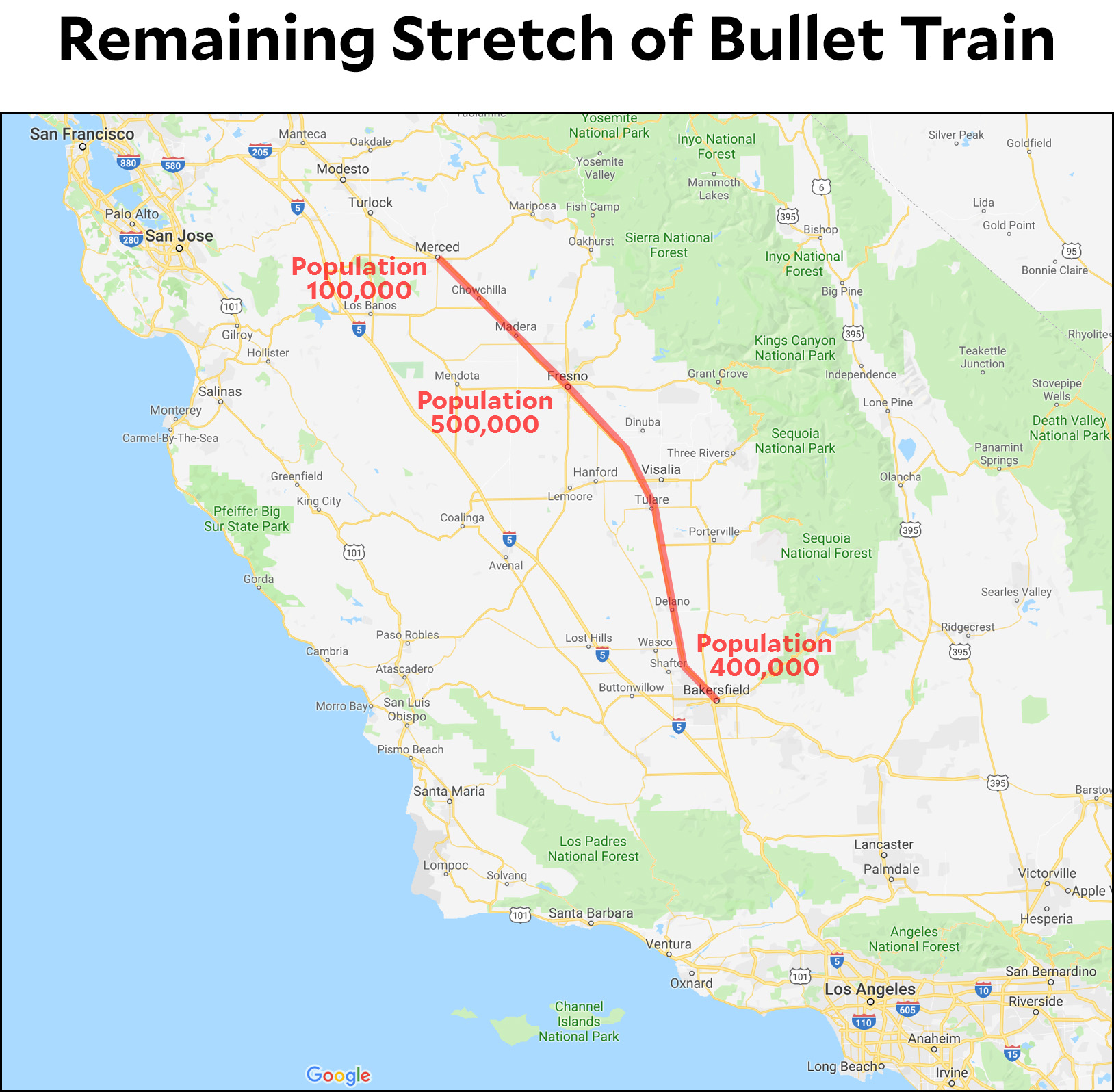
    Look, I can sort of understand the appeal of this. If you finish the middle stretch, then at least you’ve got something there in case you ever find the money to complete the whole thing. But it’s a lunatic idea anyway. I mean, who’s going to ride it once it’s done? A map might make this problem clearer:

    Once this segment is finished, it will connect three cities with a total combined population of about 1 million. Toss in a few more stops plus the surrounding areas and maybe you’ve got a potential market of 2 or 3 million people. That’s crazy. Right now there are only 12 trains a day running between Los Angeles and San Diego, a corridor with a population of 10-15 million. Merced to Bakersfield might support six trains a day at most, and there are already six daily Amtrak trains running this route.¹ Sure, the bullet train would be faster than Amtrak, but that’s going to affect ridership only slightly.

    This is the definition of insanity. You can at least make a case for a fast connection between LA and San Francisco. But I don’t think you can justify even a dime being spent on a Bakersfield-Merced route.

    ¹This is not to serve the Merced-Bakersfield market, either. It’s a San Francisco-Los Angeles train, and the Central Valley towns and cities just happen to be along the way.