The coronavirus is a rapidly developing news story, so some of the content in this article might be out of date. Check out our most recent coverage of the coronavirus crisis, and subscribe to the Mother Jones Daily newsletter.

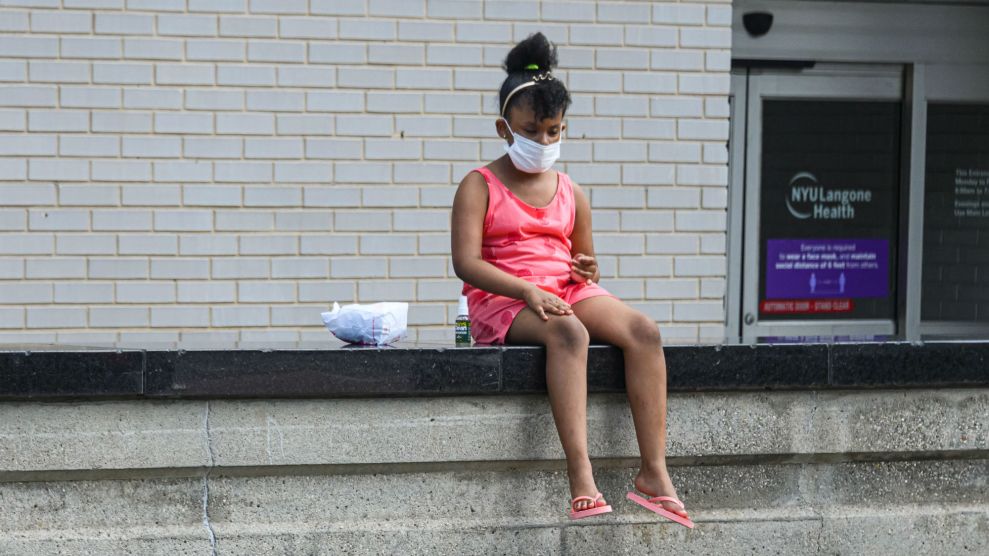
COVID-19 doesn’t discriminate, but the havoc wrought by the virus—the deaths, economic devastation, and intergenerational trauma—has disproportionately affected Black, Latino, and Native American communities. The Trump administration’s feckless response didn’t help, yet even proactive steps have reinforced preexisting inequities: Stay-at-home orders protected people with the privilege to work remotely while frontline workers, disproportionately Black and Latino, took on greater risk of exposure. People of color have also experienced more unemployment and financial insecurity. As Mary Bassett, director of Harvard’s François-Xavier Bagnoud Center for Health and Human Rights, explains, none of this is caused by the virus itself: “It’s because of the social consequences of race in our society, which has been reinforced by decades, centuries of bad practices and policies.”

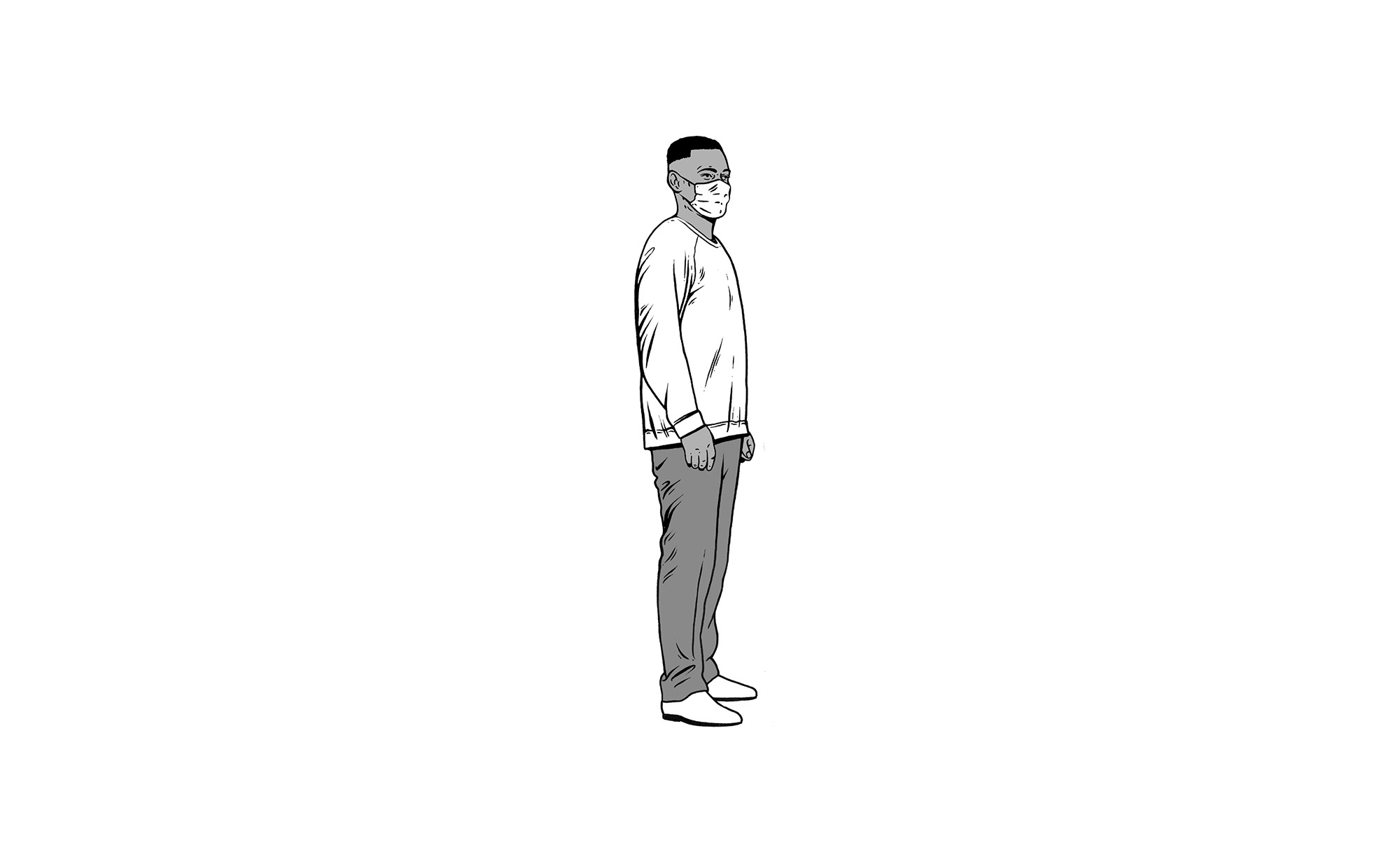
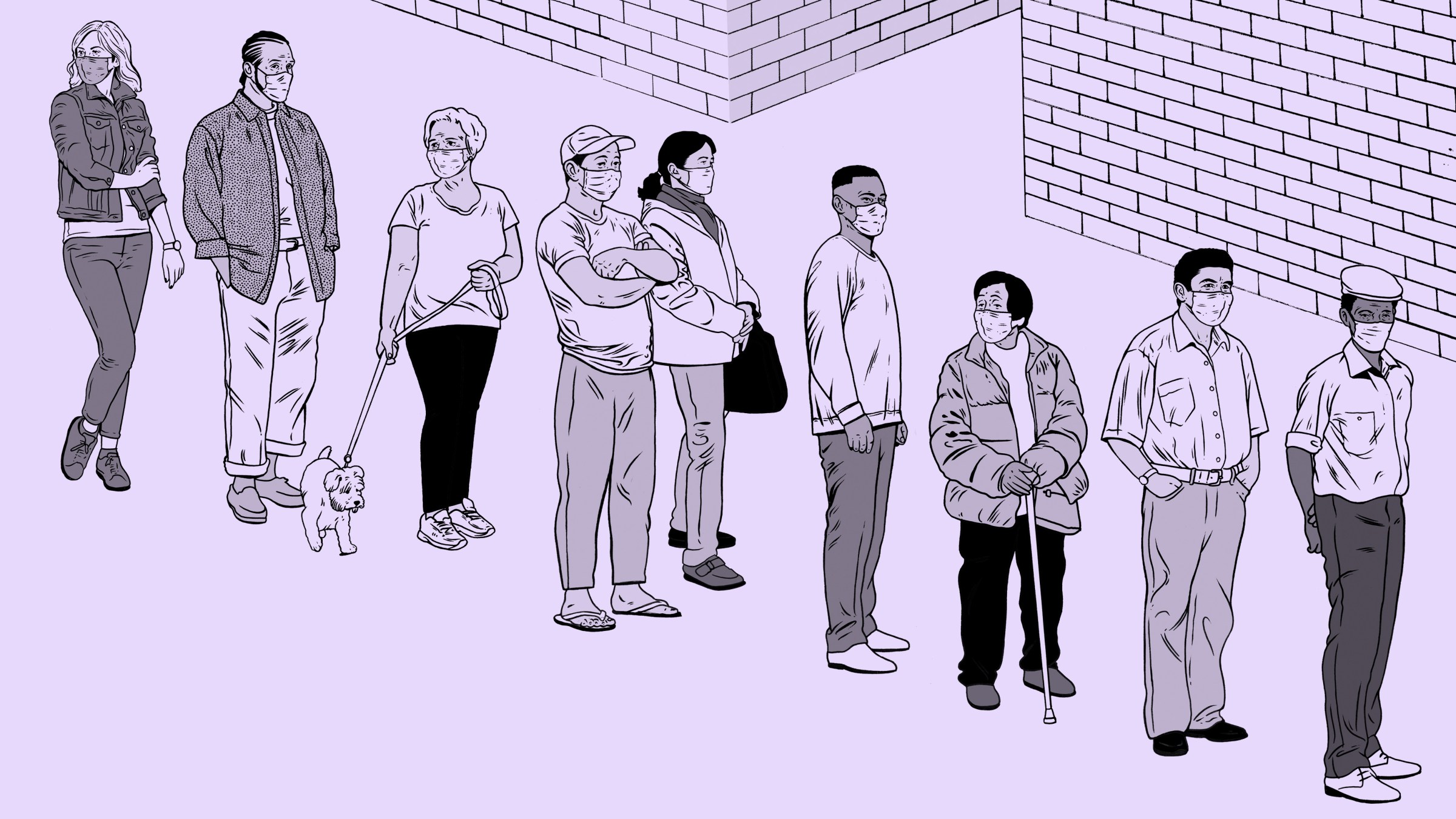
Illustrations by Louise Pomeroy

The COVID death rate for Black Americans ages 30 to 49 is four times that of white Americans.
Black Americans make up 12% of all 50- to 64-year-olds yet 22% of all COVID deaths in this age group.

The COVID death rate for Native Americans ages 18 to 29 is 12 times that of white Americans.

White Americans make up 68% of all 50- to 64-year-olds yet only 39% of all COVID deaths in this age group.

Latinos make up 20% of all 30- to 49-year-olds yet 45% of all COVID deaths in this age group.
After California reopened last summer, the rate of excess deaths among Latinos in the state tripled.

Asian Americans make up 6% of the population and 4% of all COVID deaths.

The jobless rate for Latinas in December was nearly three times higher than it was a year earlier.
Due to COVID, Americans’ life expectancy has dropped 1.2 years. For Black Americans, it’s down 2.1 years; for Latinos, 3 years.

More than 40% of the 12 million jobs lost by women last spring have not come back.

Black men had the nation’s highest unemployment rate in December—10.4%—their highest level since 2015.
As of mid-January, the vaccination rate for Black Americans in 11 states was less than half that for white Americans.

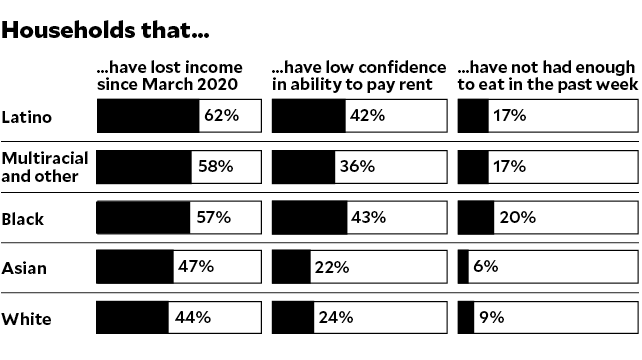
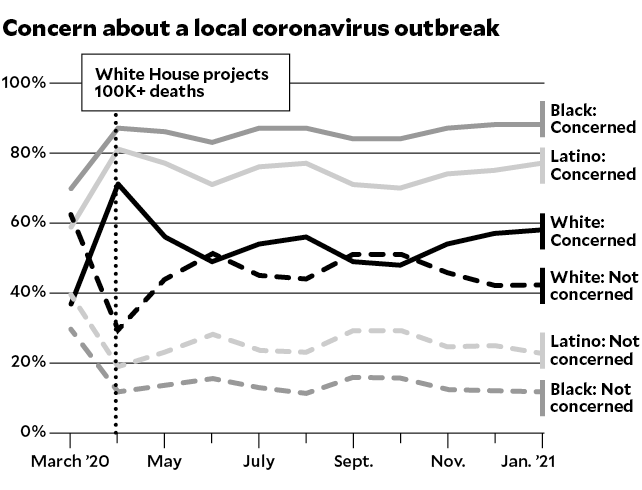
Sources: Death rates: Calculations based on data from the Centers for Disease Control and Prevention (data as of February 3, 2021) and Census Bureau; household surveys: Census Bureau (data as of January 6, 2021); California excess deaths: JAMA Internal Medicine; Latina unemployment rates: Bureau of Labor Statistics; life expectancy drops: Proceedings of the National Academy of Sciences; women’s job losses: National Women’s Law Center; vaccination rates: Kaiser Health News (data as of January 14, 2021); Black men’s unemployment rates: Bureau of Labor Statistics, St. Louis Fed; concern about local outbreak: Civiqs
BEFORE YOU CLICK AWAY!

December is make or break for us. A full one-third of our annual fundraising comes in this month alone. A strong December means our newsroom is on the beat and reporting at full strength. A weak one means budget cuts and hard choices ahead.

The December 31 deadline is closing in fast. To reach our $400,000 goal, we need readers who’ve never given before to join the ranks of MoJo donors. And we need our steadfast supporters to give again today—any amount.

Managing an independent, nonprofit newsroom is staggeringly hard. There’s no cushion in our budget—no backup revenue, no corporate safety net. We can’t afford to fall short, and we can’t rely on corporations or deep-pocketed interests to fund the fierce, investigative journalism Mother Jones exists to do.

That’s why we need you right now. Please chip in to help close the gap.

BEFORE YOU CLICK AWAY!

December is make or break for us. A full one-third of our annual fundraising comes in this month alone. A strong December means our newsroom is on the beat and reporting at full strength. A weak one means budget cuts and hard choices ahead.

The December 31 deadline is closing in fast. To reach our $400,000 goal, we need readers who’ve never given before to join the ranks of MoJo donors. And we need our steadfast supporters to give again today—any amount.

Managing an independent, nonprofit newsroom is staggeringly hard. There’s no cushion in our budget—no backup revenue, no corporate safety net. We can’t afford to fall short, and we can’t rely on corporations or deep-pocketed interests to fund the fierce, investigative journalism Mother Jones exists to do.

That’s why we need you right now. Please chip in to help close the gap.

We Recommend

Latest

Sign up for our free newsletter

Subscribe to the Mother Jones Daily to have our top stories delivered directly to your inbox.

Get our award-winning magazine

Save big on a full year of investigations, ideas, and insights.

Subscribe

Support our journalism

Help Mother Jones' reporters dig deep with a tax-deductible donation.

Donate