<a href="http://www.shutterstock.com/cat.mhtml?lang=en&search_source=search_form&search_tracking_id=Mr01pjaTzsznRmPWykfWTA&version=llv1&anyorall=all&safesearch=1&searchterm=dna+test&search_group=&orient=&search_cat=&searchtermx=&photographer_name=&people_gender=&people_age=&people_ethnicity=&people_number=&commercial_ok=&color=&show_color_wheel=1#id=129794300&src=tYRDqHBoLszvjpCJxTxrxQ-1-4">damerau</a>/Shutterstock
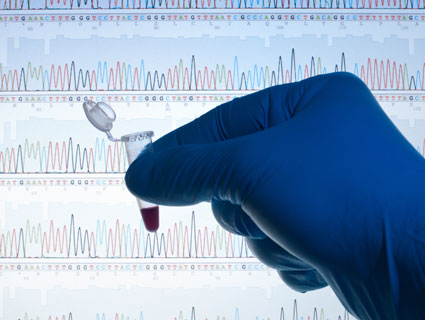
Police can force suspects arrested for serious crimes to give DNA samples, a divided Supreme Court ruled, 5 votes to 4, on Monday (PDF). Law enforcement officials in 28 states already routinely collect DNA from alleged criminals, but privacy advocates had argued that taking suspects’ DNA without a search warrant is a violation of the Fourth Amendment’s protection against unreasonable searches and seizures. The high court’s decision could lead to a massive national DNA database, conservative Justice Antonin Scalia warned in a dissent joined by three of the more liberal justices.
The case, Maryland v. King, originated from the arrest of Alonzo King, whose DNA was taken against his will after he was picked up for a gun-related assault charge. King was convicted of the gun charge, but officials also matched his DNA to evidence from an unsolved rape case. That, King argued, violated his Fourth Amendment rights. Maryland’s Supreme Court agreed. (For more background on the case, read our report from February.)
The Supreme Court’s five-justice majority struck down the Maryland court’s ruling, noting that DNA sampling is routine police procedure. “Taking and analyzing a cheek swab of the arrestee DNA is, like fingerprinting and photographing, a legitimate police booking procedure that is reasonable under the Fourth Amendment,” Justice Anthony Kennedy wrote for the majority.
The other four justices didn’t take the decision so lightly. “Make no mistake about it: because of today’s decision, your DNA can be taken and entered into a national database if you are ever arrested, rightly or wrongly, and for whatever reason,” wrote Scalia, who sometimes splits with his right-wing colleagues on civil liberties issues. Justices Ruth Bader Ginsberg, Elena Kagan, and Sonia Sotomayor joined Scalia’s dissent.