Connecticut Just Got One Step Closer to Making Prison Calls Free

The first-in-the-nation legislation would be a huge win for criminal justice.

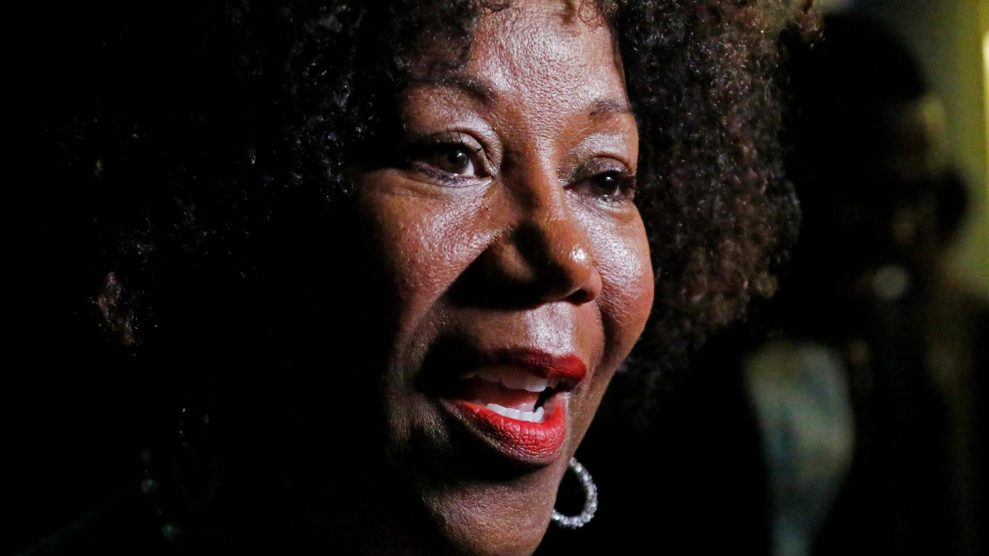
Julie Jacobson, File/AP

Get your news from a source that’s not owned and controlled by oligarchs. Sign up for the free Mother Jones Daily.

Connecticut’s state Senate voted Thursday to enact first-in-the-nation legislation that would make it free for incarcerated people to place phone calls. If the bill passes in the House and is signed into law by the governor, it’ll be a historic win for inmates’ rights.

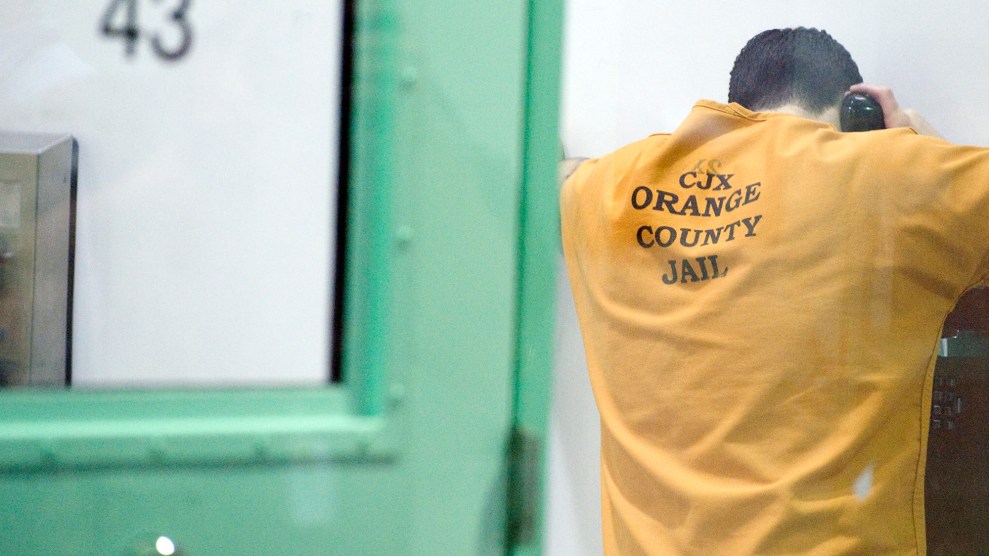
Phone calls are a crucial way for incarcerated people to reach legal help or their families, but costs can be prohibitive—even for pretrial inmates who haven’t been convicted of any crimes. According to the Prison Policy Initiative, a 15-minute in-state phone call in Connecticut cost $3.65 in 2019, which is more expensive than any state besides Arkansas. New York City made calls from jails free in 2018, but Connecticut could be the first to enact similar legislation statewide.

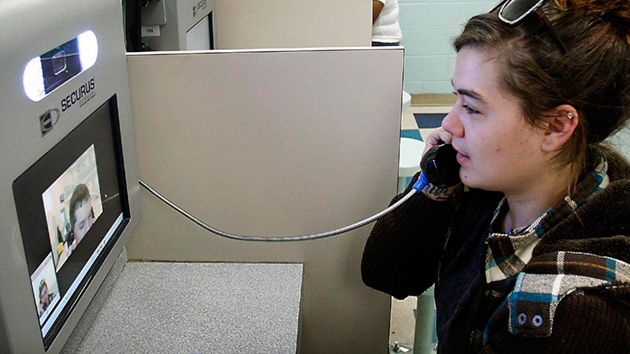
The bill would also prevent in-person prison visits from being replaced by video calls. As my colleague Tim Murphy reported in 2015, companies that run video visitation programs have been squeezing money from inmates, at the additional expense of face-to-face interaction with their loved ones. Tim laid out the details of a contract between the sheriff of Maricopa County, Arizona and visitation app company Securus:

A 20-minute online video chat with a Maricopa County inmate costs $5. That’s the promotional rate; it then goes up to $12.95. The company is covering the $2.3 million cost of installing the on-site video in return for receiving all the profits from remote visitation until it hits 8,000 monthly paid visits—or roughly one per inmate. After that, the sheriff’s office will take a cut of the fees—another big selling point for cash-strapped cities and counties. Jails usually get somewhere between 10 and 30 percent of the profits from remote video visits after hitting certain traffic benchmarks.

The bill is likely to pass in Connecticut’s Democratic-controlled state House, but it’s unclear whether Democratic Gov. Ned Lamont, who stonewalled similar legislation under pressure from lobbyists in 2019, would sign the bill into law.

I'm hopeful because of readers like you. Will you pitch in today?

We see the headlines on a weekly basis: the claw backs in public media, the gutting of The Washington Post, the bending over backwards to appeal to Trump and his allies.

But not here.

When Mother Jones started publishing 50 years ago, our founders made a critical decision: to be a reader-supported nonprofit. They knew that no corporate owner would be interested in a muckraking newsroom; they also knew that no muckraking newsroom would be interested in following the agenda of a corporate owner.

And so, we’ve been reader-funded for half a century. We rely on contributions from our readers—readers like you—whether it’s $50, or $15 a month, or whatever fits your budget. People give what they can, and every donation makes a difference for our newsroom, which has grown tremendously—in size and reach and renown—since its inception in 1976.

You may be wondering: What does it take to publish an investigation? And what does my donation actually fund? The answers are one and the same: It takes people, resources, and time. And that’s what your donation funds directly.

Every donation Mother Jones receives from readers fortifies our newsroom, whether we’re covering underreported scandals out of Washington, DC, or the most important news of the day. And right now, each donation will be doubled thanks to a $50,000 match. So when you make a donation, it’ll go twice as far.

Your support keeps us going. If you’re able, donate today.

Thanks for reading.

—Monika Bauerlein, CEO

I'm hopeful because of readers like you. Will you pitch in today?

We see the headlines on a weekly basis: the claw backs in public media, the gutting of The Washington Post, the bending over backwards to appeal to Trump and his allies.

But not here.

When Mother Jones started publishing 50 years ago, our founders made a critical decision: to be a reader-supported nonprofit. They knew that no corporate owner would be interested in a muckraking newsroom; they also knew that no muckraking newsroom would be interested in following the agenda of a corporate owner.

And so, we’ve been reader-funded for half a century. We rely on contributions from our readers—readers like you—whether it’s $50, or $15 a month, or whatever fits your budget. People give what they can, and every donation makes a difference for our newsroom, which has grown tremendously—in size and reach and renown—since its inception in 1976.

You may be wondering: What does it take to publish an investigation? And what does my donation actually fund? The answers are one and the same: It takes people, resources, and time. And that’s what your donation funds directly.

Every donation Mother Jones receives from readers fortifies our newsroom, whether we’re covering underreported scandals out of Washington, DC, or the most important news of the day. And right now, each donation will be doubled thanks to a $50,000 match. So when you make a donation, it’ll go twice as far.

Your support keeps us going. If you’re able, donate today.

Thanks for reading.

—Monika Bauerlein, CEO

We Recommend

Latest

Sign up for our free newsletter

Subscribe to the Mother Jones Daily to have our top stories delivered directly to your inbox.

Get our award-winning magazine

Save big on a full year of investigations, ideas, and insights.

Subscribe

INDEPENDENT. BECAUSE OF YOU.

Mother Jones has no billionaires calling the shots—just readers like you making fearless reporting possible

Donate