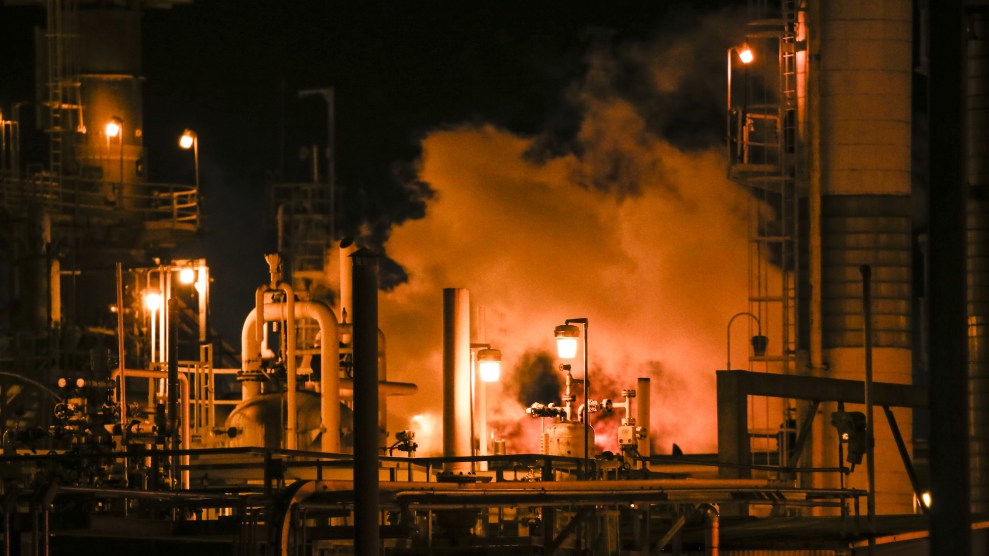
Shell Oil saw huge profits as the company shifted away from prioritizing energy solutions.Imago via ZUMA Press
This story was originally published by Guardian and is reproduced here as part of the Climate Desk collaboration.
Shell’s profits have climbed to $14 billion for the first half of 2024 after its decision to focus on fossil fuels over low-carbon energy delivered stronger than expected earnings for a second consecutive quarter.
Europe’s biggest oil and gas company rewarded its shareholders with a further $3.5 billion in share buybacks after reporting adjusted earnings of $6.3 billion in the three months to the end of June.
The latest results, which have taken the company’s total profits for the first half of the year to $14 billion and its share buybacks to $7 billion, have angered climate campaigners as Shell continues to grow its global gas business and pull back on investment in low-carbon energy.
“People in the Caribbean devastated by the impacts of Hurricane Beryl are left to pick up the pieces, while rich shareholders and fossil fuel CEOs get to rake in the profits, removed from the chaos they’ve played a leading role in creating,” McIntosh said.
Shell delivered its results days after BP topped forecasts by reporting profits of almost $2.8 billion for the second quarter and set out plans to develop an oil hub in the Gulf of Mexico.
Together the companies have reported combined profits over the last year amounting to £31.2 billion, or more than the combined gross domestic product of six of the Caribbean countries affected most by the record-breaking destruction of Hurricane Beryl, according to the NGO Global Justice Now.
Izzie McIntosh, a climate campaigner at Global Justice Now, said Shell’s profits laid bare “the shameful inequity at the heart of the fossil fuel economy”.
“People in the Caribbean devastated by the impacts of Hurricane Beryl are left to pick up the pieces, while rich shareholders and fossil fuel CEOs get to rake in the profits, removed from the chaos they’ve played a leading role in creating,” McIntosh said.
Shell watered down a climate pledge this year by reframing a target to reduce the carbon emissions intensity of the energy it sells by 15-20 percent by the end of the decade, compared with its previous target of 20 percent.
This will enable Shell to slow the pace of its emissions reductions while growing its global liquified natural gas (LNG) business in a decade that climatologists have warned is crucial in averting a climate catastrophe.
The new targets emerged months after Shell’s chief executive, Wael Sawan, said the company would cut hundreds of jobs from the oil company’s low-carbon division as part of a plan to increase the company’s profits.
Shell, which is headquartered in the UK, revealed this week that it plans to retreat from the ageing North Sea oil basin in favour of more lucrative opportunities in its global portfolio.
The company said it has sold 11 North Sea gas fields – which it owned alongside US giant ExxonMobil – to independent North Sea operator Viaro. It has also sold one of the UK’s most important gas import terminals.
Sawan said the strong financial results, coupled with the decision to hand shareholders $3.5 billion in buybacks, demonstrated the company was “delivering more value with less emissions”.
Shell had warned investors to expect an impairment charge of up to $2 billion in its quarterly results after it was forced to halt work on Europe’s largest biofuel project, in Rotterdam, which was expected to convert waste into sustainable aviation fuel; and sell off a Singapore refinery.