
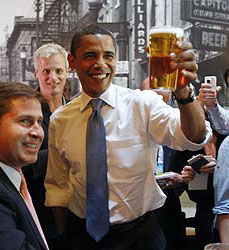
 You know, back when Obama first told the press that he’d invited Skip Gates and James Crowley to the White House for a beer, I thought it was about as brilliant a piece of political ju jitsu as I’d ever seen. A beer! In the White House! But now that Der Tag is here — well, I’m beset with a grim sense of foreboding. It just doesn’t seem like quite such a great idea in the cold light of day, and it’s almost certain to keep this ridiculous incident in the news for another week or so. Plus there are so many ways it could go pear shaped I can hardly count them. So we’ll see. Can Obama turn political dross into gold once again? I wouldn’t bet against him, but I sure wish he were spending the day instead with some poor woman who got screwed by her insurance company or something.
Speaking of which, Obama’s “bill of insurance rights” is good stuff. I wish he’d unveiled it about, oh, six months ago or so, but better late than never:
No discrimination for preexisting conditions.
No exorbitant out-of-pocket expenses, deductibles or co-pays.
No cost-sharing for preventive care.
No dropping of coverage for the seriously ill.
No gender discrimination.
No annual or lifetime caps on coverage.
Extended coverage for young adults.
Guaranteed insurance renewal.
I can’t predict the future any better than anyone else, but I think this is the right way to sell healthcare reform. It won’t satisfy the wonks, who will continue to debate public options vs. exchanges vs. co-ops, but it’s the kind of thing the general public wants to hear. There should have been a ninth item about being able to see the doctor of your choice, and maybe a tenth about guaranteeing all health decision are between you and your doctor, but it’s still better than nothing. And a lot better than most of the stuff we’ve seen before.
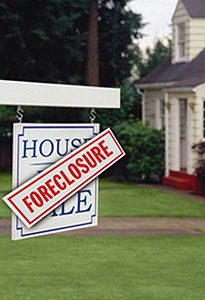 Why are so few mortgage companies willing to modify loans for delinquent borrowers even though the federal government has allocated $75 billion to keep them from taking a big hit when they refinance the loans? What’s the holdup?
 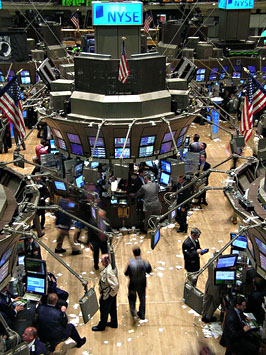 Some categories of “predatory algos” closely monitor the markets in order to sniff out exactly these types of hidden large orders, so that the algo can trade against them. For instance, if a predatory algo detects that someone is trying to hide a large sell order for [Intel] by trickling it out into the market in small blocks, it might work to bid down the price of [Intel] just a bit so that it can pick up those blocks at a discount and then sell them for a profit when the share price floats back up to the market’s earlier, non-manipulated valuation.
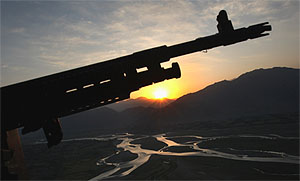 frequently than do coalition solders. Afghan soldiers are brave, hardy, ill-disciplined, individualistic, temperamental and trustworthy.
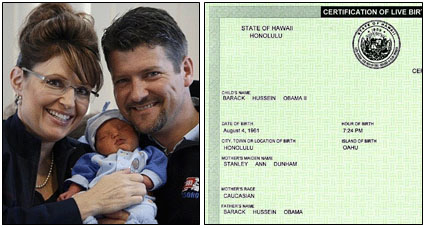 and requested the same sort of photographic proof, Andrew [Sullivan] would surely join me in concluding that both politicians have some right to privacy. Right?
 If you think the bank bailouts are unpopular in the United States, try the Swiss reaction to the Swiss federal government’s bailout of UBS. It’s to the Voldermortian point where they asked me not to say “UBS” because it’s so embarrassing. We have compromised — I can now say “UBS,” but must then spit three times over my right shoulder to ward off evil spirits.
 How do we pop financial bubbles before they get out of hand? Alex Tabarrok surveys the literature and comes away
 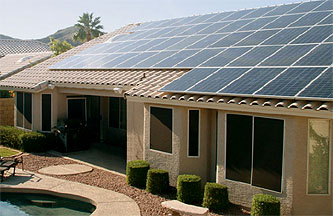 high for some people, and if you take out a conventional loan you run the risk having to keep making payments even if you sell your house. One option is an outfit like SolarCity,



