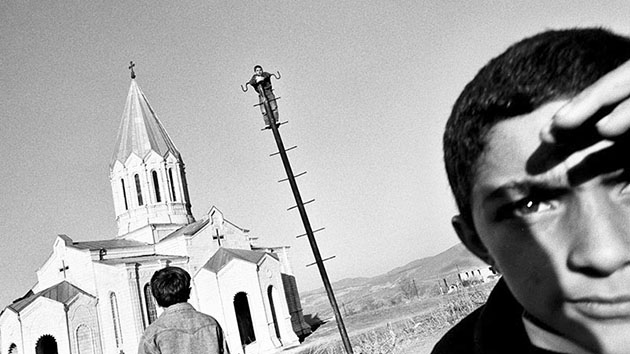
Father Land

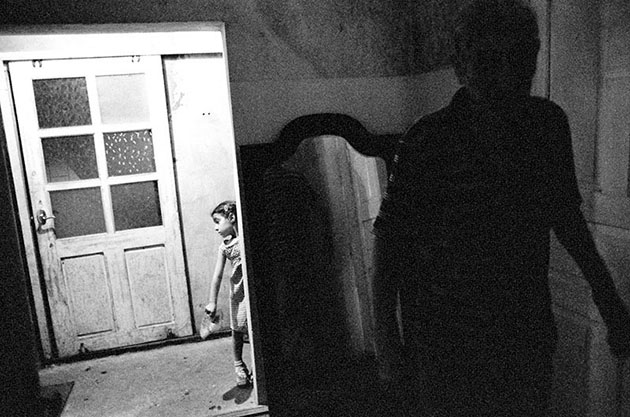
Father and son examine their roots in the Nargorno-Krabagh Republic.

Shushi, 2002. Ara Oshagan

Get your news from a source that’s not owned and controlled by oligarchs. Sign up for the free Mother Jones Daily.


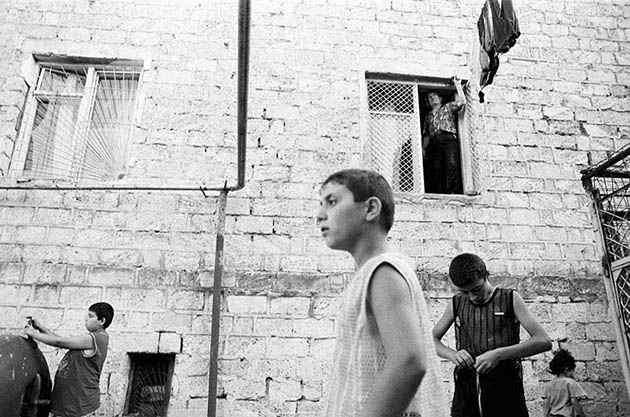
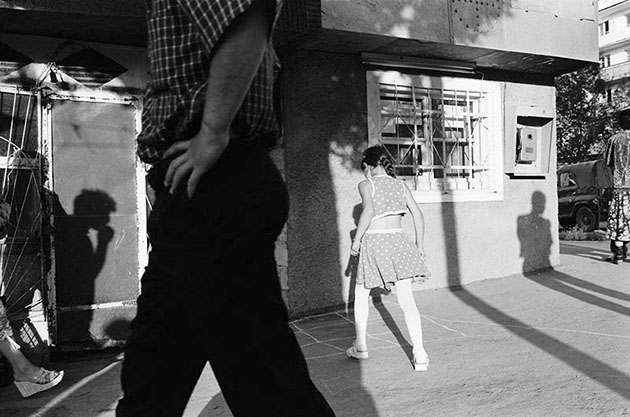
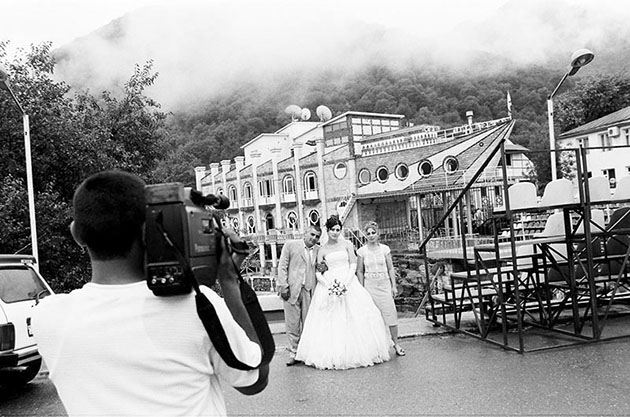
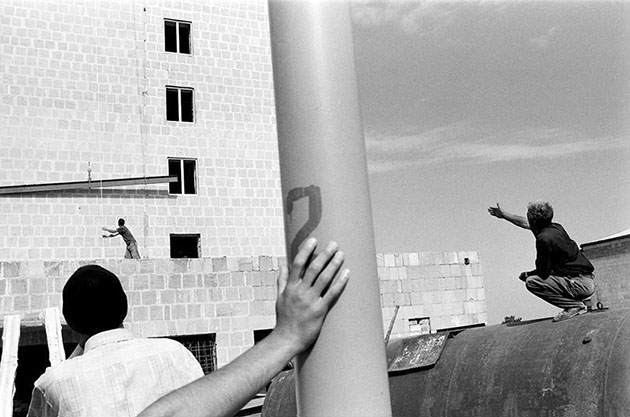
Ara Oshagan was one of many photographers who came to me at the Palm Springs Photo Festival with a portfolio to share. I was reviewing portfolios for the third day in a row. At these kind of events reviewers face a steady flow of photographers eager for feedback, work, or a promise to publish an existing project. The quality of work is all over the place, but most of it is geared towards the more lucrative commercial photography market. There was a lot of great work to be sure, but after three days it all started to look the same. So when Ara showed me the body of work that would become his Father Land book—grainy black and white, intimate, loose—it was like stepping outside after being trapped in a smoke-choked conference room.

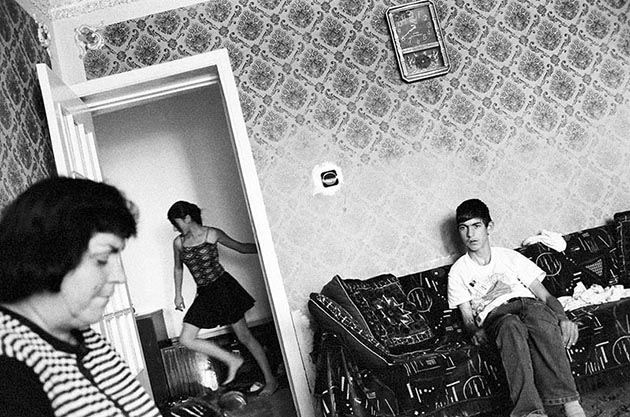
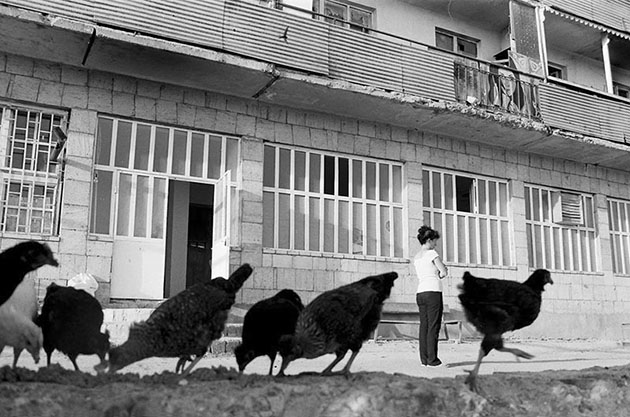
Father Land is an intensely personal project, a collaboration between Ara and his father Vahé, who wrote the text for the book (in English and Armenian). Together they explore the Republic of Nargorno-Karabagh, the mountainous Caucasus region from which they come. The photos have a classic, almost timeless feeling. It’s reminiscent of Antonin Kratochvil’s work documenting the Czech Republic, Jason Eskenazi’s magnificent book Wonderland, or Anthony Suau’s vast exploration of the former Soviet Union in Beyond the Fall.

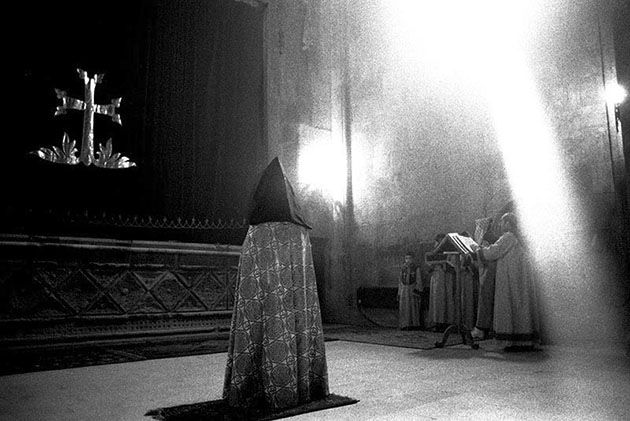
That isn’t to say Oshagan’s work is derivative. He brings the keen eye of a street photographer to the largely quiet villages of Karabagh. Each frame is full with shadows, movement, people…even stillness occupies space in the images featured here. These are photos that allow you to go back again and again, finding something new each time. It’s a book worth keeping around to re-examine every once in a while.  —Mark Murrmann

(Published by powerHouse Books, 2010)
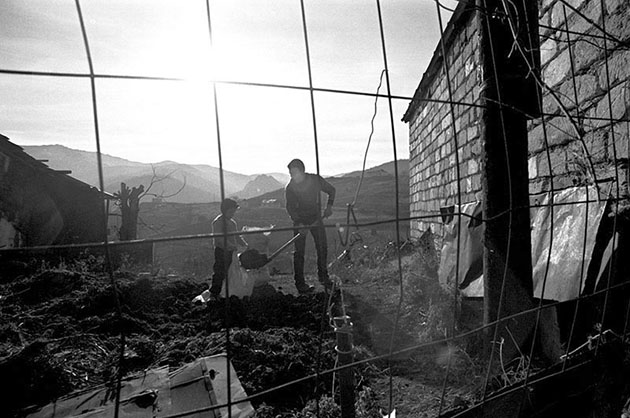
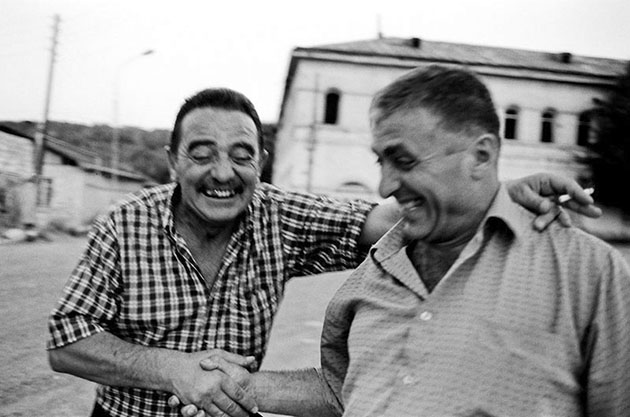
Father and son, Karin Dag Village, 1999.
 

Stepanakert, 2006.
 

Town Square, Shushi, 2006.
 

Wedding, Vank Village, 2006.
 

Construction site, Shushi, 2006.
 

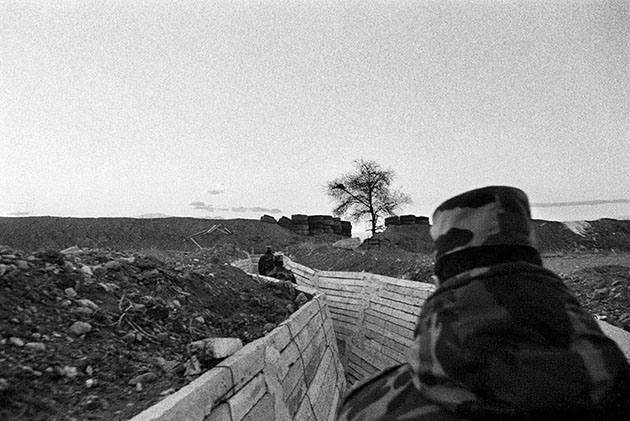
Frontlines near Askeran, 2002.
 

Shushi, 2006.
 

Shushi, 2006.
 

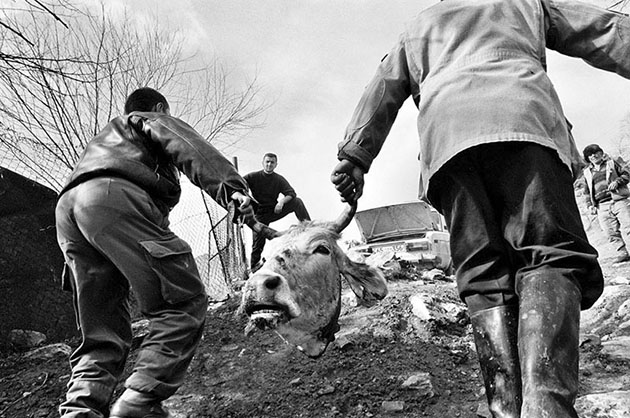
Taking the slaughter to market, Karin Dag Village, 2002.
 

Shushi, 2006.
 

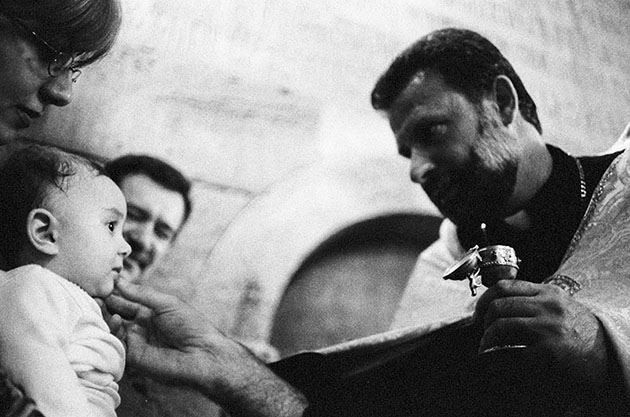
Christening, St. Gantsasar Church, 2006.
 

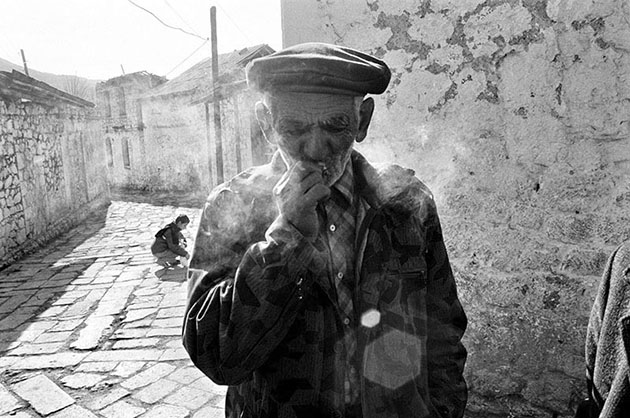
Village square, Karin Dag Village, 1999.
 

Stepanakert, 2006.
 

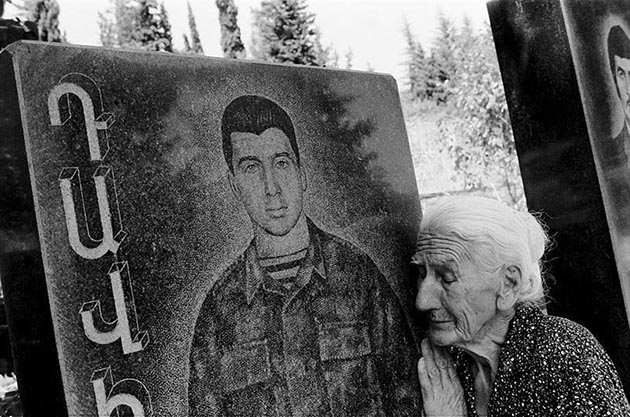
A soldier’s tombstone, Stepanakert, 2006.
 

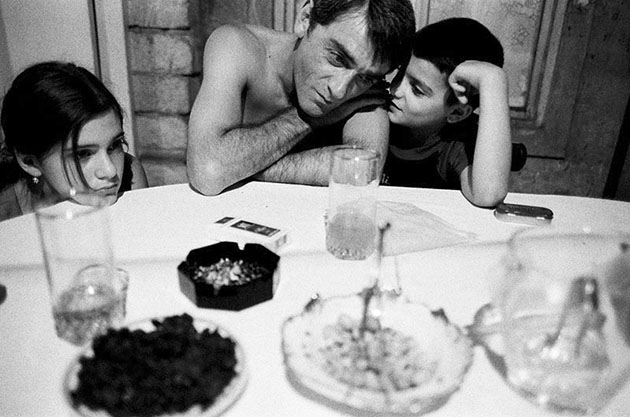
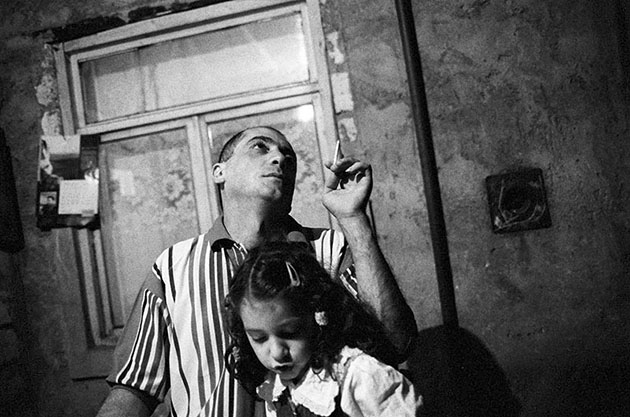
Father and daughter, Stepanakert, 2006.
 

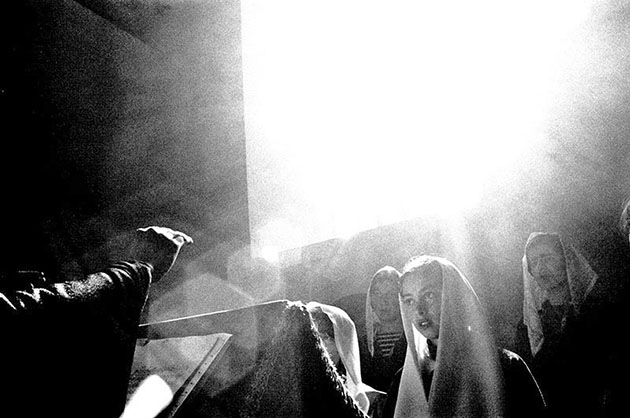
Choir, St. Gazanchetsots Church, Shushi, 2002.
 

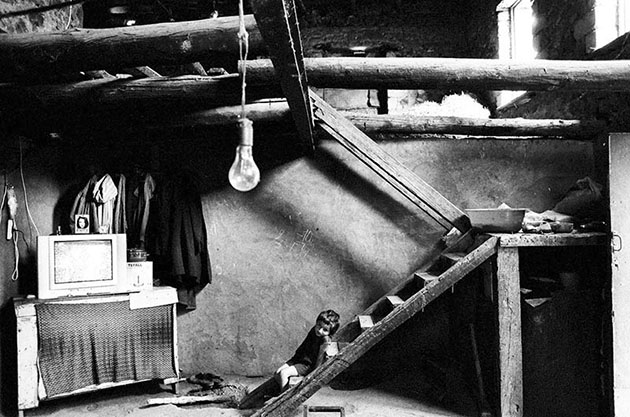
Home, Lachin region near the Iranian border, 2006.
 

Stepanakert, 2006.
 

Holy Liturgy, St. Gantsasar Church, 1999.


If you buy a book using our Bookshop link, a small share of the proceeds supports our journalism.

DECEMBER IS MAKE OR BREAK

A full one-third of our annual fundraising comes in this month alone. That’s risky, because a strong December means our newsroom is on the beat and reporting at full strength—but a weak one means budget cuts and hard choices ahead.

The December 31 deadline is closing in fast. To reach our $400,000 goal, we need readers who’ve never given before to join the ranks of MoJo donors. And we need our steadfast supporters to give again—any amount today.

Managing an independent, nonprofit newsroom is staggeringly hard. There’s no cushion in our budget—no backup revenue, no corporate safety net. We can’t afford to fall short, and we can’t rely on corporations or deep-pocketed interests to fund the fierce, investigative journalism Mother Jones exists to do.

That’s why we need you right now. Please chip in to help close the gap.

DECEMBER IS MAKE OR BREAK

A full one-third of our annual fundraising comes in this month alone. That’s risky, because a strong December means our newsroom is on the beat and reporting at full strength—but a weak one means budget cuts and hard choices ahead.

The December 31 deadline is closing in fast. To reach our $400,000 goal, we need readers who’ve never given before to join the ranks of MoJo donors. And we need our steadfast supporters to give again—any amount today.

Managing an independent, nonprofit newsroom is staggeringly hard. There’s no cushion in our budget—no backup revenue, no corporate safety net. We can’t afford to fall short, and we can’t rely on corporations or deep-pocketed interests to fund the fierce, investigative journalism Mother Jones exists to do.

That’s why we need you right now. Please chip in to help close the gap.

We Recommend

Latest

Sign up for our free newsletter

Subscribe to the Mother Jones Daily to have our top stories delivered directly to your inbox.

Get our award-winning magazine

Save big on a full year of investigations, ideas, and insights.

Subscribe

Support our journalism

Help Mother Jones' reporters dig deep with a tax-deductible donation.

Donate