Automatic Emergency Braking Could Be Coming to a Car Near You

NHTSA estimates that a new rule could prevent at least 24,000 injuries per year.

Imago/Zuma

Get your news from a source that’s not owned and controlled by oligarchs. Sign up for the free Mother Jones Daily.

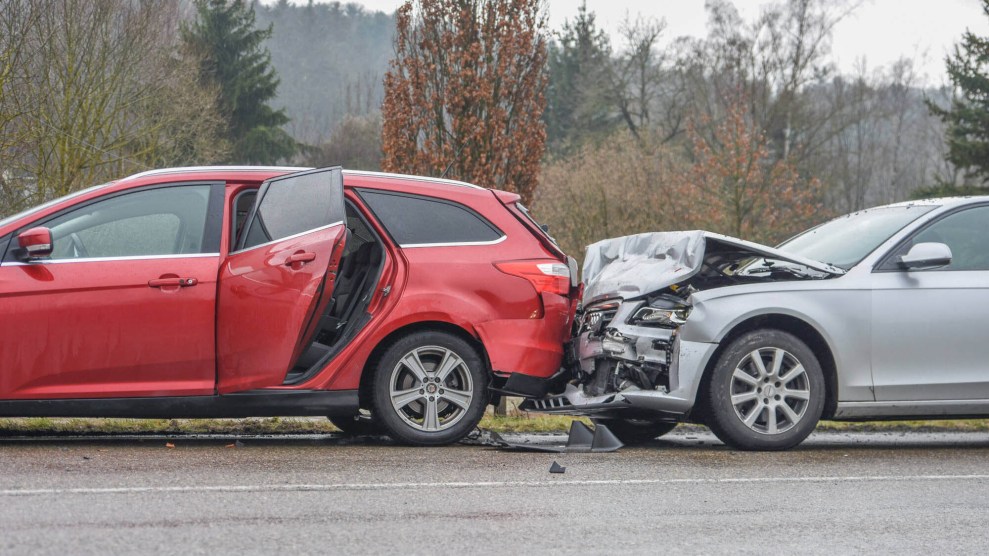
In a move lauded by safe streets advocates, the National Highway Traffic Safety Administration proposed a new rule this morning that would require automatic emergency braking (AEB) on new cars and light trucks.

AEB uses sensors to detect objects in a car’s path, like pedestrians or other vehicles, and automatically brakes if the driver fails to react. Most light-duty vehicles sold in the US are already equipped with some level of AEB, but the proposed rule would hold the braking systems to a higher standard. Among the new rules would be a requirement for AEB to detect cyclists and pedestrians at night, which is when most pedestrian fatalities occur, according to NHTSA. The new rule also seeks to increase safety for cars traveling at higher speeds.

NHTSA estimates that the rule, if finalized, could save at least 360 lives and prevent at least 24,000 injuries a year. The provision comes amid a nationwide surge in traffic fatalities. While the proposal would not address the nation’s lurch toward the ever-larger SUVs that often prove deadly in pedestrian crashes, it is a small but significant step toward preventing crashes in the first place.

You can read the full proposed rule here. And if you’re interested in how new technology could be implemented to increase safety, here’s my report on the possibility of ending drunk driving under a new regulation passed as part of the infrastructure bill.

This is how change happens.

One story at a time.

This investigative reporting takes time too. Months of research. Weeks of writing, editing, and fact checking—and putting together the photography, art, video, and audio that tell the stories in a new way, illuminating new perspectives and voices.

We can afford to take our time because we don’t report to oligarchs or corporations. We report to you, and for you.

And the stakes are high. Democracy is on the defense. We’ve been exposing corruption and scandal for five decades, and this is a pivotal moment in our country’s history. Will democracy prevail? We won’t wait for time to tell—independent journalism is essential for democracy, and we’ll keep doing our part to amplify the free press.

So, we’re asking: Will you join the fight? Mother Jones has been here for 50 years, and we need your support to fuel the future of investigative journalism. Mark our 50th anniversary with a gift of any amount.

This is how change happens.

One story at a time.

This investigative reporting takes time too. Months of research. Weeks of writing, editing, and fact checking—and putting together the photography, art, video, and audio that tell the stories in a new way, illuminating new perspectives and voices.

We can afford to take our time because we don’t report to oligarchs or corporations. We report to you, and for you.

And the stakes are high. Democracy is on the defense. We’ve been exposing corruption and scandal for five decades, and this is a pivotal moment in our country’s history. Will democracy prevail? We won’t wait for time to tell—independent journalism is essential for democracy, and we’ll keep doing our part to amplify the free press.

So, we’re asking: Will you join the fight? Mother Jones has been here for 50 years, and we need your support to fuel the future of investigative journalism. Mark our 50th anniversary with a gift of any amount.

We Recommend

Latest

Sign up for our free newsletter

Subscribe to the Mother Jones Daily to have our top stories delivered directly to your inbox.

Get our award-winning magazine

Save big on a full year of investigations, ideas, and insights.

Subscribe

INDEPENDENT. BECAUSE OF YOU.

Mother Jones has no billionaires calling the shots—just readers like you making fearless reporting possible

Donate