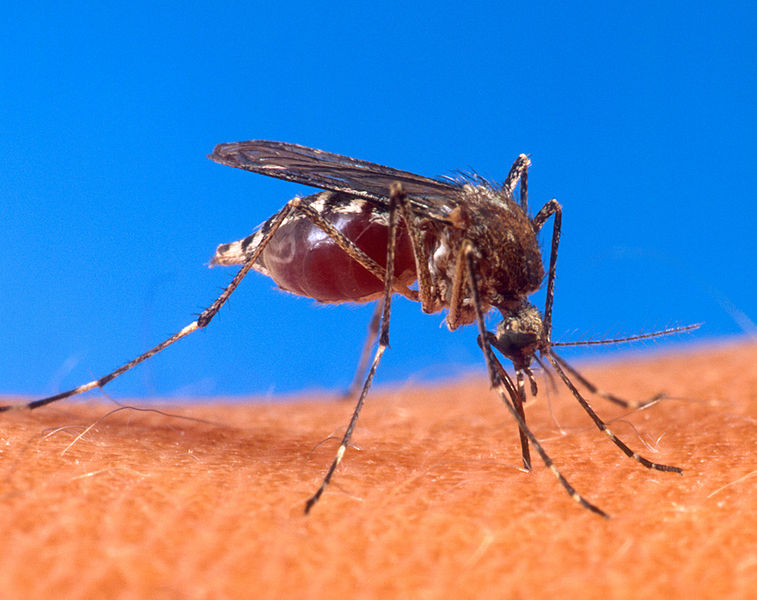
DEET Is Neurotoxic

Photo courtesy the US Department of Agriculture

Get your news from a source that’s not owned and controlled by oligarchs. Sign up for the free Mother Jones Daily.


DEET, the stuff in insect repellants that actually works for more than 12 minutes, is toxic to the central nervous system.

DEET was thought to be just a behavior-modifying chemical. But it turns out it also inhibits a key central nervous system enzyme in both insects and mammals. The paper’s in BMC Biology.

French researchers found that DEET inhibits the acetylcholinesterase enzyme—the same mode of action used by organophosphate and carbamate insecticides. Translation: the really bad kind.

The researchers suggest more investigations are urgently needed to confirm or dismiss any potential neurotoxicity to humans—especially when DEET is used in combination with other neurotoxic insecticides. I think it often is.

DEET was created for the US Army in 1946 and is still the most common ingredient in bug juice preparations. Despite its widespread use, controversies remain concerning both the identification of its target sites at the molecular level and its mechanism of action in insects.

The official DEET site is not biting on this one.

Neither is the CDC. Yet. According to their fact sheet, 30 percent of Americans use DEET products yearly.

Personally, I’ve used gallons of this stuff over the years, working in malarial, mosquitoey places. Never felt good about it. The way it dissolves plastic is unnerving.
 

DECEMBER IS MAKE OR BREAK

A full one-third of our annual fundraising comes in this month alone. That’s risky, because a strong December means our newsroom is on the beat and reporting at full strength—but a weak one means budget cuts and hard choices ahead.

The December 31 deadline is closing in fast. To reach our $400,000 goal, we need readers who’ve never given before to join the ranks of MoJo donors. And we need our steadfast supporters to give again—any amount today.

Managing an independent, nonprofit newsroom is staggeringly hard. There’s no cushion in our budget—no backup revenue, no corporate safety net. We can’t afford to fall short, and we can’t rely on corporations or deep-pocketed interests to fund the fierce, investigative journalism Mother Jones exists to do.

That’s why we need you right now. Please chip in to help close the gap.

DECEMBER IS MAKE OR BREAK

A full one-third of our annual fundraising comes in this month alone. That’s risky, because a strong December means our newsroom is on the beat and reporting at full strength—but a weak one means budget cuts and hard choices ahead.

The December 31 deadline is closing in fast. To reach our $400,000 goal, we need readers who’ve never given before to join the ranks of MoJo donors. And we need our steadfast supporters to give again—any amount today.

Managing an independent, nonprofit newsroom is staggeringly hard. There’s no cushion in our budget—no backup revenue, no corporate safety net. We can’t afford to fall short, and we can’t rely on corporations or deep-pocketed interests to fund the fierce, investigative journalism Mother Jones exists to do.

That’s why we need you right now. Please chip in to help close the gap.

We Recommend

Latest

Sign up for our free newsletter

Subscribe to the Mother Jones Daily to have our top stories delivered directly to your inbox.

Get our award-winning magazine

Save big on a full year of investigations, ideas, and insights.

Subscribe

Support our journalism

Help Mother Jones' reporters dig deep with a tax-deductible donation.

Donate