Pureradiancephoto/Getty
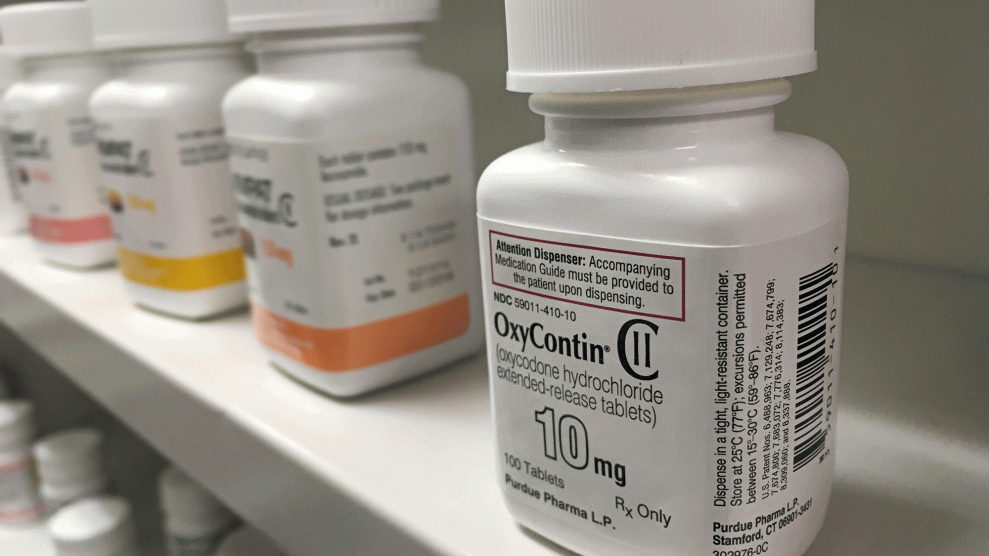
When Sean Thatcher was a sales rep at Purdue Pharma, which makes OxyContin, doctors he visited often complained that their patients were developing tolerance to the opioid painkiller. Thatcher, who worked for the company between 2009 and 2015 in Montana, was instructed to tell the prescribers to increase the dose, and to clarify that addiction isn’t the same as tolerance, or “pseudoaddiction.” He received a bonus based on the number of opioid prescriptions written by the physicians he visited, with higher sales of OxyContin in particular garnering bigger bonuses.
The allegations come from a testimonial included in a lawsuit that Montana filed against Purdue Pharma in February—one that is now part of national multi-district litigation alleging that pharmaceutical companies sowed the seeds of today’s raging opioid epidemic. According to the state’s complaint, Purdue sales reps in Montana paid far more visits than any other opioid maker. The company was aware that, in the last 6 years, 31 Montana doctors made up half of the the state’s Medicaid spending on Purdue opioids, the state alleges. “Instead of reporting potentially suspicious prescribing by these doctors, Purdue continued to profit from it,” the complaint continues.
Purdue’s outsized role in catalyzing the epidemic through aggressive OxyContin marketing has been extensively documented, but Thatcher’s is a rare, first-person account detailing the daily grind of a painkiller salesman.
“Purdue ranked the doctors I visited based on prescription data the company regularly purchased from a commercial source,” Thatcher alleges. “‘High decile’ prescribers were those who prescribed more of Purdue’s drugs or, because of their prescribing of other opioids, were potentially high prescribers. They were priority targets for the sales team.”
Though Thatcher never did so himself, sales representatives routinely encouraged prescribers to pull charts of patients taking opioids manufactured by other companies so that the representative and prescriber could “discuss the appropriateness of converting those patients to a Purdue product,” according to his declaration. If a representative suspected that a doctor was illegally prescribing or diverting the drugs, he wasn’t obligated to keep visiting the doctor’s office, but he also wasn’t encouraged to report the diversion. As Thatcher wrote, “I was not aware of any instance in which Purdue reported a Montana doctor to law enforcement authorities.”
Purdue Pharma declined to respond to the allegations.
Read Thatcher’s full declaration:
Do you have experience working at a pharmaceutical company that manufactures opioids? We’d love to hear from you.
Your message has been sent
Your email address and phone number will not be published and by providing them, you agree to let us contact you regarding your response. We respect your privacy and will not use your contact information for any other purpose.