In the United States, about one in six children have a developmental disability.
Federal law guarantees them an equal education.
But students, parents, teachers, and advocates say the system is broken.
Animation by Janet Mac
There are 7.2 million students with disabilities in the United States. This package explores how our country’s education system underserves them—and the fight to change that.
It has been nearly 50 years since the Individuals With Disabilities Education Act (IDEA) passed, guaranteeing a “free appropriate public education” to disabled students. But our system is not living up to this promise. More than one-third of these students don’t graduate high school. The Department of Education’s Office for Civil Rights has more than 2,500 open investigations into complaints from parents of children with disabilities; some have been unresolved for over a decade. Parents often have to fight for their child’s Individualized Education Program (IEP), a legal requirement under IDEA for uniquely crafted lesson plans to ensure each student has the support they need.
Teachers face stiflingly limited resources. School districts complain they don’t have clear guidance on how to meet federal requirements. At the federal level, investigations have revealed rampant misuse of funds, excessive and inappropriate discipline (especially of Black boys), and exploitation of public dollars by private companies. In short: The education system is steeped in pernicious neglect and administrative failure. It inadequately serves the one in six American students who are disabled. This year, only 22 states met the Department of Education’s disability program requirements.
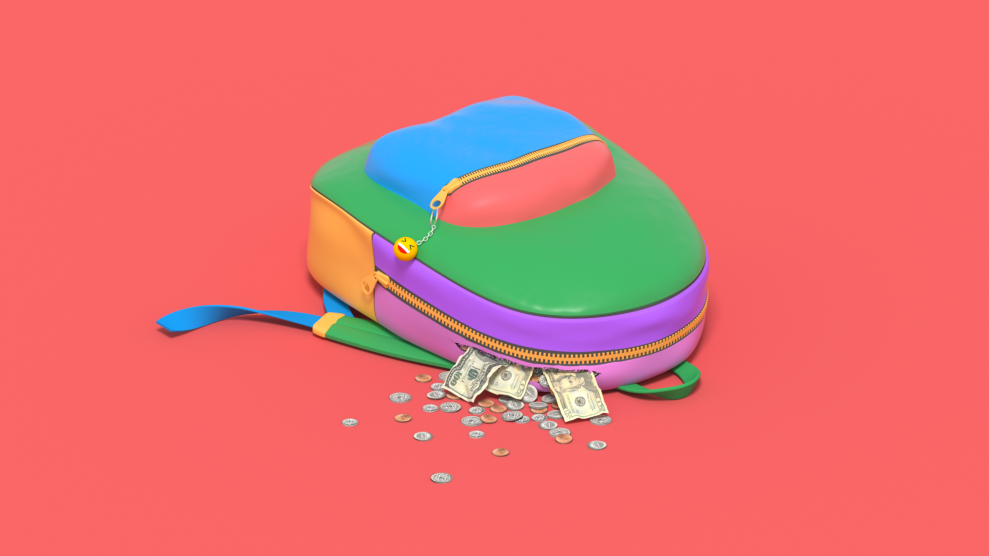
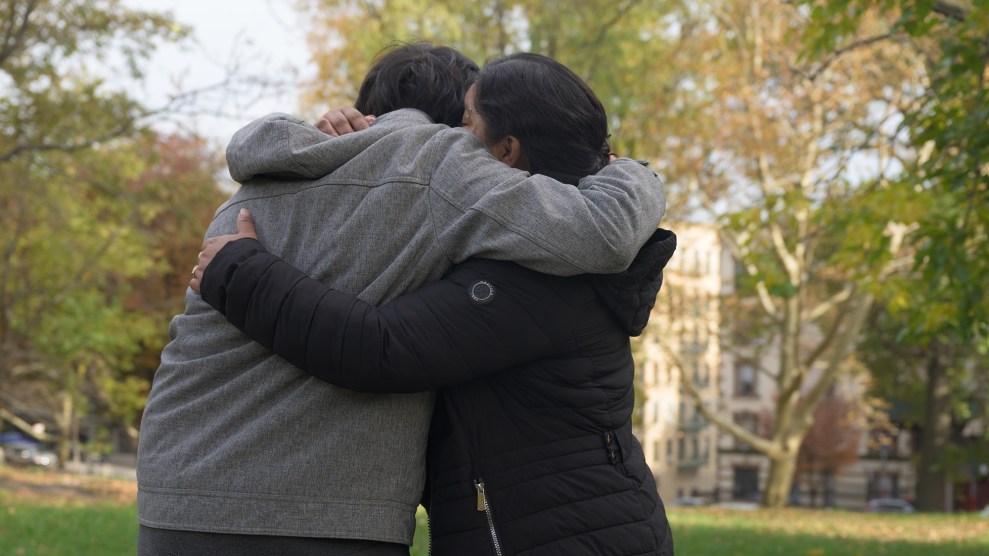
These five stories examine all of these issues and paint a collectively bleak picture, but also a pathway to possible improvement. The stories center young people (K–12) with disabilities and the parents, teachers, and lawyers who fight to get them the education they deserve. One story so common that it could be anywhere in the country shows how the government has never once provided the money it promised to students with disabilities. In another, we see how advances in technology offer autistic students a new and remarkably effective way to learn. The stories span the country. In New York City, we visit a bilingual family’s home to understand the additional hurdles they face in accessing IEPs in the nation’s largest school system. In Hawaii, we explore a statewide effort to correct a critical teacher shortage. In Colorado, we investigate the disproportionate labeling of Black boys as disabled, and how they are systematically moved out of the classroom.
In many ways these stories only scratch the surface, but they come at a time when much is evolving—when a movement is mobilizing and terminology is shifting. “Special education,” a phrase on the books across states and school districts and widely used by parents, teachers, and the federal government, has come under growing pushback by disabled students and advocates who reject it as an outdated pejorative. To its critics, “special” began as a euphemism to replace crueler labels but functions today more like a dysphemism—disparaging a movement for equal rights by mistaking it as a bid for special rights.
But while many advocates don’t like this word, there’s no consensus yet on what should replace it. The stories here don’t skip “special” but limit it to program names, government references, quotes, and whenever it is especially relevant.
Reducing barriers to equal inclusion in education is not done through label shifts alone. Over the past century, many students with disabilities weren’t allowed in schools at all. Many were placed in institutions, and those who were allowed in classrooms had little social or academic support and, unsurprisingly, could not succeed and simply dropped out. Progress has been made, but, as this package shows, harrowing obstacles remain.


Project credits
Project editor-in-chief: Summer Sewell
Project managing editor: Jacob Rosenberg
Reporters: Anthony Conwright, Isabela Dias, Carey Dunne,
DW Gibson, Katie Thornton
Story editors: Summer Sewell, Marianne Szegedy-Maszak
Top editors: Kiera Butler, Daniel King, Nina Liss-Schultz, Maddie Oatman, Jacob Rosenberg
Web developers: Ben Breedlove, Robert Wise
Art directors: Grace Molteni, Adam Vieyra
Photo editor: Mark Murrmann
Copy editor: Leah Angstman
Fact-checkers: Henry Carnell, Maggie Duffy, nia t. evans, Sophie Hayssen, Ruth Murai, Nina Wang
Animator and illustrator: Janet Mac
Photographers: Elyse Butler, Lexi Parra