• Workers Have Lost a Trillion Dollars In Annual Pay Over the Past 20 Years

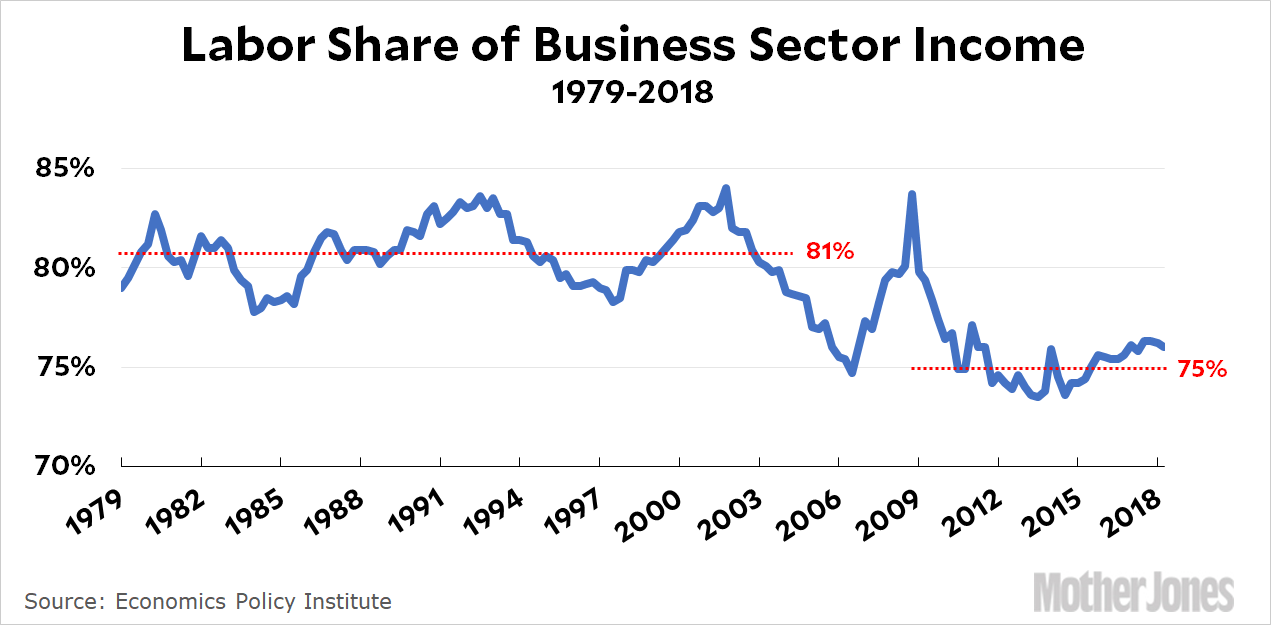
    Courtesy of EPI, here is labor’s share of business income over the past 40 years:

    Since 2000, labor’s share has declined by about a trillion dollars. If you’ve become jaded by numbers this huge and have no idea what they mean on a human scale, it’s simple: this works out to something in the ballpark of $7,000 per worker. If we could just get back to the level of 80s and 90s, we’d all be making about $7,000 more per year.

    This is not a huge ask. It’s not like trying to bring back the postwar Golden Age. We’re talking about something that was common as recently as 20 years ago. Since then, the CEO class has decided to add a trillion dollars to its income by taking it away from its workers. This is something that Democratic presidential candidates ought to share when they’re out on the campaign trail.

  • How Did Lefties Take Over the Democratic Party So Quickly?

    Illustration by Mother Jones

    Henry Farrell asks Sam Rosenfeld about the fight between centrists and lefties within the Democratic Party:

    What’s notable about the current situation is that the centrists aren’t putting up much of a fight at all — certainly not one with any sense of an underlying vision behind it or a factional esprit de corps. All of the energy, motivation and commitment is coming from the left and has been for several years now.

    I think the grass-roots energy powering pols like Bernie Sanders and Alex Ocasio-Cortez belongs to an underappreciated tradition of left-liberal activism within the party that stretches back at least to the labor activists and “amateur” Democrats of the mid-20th century. Across the decades, left-liberal Democrats have argued for a more ideologically cohesive and ambitious agenda and more disciplined and hard-charging partisanship, to make the party into a vehicle for social democracy. The ideological space separating the dueling factions has arguably become much smaller, as the party system has ‘sorted’ liberals into the Democratic Party. If Hillary Clinton or even Henry Cuellar are the intraparty bete noirs of the left, rather than Howard Smith and James Eastland, something’s changed.

    The first sentence here is the most important one: there’s really not much of a fight going on at all. Partly this is because the entire party became relatively more liberal as it went through the process of losing a big bloc of southern white conservatives that abandoned it for a new home in the Republican Party. But more recently I think there’s something different going on.

    It starts with the observation that there are two fundamentally different kinds of left-wing “centrists.” The first genuinely has pretty moderate views. The second actually has fairly lefty views but doesn’t think there’s any chance of getting them enacted. So they propose moderate programs not because it’s all they want, but because it’s all they think they can get. These folks are best thought of as tactical centrists.

    Barack Obama was a genuine centrist in some areas (fiscal policy, for example), but a tactical centrist in others. I don’t have any doubt, for example, that he’s supported true national health care pretty much forever. He just didn’t admit it because he didn’t want to come off as too radical. And once elected, he let Congress take the lead and create the Affordable Care Act because he was keenly aware that it was the most he could get from the Democratic Party at that time.

    But what happens to tactical centrists when, suddenly, national health care becomes a mainstream idea again?¹ Well, they were always for it privately, so they’re perfectly happy when it becomes OK to say so publicly. This seems like a shift to the left in the party, but it’s really more of a shift to the left in the nation. There have always been plenty of Democrats who were willing to talk about universal health care, but only recently have they become convinced that the public is ready to hear about universal health care. This explains why “centrists” aren’t fighting back very hard against the new lefties. For a lot of them, the reason is simple: they agree with them and always have.

    ¹Why “again”? Because it was a mainstream idea in the party for nearly the entire 20th century up through the early 70s. It was only later that it became something of a hot button, and only after the failure of Bill Clinton’s health care program that it became truly off limits.

  • Obamacare Enrollment Down Slightly in 2019

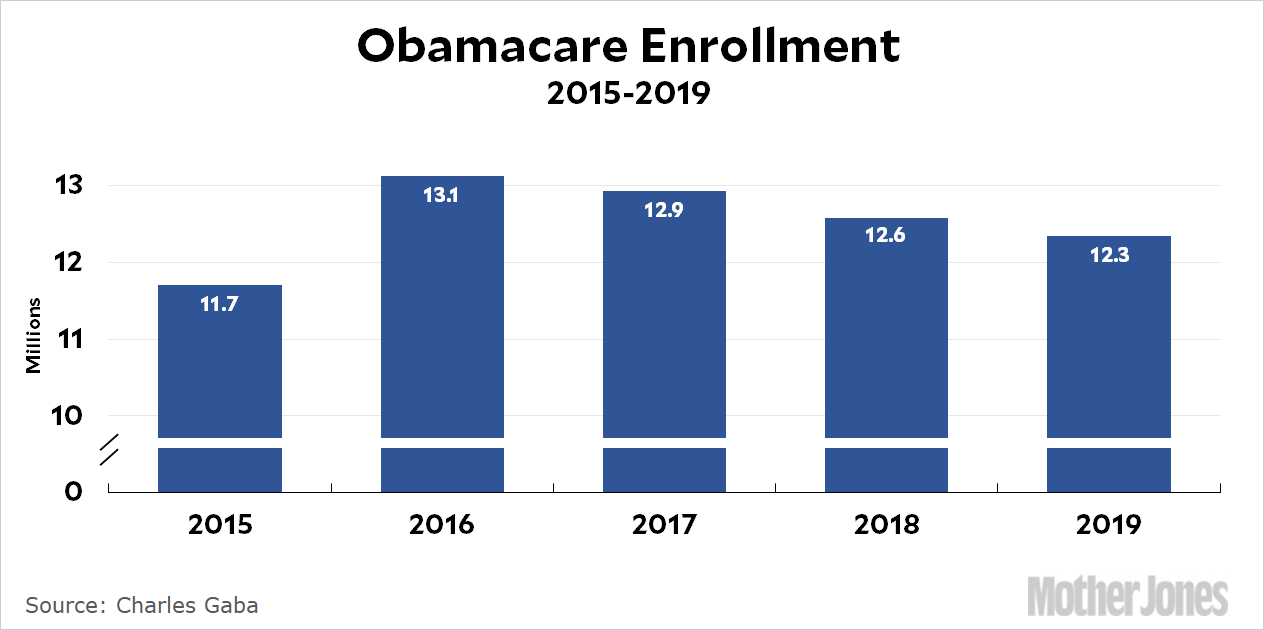
    California reported its final Obamacare enrollment figures today, and that just about wraps things up for this year. Via Charles Gaba, here are the final enrollment numbers for the past few years:

    Enrollment numbers dropped by about 300,000 from last year, and all of that was due to a decline on the federal exchange. It’s tempting to conclude that the culprit for this is Donald Trump’s efforts to sabotage Obamacare, but the declines began in 2016, when Obama was still in office,¹ and have continued pretty steadily since then. My guess is that they’re most likely due to an improving economy, which has put people back to work and given them access to employer health insurance. This in turn means that every year some number of people will drop out of Obamacare and sign up with their employer plan instead.

    But it’s really hard to say for sure. The size of the decline is small (a couple of percent per year); we don’t have Medicaid numbers yet; and as we saw a few days ago, we don’t even know if the total number of uninsured has increased or stayed flat. Given all this, the reason behind the decline on the federal exchange might not even be knowable.

    In any case, the size of the year-to-year changes is so small that I wouldn’t worry too much about it. It’s a gnat in the overall health care picture.

    ¹The 2017 year began in October 2016 and ended in early 2017. That’s all Obama.

  • Lunchtime Photo

    This is a mystery flower from our backyard. Marian doesn’t remember what it is, and of course I never knew in the first place. But it’s certainly very colorful, isn’t it?

    I was going to insert a joke here about how this must be a hardy variety of flower since it’s surviving our chilly 64º temps today, but I don’t have the heart. All of you in the Midwest take care of yourselves, OK?

    UPDATE: It’s an African daisy, possibly the Pink Sugar variety.

    January 29, 2019 — Irvine, California
  • There’s a Bigger Difference Between 6 and 10 Than You Think

    What the hell?

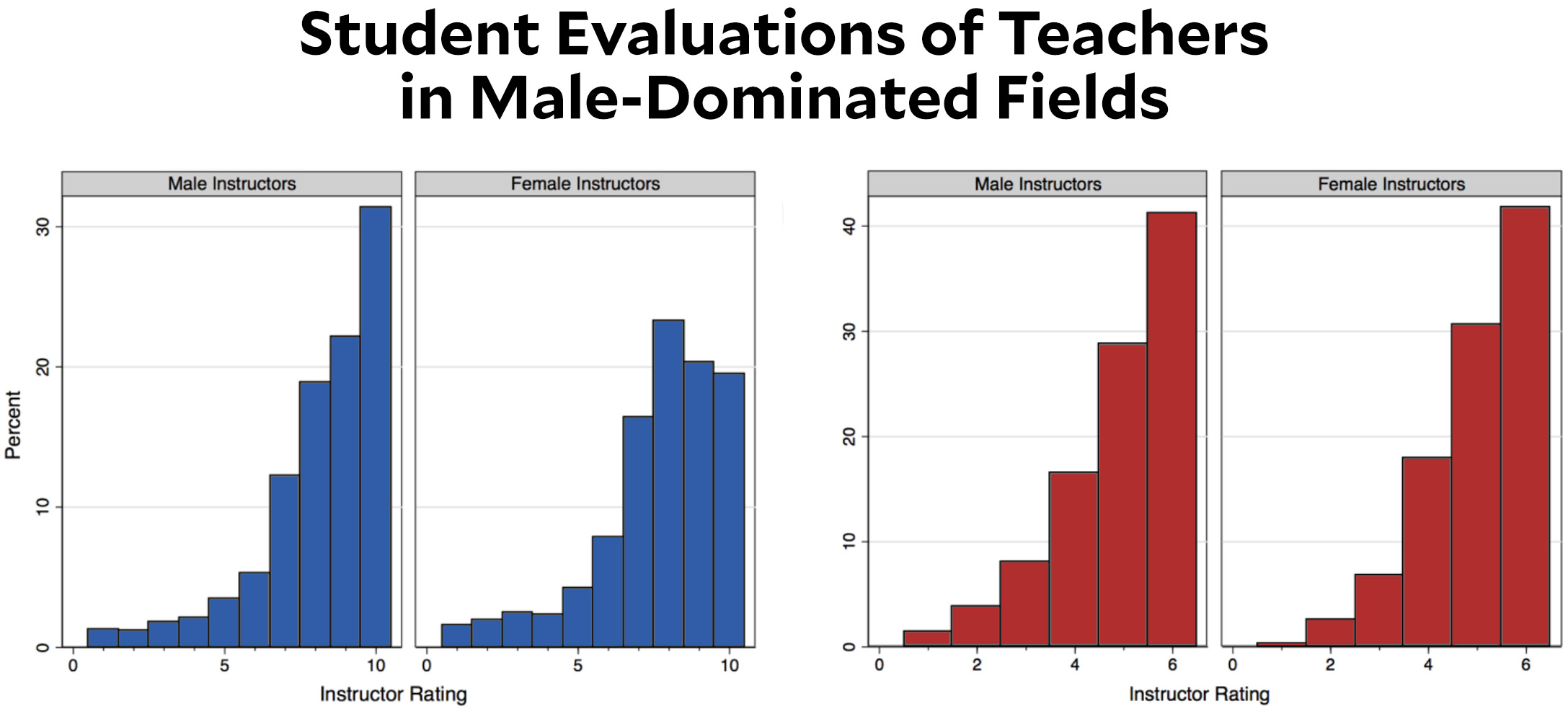
    This is exactly what it looks like. A large research university decided to switch its teaching evaluation surveys from a 10-point scale to a 6-point scale. In most fields, this made little difference. But in fields that are traditionally male-dominated, the enormous gender gap in evaluations disappeared. Why?

    This chart comes from a new paper by Lauren Rivera and András Tilcsik, and they don’t really seem to know either. Here’s what they say:

    Drawing from a complementary survey experiment, we show that this effect is not due to gender differences in instructor quality. Rather, it is driven by differences in the cultural meanings and stereotypes raters attach to specific numeric scales. Whereas the top score on a 10-point scale elicited images of exceptional or perfect performance—and, as a result, activated gender stereotypes of brilliance manifest in raters’ hesitation to assign women top scores—the top score on the 6-point scale did not carry such strong performance expectations. Under the 6-point system, evaluators recognized a wider variety of performances—and, critically, performers—as meriting top marks. Consequently, our results show that the structure of rating systems can shape the evaluation of women’s and men’s relative performance and alter the magnitude of gender inequalities in organizations.

    In other words, students viewed a 9 or 10 on a scale of 1-10 as implying true brilliance, and they were reluctant to evaluate female instructors as brilliant. However, a 6 on a scale of 1-6 doesn’t carry the same connotations. Students interpret it as really good, but not necessarily brilliant. Because of that, they were perfectly happy to evaluate the top female instructors with the top evaluation.

    Do you believe this? Do I believe it? Beats me. The sample size in the study is large, so that’s not a problem. The switch to a 6-point scale was unrelated to gender concerns, so that’s not an issue. The modeling appears to be reasonable. And the change in results is large. The effect sure seems real, but it’s still anyone’s guess about why the effect is real and why it’s so large. Given my respect for cognitive biases like framing effects, the authors’ explanation seems OK to me, but it’s still a bit of a guess. I’d sure like to hear a few other people weigh in.

  • Yes, There’s Yet Another Story About Facebook and Privacy

    Ron Sachs/CNP/ZUMA Wire

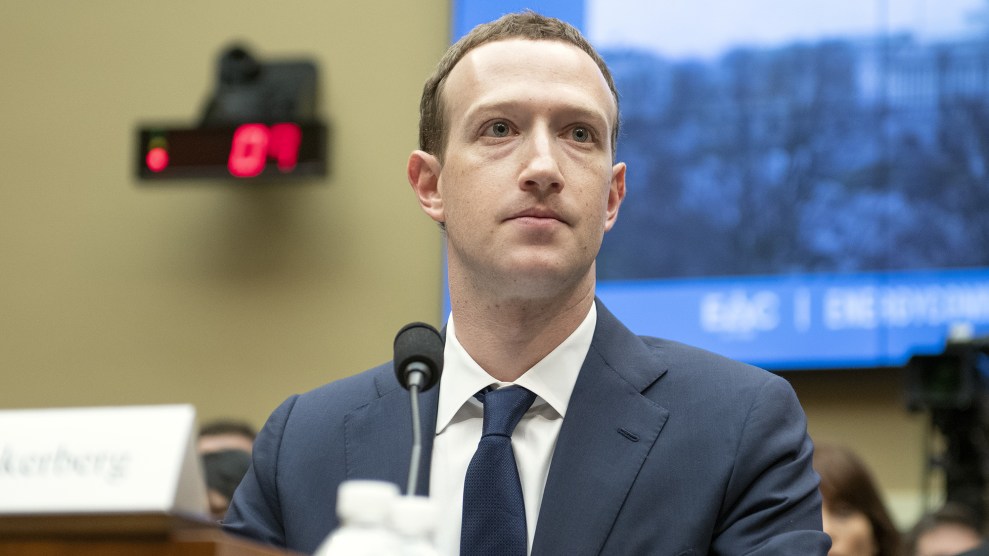
    Last night I read a story at TechCrunch about a research project run by Facebook. Long story short, they used an Apple program that allows unapproved iPhone apps to be released internally to employees, and instead used it to release an app to regular users. The app asks for root level access to your phone and gives Facebook access to pretty much every single thing you do: email, messaging, shopping, location, etc. The research program was aimed at both adults and teens (with parental consent).

    Today, Facebook announced that it was halting the iPhone version of its program, but before they could shut it down Apple blocked it. Facebook naturally issued a statement saying it had done nothing wrong but…well, you know. They value the privacy of their customers above all else blah blah blah.

    Only the Apple version of the app has been banned, since Apple controls app installations on iPhones with an iron fist. They don’t like Facebook’s research program, so out it goes. There’s no such control over Android apps, however, so the Android app is still out there. And I imagine it will stay out there until there’s a bunch of public pressure to kill it, at which time Mark Zuckerberg will tearfully admit that they’ve made a mistake, but they’ve learned from it and they value the privacy of their customers above all else blah blah blah.

    Mark Zuckerberg believes in his heart of hearts that an obsession with privacy is bad for the world, and his goal is to help humanity by getting us all comfortable with the idea of our personal information being shared with everyone. He believes in this religiously, which means he’s simply never going to stop pushing the boundaries of privacy as far as he can. There’s no reason to think that he will ever voluntarily turn Facebook into a good actor.


  • Foxconn Drops US Manufacturing Plans

    The Foxconn site last year, when President Trump was taking credit for the entire thing.Brian Cassella/TNS via ZUMA

    Remember that huge factory Foxconn was going to build in Wisconsin? The one that Scott Walker and Donald Trump were so excited about? The one that got $4 billion in tax breaks? Well, about that:

    Foxconn is reconsidering plans to make advanced liquid crystal display panels at a $10 billion Wisconsin campus, and said it intends to hire mostly engineers and researchers rather than the manufacturing workforce the project originally promised.

    ….Louis Woo, special assistant to Foxconn Chief Executive Terry Gou, told Reuters […] the company was still evaluating options for Wisconsin, but cited the steep cost of making advanced TV screens in the United States, where labor expenses are comparatively high. “In terms of TV, we have no place in the U.S.,” he said in an interview. “We can’t compete.”

    Rather than a focus on LCD manufacturing, Foxconn wants to create a “technology hub” in Wisconsin that would largely consist of research facilities along with packaging and assembly operations, Woo said. It would also produce specialized tech products for industrial, healthcare, and professional applications, he added.

    But what about the 13,000 workers Foxconn promised to hire? They say they may still get there eventually, but you’d be right to be skeptical. Their goal for 2020 has already dropped from 5,000 workers to 1,000.

  • Trump Lied About E-Verify During 2016 Campaign

    As we all know, nothing matters. Still:

    President Trump’s company plans to institute E-Verify, a federal program that allows employers to check whether new hires are legally eligible to work in the United States, in every one of its golf clubs, hotels and resorts, following a Washington Post report that its club in Westchester County, N.Y., employed undocumented immigrants for years….The move is the first acknowledgment by the president’s private business that it has failed to fully check the work status of all its employees, despite Trump’s claims during the 2016 campaign that he used E-Verify across his properties. At the time, he called for the program to be mandatory for all employers.

    Just another routine lie. Is there anything he actually told the truth about during the 2016 campaign? There have to be one or two things, don’t there?

  • Lunchtime Photo

    You’ve heard of the lion in winter? This is a crow in winter. Or at least a crow in moderate morning fog, which is the closest thing we get to winter here in Southern California. I wish this were a more impressive bird, like a raven or a mutant condor or something, but no. It’s just a common crow. So boring.

    December 22, 2018 — Irvine, California
  • We Need a Scorched-Earth Campaign Against Health Care Insurers

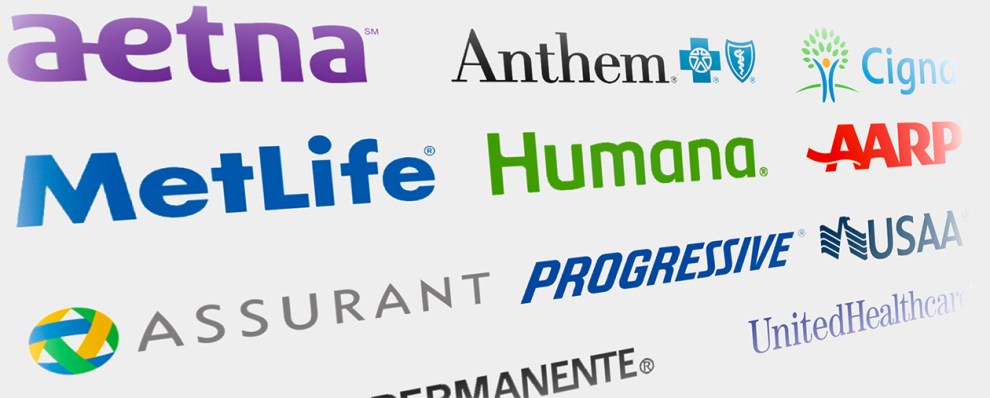
    Is one of these your insurance carrier? Do you love them? Do you even give them a second thought except when you have a problem? Would it bother you if, instead of showing your insurance card when you visited the doctor, you showed your Medicare card instead?

    A friend just emailed me to say that Americans will never give up their private health care plans. Minutes later, I read a post from Martin Longman making much the same point:

    In theory, I am very enthusiastically in favor of eliminating the private for-profit health insurance industry entirely. Yet, I know that this would cause a political firestorm unlike anything we’ve seen since George W. Bush tried to privatize Social Security. In fact, it would likely be an order of magnitude more controversial than that fiasco. To make matters worse, it’s a promise that could not be kept. To even contemplate the passage of such a bill, the Democrats would need a supermajority in the Senate, and that’s not in the offing anytime soon.

    ….The question, then, is why would a presidential candidate run on a platform that included the elimination of private heath insurance? It might help them win the Democratic nomination, but thereafter it would weigh on them like an albatross….If they nevertheless won the election, which is certainly possible, they would have to abandon their promise or they’d wind up taking a huge beating much like Trump did in his effort to repeal Obamacare.

    Well. Maybe that’s true, maybe it isn’t. This was all kicked off by Kamala Harris saying she wants to “eliminate all of that”that being private health insurance—but this doesn’t mean she wants to eliminate all private insurance immediately. It could just as easily mean she supports a plan that would phase out private insurance over time. I suppose we’ll find out when she releases her inevitable health care white paper.

    But let’s put that aside for a moment and ask ourselves: Are Americans really in love with their health insurers? Given the way health insurers treat people, that’s hard to believe. Americans do seem to be in love with their doctors, but that’s an entirely different thing.

    But maybe I’m wrong. If so, what’s needed is a scorched-earth, Republicanesque jihad against health insurers. Blanket the airwaves with horror stories of insurance companies denying claims. Get some telegenic doctors to show off their staff and tell us that these people spend 100 percent of their time arguing with insurance companies to get fair treatment for their patients. “It adds $50 to every visit,” or something like that. Pan over to gravestones of people who died because their insurance company refused treatment.

    You get the idea. I truly don’t think it would take much to turn insurance companies into pariahs. People already bitch about them endlessly, after all. At a guess, every single person reading this knows someone who has personally had to spend dozens or hundreds of hours on the phone with an insurance carrier to adjudicate some complicated bit of medical care.

    Would Democrats be willing to fight an industry this ruthlessly? Hard to say. They’re willing to do it to the gun industry and the fossil fuel industry. So why not the health insurance industry?