• The FBI’s New York Office Really Hated Hillary Clinton

    There’s very little evidence that the FBI was biased in any way against President Donald Trump during the 2016 campaign. The sole piece of evidence that Trump relies on for this allegation is a series of private texts between Peter Strzok and Lisa Page, but there’s no evidence at all that their private views ever affected any of their actions.

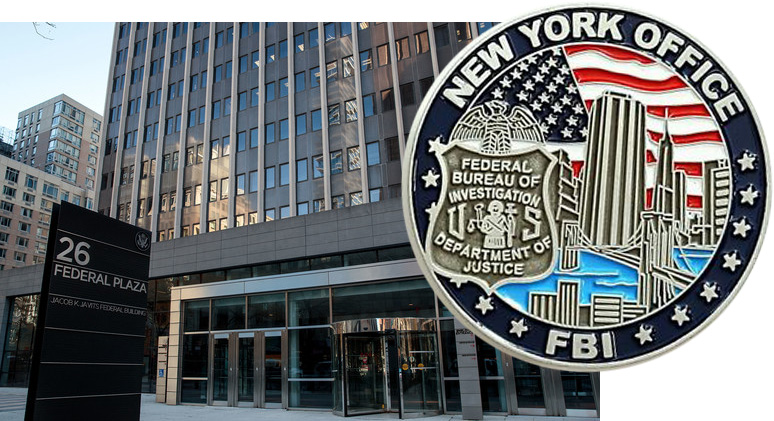
    Just the opposite is true for the FBI’s New York office, which obviously harbored considerable animus toward Hillary Clinton and just as obviously took concrete steps to help Trump. Here’s a short version of the evidence:

    1. The Nunes Revelation

    A few days ago, Rep. Devin Nunes admitted something he had never acknowledged before: In late September 2016, New York FBI agents told him about the existence of Anthony Weiner’s laptop, which eventually led to the Comey letter of October 28.

    2. The Giuliani Whisper Campaign

    On October 26, Rudy Giuliani boasted to Fox News’ Martha MacCallum that Trump had “a surprise or two that you’re going to hear about in the next two days. I’m talking about some pretty big surprise.” He later backtracked, but it’s pretty clear that agents in the New York office had told Giuliani what was going on.

    3. The Inspector General’s Report

    The recent inspector general’s report confirms what we’ve long known: One of the reasons Comey wrote his October 28 letter was his fear that the New York office would leak about the Weiner laptop if he didn’t.

    As we describe in Chapter Ten of our report, the factors considered during those discussions included…Fear that the information would leak if the FBI failed to disclose it.

    Jim Baker, the FBI’s general counsel, confirmed that the possibility of a leak was widely discussed within the bureau:

    Baker told us that a concern about leaks played a role in the decision to send the letter to Congress. Baker stated: “We were quite confident that…somebody is going to leak this fact. That we have all these emails. That, if we don’t put out a letter, somebody is going to leak it. That definitely was discussed.”…Baker told us that “the discussion was somebody in New York will leak this.”

    4. The Dickey Conversation

    On the day of the Comey letter, a fellow named Jeremy Dickey overheard an FBI agent making a telephone call on a plane.

    5. The Loretta Lynch Confirmation

    The inspector general’s report also tells us about a conversation Comey had with Attorney General Loretta Lynch three days later. Here is Comey’s recollection of that conversation:

    I said, “Look this is really bad, but the alternative is worse.” And then she said, “Yeah would they feel better if it had leaked on November 6th?” And I just said, “Exactly Loretta.”

    And Lynch’s:

    He said it’s clear to me that there is a cadre of senior people in New York who have a deep and visceral hatred of Secretary Clinton. And he said it is, it is deep. It’s, and he said, he said it was surprising to him or stunning to him.

    This isn’t everything, just the clearest evidence we have not just that the New York office hated Clinton and were widely known leakers, but that everyone knew they hated Clinton, and that a leak was inevitable once the Weiner laptop was discovered. This was, for some reason, not a topic the inspector general highlighted much in his report. However, the more general topic of the FBI’s “culture of leaks” will apparently be the subject of a future report.
  • No Decision in Gerrymandering Case

    The Supreme Court punted another case today:

    The justices have had trouble in previous cases deciding gerrymandering issues. That tradition continued Monday, as the court left for another day resolution of the hardest question: whether the Constitution forbids a political party from drawing distorted election maps for its own benefit….The Supreme Court, in an opinion by Chief Justice John Roberts, said the challengers hadn’t yet adequately shown that they had legal standing to sue. Still, the court said the plaintiffs should be allowed another chance to show that they were harmed in a concrete way by the GOP line-drawing, and it sent the case back to a lower court.

    This probably points to some genuine indecision on the part of one or two of the justices. The question is: what is it they’re having a hard time with? Today’s ruling doesn’t really give much of a hint. I can only hope that as gerrymandering gets more outrageous and more computerized, they finally figure out that something needs to be done to restore the intent of the Constitution.

  • Republicans Are Mean As Hell

    Donald Trump has made plain what’s long lurked barely below the surface of American politics: it’s not so much a contest between liberal and conservative as it is between kindness and meanness. God knows, not every liberal is kind and not every conservative is mean. But that’s sure the way to bet these days.

    Republicans are mean and getting meaner. It’s now the foundation of their party, and Trump has decided to make it a selling point, not something to be ashamed of. They’re just plain mean and they’re proud of it.

  • Astrophotography Finale — Almost

    I was up in Chico this weekend, and during my usual sleepless Thursday night I drove out to Plumas National Forest to take some pictures under a really dark sky. I drove up Highway 70 to Belden and then took a small road up to the Caribou hydropower station, which seemed like a pretty good choice when I was looking at the map. Unfortunately, it turned out that everywhere I went was hemmed in by trees that blocked the sky. I didn’t have time to look around for a better viewing area, but the good news is that it was really dark, the sky was clear, and eventually I found a spot that was good enough to get some decent pictures of the Milky Way.

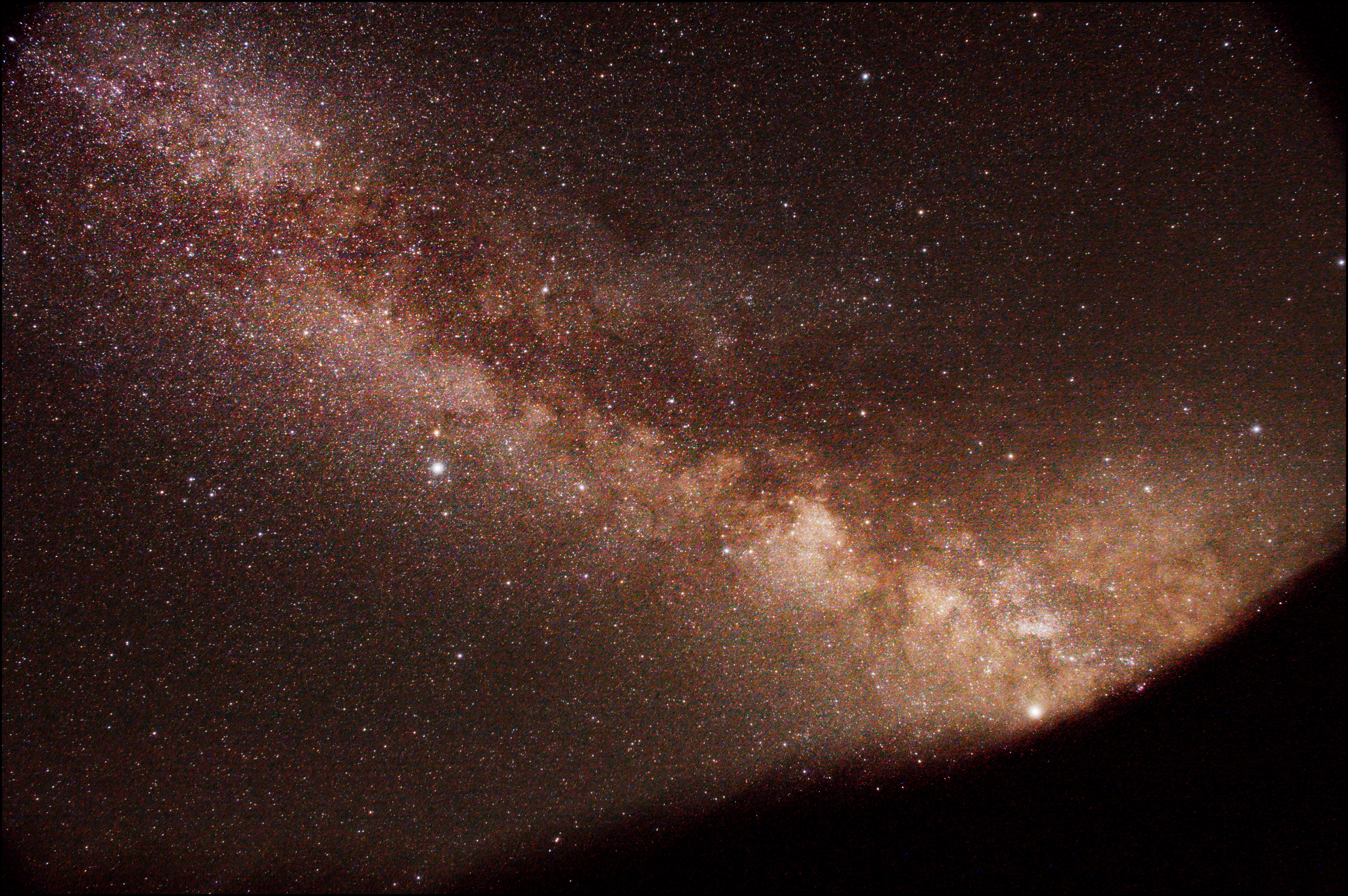
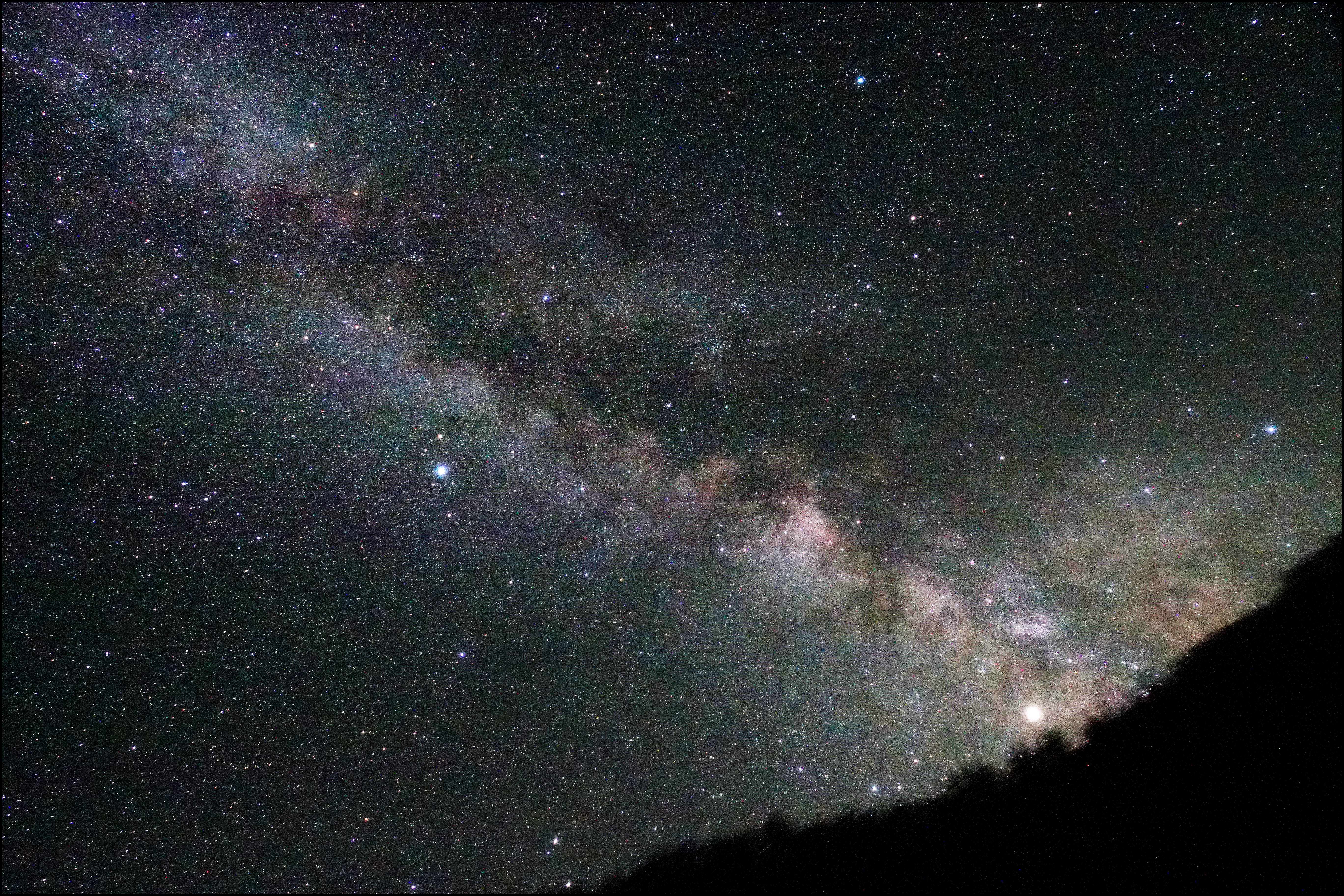
    The tracking mount worked well and I took both RAW and JPG images. This time I figured out how to stack the RAW images correctly and then did similar post-processing on both the stacked image and the ordinary JPG image that came straight out of the camera. Here they are. They’re both full-size images saved at minimum compression, so they’re very large. If you right-click, you can view them full size in order to judge for yourself which one has less noise:

    June 15, 2018 — Plumas National Forest, California — Stacked RAW images
    June 15, 2018 — Plumas National Forest, California — JPG image

    The stacked image lost most of its color for some reason. I’m not sure why. It’s also a little brighter, but that’s due to variations in the post-processing, not the images themselves. If I were more careful, both images would be equally bright.

    A few comments:

    • My take is that the JPG image using the camera’s built-in noise reduction is cleaner than the stacked images. It’s possible I’m not getting as much as I could out of the stacking software. I used seven images plus one dark image, and I could always do more than that. Still, that should produce pretty good results. The alternative is that the camera’s built-in noise reduction is just really good.
    • There’s a real drawback to the sky being super-dark: the background stars show up so brilliantly that they actually interfere with the image of the Milky Way. It’s possible that a very clear night and a slightly less dark sky might be the ideal combination for this kind of photography.
    • This is probably about the limit of what my camera can produce. I still plan a short trip out to Utah or Arizona later this year to take some pictures under the darkest night skies and prettiest backdrops in America, but I don’t expect the basic quality to be much different.
    • Everyone who told me that the Milky Way was awesome with the naked eye lied to me. This time around, the sky was dark and clear and at one point I took a full half hour to do nothing but look at the sky and let my eyes adjust. Even then, the Milky Way is little more than a hazy blur, not really very impressive at all. It’s nothing at all like you see in these pictures, which were exposed for five minutes.

    That’s about it for the next month or two, as far as the Milky Way goes. I’ll have more in July or August, depending on when I take my mini-vacation.

  • Bad Boy! Eat This Pizza!

    So, um, this:

    City investigators soon received reports of more unusual activities, such as staffers being punished by having to eat an entire pizza in one sitting.

    Apparently that happened at the Los Angeles Department of Building and Safety. It’s not something you see every day at a major municipal agency, is it?

    (But what size pizza? Thin or thick crust? What toppings?)

  • Do Crime Declines Produce Higher Housing Prices?

    Here’s something out of the blue. A few days ago I read Chris Hayes’ A Colony In a Nation, and in it he asserted that New York City’s big crime decline of the 90s and aughts was partly responsible for the city’s skyrocketing property prices starting around 2000. This is not only plausible, but almost undeniable. Of course people are willing to pay more to live in places with lower crime rates.

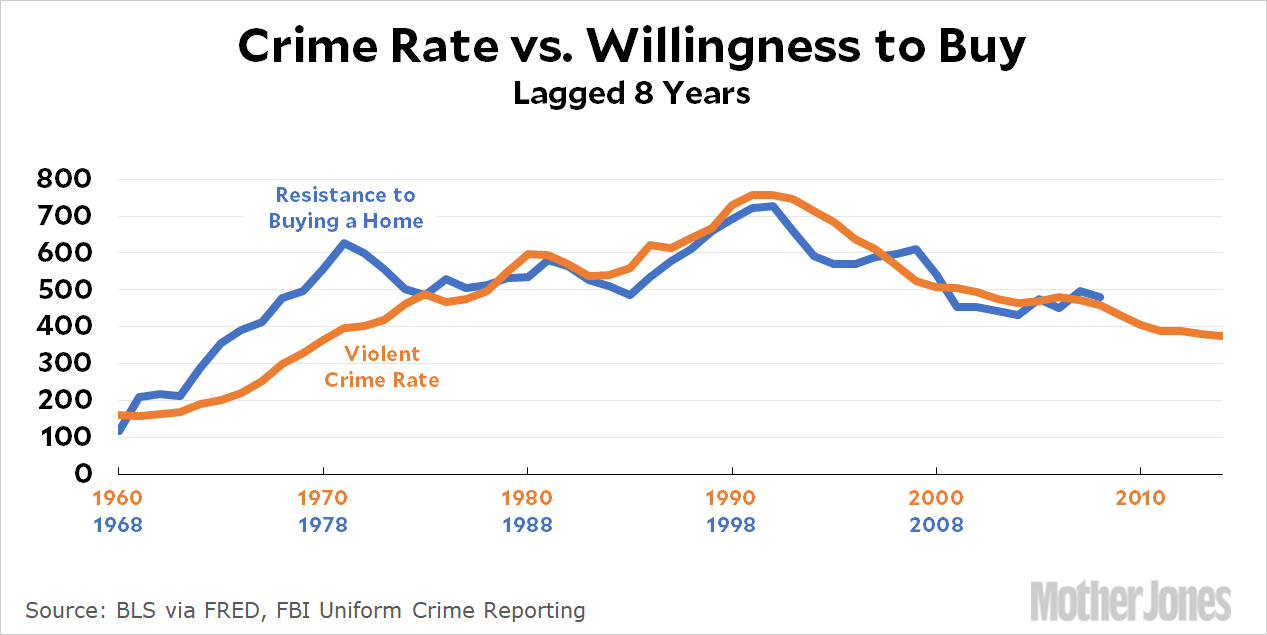
    Plausible, yes. Undeniable, maybe. But is it true? I was curious, so I set out to figure out a way to crudely test this. First, I looked at national housing prices since 1960 and then deflated them by income. Since housing prices are represented by a BLS inflation index, the resulting number doesn’t directly represent anything concrete, but you can think of it as willingness to pay a certain percent of your income for a given size of house. I then did some arithmetic to make the resulting curve more readable and turned it upside down so it shows resistance to buying a home. Then I placed it on a chart along with the national crime rate. Here it is:

    That’s actually kind of remarkable. Once I had the curve, I looked for the lag in years that produced the best eyeball fit. The answer was about eight years, which is what the chart above shows. Roughly speaking, from 1968 to 2000 people reduced the percentage of their income they were willing to spend on a home. Then that shifted and people were willing to spend more.

    This is very crude for a number of reasons, but it’s suggestive that crime rates really do affect willingness to spend money on a home. So I tried a second test. In this one, I pulled out every city that has its own BLS inflation index for primary residence. Then I calculated two things for each city:

    • The change in the violent crime rate from its peak in 1991 to 2014.
    • The change in housing prices from 2000 to 2017, deflated by median income.

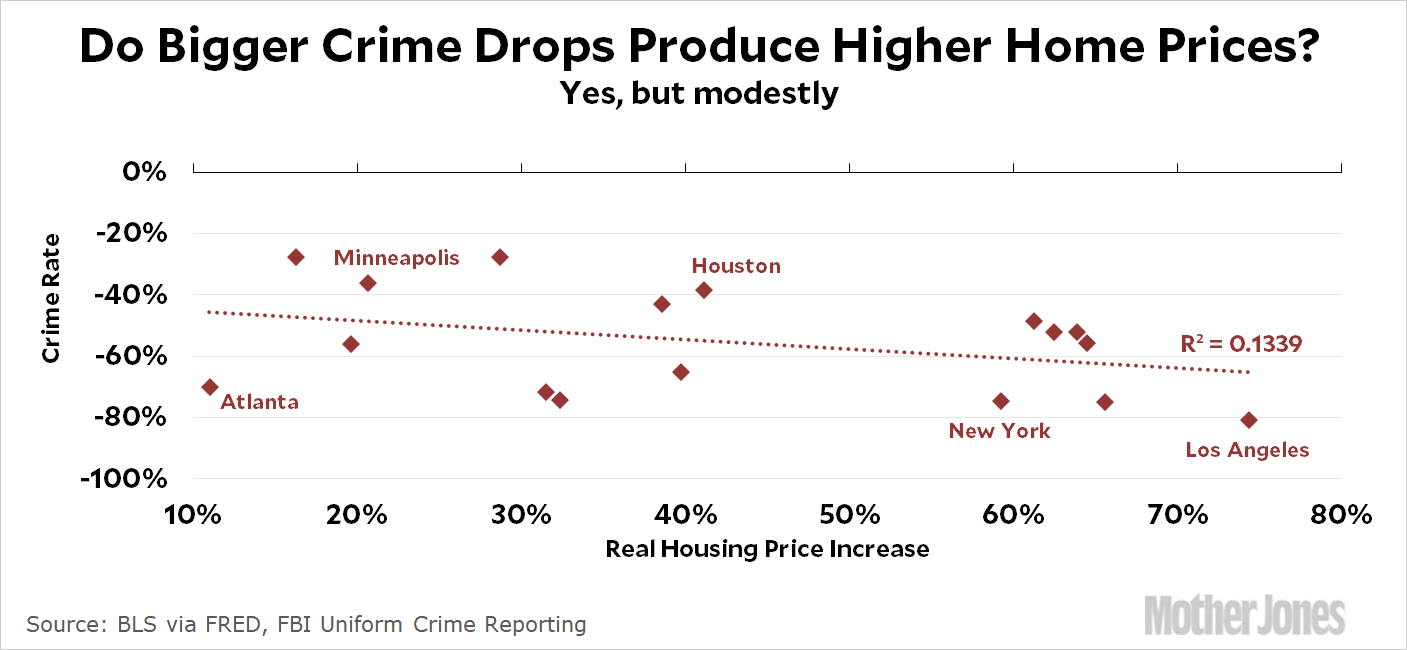
    Our working theory is that cities with a bigger crime decline will show bigger housing price increases eight years later. Here’s the chart:

    At a first pass, it looks like cities with bigger crime declines did indeed see bigger increases in home prices. However, although the effect is real, it’s fairly modest. Crime appears to play a role, as we’d expect, but not a big one. It explains about 13 percent of the differences between cities, leaving 87 percent up to other causes.

    Does a smallish effect like this validate our crime-housing theory? Or is it surprisingly low? I haven’t made up my mind about that. But here’s an interesting bit of data: if I lag home prices by only a few years, there’s no effect at all. The increase in home prices since 1995 shows no correlation at all with crime rates. This boosts the crime theory, I think, since we’d expect it to take a decade or so before people really started noticing that crime was dropping and became convinced that it was safer to move somewhere.

    I did this out of curiosity, and there are plenty of reasons that it’s all pretty crude. The most serious, to me, is that the FBI uses agency reporting for crime while the BLS uses SMSAs for housing prices. So crime rates for Los Angeles, for example, include only crime reported by the LAPD, while home prices include Los Angeles, Orange County, and Riverside because they’re all part of the Los Angeles SMSA. A tighter look at home values would improve things, but I’m not sure where to find that data.

    Mainly, I wanted to put this out there as motivation for someone with stronger housing and statistical chops than mine. With higher-quality data and proper controls, does the correlation still exist? Does it get stronger? Or does it stay modest? If anyone feels like doing a more sophisticated job on this, I’d be interested in seeing it.

    UPDATE: I made a mistake transcribing the data for Minneapolis in the scatterplot chart. Crime is not up since 1991, it’s down by about 35 percent. I’ve corrected the chart.

  • That Was Then, This Is Now

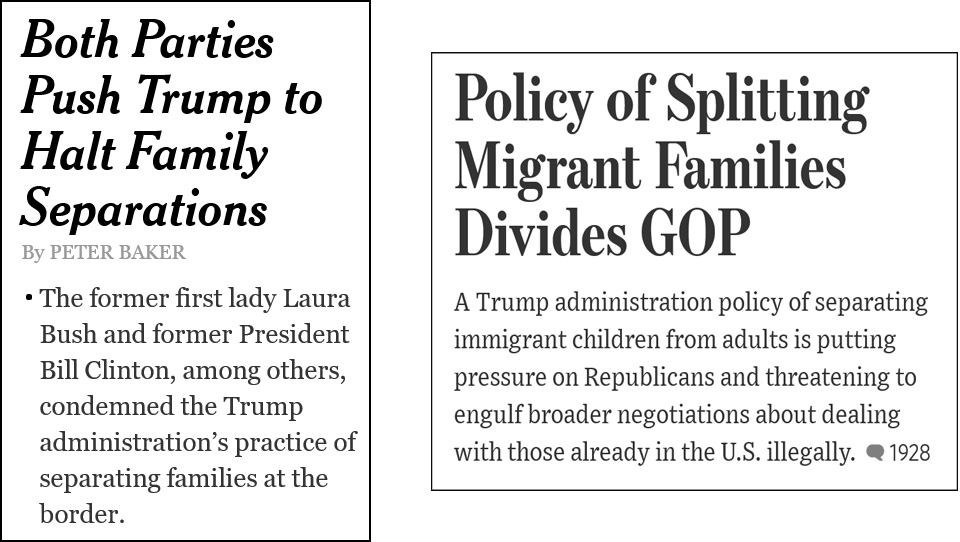
    Yesterday’s hotness: Separating migrant children from their parents isn’t a policy we chose. It was forced on us by laws passed by Democrats.

    Today’s hotness: We’re separating children because it gives us leverage. We’re going to keep doing it until Democrats give us money to build my wall.

  • Friday Cat Blogging – 15 June 2018

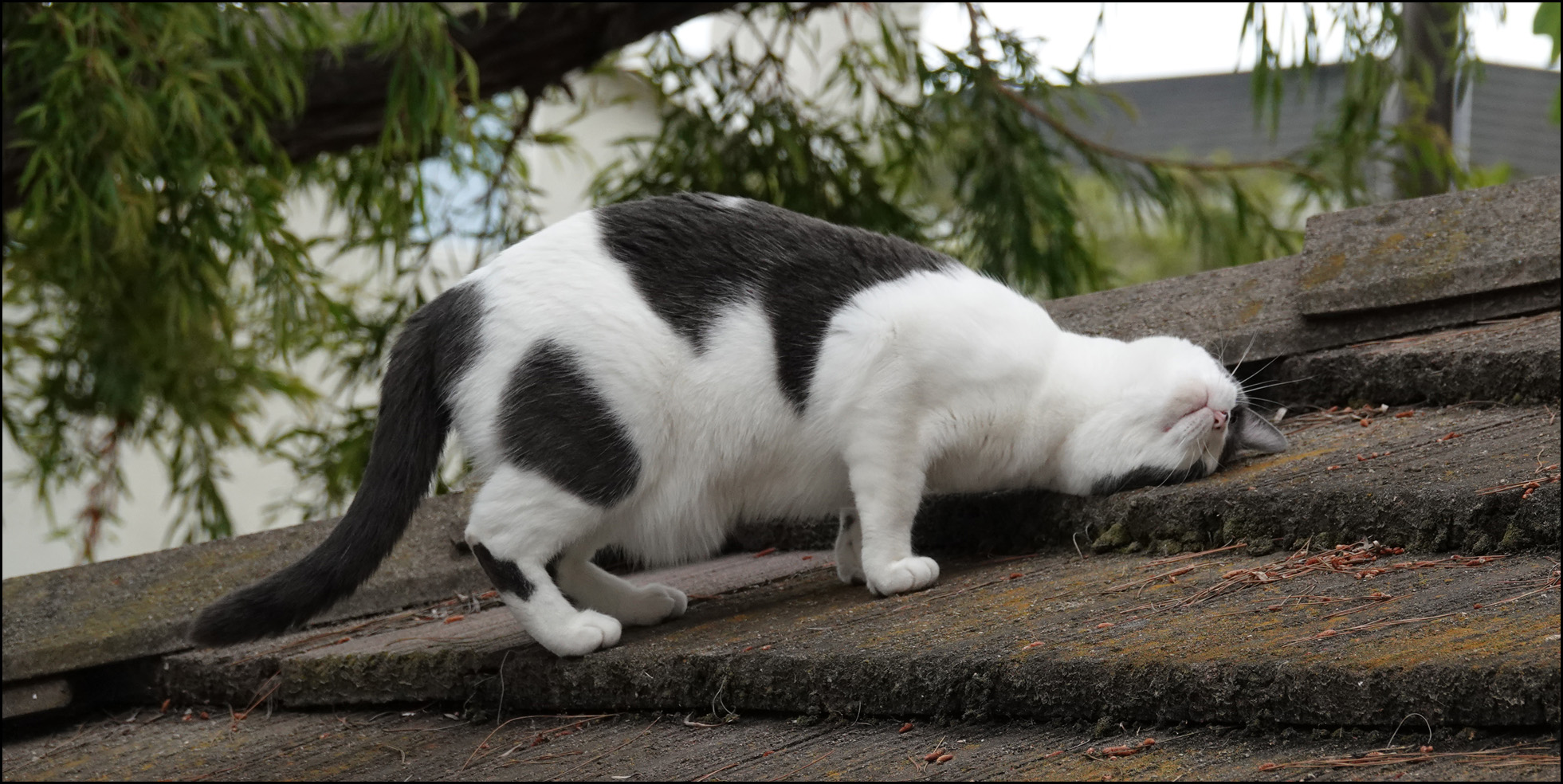
    Our roof tiles are made of some kind of striated concrete stuff, which makes them ideal for cat scratching. Hopper finally figured this out the last time she was roaming around on the roof and spent several minutes indulging herself. I suspect that no human being will ever be quite as happy as a cat who’s blissed out while scratching its own cheek.

  • Bonus Cat Blogging?

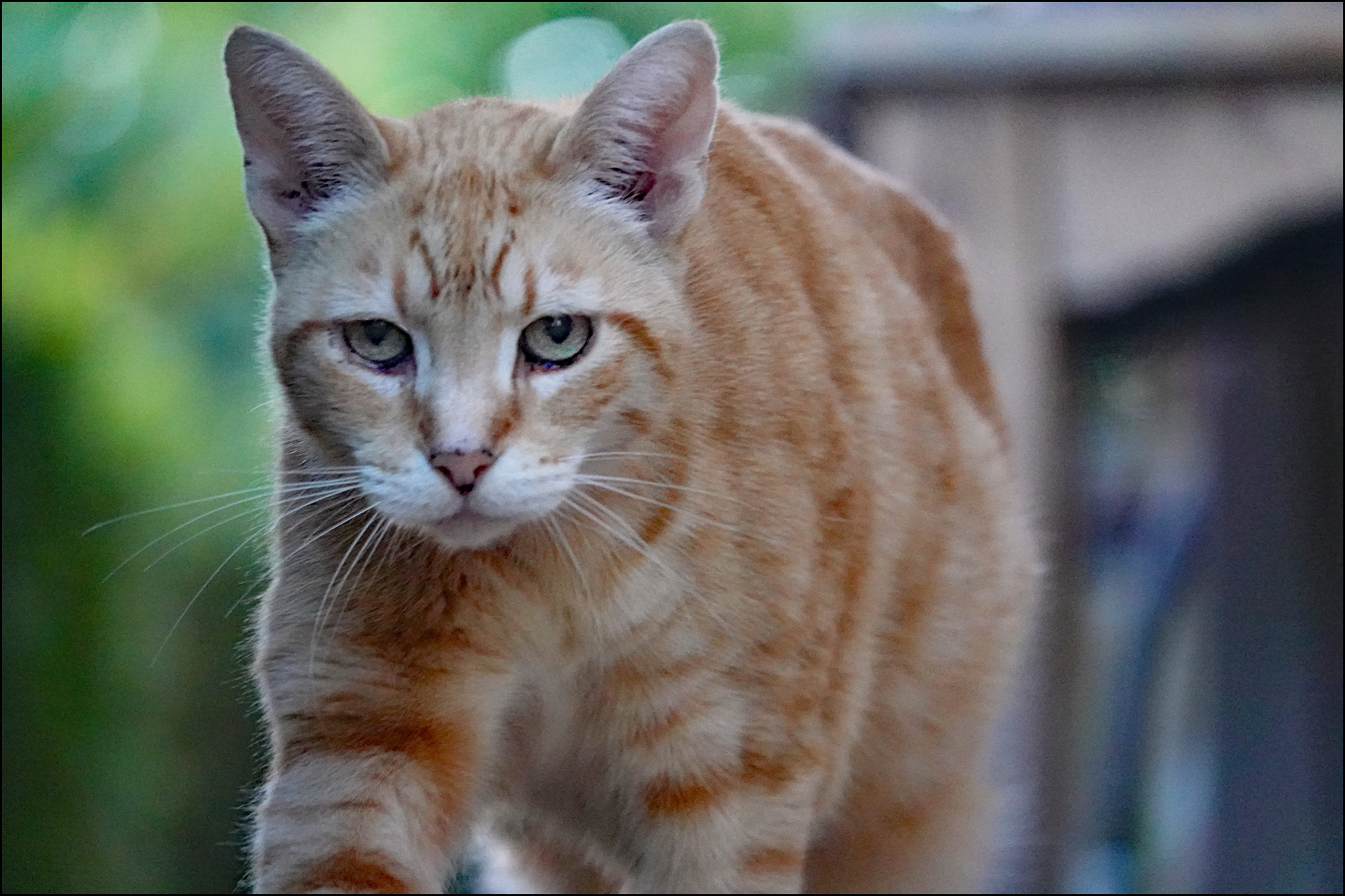
    My friend Professor Marc is short-term fostering a lovely, sociable, purring orange cat for a few days. He seems to be an adult, but we don’t know how old. Loves belly rubs. Healthy as far as we can tell, and doesn’t seem to have any bad habits. Not much of a lap cat, though I suppose that might change with a long-term owner.

    Anyway, if you live in the vicinity of Chico, California, and you’re interested in adopting, let me know and I’ll send you the contact info.

    We chose the “mighty hunter” look for the marketing photo, though he appears to be anything but. There’s a bird that roams hyperactively around Prof M’s backyard, but the cat shows no interest at all. He seems to be better satisfied with prey that lies quietly and invitingly in a food dish.