It’s family week again! Today’s selection was curated by my sister. It’s a picture of the Vincent Thomas Bridge over Long Beach Harbor. Sadly, the bridge isn’t lighted, so it doesn’t make a good nighttime picture. However, for a few minutes before sunset, if you catch it at the right angle, it glows in the reflected sunlight and makes a very nice photo.
Over at the Washington Post, James Hohmann has a piece about several recent “deep dives” into areas of the country that voted for Obama but then switched to Trump in 2016. The overall message is that working-class folks in these places are tired of liberals looking down on them and always calling them racists. That’s a big subject, and I have my doubts that it accounts for an awful lot of Trump’s appeal. It’s been true for a long time, after all. But here’s an interesting quote:
“One of the places I would agree with the hardcore Trump people, they’re tired of being treated as the enemy by Barack Obama,” said Dennis Schminke, 65, a retired manager at Hormel, the company makes Spam in Austin, Minn., an area just north of the border with Iowa….Schminke said Trump’s appeal there was born in part of resentment toward the Obama presidency. “His comment, the whole thing, it’s been worn out to death, that clinging to God and guns, God and guns and afraid of people who don’t look like them, blah, blah, blah. Just quit talking down to me,” he explained. “I despise Barack Obama. I think primarily because I don’t think he thinks very much of people like me. That’s just the long and short of it.”
What’s interesting is what’s not said here: namely that Obama made this comment once; he apologized for it quickly; and he was careful never to say anything similarly condescending again.
So why does this guy think it’s been “worn out to death” when it was a single remark that Obama made ten years ago? Is it because Hillary Clinton and John McCain made hay with it during the 2008 campaign? No. Even that only lasted a few weeks at most.
The reason is Fox News and the conservative media more generally. They repeat these comments forever. Hell, they’re still pissed off about a Post article suggesting that evangelicals are “easily led,” and that was 25 years ago. Hillary Clinton’s “deplorables” comment will probably still be making the rounds on Fox in 2050.
Now, Fox couldn’t make this stick if there weren’t a kernel of truth to it. The funny thing is that it’s always struck me as bipartisan. As near as I can tell, coastal elites do look down on folks like Schminke, but conservatives are every bit as condescending as liberals. Hell, conservatives have even weaponized their condescension with the endless fundraising scams aimed at folks like this. The big difference is that (a) conservatives are as careful in their language toward rural folks as liberals are toward people of color and (b) conservatives have a lot of policy positions in common with rural voters, just as liberals do with blacks and Hispanics.
There’s probably no way out of this. No matter how careful we are, someone is going to slip once in a while and say the wrong thing. It doesn’t have to happen very often: once every five or ten years is plenty. Mix that into the policy stew—guns, abortion, gays, religion, etc.—and toss in a nice big helping of Fox News, and lots of rural-ish voters are likely to hate Democrats for a very long time. Still, conservatives face the same general problem with nonwhite voters, and I think they should try harder anyway. Maybe we should too.
Forget Donald Trump for a minute. The upcoming summit meeting with North Korea has been orchestrated entirely by Kim Jong-un. It started with his outreach at the Olympics. Then he proposed the meeting with Trump. He halted missile testing. He met with South Korea and it was all smiles. He’s implied that he’s in favor of complete denuclearization. He released three American hostages. And he’s now planning a public spectacle of destroying North Korea’s nuclear testing site.
What is he up to? One possibility is that he’s genuinely willing to give up his nukes. All his actions make sense if that’s the case.
But no one thinks that’s the case. So what’s going on? Does he really believe that he can squeeze serious concessions out of Trump without verifiably giving up his nukes? Even I don’t think Trump is that dimwitted. So what’s on his mind? Does anyone have a clue?
Los Angeles has a big homelessness problem, but last year voters approved a sales tax increase to fund shelters and other programs for the homeless. The funding amounts to about a quarter billion dollars per year, and the city recently decided to build a new shelter on a city-owned lot in Koreatown:
The decision to put the shelter near the corner of Wilshire Boulevard and Vermont Avenue, in the heart of Koreatown and within a short distance from several schools, has led to overwhelming opposition from residents and business owners that has caught city and community leaders by surprise.
….Chan Yong Jeong, a Koreatown attorney, said he has filed a public records request for analyses, reports and email correspondence within City Hall regarding the shelter and its location. He said he and others feared the shelter will result in a surge of homeless individuals who can’t all be accommodated by the 65 beds in what is a busy corridor central to Koreatown where schoolchildren often pass….“This spot is the wrong place,” said Jeong, who passed out thousands of fliers urging residents to come out to a Saturday afternoon protest.
Were city leaders really caught by surprise? If so, they should resign en masse on grounds of having IQs too low to qualify for public service.
After all, this happens every time. Shelters are always “in the wrong place.” Granted, I’m more attuned to this than usual since it’s happening right now in Orange County in rather spectacular fashion, but there’s nothing especially unique about middle-class Orange Countians not wanting homeless shelters anywhere near their children. It’s true everywhere. How could city leaders in LA possibly have been surprised by opposition to their plan?
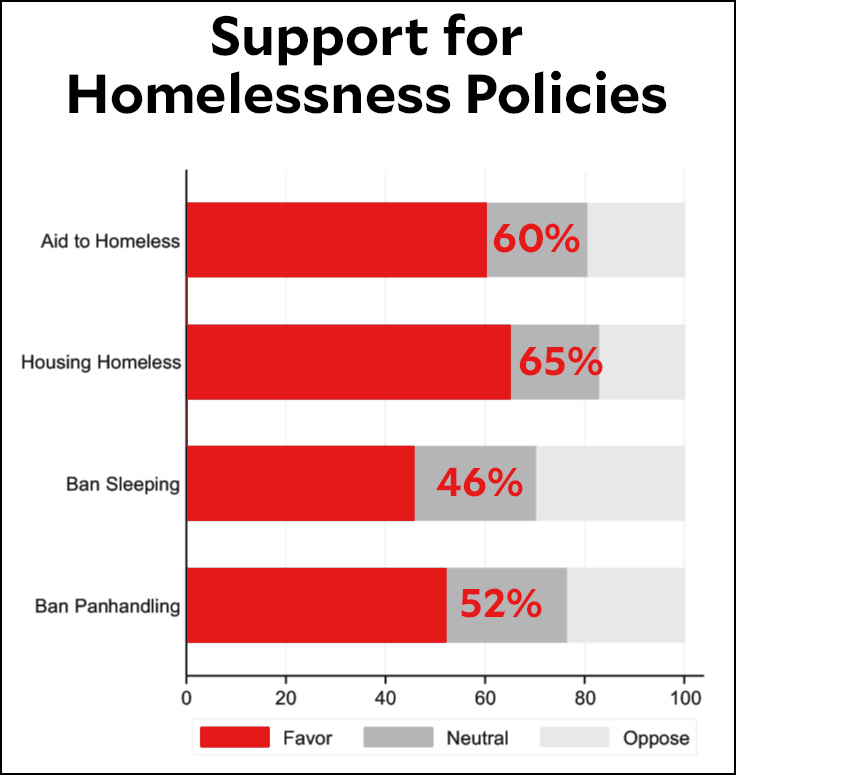
I continue to think about that op-ed last year from a couple of researchers who discovered the following “strange pattern” of support for aid to the homeless combined with support for policies that hurt the homeless:
After pondering these results, they conclude delicately that “While most of the public wants to help homeless people, sensitivity to disgust drives many of these same people to support policies that facilitate physical distance from homeless people.”
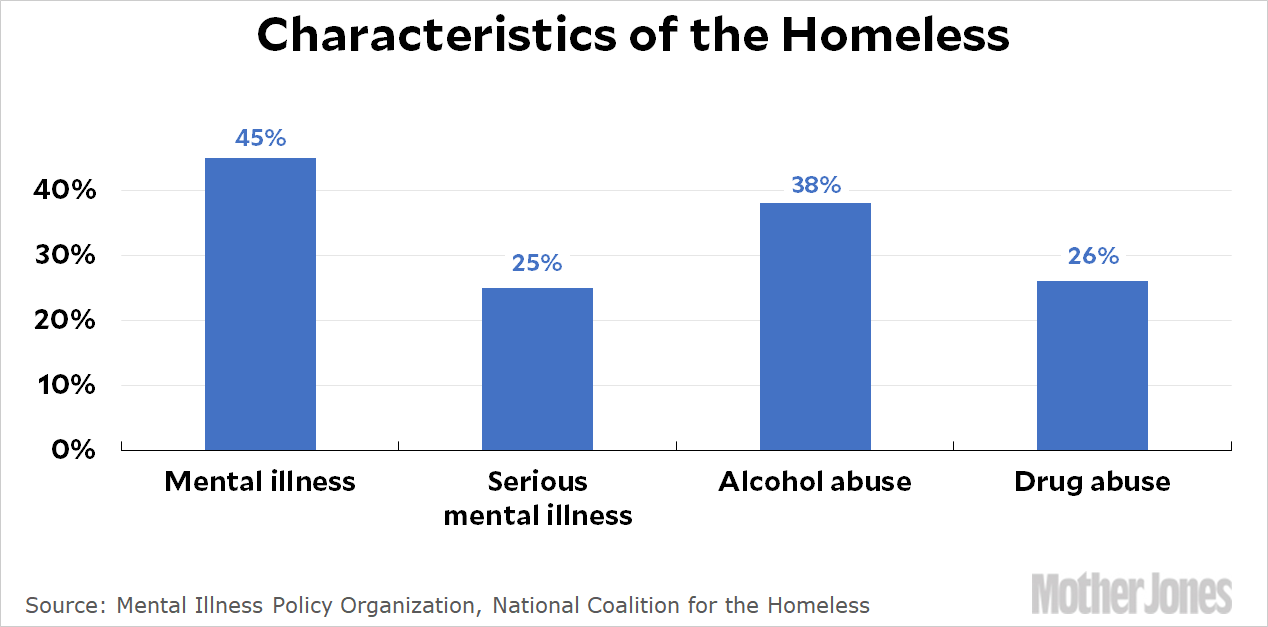
I remember that my initial reaction to this was that only a liberal could possibly be—or claim to be—surprised by this. Most people want to help the homeless in the abstract because they aren’t callous assholes. At the same time, most people also don’t want the homeless anywhere nearby. They might feel guilty for feeling this way, but nonetheless they’re queasy about personal contact with people who appear to be dirty, possibly mentally ill, possibly addicted to drugs or alcohol, and often accosting them for spare change.
For anyone with any experience of the real world, this queasiness is the least surprising thing imaginable. The reason I’m bringing it up again is that unless we’re willing to be fairly forthright about this, we’ll never make much headway on helping the homeless. We’ll just go through this same charade over and over and over.
I don’t know what the solution is, but surely it starts with at least being reality-based about how people feel toward the homeless? One way or another, any homelessness program will have to alleviate the distaste most people have toward being around the homeless. Or it will have to adapt the way it builds shelters to ensure that the surrounding area doesn’t become a magnet for panhandling. Or it will have to accept that homeless shelters need to be sited away from middle-class homes. Or city leaders will simply have to bull their way ahead and ignore the opposition.
Or something. But pretending that these attitudes don’t exist is the height of foolishness. Ditto for trying to guilt people into feeling differently. If we’re going to help the homeless, we have to accept reality first and then go from there.
European officials have said they are looking for ways to help their companies escape the brunt of the U.S. sanctions. France’s foreign minister said Friday he had asked for exemptions or longer grace periods for the exit of French companies such as oil-and-gas giant Total SA and car maker Peugeot SA that have returned to the Iranian market since the 2015 nuclear accord.
….European diplomats have complained that the Trump administration pulled out of the Iran agreement when they were still eager to continue consultations and without explaining Washington’s new nuclear demands on Tehran….Despite complaints in European capitals, Mr. Bolton suggested European allies might agree to new U.S. approach once they digest Mr. Trump’s decision and face the threat of sanctions.
I realize that countries can’t afford to respond to stuff like this the same way that a blogger might. Still, surely by now the Europeans understand that Trump doesn’t respond to “negotiations” or “complaints.” As far as he’s concerned, those are just signs of weakness. Either you punch back as hard as he punches, or else he ignores you.
I wonder why they’re still treating him with kid gloves? Why not fight back and then bide their time until America comes to its senses and elects a new president?
For the past couple of weeks I’ve been posting bits and pieces of data related to urban density. This morning I want to tie it all together in a single post and offer a few thoughts. This is not some Olympian pronouncement about What Needs To Be Done. It’s just a tentative collection of observations about urban density and some ideas about how to respond.
Observations
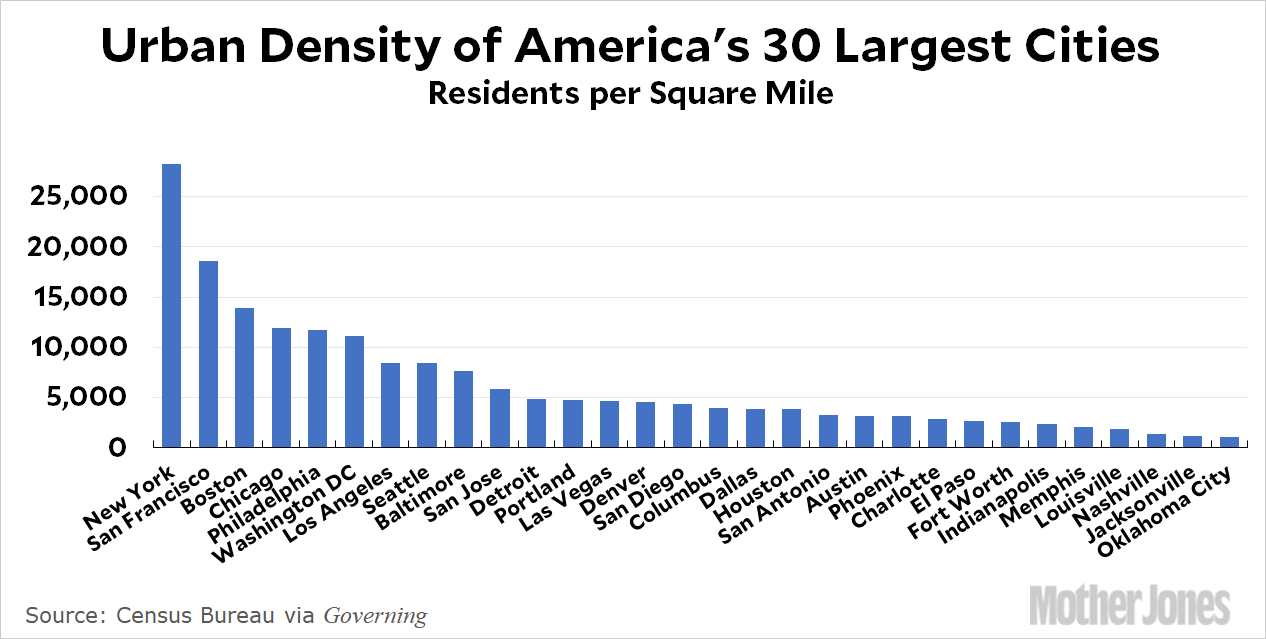
New York City and San Francisco are huge outliers and should receive a lot less attention than they do. New York is unique because it’s far denser than any other American city and has far better transit, while San Francisco is an outlier because it’s a small city caught up in the insanity of Silicon Valley. Neither one provides a good model for the more general issues of urban growth in America. On a slightly different note, both of these cities are associated with skyscrapers, which just cements the common notion that density means gigantic, soulless apartment blocks. That doesn’t really help the densification movement.
Dense cities are generally friendly to the environment because they require fewer cars and can make more efficient use of energy-intensive operations like heating and cooling. However, dense cities also feature higher general consumption levels than other places. On net, they’re mildly greener than other places, but probably not by a lot.
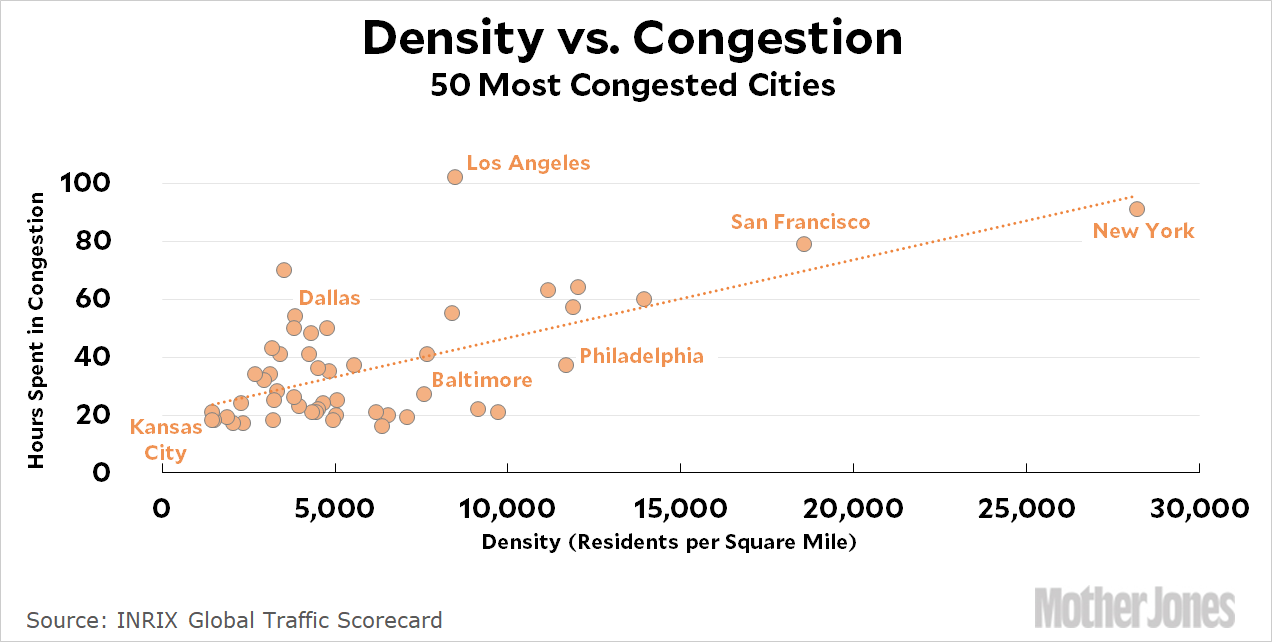
Urban residents generally strongly oppose densification, and this is not just because of mindless NIMBYism. Density really does produce worse traffic, and there’s little that can be done about this in the short term. Even in cities like New York, with world-class subway systems, increased density leads to increased congestion.
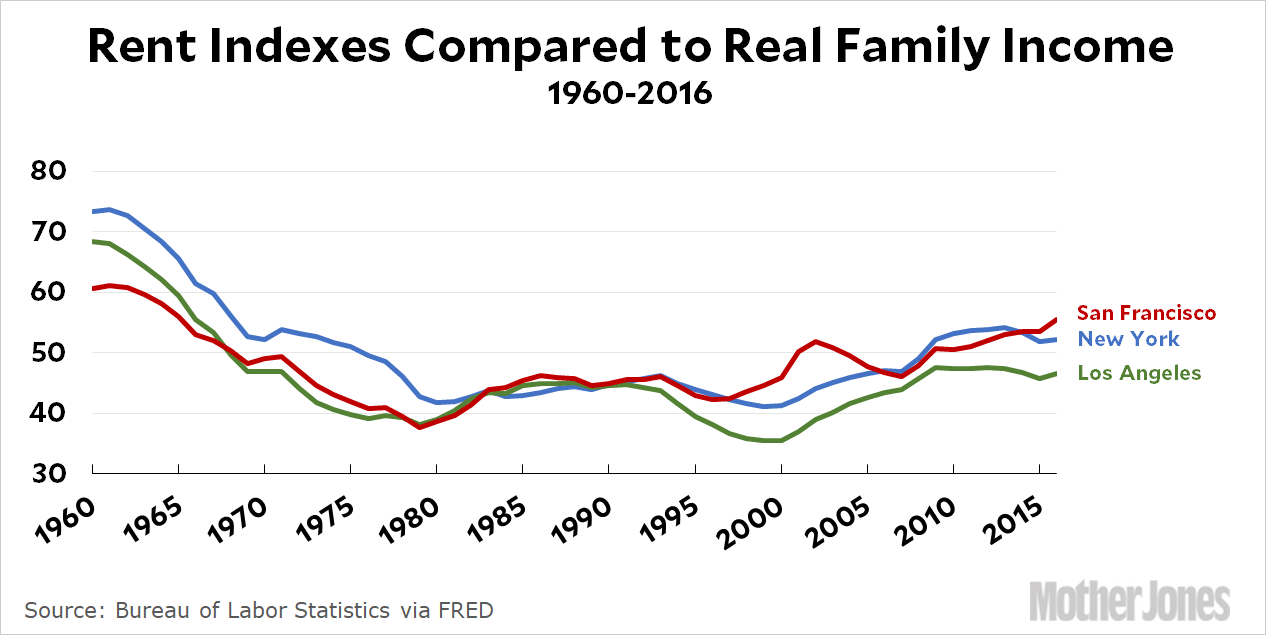
Urban housing has become more expensive over the past couple of decades, but it’s not really true that cities have become unaffordable for young people. In the three cities that attract the most attention for skyrocketing housing prices, rent relative to income has increased only about 20 percent since 1990 and is currently at about its 1970 level. However, jobs in these cities pay more and the cost of transportation is considerably lower. As a result, the share of 20-somethings living in big cities is about the same as it is in the rest of the country.
Dense cities may be more conducive to creativity and economic productivity than other places. However, the effect is modest; it takes a very large change in density to deliver any real gains; and those gains may be an effect of city size rather than density. It’s also unclear if there’s a point at which productivity gains flatten out.
It’s not true that millennials have adopted a preference for urban, carless living. They buy cars at about the same rate as young people always have.
Some Responses
Generally speaking, densification is a pretty inefficient way to increase productivity or make the country greener. It takes a lot of density to change either one by much, and the political obstacles are enormous. If these are your goals, there are lots of better ways to accomplish them.
Current residents of cities mostly oppose densification. In fact, they generally hate it with a passion. Some of them may have shabby reasons for this, but the most common objection is that it makes traffic congestion worse. Instead of writing this off as specious griping from a bunch of selfish, racist NIMBYs, listen to what they say. They aren’t wrong, after all. If you want to reduce resistance to densification, you need to take congestion seriously and offer real solutions.
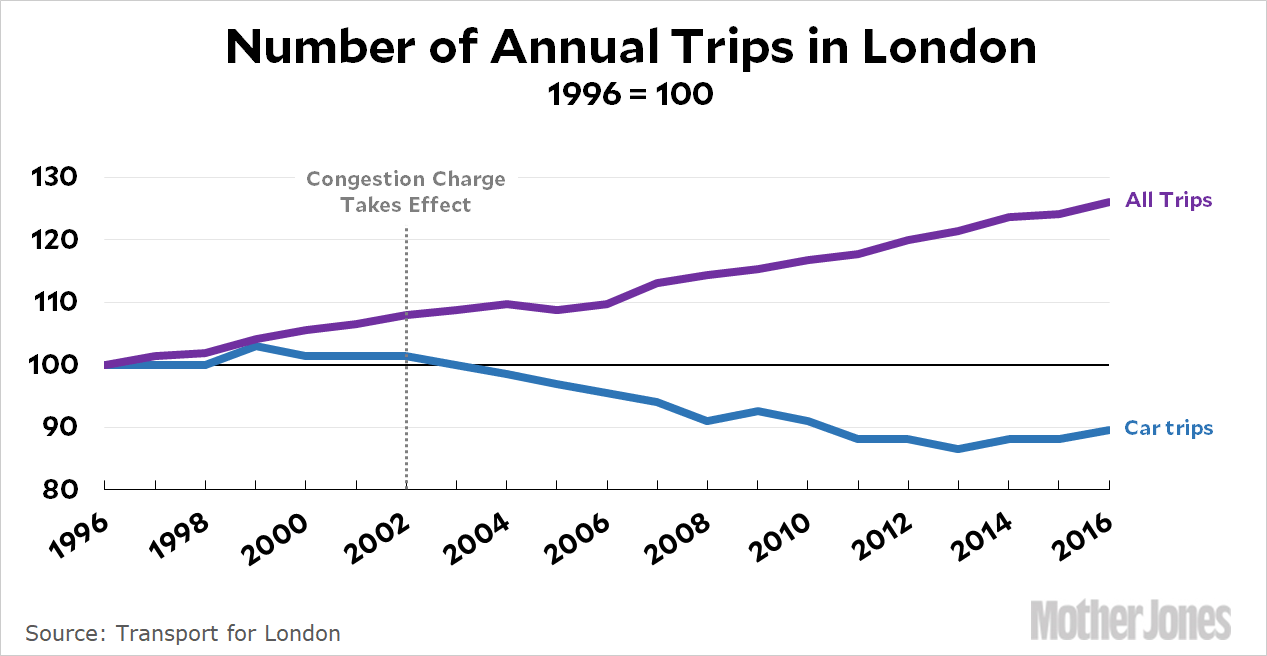
Congestion charges in urban cores are probably a good way of addressing traffic concerns, especially if the money they raise is targeted at improving mass transit. However, don’t expect miracles: a reduction of 10-25 percent is probably what you’ll get.
There’s also opposition to dense redevelopment from residents who fear gentrification. This mostly comes from the working poor and communities of color, who are too often ignored in political debates even though they’re the real base of the liberal movement and the Democratic Party. This doesn’t mean they get some sort of veto power over development decisions, but it does mean they should be taken at least as seriously as everyone else.
Low-income housing is a whole different problem. Infill and redevelopment are slow ways to reduce housing prices in general, and the last housing to be affected is that at the bottom. Progressives should put their energies into more direct methods of helping the poor afford shelter.
Ditto for homelessness. This is a big problem, but increasing density is a very, very long-term solution to it.
Conclusions
Here’s where I’m at. High housing prices aren’t as bad or as widespread as we’re often led to believe. However, they’re a real issue in a few large cities, and local activists have plenty of good reasons to campaign for higher density and lower housing prices. This may be simply a matter of preference: they like living in a dense, walkable environment. Or it may be fundamentally selfish: they want their rent to go down. Either way, they have every right to fight for what they want and I have no problem with it.
But should densification, in general, be a major issue for the progressive movement writ large? I don’t think so. It’s generally unpopular. It affects a small share of the population. It’s fairly abstract and appeals more to young, educated elites than it does to working-class voters. It’s an inefficient way of addressing economic growth and climate change. It’s also an inefficient way of addressing low-income housing problems. Nor is it fundamental to either liberal or conservative principles. In a nutshell, it’s a generally resented policy that doesn’t do much to advance progressive goals.
So what should we do instead? What kinds of housing-related things should be core progressive principles? Here are a few:
Improved mass transit. It’s green and it serves primarily the working class.
Congestion charges for big city cores, with the money used to improve mass transit from the suburbs into downtown.
Direct housing subsidies to the poor in high-cost areas.
Better care for the homeless, both in terms of shelter and mental health.
Feel free to add your own. As far as I’m concerned, the more directly they address core progressive concerns, the better.
A couple of days ago Ron Klain sent out this tweet:
The WH hosted military spouses today. Our armed forces are 40% non-white. The odds that — BY CHANCE — a group of 52 military spouses would contain no people of color are lower than 100 trillion to 1. So, umm…. pic.twitter.com/zi6XzmzYBd
It turns out that Klain blew it: this picture has nothing to do with the White House. It’s a picture of Air Force spouses from the Joint Armed Forces of Washington Luncheon a few weeks ago. Jared Keller is pissed off about this mistake:
Here’s the thing: Klain’s not totally wrong. A 2016 Pentagon report on DoD demographics found that minorities make up a third of enlisted and nearly a quarter (23%) of officers, an increase in recent years. And when it comes to elevating the voices and stories of underrepresented veterans, this photo is a fine illustration of exactly what not to do.
Given that the wives in this photo chose to marry Air Force officers — 20 percent of whom identify as a racial minority, below the rate for officers across the entire U.S. armed forces — it would make sense that there might be a distinct under-representation of black and Asian military spouses, and it’s certainly a problem. But the issue isn’t that the White House only invited white women — it’s that organizations like JAFOWL, though they serve the military and veterans communities admirably, are stuck in the f*cking 1950s.
Many others believe that groups like JAFOWL reinforce a hierarchy where officers’ spouses have a louder and more prominent voice than enlisted spouses, and Military Spouse Appreciation Day is a fantastic chance to get the Pentagon’s attention on like this. Sadly, Ron Klain ruined it with an inaccurate cheap shot at the White House — and in an age where all quarters of the government shout down their critics as “fake news,” this sort of inaccuracy can muddle the waters on a subject indefinitely.
Au contraire! Klain ruined nothing. I would never even have heard of this if not for Keller responding to Klain’s mistake. And now that he’s set the record straight, perhaps we can use the accidental publicity it generated to get the Pentagon’s attention on this after all. Would someone at CNN would like to give them a call and ask for comment?
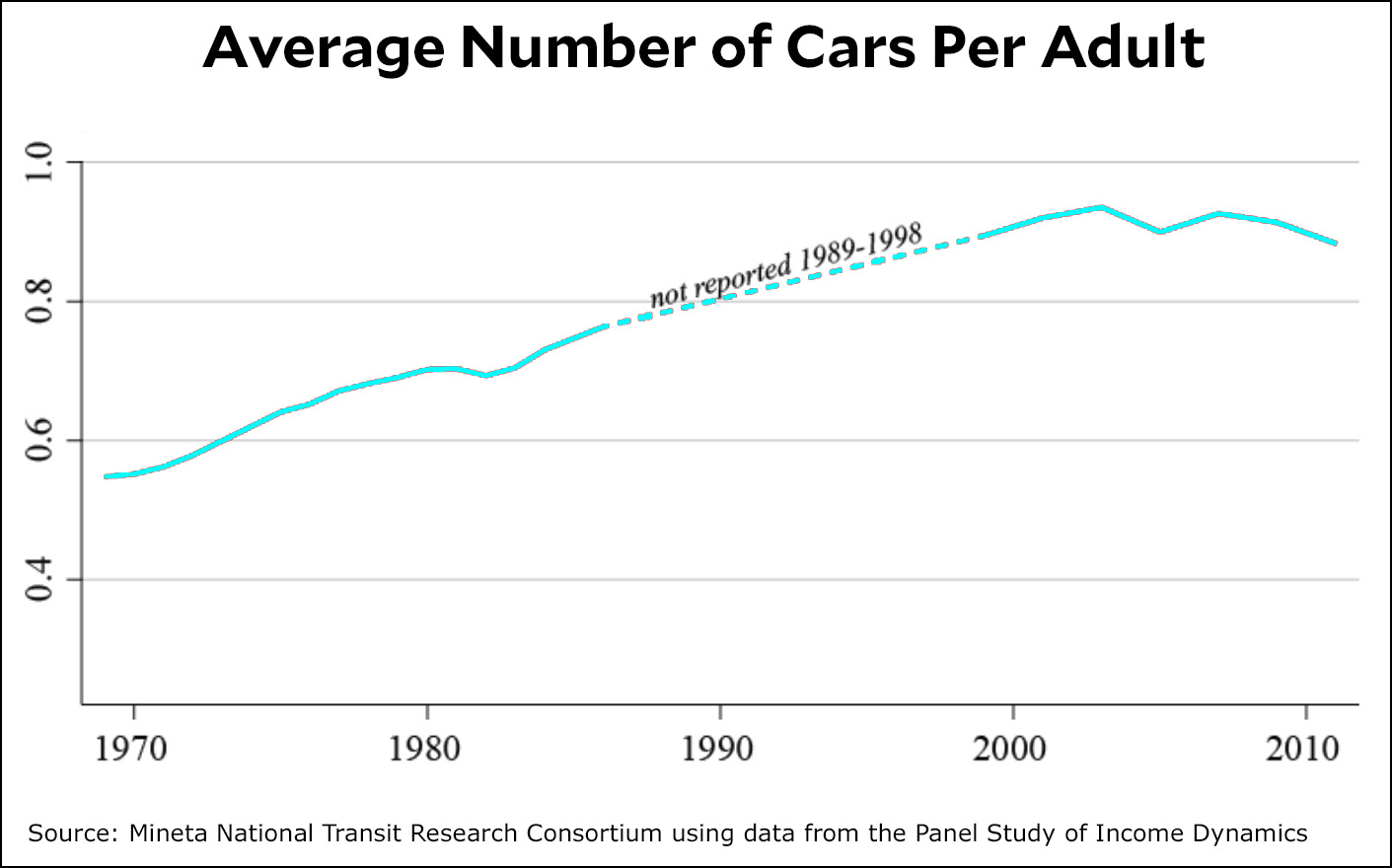
A Twitter conversation last night reminded me that I meant to do a little more digging into car ownership to find out if millennials are really less likely to own cars than previous generations. For starters, here’s overall car ownership:
Starting around 2003, car ownership rates started to level off for an obvious reason: we had hit a rate of nearly one vehicle for every adult in the country. There just wasn’t much higher to go. Then, when the Great Recession started in 2009, car ownership dipped modestly.
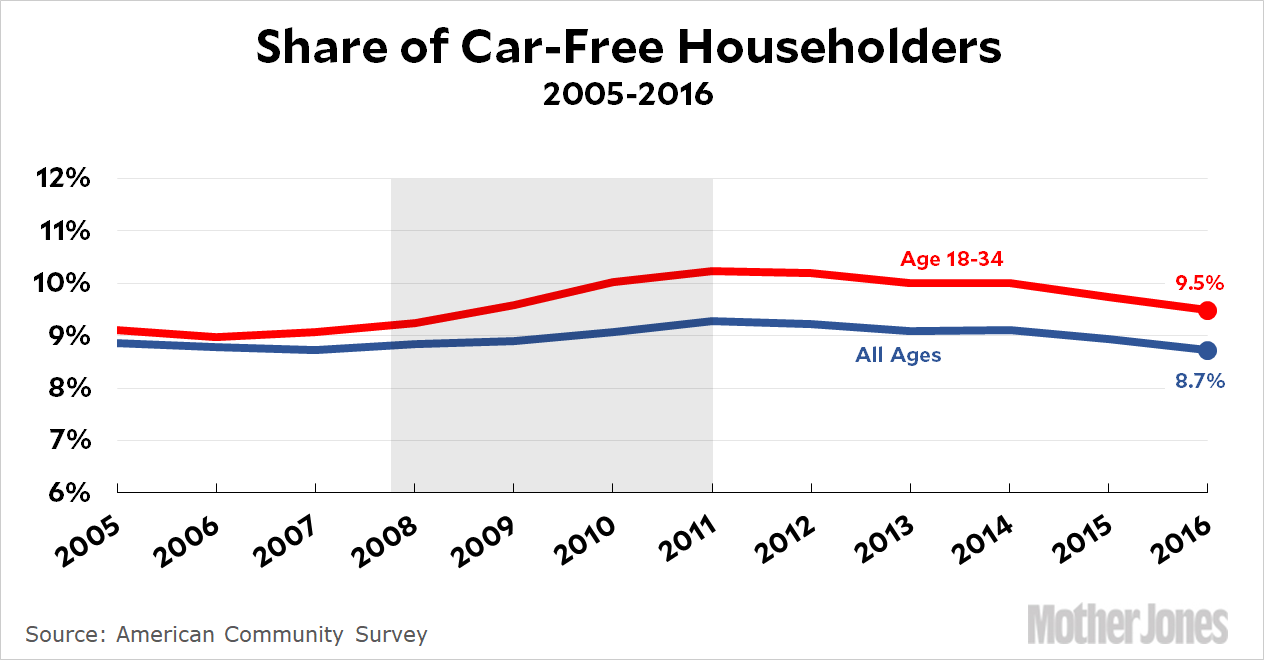
Now here’s the rate of householders (owners + renters) who are car-free:
We have more recent data here, so we can see that car-free living went up during the Great Recession but then dipped back down when the economy picked up. The recession hit young people worse than the middle-aged, so a sizeable gap had opened up by 2011. That gap narrowed a bit by 2016 as people started buying cars again, but it was still bigger than it was in 2005. Young people weren’t giving up their car-free status quite as quickly as everyone else.
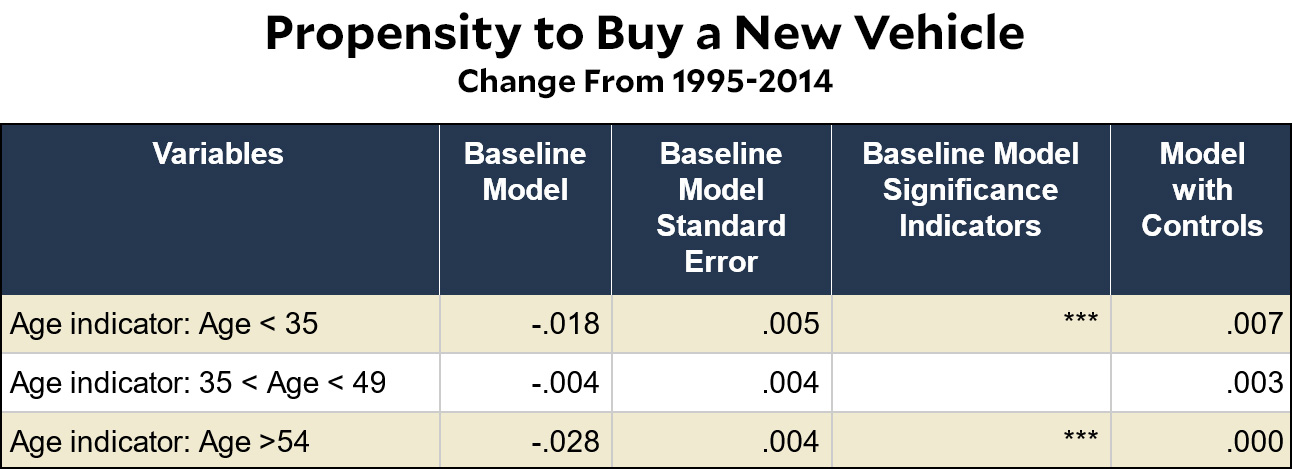
Is that because more millennials had decided to give up on cars? Or because millennials were hit harder by the recession and didn’t recover as quickly? Here’s a Fed study that looks into that question:
The far right column shows the change in car ownership. The number for millennials is slightly higher than the others, but they’re all very close to zero, which suggests no change by age group once you control for income. In other words, millennials have reduced their car ownership slightly, but mainly because they were harder hit by the recession.
Overall, I’d say the evidence suggests, at most, a very slight decline in millennial preference for cars. The notion that they’ve given up on cars in favor of bicycles and mass transit just isn’t true.
So why is this so commonly asserted? At a guess, it’s because the people who write about it mostly live in large cities, where it’s common to be carless—and became even more common during the recession. That led to lots of feature stories about young people who don’t even have driver’s licenses anymore, and eventually to a vague conviction there was some kind of trend here. Not only was this an overreaction to something that was mostly a symptom of the recession, but it’s also a bit of a “no one I know voted for Nixon” thing. Even if millennials in New York and San Francisco are driving less, that’s only a tiny fraction of the whole country. When you broaden your focus, there’s really nothing much going on.
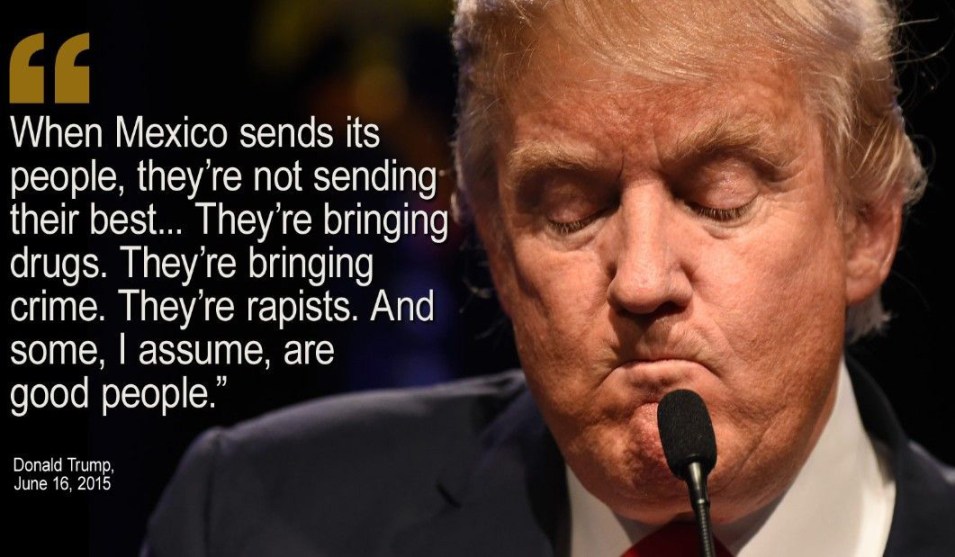
We can dwell on differing views of marijuana, same-sex marriage, and President Trump, or question whether conservative attitudes toward Millennials have been self-defeating. Those are all things worth thinking about. But by far the biggest reason for the generation gap is that young people are a lot less likely to be white than their elders.
….I’m more than open to changing the Republican position on marijuana, and I agree that there’s a these-lazy-kids strain to conservative rhetoric that’s predictably unhelpful in appealing to young voters. But they can change their approach on these subjects as much as they want — if Republicans don’t do better among nonwhites, they’re going to continue to wonder why they’re not doing better among young people.
What does Ponnuru have in mind here? It’s taboo in conservative circles to go much further than this on the subject of racism, so we’ll never know. However, the truth-telling heroes of the Intellectual Dark Web have the guts to talk about race no matter how much the intelligentsia tries to silence them, so perhaps they’ll explain. I’ll wait.
While we wait, here’s another thing to mull over. Apparently something happened today to create a little bubble on my Twitter feed about the IDW and race. I’m too lazy to figure out what it was, but it eventually produced these tweets from Josh Marshall:
People sometimes throw around charges of racism or antisemtism or prejudice too loosely. That can be annoying on the receiving end – sometimes because it reveals our uncomfortable blindspots, other times because it’s genuinely …
2/ misdirected or even malicious. But these arguments really all come to ‘talking about racism makes white people get racist.’ And that’s not a valid argument either factually or morally.
That makes things a little clearer. Someone suggested that liberals call out racism too often, which just alienates conservative white people and makes them even more sympathetic to racist arguments. Is this argument true?
Because I’m a brave truth-teller just like the IDW, I won’t evade my duty to keep things real with a searing, straight-talking answer. Here it is: Sure, sometimes. I’d guess that most white Republicans with racist views are just white Republicans with racist views, and this has nothing to do with anything liberals say. Still, there are certainly some Republicans who are no more racist than the rest of us but who get tired of their entire party being written off as a cesspool of racism. We liberals do tend to do that more than we probably should. Even if there’s a considerable amount of truth to it—as Ponnuru delicately acknowledges—that doesn’t make it any easier to put up with. And yes, in some of these cases it probably hardens attitudes and keeps fence-sitters from coming over to our side.
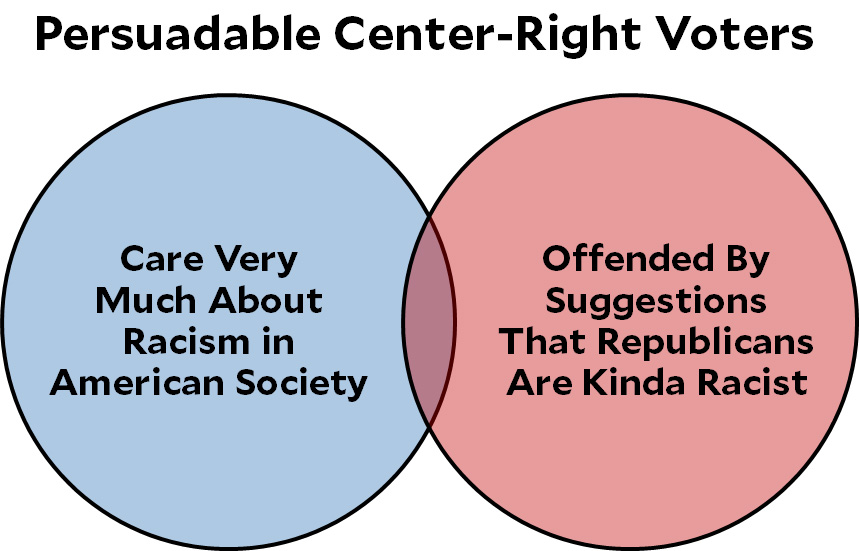
Of course, it also does lots of other very good things, most of which outweigh the losses from the small number of folks who are both (a) delicate enough to take offense at being lumped in with racists but (b) concerned enough about racism to ever be likely to vote for a liberal. Here’s what I think a Venn diagram would look like:
This doesn’t seem like a very large group to me, but I’m just guessing. Maybe some sociologist or political scientist with a bit of free time would like to investigate it. In the meantime, I’ll note that back in 2016, when National Review published its famous “Against Trump” issue, I read through the entire set of articles to look for folks on the right who were against Trump at least in part due to his rather obvious and deliberate appeal to racial animus. There weren’t many: David Boaz was the lone dissenter, along with two others who mentioned it in passing. That was it. That particular strain of Trump’s worldview, which was clearly one of his most toxic, simply didn’t seem to bother anyone, even on the “respectable” right. Or, if it did, they weren’t willing to risk saying so.
So, sure, sometimes we liberals toss around the R-word with a little too much abandon. But that’s like driving with a broken taillight compared to the serial felonies embodied by the relentless and longstanding conservative insistence that racism is barely even a noticeable problem anymore—not to mention the conservative movement’s all-but-open tolerance for racist political appeals and its endless willingness to exploit racist vote suppression as long as it can be even thinly justified as something else. (Hello, North Carolina.) Maybe if conservatives acknowledged that racism is still a serious problem and acted like they cared, lefties would feel more comfortable toning down their attacks a smidge.
That won’t happen, but it’s not for lack of people telling them. Even nonwhite conservatives tell them. There’s Sen. Tim Scott:
Last year around this time (and the year before that), I was arguing with some of my fellow conservatives about the insanity of finding any common cause whatsoever with the so-called alt-right. The issue wasn’t that every avowed nationalist who claimed membership in the alt-right was a Nazi or Klansman. It was that the alt-right was open to Nazis and Klansmen….The real threat to traditional conservatism is the mind-set that made it possible to form even a theoretical alliance with the alt-right in the first place.
All my life, I had heard about racists, anti-Semites, and other such types on the right. Maybe I was sheltered, but I almost never encountered any of them. I thought they were essentially bogeymen, conjured by the lyin’ Left. The people I met were good Reagan conservatives — the salt of the earth. Then came 2016, in partnership with the social media. The rock was overturned. In a way, I wish the rock had stayed put.
There’s Michael Steele:
There’s more to say, but there just aren’t very many conservatives with the courage to say it. Nor is there much point until Republican leaders are willing to hear it.
And we respect that! But maybe you’re of a mind to support our work directly instead? We have until December 31 to raise the last $400,000 we need to keep our nonprofit newsroom running at full strength into 2026. Will you make a gift today?
We noticed you have an ad blocker on. Can you pitch in a few bucks to help fund Mother Jones' investigative journalism?
Billionaires own the media,
but they don’t own us.
At Mother Jones we know these aren’t conventional times, and they require unconventional coverage. That’s what deliver every day: fierce, independent journalism you can’t find elsewhere. Perhaps never in the history of our country has that been more necessary than now. But we can’t do it without reader support—your support. Please chip in today.
Billionaires own the media,
but they don’t own us.
At Mother Jones we know these aren’t conventional times, and they require unconventional coverage. That’s what deliver every day: fierce, independent journalism you can’t find elsewhere. Perhaps never in the history of our country has that been more necessary than now. But we can’t do it without reader support—your support. Please chip in today.