• Lunchtime Photo

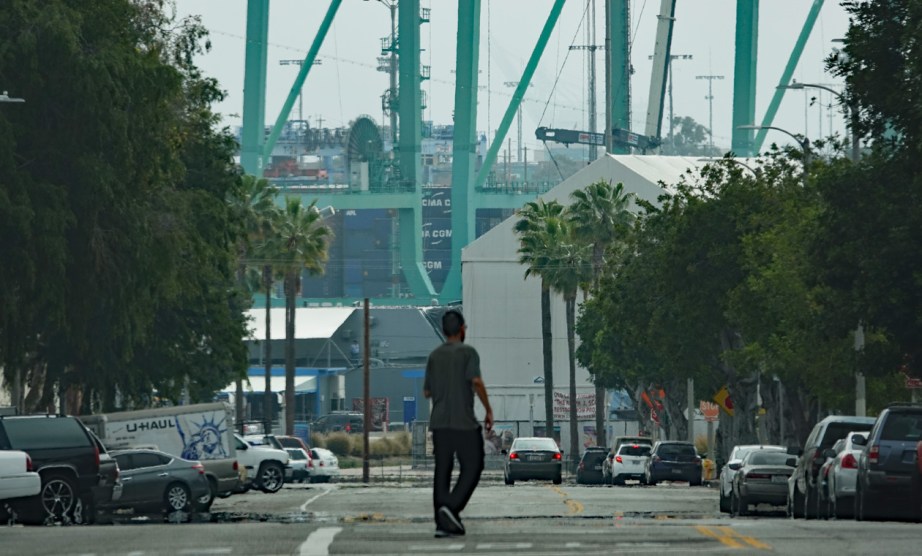
    Today is May Day, the international workers’ day. I don’t really have anything appropriate for that, so here’s the closest I can come: a picture of the new Gerald Desmond Bridge at the Port of Long Beach, currently under construction by hundreds of unionized workers. The old bridge is on the right: it’s a fairly ugly thing, and too low for large ships to pass under. The new bridge will look like this when it’s finished, and will be California’s only cable-stayed bridge.

    In keeping with today’s labor theme, however, I recommend that they rename it. Gerald Desmond was apparently a fine man, but sitting on the Long Beach city council for a few years isn’t really that big a deal. Instead, I think they should rename Harry Bridges Blvd. after Desmond and then name the bridge after Bridges. This has an obvious appeal quite aside from the labor angle, and we shouldn’t be deterred by either the fact that Bridges is mostly associated with San Francisco or the fact that he was allegedly a communist. He beat that rap!

    But really, this is all about having the Bridges Bridge. We’re missing out here if we don’t let bygones be bygones.
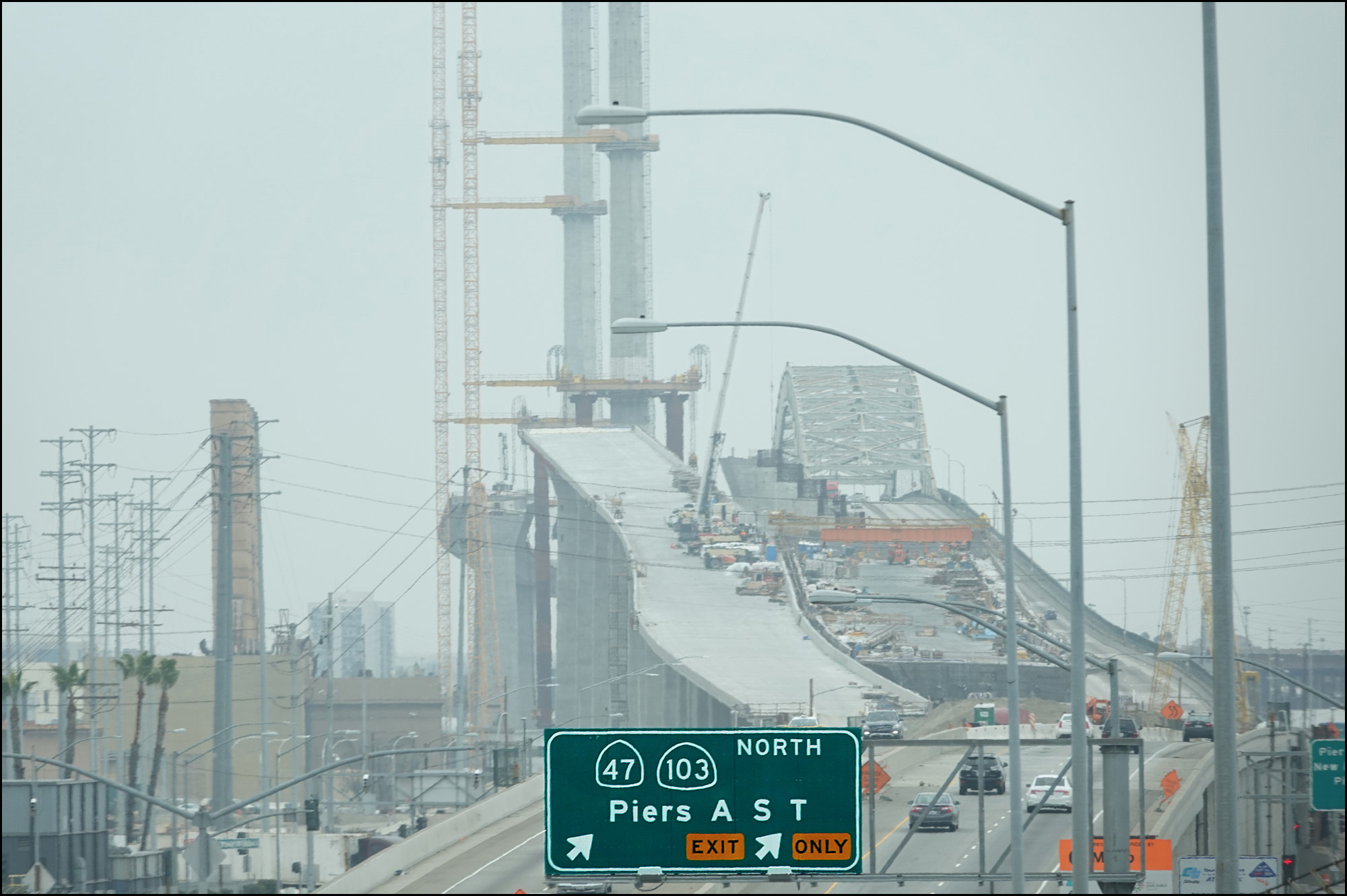
    April 7, 2018 — Long Beach, California
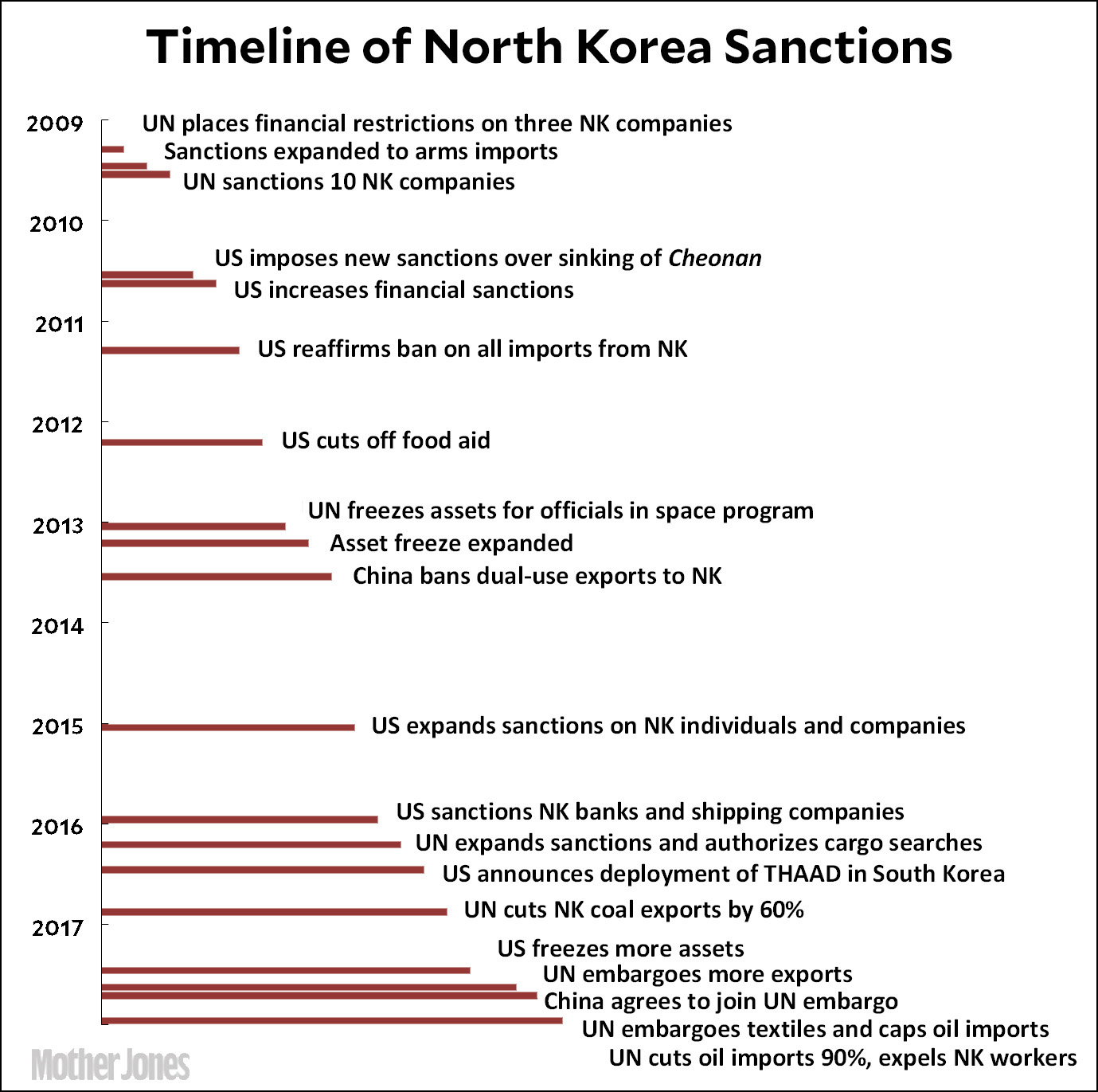
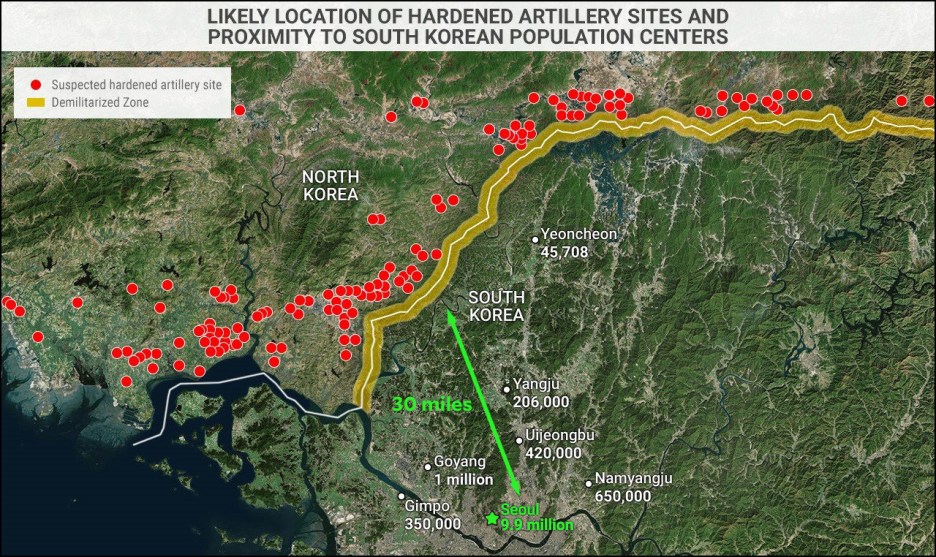
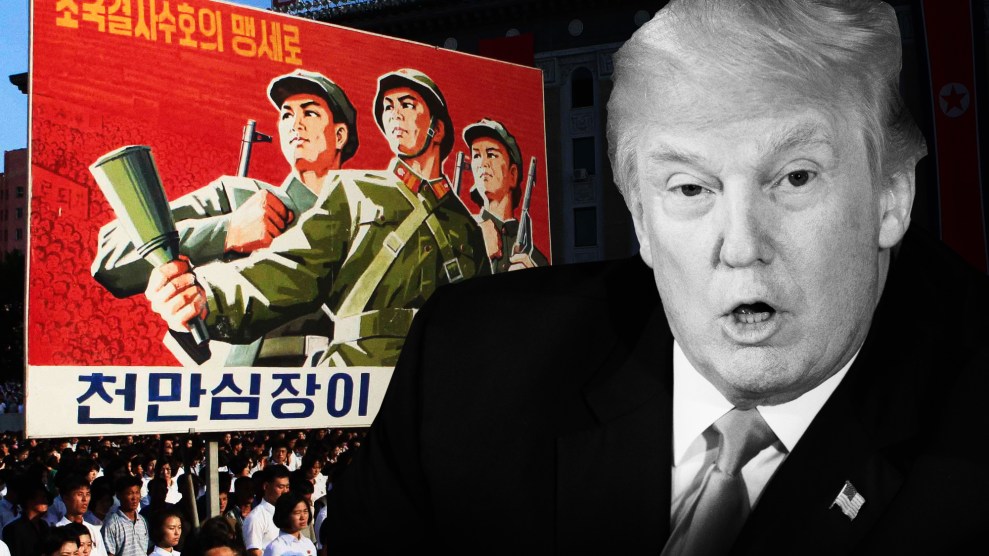
  • Here’s a North Korea Sanctions Timeline

    Jon Chol Jin and Evan Vucci/AP

    I’ve gotten a little tired of hearing about how Donald Trump finally tightened the screws on North Korea and forced them to the bargaining table. North Korea is at the bargaining table because they finished their nuke and missile development and now figure they’re safe from regime change. And the odds that they plan to give that up in return for lifting sanctions are pretty close to zero.

    Anyway, if you want to know what’s been done both before and after Trump took office—putting aside his moronic tweets—here it is. Trump’s contribution is at the very bottom.

  • The Uninsured Rate Is Going Up

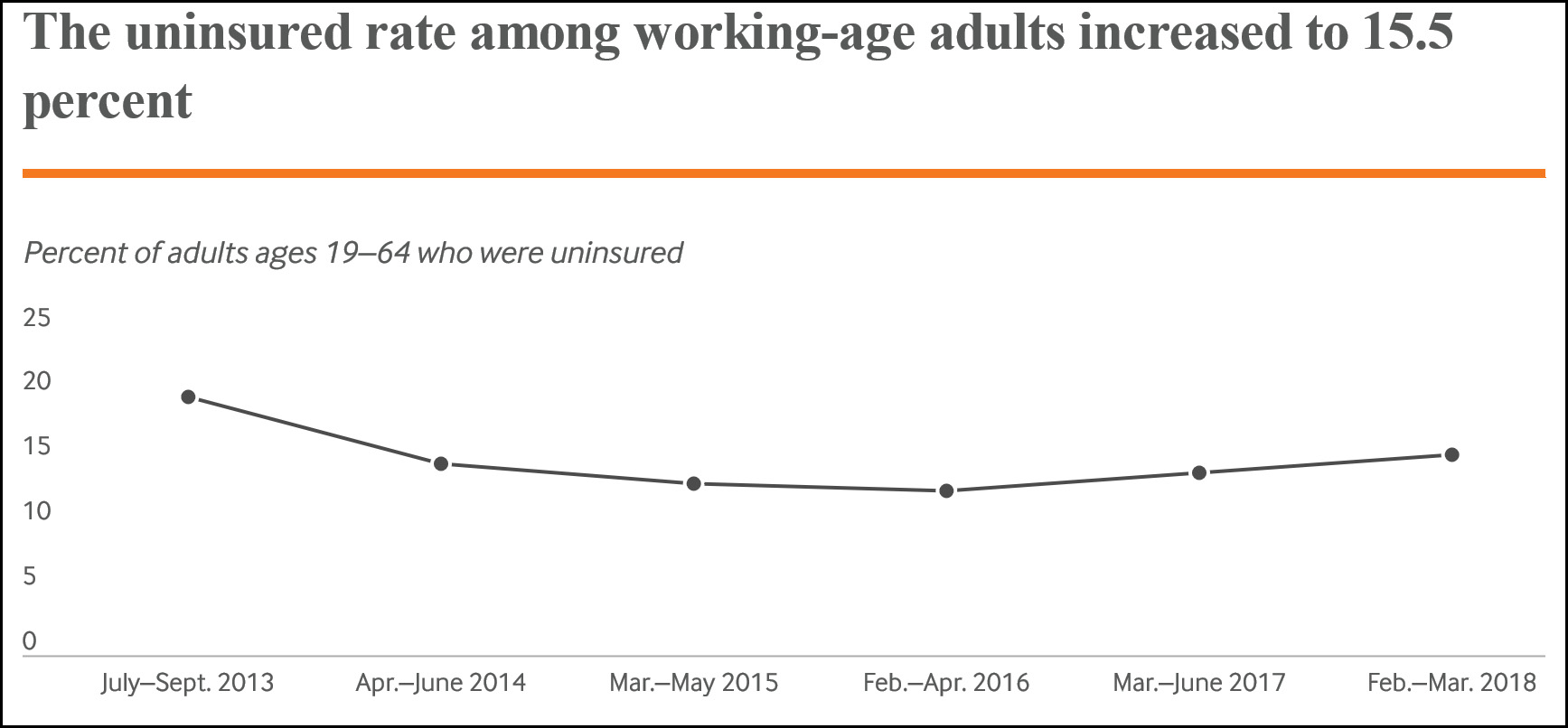
    The Commonwealth Fund reports that the number of uninsured is inching back up:

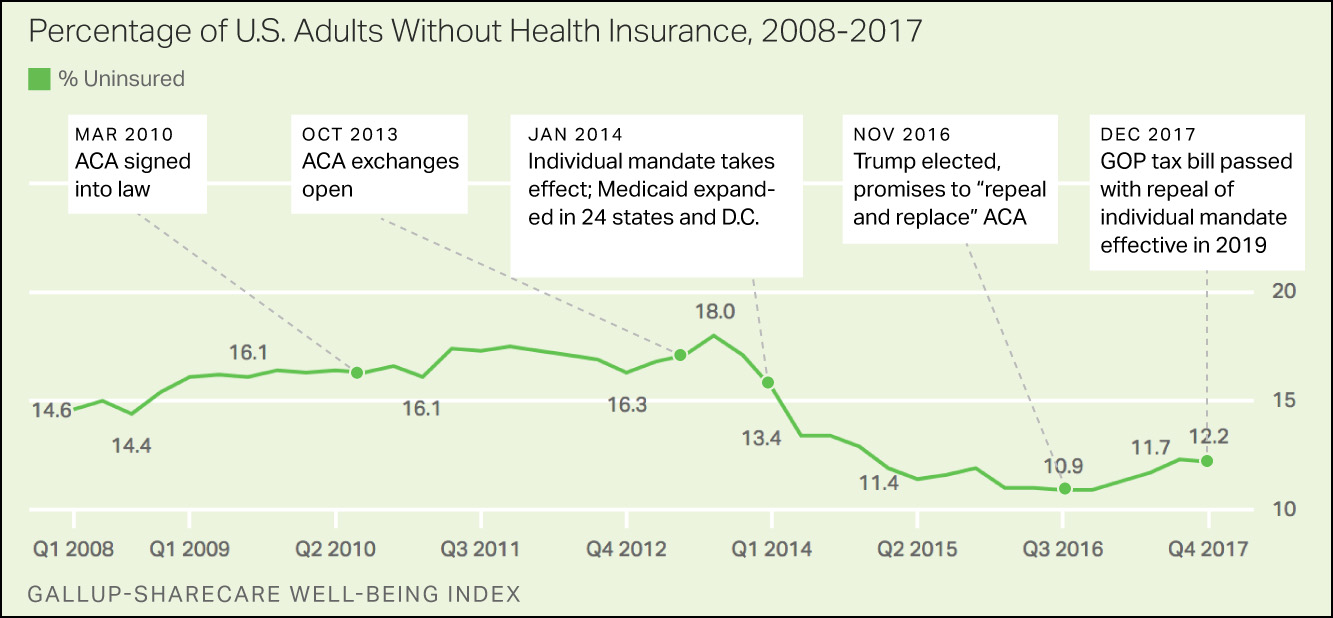
    Commonwealth’s data shows that the uninsured rate is up nearly three points since 2016, which represents about 4 million people. This surprised me, so I checked the other usual sources for information about the uninsured. Here’s Gallup:

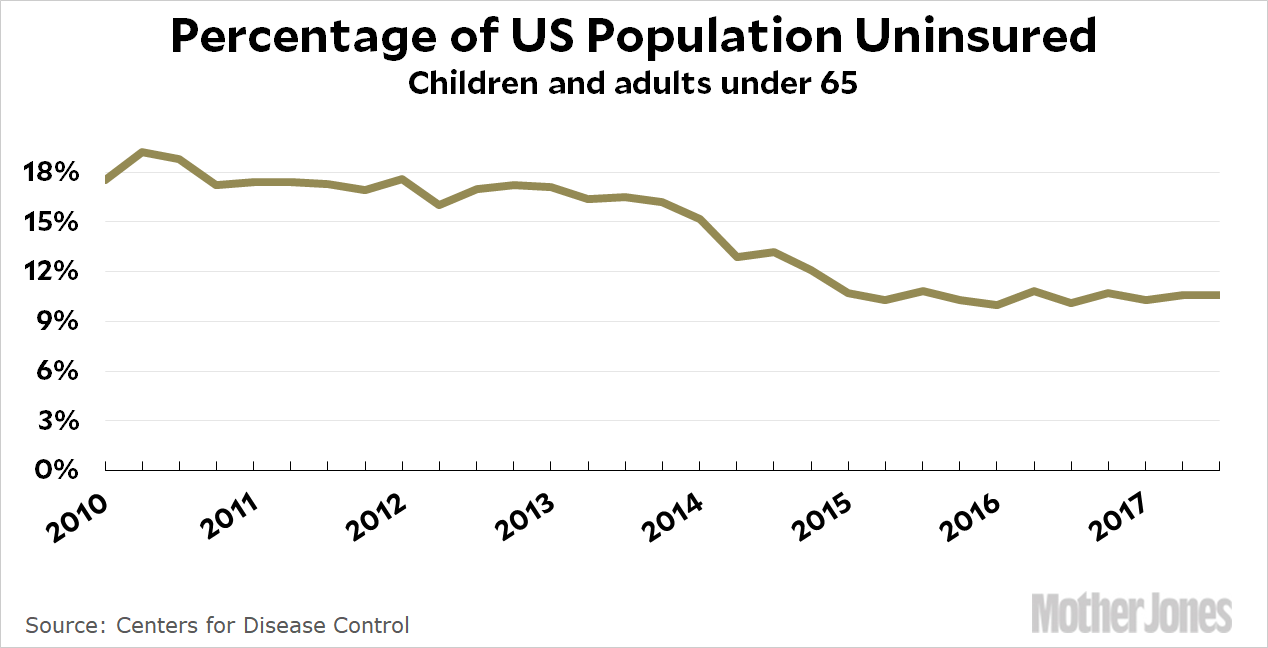
    Gallup hasn’t released its latest numbers yet, but they show an increase since 2016 of about one percentage point through the end of 2017. My usual preferred source for estimates of the uninsured is the quarterly CDC survey, but they lag considerably behind other pollsters. Here’s their latest:

    If you squint, they show an increase of about half a percentage point since 2016, but that’s from autumn of last year—and it’s going to be a while before we get more recent data from the CDC.

    Putting this all together, my guess is that the uninsured rate has gone up since 2016, but probably not by as much as Commonwealth says. If I had to, I’d put my money on an increase of one percentage point or so, which represents about 2 million people.

    That’s still a lot of people. They’re the ones paying the price for Donald Trump’s furious effort to sabotage everything Obama-related.

  • Dear Media: Stop Turning Every Twitter Flame War Into National News

    A few days ago a girl in Utah posted some pictures of her prom night on Twitter. She was wearing a red cheongsam, a traditional Chinese dress, that she had found at a vintage store in downtown Salt Lake City. Naturally, someone on Twitter had something to say about that:

    “My culture is NOT your …. prom dress,” a man named Jeremy Lam tweeted days later, sharing the photos she posted. “I’m proud of my culture, including the extreme barriers marginalized people within that culture have had to overcome those obstacles,” Lam also wrote. “For it to simply be subject to American consumerism and cater to a white audience, is parallel to colonial ideology.”

    This represents one of the big problems in America today. Not the dress, mind you. I’m not going to weigh in on that. The problem is that the Washington Post—among others—routinely turns trivial local stories into national news based on nothing more than a tweet that attracts the usual mob and then the usual counter-mob. The true story here is that one guy steeped in anti-colonialist theology got mad and pounded out a tweet. That’s it. The rest is inevitable because, you know, it’s Twitter. There’s always a mob willing to play follow-the-leader.

    When this stuff becomes fodder for national news, it makes you believe that America is just a gigantic culture war playing out at all times. It’s not. At least, no more than it’s ever been. But social media makes it look a lot bigger than it is, and the national media plays along. Knock it off.

  • Another Look at the Gig Economy

    A few days ago I took a look at whether the gig economy was really “exploding,” as an LA Times columnist had suggested. Neither the BLS nor anyone else directly tracks this, so I took a look at the number of part-time workers as a rough proxy and concluded that nothing much was going on. But I promised to report back if I got more information.

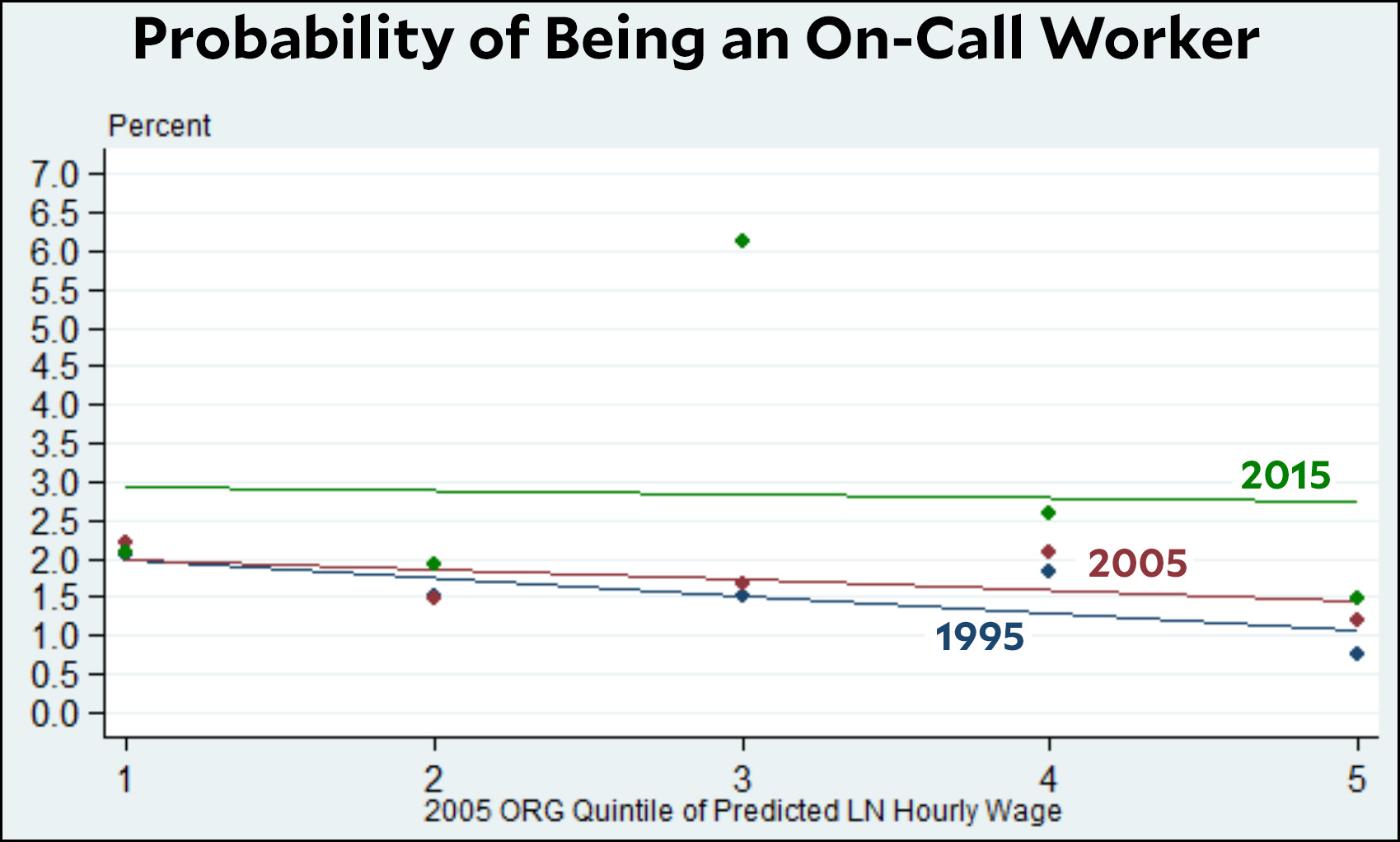
    Today, another LA Times article mentions a Katz and Krueger paper in 2015 about “alternative work arrangements.” The category that’s closest to gig work is “on-call worker,” and here’s their chart:

    The slope of the lines doesn’t really matter. What matters is that the 2015 line is higher than either the 1995 or 2005 lines. Gig workers are mostly in the bottom half of the income spectrum, and in quintiles 1 and 2 the share of on-call workers has gone up from about 2 percent to 3 percent of the labor force.

    How big an increase is that? By one measure, it’s one percentage point. By another, it’s an increase of 50 percent. Basically, growth in the gig economy has been fairly robust, but it’s starting from a pretty low base. It’s still not a very big factor in the overall economy.

  • Trump Caves on Tariffs Again

    From the New York Times:

    The Trump administration said on Monday that it would delay a decision to impose steel and aluminum tariffs on the European Union, Canada and Mexico for another 30 days, giving key allies a reprieve as the White House tries to extract concessions from trading partners who have resisted those demands.

    That Trump is quite the steely-eyed negotiator, isn’t he? Check out the timeline here:

    • Despite the fact that even Trump’s hardnosed China hawks are urging some caution on tariffs, Trump gets tired of being hemmed in by “arguments” and “facts.” So he bulls ahead on his own and announces whopping steel and aluminum tariffs out of the blue.
    • Of course, it turns out that China isn’t really a big supplier of either steel or aluminum to the United States. The tariffs mostly hit Canada, Europe, Mexico, and other friends and allies.
    • So Trump caves and announces a 30-day exemption for countries he likes.
    • After the 30 days are up, everyone is still pissed. So he announces another 30-day exemption. Now everyone’s confused and has no idea what to expect next.

    And that brings us up to date. So what does Trump do next? Just keep announcing 30-day exemptions? Quietly drop the whole thing on some day when there’s other big news happening? Go into a temper tantrum about something or other and just let the tariffs hit everyone, friendly or not? Who knows?

    Do you remember back when conservatives were all over Obama about how our allies couldn’t trust us anymore? (I never totally understood that except in the case where “allies” equals “Israel,” but never mind. That’s what they were saying back then.) Well, how about Trump? He blew up the TPP on his first day in office. He blew up the Paris Treaty. He keeps threatening to blow up the Iran treaty. And NAFTA. He’s taken considerable pleasure in hinting that he doesn’t think much of NATO. He’s idiotically leaked intel from Britain and passed along Israeli intel to the Russian amabassador. He’s pissed off Mexico by continuing to insist that they pay for his wall. He’s pissed off Australia by trying to wriggle out of a refugee deal. On a momentary whim, he announced walloping tariffs on some of our very closest allies. Then he confused everyone by temporarily delaying the tariffs—but pointedly refusing to exempt Japan. There’s hardly a friendly country in the world who knows where we stand anymore or whether we care one whit about them.

    Can we please have this talk about how America treats its allies again? This time I think we really need it.

  • Trump Says Iran Has a Nuclear Weapons Program. He’s Lying.

    Jinipix/Xinhua via ZUMA

    Here’s the latest from the White House:

    My, that’s quite the spectacular lie. Israeli prime minister Benjamin Netanyahu did give a speech today about Iran’s nuclear program, but it was mostly just political theater. It was delivered in English and was little more than a rehash of the long-known fact that Iran had a nuclear bomb program back in the early 2000s. But it was shuttered 15 years ago—and Iran’s uranium enrichment program was shut down after they signed the 2015 nuclear deal with Obama.

    I assume that either today or tomorrow some White House flak will “explain” that this whole thing was just a typo. The s key is right next to the d key! Or that an intern wrote it. Or that “nuclear weapons program” refers to filing cabinets full of old engineering papers. Or something. Who knows?

    UPDATE: The White House has already quietly edited their statement to change Iran has to Iran had. It looks like “it was just a typo” has the early lead!

  • NBC News Says Trump Wants to Pull US Troops Out of South Korea

    NBC News has a story up about White House chief of staff John Kelly. It’s getting a ton of attention because (a) Kelly has apparently called Trump an “idiot” several times and (b) the White House flaks offered up a cringingly outdated defense of Kelly’s attitude toward women (“If anything, they said during meetings Kelly is the ‘bigger gentleman’ who steps in when aides use foul language to note ‘a lady is present’ ”).

    So naturally I clicked the link. About halfway down I got to this:

    He has also pushed back against the president on some foreign policy and military issues, current and former White House officials said. In one heated exchange between the two men before February’s Winter Olympics in South Korea, Kelly strongly — and successfully — dissuaded Trump from ordering the withdrawal of all U.S. troops from the Korean Peninsula, according to two officials.

    Look, I know the gossipy stuff is great, but maybe this should have been the lead? Did the president of the United States seriously entertain the thought of simply pulling out of South Korea? That seems kind of important.

  • Is Mass Incarceration Responsible for the Drop in Men’s Employment?

    Why have prime-age American men been leaving the labor force over the past few decades? Nancy LeTourneau suggests that part of the answer can be found in America’s turn to mass incarceration in the mid-70s:

    [There is] an inverse parallel between the reduction of men in the workforce with the advent of mass incarceration, which began in earnest in the 1970s….Job seekers currently on probation or parole or who have ever been incarcerated are most likely to be refused consideration for a position.

    ….Men of color are hit especially hard. Studies find that white male and female job seekers with records have better employment chances than black or Hispanic applicants with records….To the extent that mass incarceration and a criminal record are a contributing factor when it comes to the reduction of men in the labor force, this country faces a whole different problem that isn’t likely to be solved with a federal jobs guarantee. What we need is criminal justice reform at both the federal and state level, re-entry programs for people coming out of prison and legislation like the REDEEM Act, which would allow for the expungement of criminal records.

    This sounds pretty plausible, so I decided to check. Unfortunately, the data doesn’t seem to back up this theory:

    We know that black men were more affected by mass incarceration than white men, so if the after-effect of incarceration is one of the reasons the employment rate of men has declined, then the employment rate of black men should have declined more than that of white men. But it hasn’t. The black employment rate as a percentage of the white employment rate has stayed level for 40 years.

    What you do see in this chart is that black men are the first ones who are let go in recessions and the last to be rehired during expansions. That’s also remained the same for the past 40 years, with the effect bigger during bigger recessions. But eventually they do get rehired, and the black employment rate returns to about 90 percent of the white employment rate.

    The incarceration theory sounds like it should hold water, and I’m a little surprised that it doesn’t seem to. But if it were true, we’d see a steeper downward trendline among blacks than whites, and we don’t.