Driving While Black Has Gotten Even Worse

Four years after Ferguson, some stark data from Missouri.

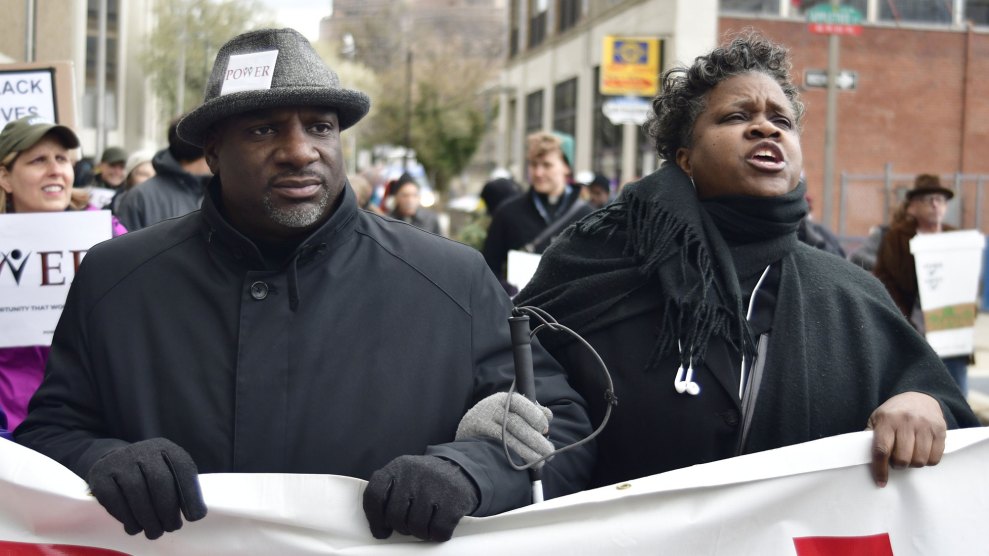
A protest in April after the controversial arrest of two black men at a Starbucks in Philadelphia.Bastiaan Slabbers / ZUMA

Get your news from a source that’s not owned and controlled by oligarchs. Sign up for the free Mother Jones Daily.

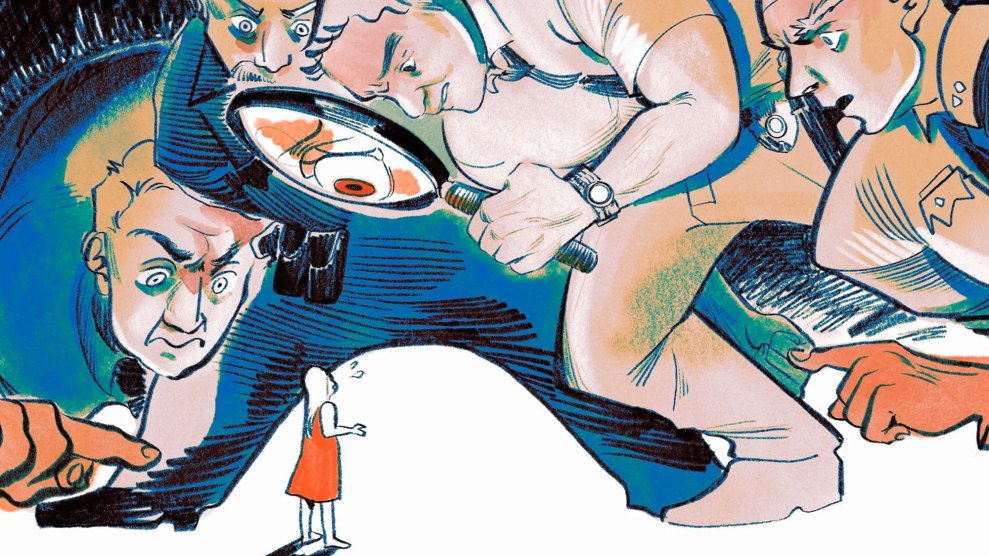
There is a stark new statistic out from the office of Missouri Attorney General Josh Hawley: In 2017, black drivers in the state were 85 percent more likely to be pulled over than white drivers. That’s an even greater disparity than the state AG’s office found when it gathered the same data last year—and the biggest disparity since it began analyzing traffic-stop data in 2000.

According to the report, there was also a major disparity with how black drivers are treated once they are pulled over: African Americans who were stopped were 51 percent more likely than white drivers to be searched. And Hispanic drivers were 45 percent more likely than whites to be searched.

Four years after Ferguson, these numbers suggest that the institutional discrimination that launched a national protest movement—sparked by the fatal police shooting of Michael Brown—has, if anything, deepened. And they reiterate that the phenomenon is hardly confined to just one troubled municipality; Ferguson’s racial disparity in traffic stops wasn’t even above average for Missouri last year. Of course, as my colleague Brand Patterson has recently shown, you don’t have to be in a car to come in for the driving-while-black treatment—in recent weeks, black people have had the cops called on them for everything from barbecuing at a public park to golfing too slowly.
This is how change happens.

One story at a time.

This investigative reporting takes time too. Months of research. Weeks of writing, editing, and fact checking—and putting together the photography, art, video, and audio that tell the stories in a new way, illuminating new perspectives and voices.

We can afford to take our time because we don’t report to oligarchs or corporations. We report to you, and for you.

And the stakes are high. Democracy is on the defense. We’ve been exposing corruption and scandal for five decades, and this is a pivotal moment in our country’s history. Will democracy prevail? We won’t wait for time to tell—independent journalism is essential for democracy, and we’ll keep doing our part to amplify the free press.

So, we’re asking: Will you join the fight? Mother Jones has been here for 50 years, and we need your support to fuel the future of investigative journalism. Mark our 50th anniversary with a gift of any amount.

This is how change happens.

One story at a time.

This investigative reporting takes time too. Months of research. Weeks of writing, editing, and fact checking—and putting together the photography, art, video, and audio that tell the stories in a new way, illuminating new perspectives and voices.

We can afford to take our time because we don’t report to oligarchs or corporations. We report to you, and for you.

And the stakes are high. Democracy is on the defense. We’ve been exposing corruption and scandal for five decades, and this is a pivotal moment in our country’s history. Will democracy prevail? We won’t wait for time to tell—independent journalism is essential for democracy, and we’ll keep doing our part to amplify the free press.

So, we’re asking: Will you join the fight? Mother Jones has been here for 50 years, and we need your support to fuel the future of investigative journalism. Mark our 50th anniversary with a gift of any amount.

We Recommend

Latest

Sign up for our free newsletter

Subscribe to the Mother Jones Daily to have our top stories delivered directly to your inbox.

Get our award-winning magazine

Save big on a full year of investigations, ideas, and insights.

Subscribe

INDEPENDENT. BECAUSE OF YOU.

Mother Jones has no billionaires calling the shots—just readers like you making fearless reporting possible

Donate