Arvin Temkar/ AP
“I’m begging and pleading that you stand with the people of Atlanta.”
“The wrong direction is Cop City and you can’t whitewash it away.”
“We need to spend our money on public funds and not our destruction. Stop Cop City.”
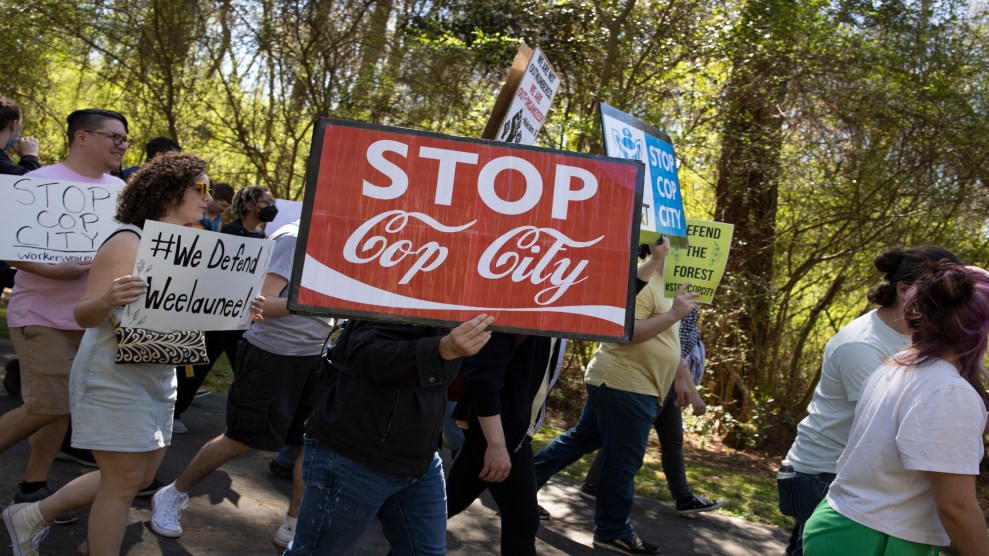
After more than thirteen hours of testimony from hundreds of protesters, Atlanta’s City Council on Tuesday approved public funding to build the controversial Atlanta Public Safety Training Center, or as its opponents have dubbed it, Cop City. The 11-4 vote greenlights at least $31 million of taxpayer money into the construction of what is expected to be one of the largest law enforcement training facilities in the country, carving out a significant portion of a forest that once belonged to a local indigenous tribe in the process.
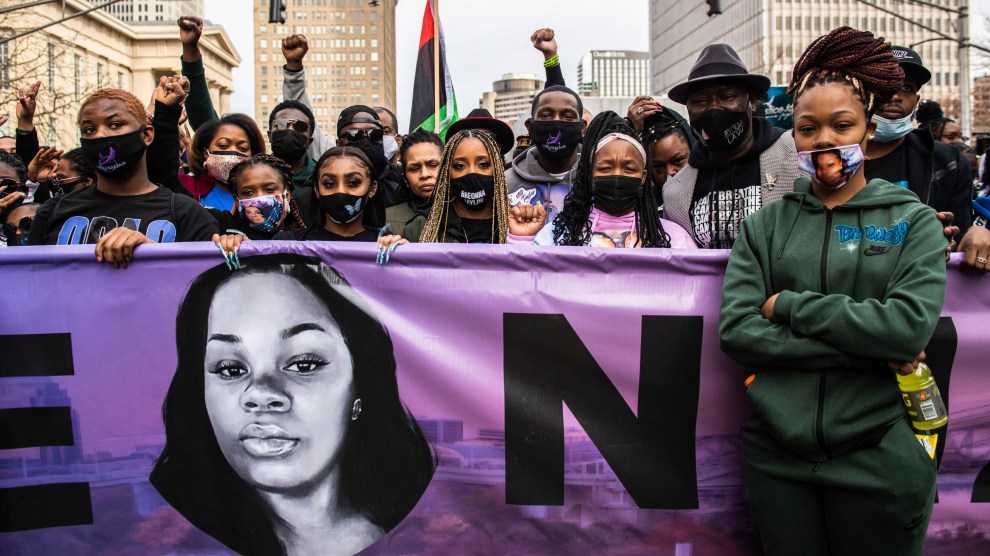
The highly anticipated vote followed years of fierce opposition to the $90 million police training complex that will be built on nearly 100 acres of land. The project united activists of all stripes, including environmentalists, proponents of police reform, and indigenous leaders, many of whom warned that the facility would further militarize the police and destroy the city’s unique tree canopy, with predominantly Black neighborhoods bearing the brunt of the environmental damage.
“This project is being done without the consent and against the will of the people of Atlanta,” Rukia Rogers, a member of the Weelaunee Coalition, said during the public comment portion before the vote. Rogers was one of the hundreds of protesters who trekked out to City Hall this week, waiting in line for hours for a chance to speak out against Cop City’s development.
So moved by this turnout. #StopCopCity pic.twitter.com/Fe5YAa4mBY
— #StopCopCity (@micahinATL) June 5, 2023
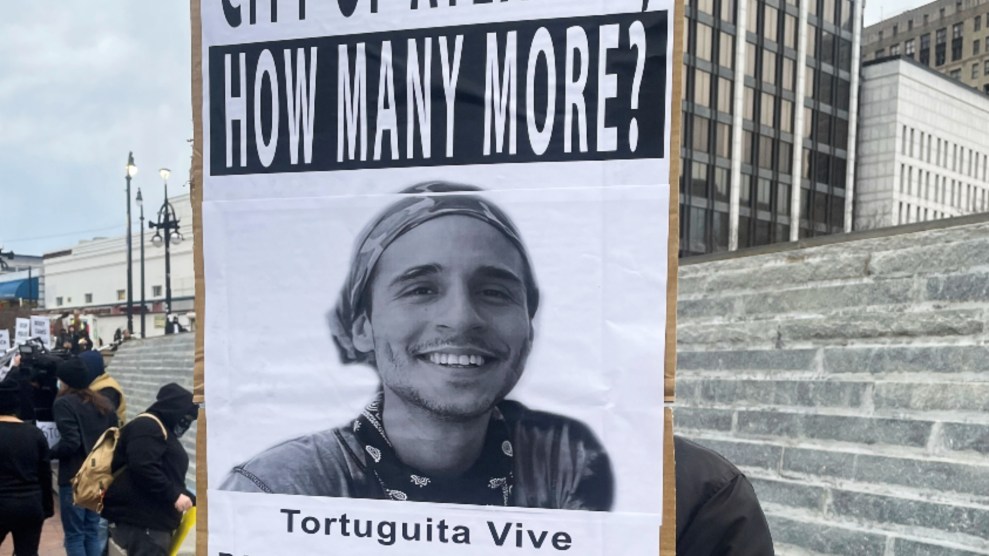
In January, protests turned deadly after police killed 26-year-old environmental activist Manuel Esteban Paez Terán, who went by the nickname “Tortuguita.” As my colleague, Eamon Whalen reported, Terán’s death is the first known example of someone killed by law enforcement while engaged in environmental “land defense” activism:
The confrontational tactics of “Cop City” opponents —which range from nonviolent tree-sits to destroying a work crew’s truck—aren’t exactly new in the history of radical environmental activism. But this protest is singular because of its target: the same police who will be called on to repress future environmental movements.
“What makes this campaign pretty ominous to law enforcement and people like Governor Kemp in Georgia, is [opponents of Cop City are] uniting and connecting all of these threads,” Potter explains. Unlike protesters who sit in trees in endangered forests throughout North America, he says, the Atlanta forest defenders are combining that environmentalist ethos with a critique of the policing apparatus in the US. In addition, the history of the area informs their actions because it “is connected to a prison plantation that has also been part of this land. And it’s connected to a war on indigenous people, that stretches back for hundreds of years. It isn’t just an environmental campaign.”
Several people who knew Tortuguita spoke at City Hall on Monday, describing them as a gentle person who was passionate about the environment. Lisa Baker, an ER nurse who first met Terán at a community first aid training event, said they were interested in hosting a workshop to teach demonstrators how to treat gunshot wounds. Terán was killed four days before the workshop’s scheduled date.
“I want to be clear, Tort did not want to teach forest defenders how to survive gunshot wounds because they were out playing with guns,” Baker told council members. “They’re not the ones who had the firing range in the forest. Tort wanted to teach these skills because police were coming into the forest with their guns already drawn, pointing them at unarmed protesters, laughing about how they couldn’t wait to murder them.”