Sorry, California Is Not Winning the Drought

<a href="http://www.istockphoto.com/photo/signs-of-drought-38498482?st=657f893">wallybird</a>/iStock

Get your news from a source that’s not owned and controlled by oligarchs. Sign up for the free Mother Jones Daily.


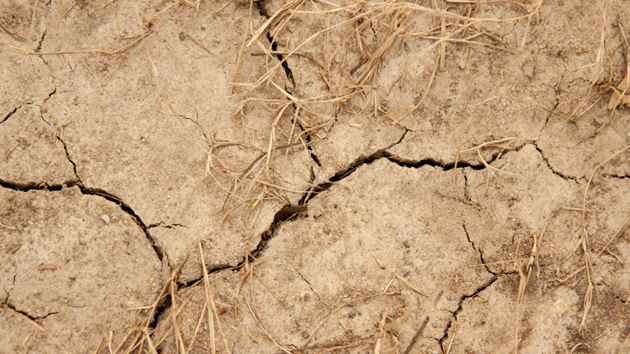
As the epic California drought drags through its fifth year, researchers are now saying the agricultural sector’s increased reliance on groundwater could lead to an economic decline that affects all sectors statewide. 

A new economic analysis conducted by a team from the University of California-Davis shows that as the drought continues, the overtapped groundwater reserves will become increasingly expensive and inaccessible: Water shortages in the famous Central Valley could cost the state $2.74 billion in 2015, as well as nearly 21,000 jobs, which would amount to $1.3 billion in losses from California’s gross domestic product and a decline of $720 million in statewide labor income.

The study claims these numbers are expected to get worse as the drought continues and more acres are fallowed, more crops lose earnings, and revenue from livestock and dairy farms declines due to dry pastures and increasing feed costs. The net water shortage is now expected to increase by 2.9 million acre-feet each year (that’s more than 945 billion gallons); the researchers estimate that economic costs will grow by 6 percent by 2017.

The researchers called for better data collection on water use and drought impacts, and policies that will provide support for areas where drought-caused unemployment is severe, but they emphasized the importance of new state groundwater laws to slow the depletion of reserves—which are now relied on to make up 70 percent of water shortages.

“The transition will cause some increased fallowing of cropland or longer crop rotations,” Jay Lund, director of the UC-Davis Center for Watershed Sciences, said in a statement, “but will help preserve California’s ability to support more profitable permanent and vegetable crops during drought.”
What’s independent journalism worth to you?

Our news will always be free to read, watch, and listen to online. But what is its value?

Unbiased reporting on the issues that billionaire-owned newsrooms won’t touch. Fearless research into the dark corners of government and corporations. Ferociously fact-checked news that focuses on the facts, and the facts alone.

It IS free for you and every reader, viewer, and listener to utilize. But it’s not free for our team to make. So, what’s it worth to you? Let us know by making a donation: Make a one-time donation today to support this work. Or make a monthly sustaining donation to help us plan for the future.

Whatever you choose, know that you’re supporting more independent, investigative journalism in a time when we need it most.

What’s independent journalism worth to you?

Our news will always be free to read, watch, and listen to online. But what is its value?

Unbiased reporting on the issues that billionaire-owned newsrooms won’t touch. Fearless research into the dark corners of government and corporations. Ferociously fact-checked news that focuses on the facts, and the facts alone.

It IS free for you and every reader, viewer, and listener to utilize. But it’s not free for our team to make. So, what’s it worth to you? Let us know by making a donation: Make a one-time donation today to support this work. Or make a monthly sustaining donation to help us plan for the future.

Whatever you choose, know that you’re supporting more independent, investigative journalism in a time when we need it most.

We Recommend

Latest

Sign up for our free newsletter

Subscribe to the Mother Jones Daily to have our top stories delivered directly to your inbox.

Get our award-winning magazine

Save big on a full year of investigations, ideas, and insights.

Subscribe

INDEPENDENT. BECAUSE OF YOU.

Mother Jones has no billionaires calling the shots—just readers like you making fearless reporting possible

Donate