• The White House Is Mad at a Red Hen

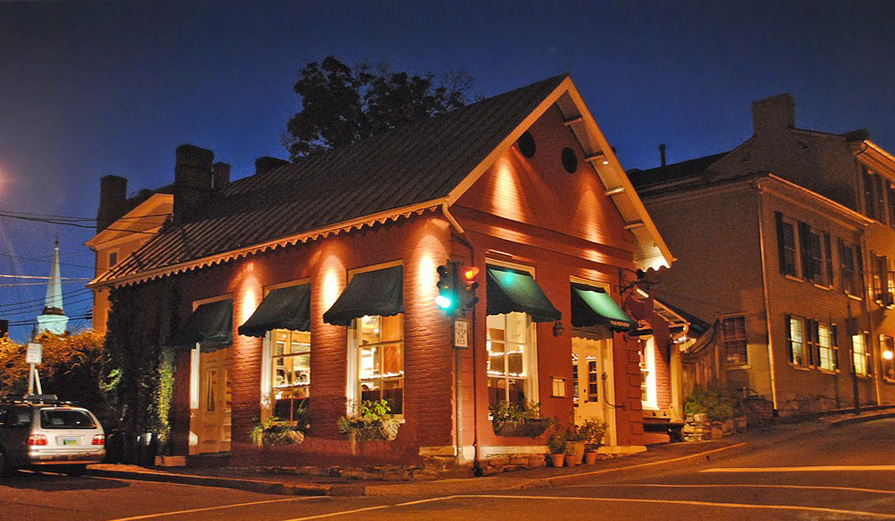
    The very nicely painted and canopied Red Hen restaurant in Lexington, Virginia.

    Last Friday, the owner of the Red Hen restaurant in Lexington, Virginia, quietly asked Sarah Huckabee Sanders and her party to leave because her staff was uncomfortable serving a member of the Trump administration. The next morning one of the servers wrote about it on his Facebook page and Sanders confirmed what had happened. The rest of the weekend was then consumed with a firestorm over civility and blah blah blah. Today our commander-in-chief weighed in:

    Charming, as always. But there’s method to the madness: Trump wants to make sure that anyone who criticizes him—directly or indirectly—pays a big price. If that means bringing the hammer of the presidency of the United States down on some poor schmoe in Lexington, Virginia, that’s fine. It sends a message to others that tangling with him just isn’t worth it. This has already worked pretty well within the business community, which appears to have been entirely cowed by Trump already.

    This is how people like Trump operate: they shut down criticism by making it too personally costly to engage in. He knows perfectly well what a presidential tweet is likely to produce, and that’s all part of the plan. Eventually, he hopes, everyone will be cowed.
  • We Are Doomed, Yield Curve Edition

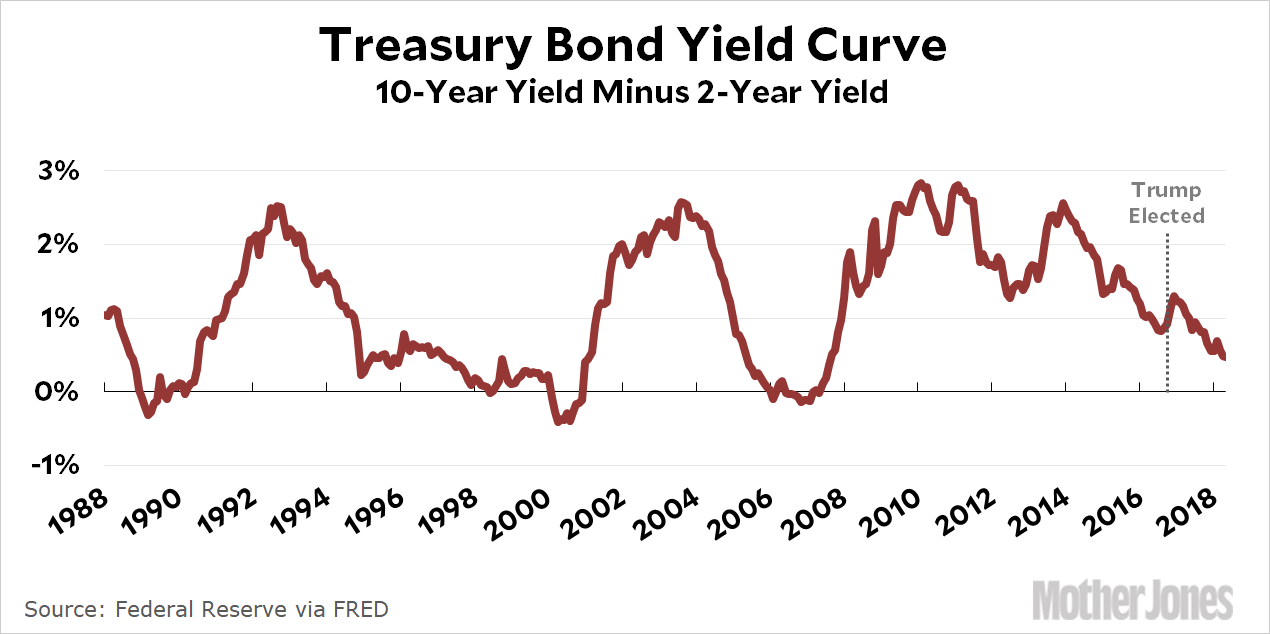
    The New York Times has a piece this morning about the ever-fascinating yield curve, which tracks the difference between long-term and short-term treasury bond yields. Normally the long-term yield is higher to compensate investors for the risk of the economy eventually going sour. But what if you think things are about to get sour really soon? Then you’ll bid down the price of short-term bonds, which increases their yield, and pretty soon long-term yield is less than the short-term yield. The yield curve has “inverted,” which suggests that investors are nervous about a recession hitting. Well, guess what?

    It hasn’t hit zero yet, and luckily for Republicans it appears to be on track to stay (barely) positive through November. As for why investors are getting nervous, well, the economy has been expanding for eight years and maybe they just figure a recession is due. Alternatively, could it be because there’s a lunatic in the White House and no one knows what the hell he might do next? That would explain why the yield curve was smartening nicely during 2016 when Hillary Clinton looked like a winner and then suddenly turned around right after Trump got elected.

    I’m not saying that’s the reason. I’m just asking questions here. A guy can ask questions, can’t he?

  • Political Reporters Need to Watch More Fox News

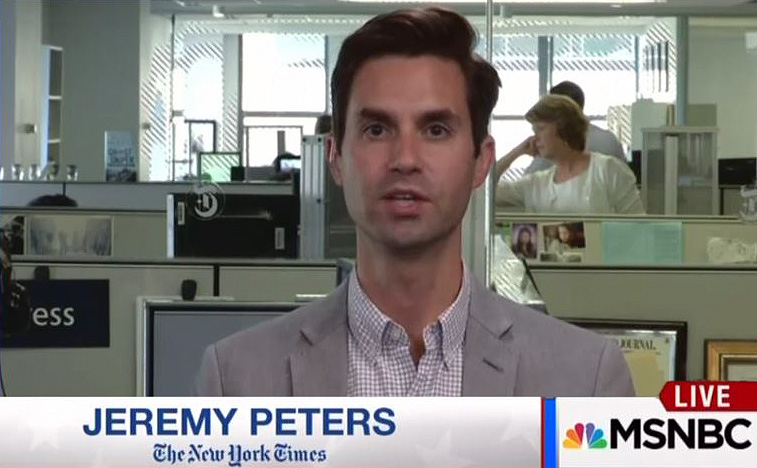
    Over the weekend, Jeremy Peters of the New York Times published a piece about Trump supporters in Virginia. His first interview subject was “a Republican from suburban Loudoun County, Va., with a law degree, a business career, and not a stitch of ‘Make America Great Again’ gear in her wardrobe,” which makes it sound very much like she’s just a mildly-engaged, middle-of-the-road conservative who’s on the fence about Donald Trump. As it turns out, she’s campaigned for Ron Paul in the past and belongs to the board of a PAC dedicated to keeping Confederate monuments standing. She’s perhaps not the political neophyte he paints her as.

    A whole bunch of people pointed this out on Twitter, but Peters kept digging himself in deeper instead of just acknowledging that he made a smallish mistake and maybe revising his lead. In other words, a standard Twitter outrage mob and a standard New York Times refusal to ever admit a mistake. I didn’t really care about it until I read an interview Peters did with Isaac Chotiner at Slate, where he claimed that his critics don’t understand conservatives. Then we get this:

    We fact check these people constantly. There was an anecdote in my story about that tweet from [former Obama speechwriter] Jon Favreau a few weeks ago, where he incorrectly tweeted out a picture of migrant kids who were sleeping in a cage saying this is happening right now, when in fact it was from 2014, when Obama was president. It was stuff like that, picking up anecdotes like that, that is really instructive. I didn’t realize how big a deal that was on the right, and how much coverage and attention it got from conservative media. There must have been a half dozen people that we interviewed who mentioned that tweet. For them, it totally confirmed all their suspicions. And incorrectly, by the way. He apologized. He took it down and explained he was wrong.

    I don’t know Peters and have no opinion about him. But someone who apparently doesn’t realize how trivia like this routinely metastasizes on the right—especially someone whose beat is the conservative movement—should be very careful about accusing others of not understanding conservatives. The Favreau tweet was bog-ordinary Fox/Rush/Breitbart fodder, and no one who covers politics should be surprised that a bunch of rank-and-file conservatives would all bring it up. Peters shouldn’t have treated it like an epiphany that delivers a rare insight into the current political moment.

    There are times when I think all political reporters should be forced to watch Fox News for an hour per day. Or listen to Rush for an hour. Or something. An awful lot of them, no matter how personally disdainful they may be of right-wing news outlets, still seem to not really get it. But then again, I can’t bring myself to listen to Fox for an hour a day, so who am I to talk?

  • Newt Gingrich Is Sad About Today’s Political Nastiness

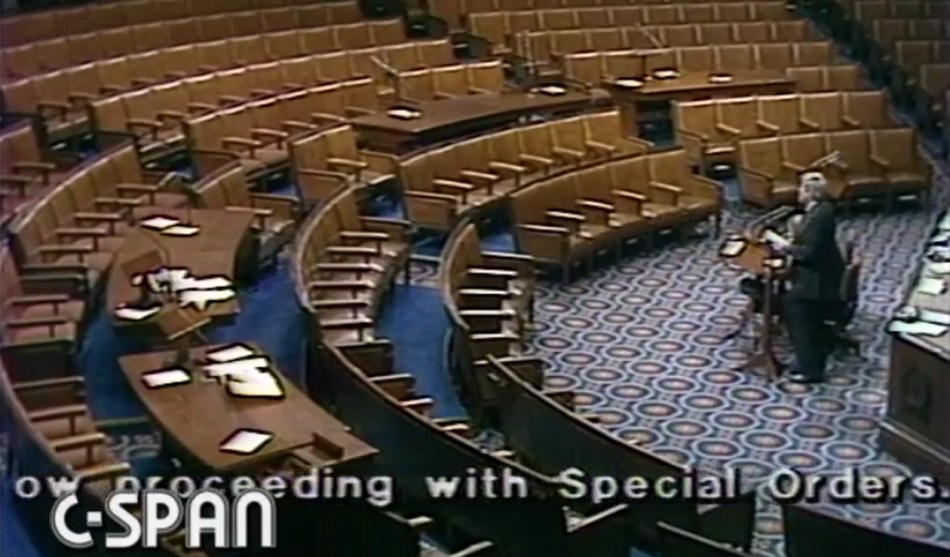
    Remember this, Newt? It's where Trumpism got its start.C-SPAN

    Oh please:

    Is Gingrich deliberately trolling us? Or has he legitimately lost his marbles? He isn’t the nastiest man in politics anymore, but he’s certainly the godfather of whoever holds the title. We owe the debased shape of our politics today almost entirely to him.

    Own it, Newt. This is the America you invented back when you were just a backbencher lobbing grenades during special orders at midnight on C-SPAN. Now your America is all grown up and leads the world in spittle and invective. You should be proud.

  • Nobody Wants to Be Near the Homeless, Part 376

    After I posted some pictures of the homeless in Los Angeles yesterday, a reader pointed me closer to home: the latest Grand Jury report about homelessness here in Orange County. It was published a few weeks ago, and like previous reports it points out that:

    • OC’s homeless population is relatively small: fewer than 3,000 people, which makes it eminently manageable.
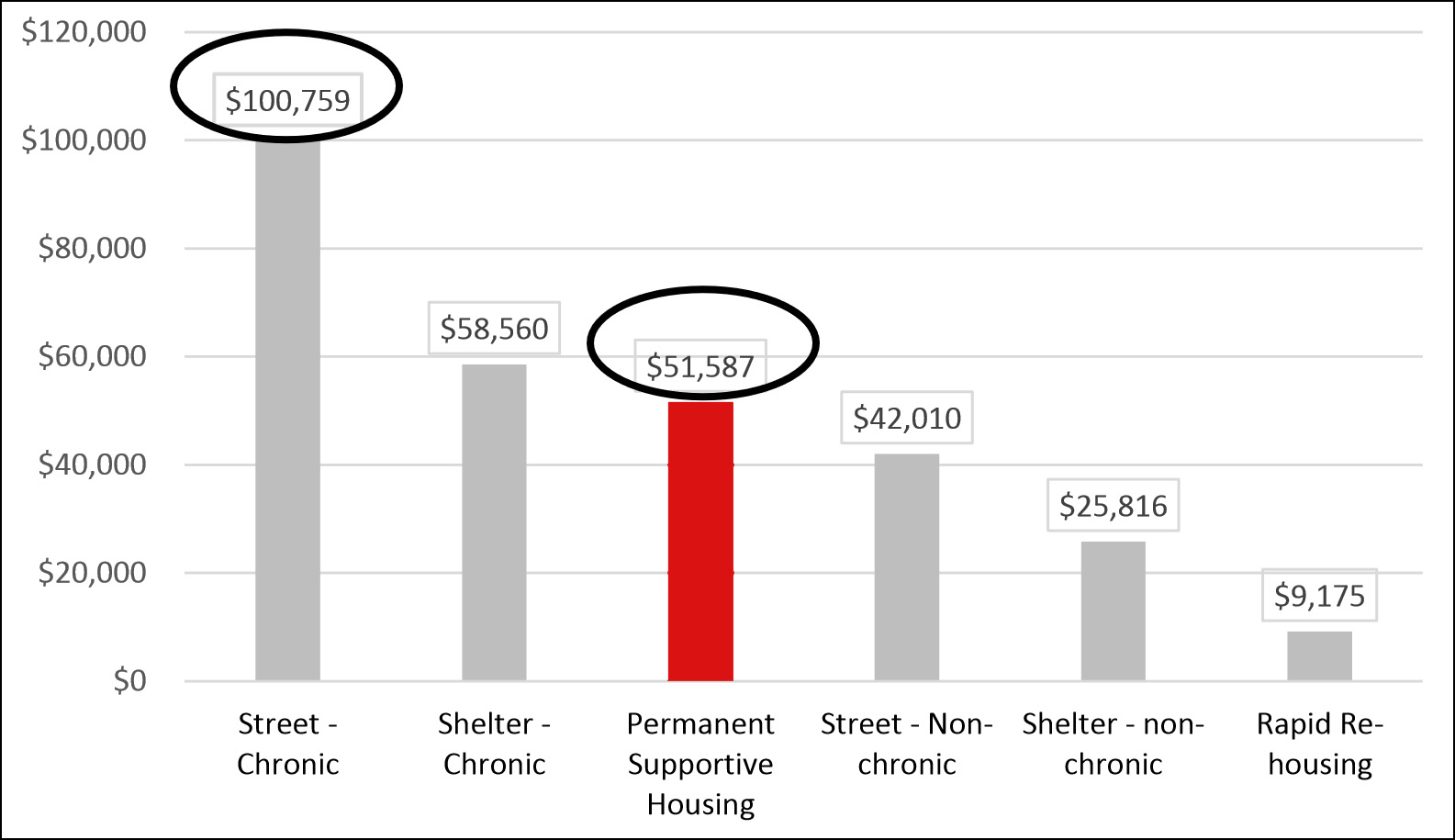
    • Studies routinely find that it’s cheaper to provide decent housing and health care for the homeless than to leave them on the street:
    • The best solution is Permanent Supportive Housing, which works better than most people realize. This typically takes the form of small clusters of apartments managed by caseworkers.

    So what’s the problem? The usual:

    Of all the issues identified as roadblocks to siting PSH within Orange County cities, one of the most challenging is resident opposition to placing any type of housing for the homeless within their neighborhoods….Cities report their residents appear resistant to any type of housing that accommodates the homeless near them. This resistance is primarily due to public safety fears, though concerns of negative impact on housing values were also voiced.

    While the Grand Jury could find no specific studies detailing crime statistics in areas within OC with PSH, information gathered from other areas of the country suggests that there is little evidence of an appreciable increase in crime. This may be due to the stabilizing effect afforded by living in a house, as well as the presence of housing support staff who can check on residents or call to report suspicious activity. Studies indicated that housing values in the areas of PSH had remained stable, or had even risen.

    NIMBYism certainly isn’t unique to Orange County. In November 2013, the Central Florida Regional Commission on Homelessness published the results of a nationwide survey on best practices in addressing homelessness, and a major best-practice theme was dealing with resident resistance to siting housing for the homeless. One of the most frequently mentioned recommendations specified that no program succeeded without educating the community about homelessness and gaining its investment in the solution.

    This is Job 1. One way or another, you have to get community buy-in or else you’ll never succeed. This requires education about the homeless, of course, but it also requires compromise. That’s a tough nut for some people, who are frustrated that a bunch of privileged middle-class folks are being wilfully ignorant and obstructive, but it’s reality. This is a situation where letting the good be the enemy of the perfect is a recipe for endless failure.

  • A Few Thoughts on Fighting Disinformation

    What’s the best way to fight disinformation? I feel like musing on this, but first a disclaimer: I’m not involved in the MoJo disinformation project and I don’t know what the plan for this is. What follows are just some miscellaneous thoughts on the subject, sort of an attempt to think a little bit outside the standard blog box. There are several questions that are key to any project like this.

    What persuades people?

    • Generally speaking, not facts.
    • People listen to others who share their values.
    • Don’t make people feel bad. “That was reasonable at the time, but things have changed” is better than “You’re wrong.”
    • No hectoring. No guilting.

    It’s worth diving into the research on how best to persuade people. I haven’t done that, so I don’t have any concrete advice here. But whatever you decide on, you need the self-discipline to stick with it. You can’t just write/tweet/video whatever liberal pieties you feel strongly about. You have to treat this like it’s a product that needs to be rigorously marketed.

    Who’s the audience?

    • Fellow liberals. This is the easiest since liberals already read MoJo, but the downsides are big: we already do a lot of disinformation fighting; other liberal publications do a lot of it too; and liberals already mostly agree with us anyway. Targeting liberals would probably have a very small payback.
    • Trump followers. Probably hopeless. They don’t read MoJo, they’re not going to read MoJo, and they’re nearly impossible to sway.
    • The general public. Perhaps. But this would require a very evenhanded approach and some awfully good SEO to build any kind of audience.
    • The news media. The idea here is to quickly produce interesting tidbits they’re unlikely to find on their own, and then use them as the conduit to your real audience.
    • Conservative elites. These people do get exposed to things on sites like MoJo, so it’s not impossible to reach them. However, this would obviously require a very different kind of approach than our usual one. The disinformation fighting would have to appeal to conservative values and staunchly resist any temptation to criticize conservatives themselves or conservative ideology.
    • A niche. Housewives, young single men without college degrees, stockbrokers, etc.

    There are pluses and minuses to all these approaches, but there’s one thing for sure: you have to settle on an audience and stick with it.

    What’s the best medium?

    • Writing (blog-length)
    • Still photos
    • Video
    • Twitter
    • Instagram/Facebook/Pinterest/Snapchat

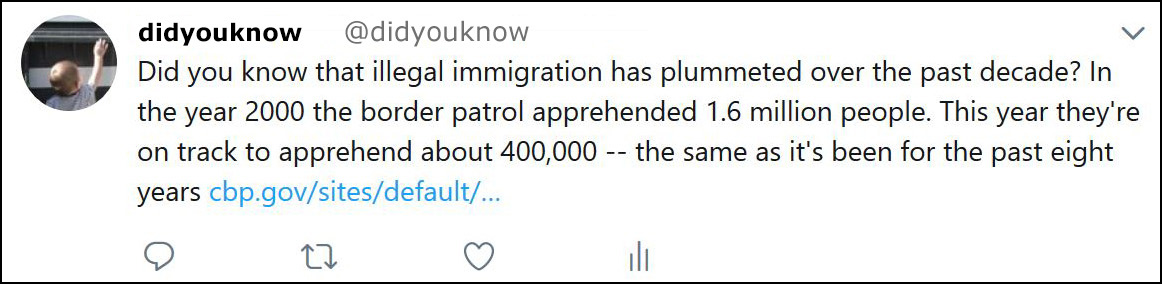
    The obvious platform for an outfit like MoJo is writing—either at blog or article length. But that isn’t necessarily the best way to fight disinformation. Maybe a daily stream of 60-second videos would be better. Nothing fancy, just quick takes that people find interesting but also manage to embed two or three useful facts. Or maybe a Twitter feed:

    This is nonthreatening and not overtly ideological. What’s more, there’s no reason every tweet has to be political. In fact, it might be easier to build up an audience if it’s a mixed bag. Alternatively, a different social network might be better depending on who you’re targeting.

    What else?

    Whatever the format, should you spend most of your time reacting to lies? Lots of other people already do this, and a lot of research suggests that it accomplishes little except to give more publicity to the original lie. Or should you try to anticipate which lies are coming, and react to them in advance? Or something else?

    What’s the best way to measure how effective something is? Things like retweets or views are obviously useful metrics, but how do you know if you’re changing minds? Maybe there’s no good way to do this that’s worth the effort it would take, but it’s probably something to give some thought to.

    Can you enlist a corps of experts who are willing to provide a dozen interesting bullet points on a topic when they’re called on?

    The goal should be to slowly build sympathy for a point of view. Only then will facts and rebuttals start to matter. For example, a simple link to a story of a Hispanic soldier rescuing a squadmate, without even mentioning ethnicity. You’re just building a positive association between a name and an action.

  • Outrageous! US Taxes European Trucks at 25% Rate

    Back in 1964 the Ford Motor Company was worried about this:

    That’s the lovable old VW bus in its pickup truck variation. Ford was worried that it would eat into their domestic pickup truck sales, and if Ford was worried then so was the United Automobile Workers union. Luckily for them, 1964 was an election year. President Lyndon Johnson wanted UAW president Walter Reuther to support his civil rights program and promise not to go on strike during the campaign, so a deal was struck. When the election was over, Johnson made good on his end of the bargain by levying a 25 percent tariff on European light trucks, putatively in retaliation for a European tariff on American chickens. The chicken tax is long gone, but the truck tariff is with us to this day.

    This means that all European light pickup trucks face a 25 percent tariff when they enter the US—a tariff so high that it effectively bans all light truck imports. That’s bad news for American consumers who want to buy a VW Amorak, reputed to be a very nice small pickup. I suggest that the EU immediately threaten to levy a 25 percent tariff on all Ford and GM pickup trucks until Donald Trump agrees to level the playing field here.

  • Probable Cause Is Not Really a Huge Barrier For Police

    You know what really gets me about the recent Supreme Court case over police access to cell phone location records? It’s not as if anyone was trying to take away their ability to get them. All anyone wanted was for police to get a warrant showing probable cause. That’s it.

    Why is that treated as such a big deal? Police show probable cause all the time even in fairly flimsy cases, and judges routinely grant them search warrants. I don’t understand why anyone thinks this minimal protection is too much to ask in return for access to complete and total movement data on an American citizen. The alternative, “reasonable grounds” as determined by the police themselves, is essentially nothing. In the opinion of a detective, after all, there are always reasonable grounds.

    By the way, the Wall Street Journal adds this:

    Several states, including California, Massachusetts and Utah, as well as a number of local governments, have adopted measures requiring police to obtain warrants for such searches with little apparent impact on crime rates.

    That certainly would have been my guess.

  • Is the BMW 750i a Threat to National Security?

    BMW of North America

    So Donald Trump is now publicly threatening to slap a 20 percent tariff on European cars in retaliation for Europe’s retaliation over Trump’s tariffs on steel and aluminum. I’m not going to bother writing yet again about how dumb this is. I just want to ask what the alleged justification will be. National security?

    It’s obviously nonsense that American national security is endangered in any way by importing a million BMWs and Mercedes each year for rich people to tool around in. Nevertheless, that’s all Trump has, so that’s what he’s forced to use. But here’s the thing: Trump has this power because of a congressional statute. It’s not carved into the Constitution or the Ten Commandments. That means Congress can remove or restrain the power easily.

    They won’t, of course. But why not?

    And a question for whatever kind of lawyer specializes in this kind of thing: Is there any chance of a court putting a stop to this? I know that courts are traditionally very deferential to claims of national security, but where’s the limit? This obviously has nothing to do with national security, and Trump himself has said so on occasion. If it went into effect, could a car company sue to stop it?

  • The Homeless in Los Angeles

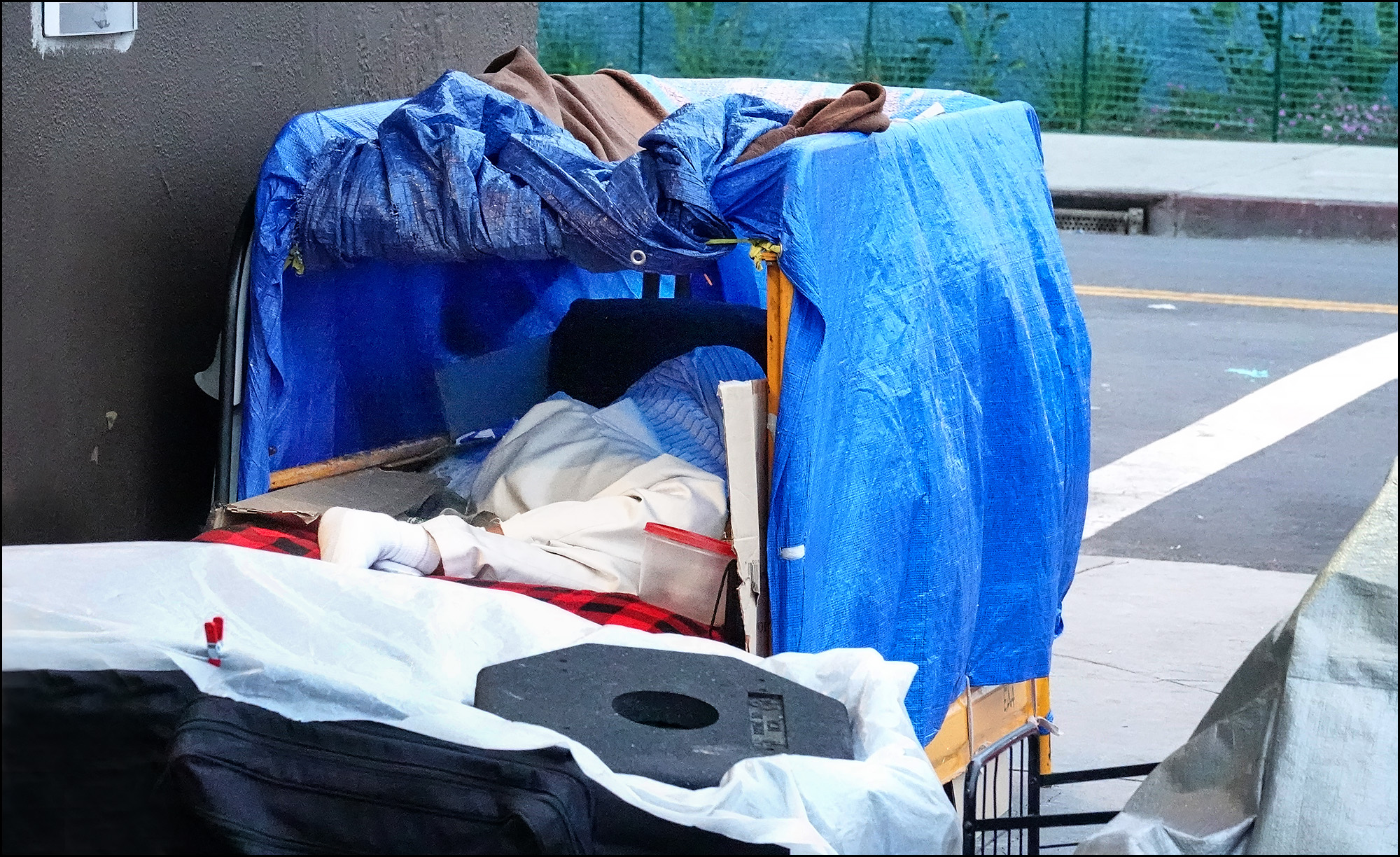
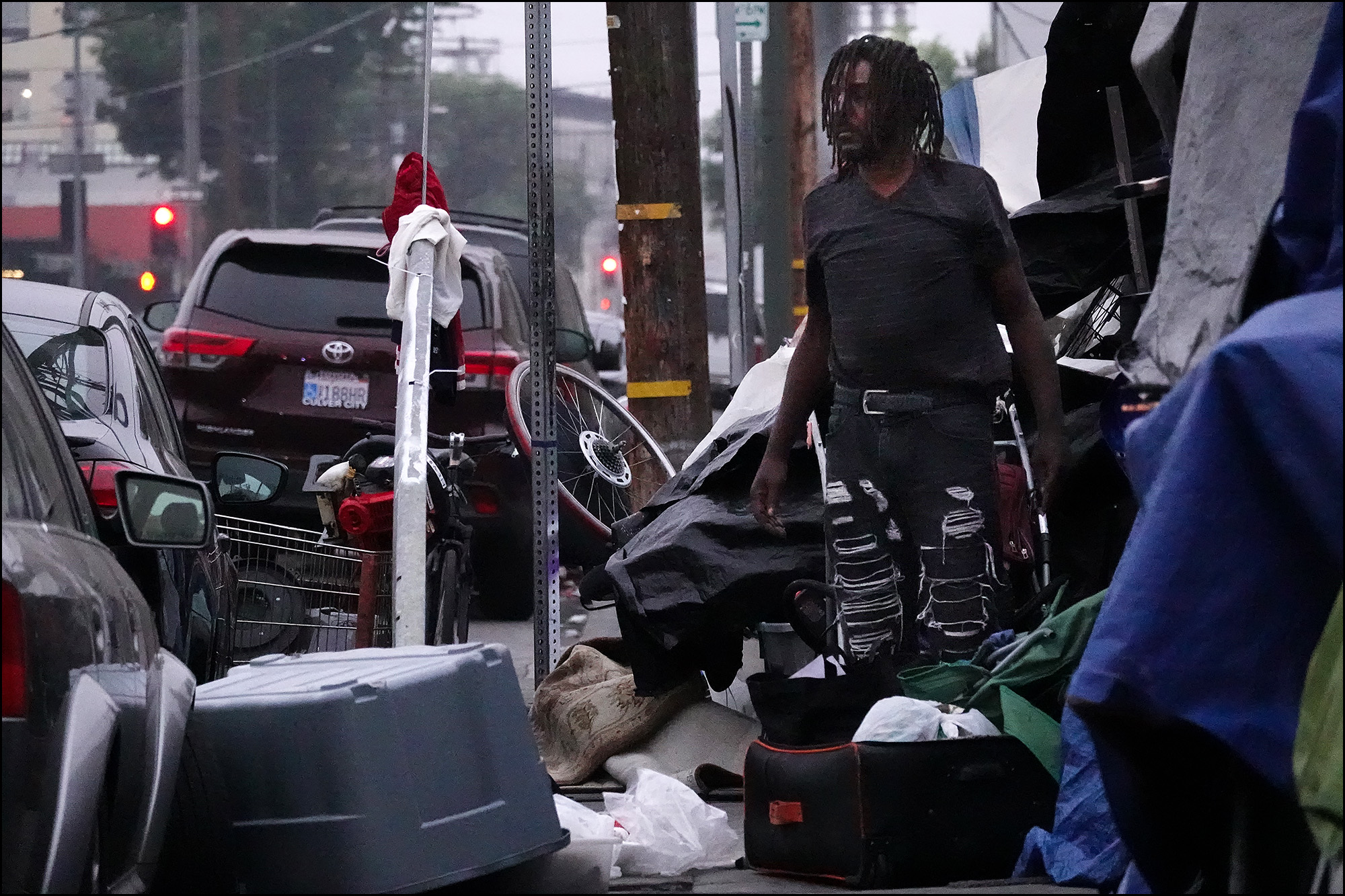
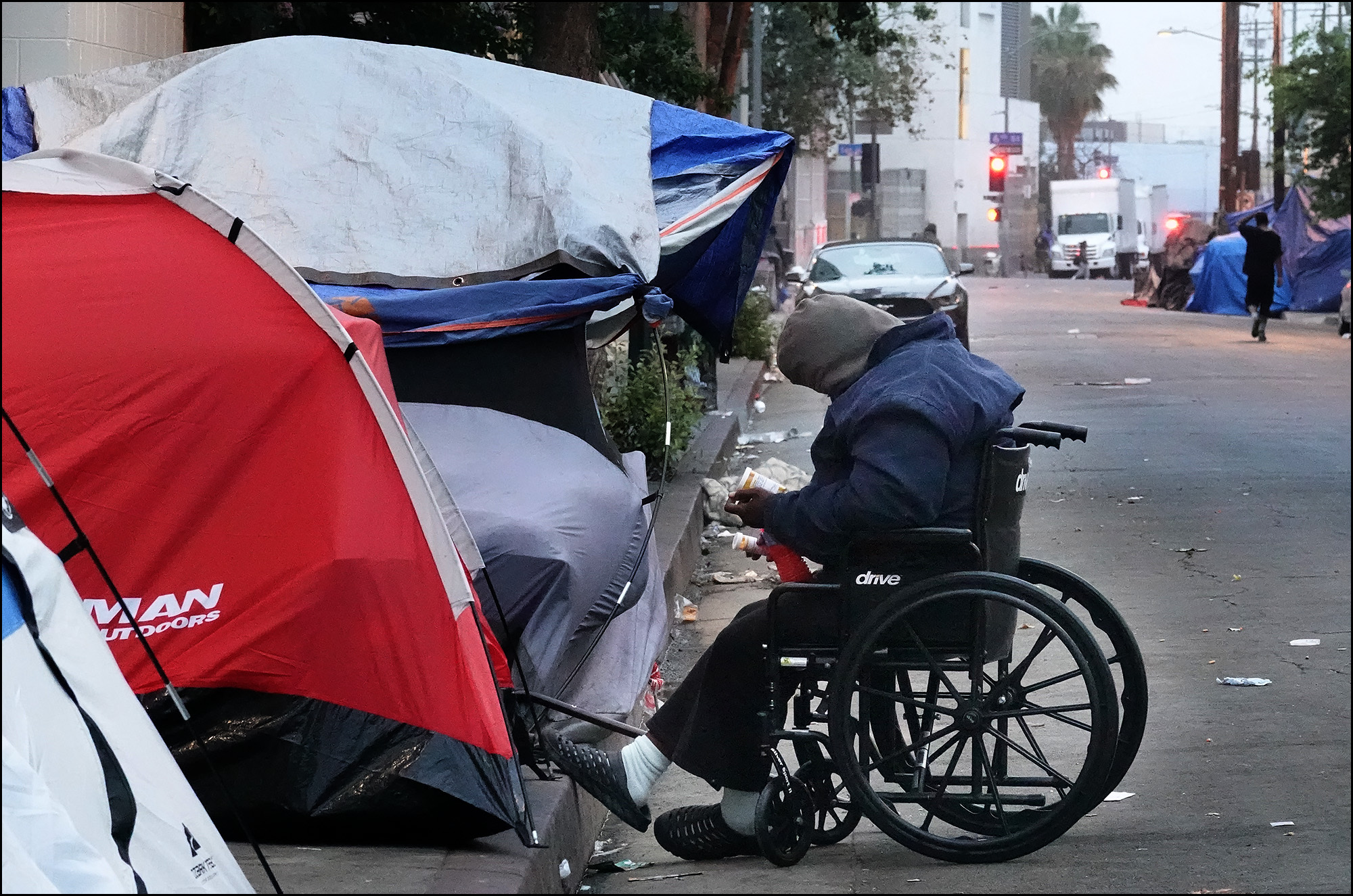
    If you take a look at Google Maps, you can find skid row in Los Angeles pretty easily. It’s just east of downtown and less than a mile south of City Hall—and it’s labeled “Skid Row.” That surprises me a little, since this is hardly an official name or anything, but I guess Google believes in labeling everything truthfully.

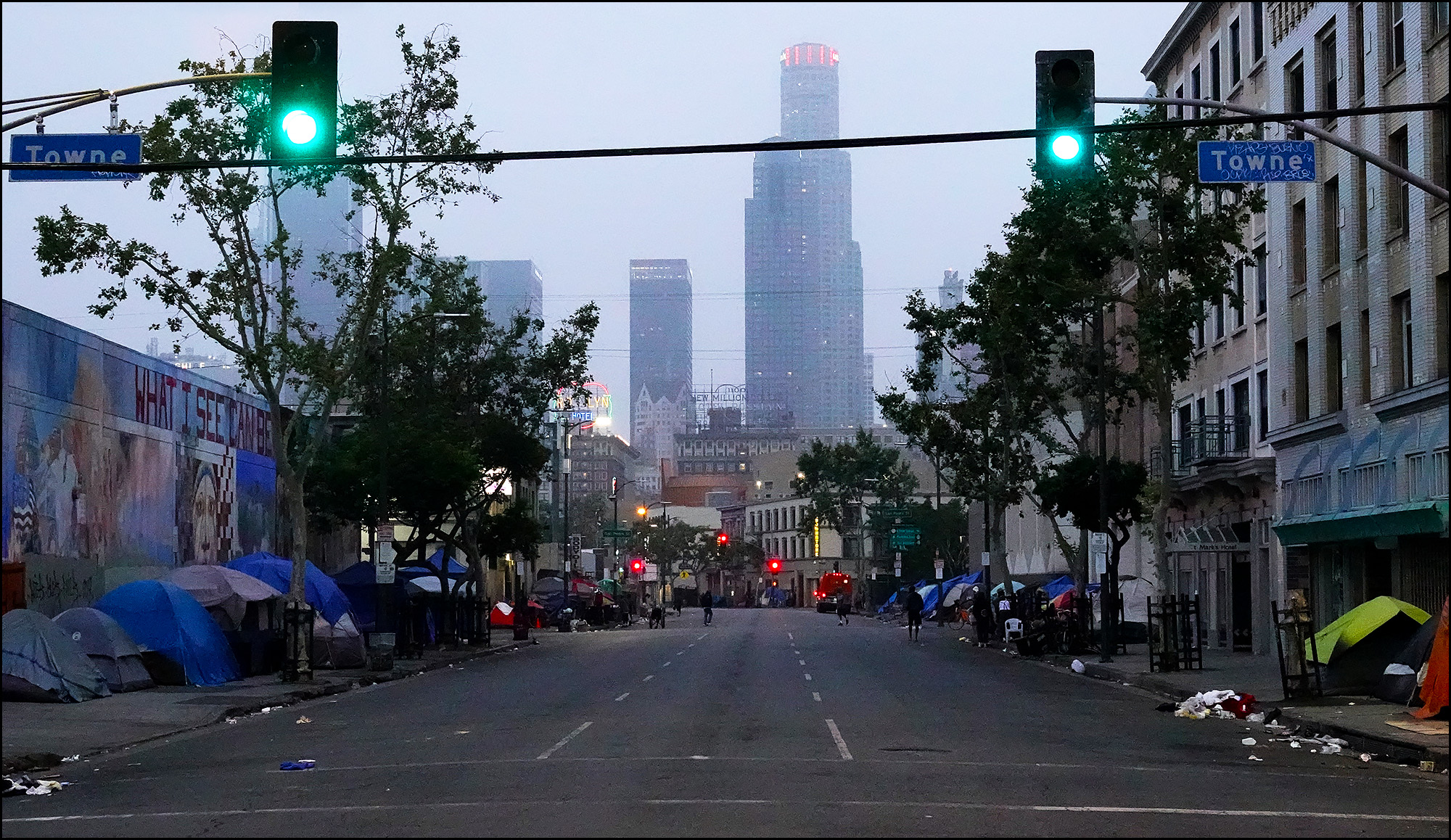
    During my photo excursion to LA on Thursday night, I visited skid row at dawn when the light got good enough to take a few pictures. As you can see, it really is just a stone’s throw from downtown:

    A few people sleep indoors, at least some of the time:

    Others sleep in makeshift boxes:

    At dawn, a few are just getting up and collecting their things for their daily routine:

    And some look as if they’ve already been up for a while:

    There’s a lot of wheelchairs on skid row. I’d say about 10-20 percent of the tents had wheelchairs outside.

    Thanks to a couple of recent initiatives, Los Angeles has about $350 million per year to spend on the homeless, plus $1.2 billion in bonds to build 10,000 new housing units. Now comes the hard part: persuading communities to support local homeless shelters and persuading the homeless to use them. That’s an intricate problem. Some of the homeless just need shelter. Others need mental health assistance. And still others need drug or alcohol treatment. These all require different kinds of outreach and different kinds of facilities. Put it all together, and even $350 million isn’t that much: it amounts to about $6,000 per homeless person in LA—barely enough for bare-bones shelter, let alone expensive medical help.

    But it’s a good start. It’s shameful that in the richest big country in the world anyone has to live like this. There are some who will refuse help no matter what, but anyone who needs and wants help should be able to get it. It’s one of the marks of a decent culture, and it has been for at least 2,000 years:

    Matthew Chapter 25:

    34 Then shall the King say unto them on his right hand, Come, ye blessed of my Father, inherit the kingdom prepared for you from the foundation of the world:
    35 For I was an hungred, and ye gave me meat: I was thirsty, and ye gave me drink: I was a stranger, and ye took me in:
    36 Naked, and ye clothed me: I was sick, and ye visited me: I was in prison, and ye came unto me….
    40 And the King shall answer and say unto them, Verily I say unto you, Inasmuch as ye have done it unto one of the least of these my brethren, ye have done it unto me.
    41 Then shall he say also unto them on the left hand, Depart from me, ye cursed, into everlasting fire, prepared for the devil and his angels….
    44 Then shall they also answer him, saying, Lord, when saw we thee an hungred, or athirst, or a stranger, or naked, or sick, or in prison, and did not minister unto thee?
    45 Then shall he answer them, saying, Verily I say unto you, Inasmuch as ye did it not to one of the least of these, ye did it not to me.
    46 And these shall go away into everlasting punishment: but the righteous into life eternal.