• Just How Bad Is the Rural Economy, Anyway?

    The Washington Post and the Kaiser Family Foundation released the results of a pretty interesting poll today. It focuses on the rural-urban divide, and seems to suggest that although people in rural areas are more likely to say that jobs and the economy are a big concern, they actually feel about as positively as urban dwellers. For example, 29 percent of rural folks say their community’s biggest problem is jobs and the economy, vs. only 10 percent for urban folks. About 30 percent say job opportunities are good vs. 50 percent for urbanites.

    But then there’s this:
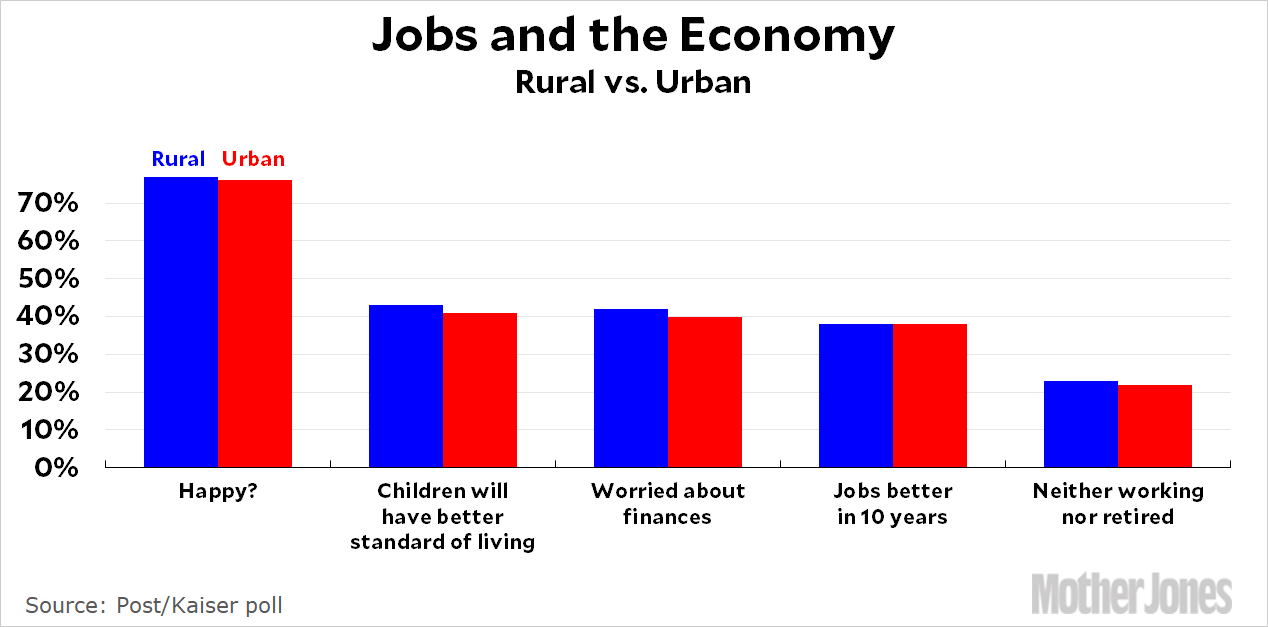
    All of these are nearly identical. Overall happiness is the same, the number of unemployed is about the same, and optimism about the future is about the same. This same dynamic plays out elsewhere. In rural areas, 67 percent say their community relies a great deal on government help. But that perception doesn’t match reality:
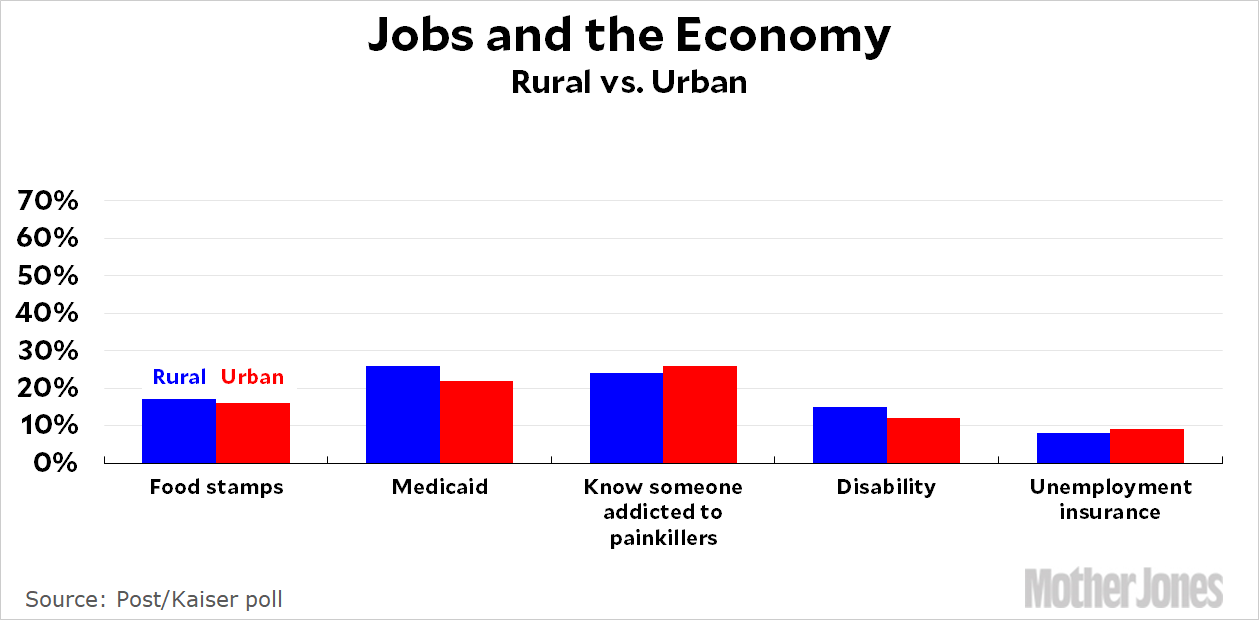
    Asked about their personal situation, only around 20 percent say they’ve relied on government programs—and there’s very little difference between rural and urban areas.

    Rural areas are unquestionably poorer than urban areas: at the low end there’s more poverty and at the high end there are fewer rich people. Beyond that, though, the perceptions of rural folks about their communities are out of step with what they report about their personal lives.

    There are obvious reasons for this difference between perception and reality. The most obvious one is just related to community size. The Great Recession hit urban and rural areas about the same, but when unemployment rises in a city it’s a diffuse problem that doesn’t necessarily seem related to living in a city. Conversely, when the same thing happens in a small town, it’s probably because a factory laid off 10 percent of its workforce. That’s a punch in the gut that makes you lose faith in your town. Similarly, when someone in a small town decides to move away to look for employment elsewhere, there’s a good chance it’s someone you know. In a city it’s just the guy down the hall that you nodded to every once in a while.

    Bottom line: rural areas probably are doing worse than cities on a number of economic metrics. But only a little worse. The big difference is mostly in the perception of just how bad things really are.

    And one more thing:
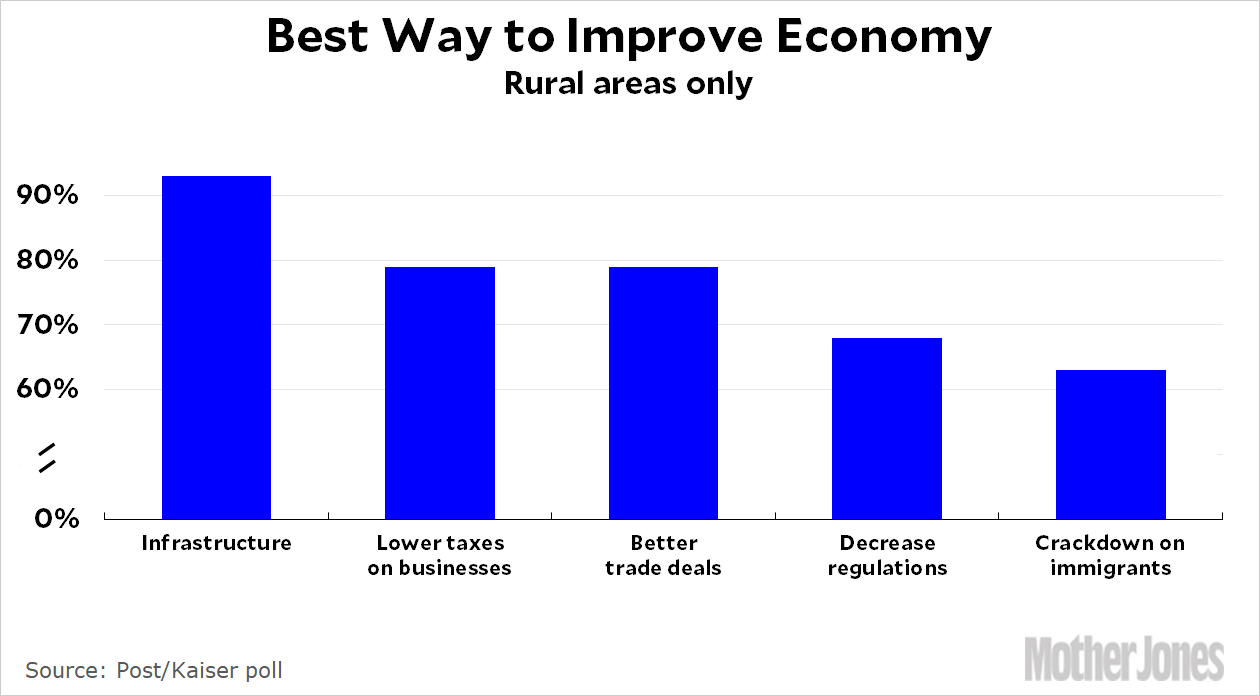
    Asked about the most important thing government can do to improve their economy, it’s not immigration crackdowns or better trade deals. It’s infrastructure. That’s what they want.

  • Republican Senators: AHCA Must Reduce Cost of Health Coverage

    The fun folks at Vox asked eight Republican senators to explain what they want their health care bill to do. That is, what problems should it solve and what benefits should it provide for ordinary Americans? The results are mostly pretty hapless, and Chuck Grassley in particular is getting lots of Twitter play for his usual Grampa Chuck schtick.

    But if you read closely, it turns out that all of them aside from John McCain actually do have a common goal:

    McCain: “What are the big problems it is trying to solve?” “You name it.”

    Grassley: “The rates could be way up here. [Points to sky] And if they — if we get a bill passed, it maybe wouldn’t go up or would go up a heck of a lot less than they would without a bill.”

    Boozman: “We’ve got so many people in Arkansas, premiums have gone up 128 percent in the past four years….And so hopefully we’ll deal with some of those problems.”

    Wicker: “It will moderate prices for premiums.”

    Murkowski: “I continue to hear stories of great frustration. Increasing premium costs. Increasing share of deductibles….When you ask Alaskans about their stories and what they want, they need increased affordability. Because we are slammed in every category, with premiums and the cost of care.”

    Cruz: “The most important objective in repealing Obamacare is to lower health insurance premiums.”

    Capito: “First of all, we’ve got to stabilize the market of the places…whose premiums are skyrocketing, whose deductibles are through the roof. This is a real phenomenon.”

    Portman: “It’s the cost of health care. Premiums and copays and deductibles have skyrocketed compared to what was promised.”

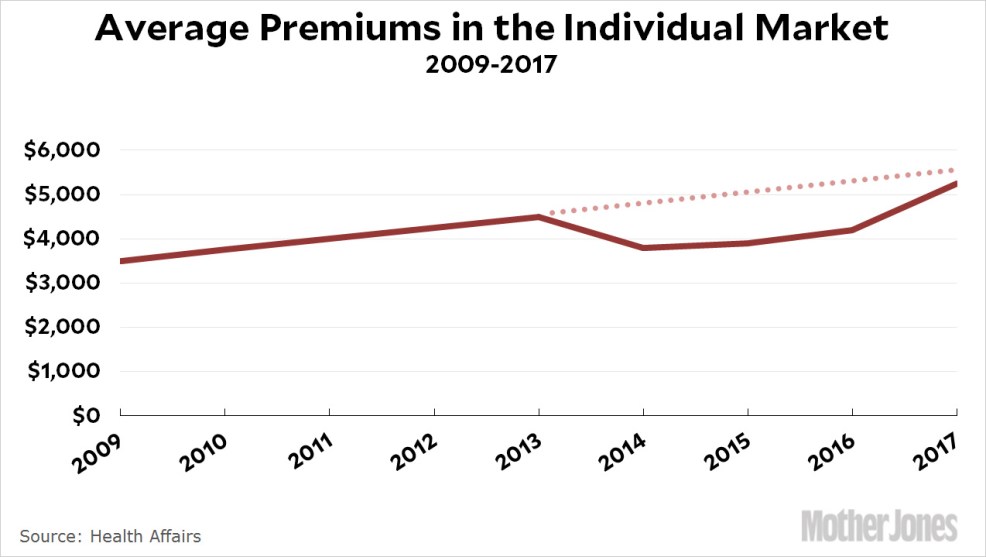
    Seven out of eight Republicans surveyed agree that rising premiums and deductibles are the key problem they’re trying to solve. In the House bill, Republicans actually did deliver this. However, they did it by reducing coverage levels—which naturally makes policies cheaper—and by making coverage too expensive for older people, who have the highest premiums. In other words, they did it in a way that produces a mathematical reduction, but not in a way that actually helps people in the real world. It was a bit like reducing “average” outlays on Geritol by cutting the recommended dose in half and ending sales to anyone over 50.

    Will Senate Republicans do the same? Or do these senators want to reduce premiums on the coverage people actually have right now? I think you know my guess, but I suppose we’ll just have to wait and see. So far it’s still a secret.

  • Trump Kills Meaningless Program, Keeps DACA “Mini-DREAM” Act in Place

    Bastiaan Slabbers/NurPhoto via ZUMA

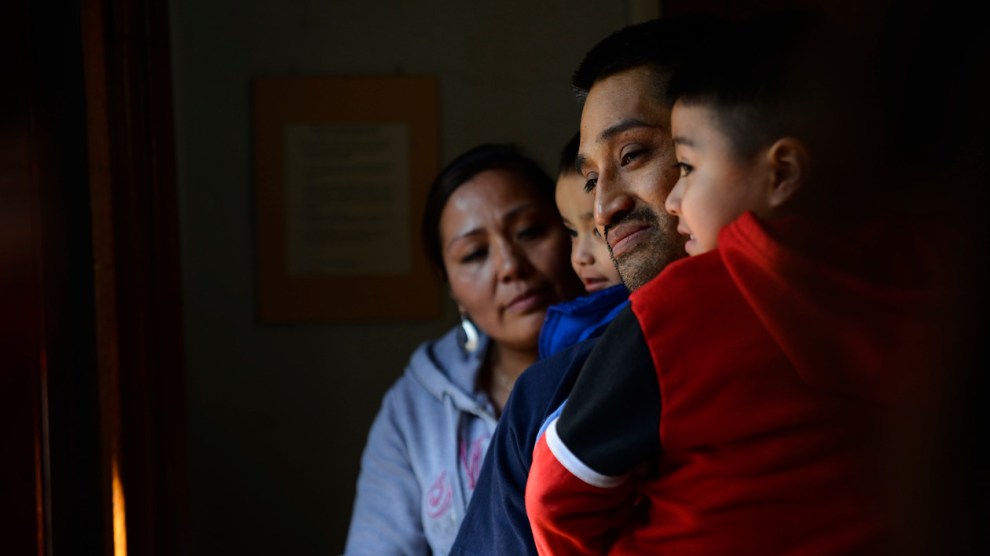
    The Trump administration has revoked DAPA, an Obama immigration program that never went into effect. At the same time, Trump is keeping in place DACA, the “mini-DREAM” act that protects young immigrants. In other words, Trump is killing a program that was already dead, and keeping a program that’s actually effective and has prevented thousands of potential deportations. So what do Trump’s fans think of this?

    For the most part, they seem to be playing ball, praising him for the meaningless cancellation of DAPA. Even Mickey Kaus and Ann Coulter have ignored Trump’s broken promise on DACA. But not everyone is buying the spin. Here is Allahpundit at Hot Air:

    Trump had a lot of options when he took office on how to handle that — he could have rescinded DACA entirely, as he promised to do last year; he could have kept the current permits in place but phased out the program by making those permits non-renewable; he could have maintained the program while closing it to new enrollees. Or he could have gone full Obama by keeping everything in place. The program stays open, current permits are renewable, new enrollees are welcome.

    He went full Obama.

    Ouch. The full Obama. That’s gotta sting. But as long as everyone else keeps up a brave face and pretends that Trump has struck a mighty blow for the anti-immigration cause, he should be OK.

  • Donald Trump Is Steadily Becoming More Unbalanced Every Day

    This Politico story is from yesterday, which is about six months in blog years, but it deserves an extra day:

    Trump, for months, has bristled almost daily about the ongoing probes. He has sometimes, without prompting, injected “I’m not under investigation” into conversations with associates and allies. He has watched hours of TV coverage every day — sometimes even storing morning news shows on his TiVo to watch in the evening — and complained nonstop.

    ….Two people close to Trump note that his is an obsessive personality — whether about businessmen who wronged him over the years, his years-long and fruitless quest to prove President Barack Obama wasn’t born in the United States, to reporters who have written negative stories about him. One transition official said Trump lashed out at reporters over old stories within a day of winning the election in November.

    ….Trump now has begun fuming about special counsel Robert Mueller, particularly after Mueller hired several prosecutors and investigators with ties to Democrats. Trump has told associates he might fire Mueller, though they don’t believe he will. On Wednesday, The Washington Post reported that Trump was under investigation for obstruction — and that Mueller wanted to interview the national security officials who reportedly had been asked to make false statements.

    Well, it’s true that the Post reported that Trump was under investigation, but that was based on an anonymous source, and the deputy attorney general has told us not to pay any attention to—

    Oh. I guess Trump really is under investigation. “Aides have tried to change the subject,” says Politico, “But none of that has changed Trump’s response.” This is not a portrait of a man in full control of his faculties.

  • Vice President Pence Lawyers Up

    The latest:

    Vice President Pence has hired outside legal counsel to help with both congressional committee inquiries and the special counsel investigation into possible collusion between President Trump’s campaign and Russia. The vice president’s office said Thursday that Pence has retained Richard Cullen, a Richmond-based lawyer and chairman of McGuire Woods who previously served as a U.S. attorney in the Eastern District of Virginia.

    This is just astonishing. The FBI is actively investigating ties between the president’s campaign and a hostile foreign power. Ditto for his former national security adviser. The FBI director has been fired for refusing to kill the investigation. The attorney general has recused himself. The deputy attorney general has appointed a special counsel, Robert Mueller, who is busily hiring experts in money laundering. A few days ago Mueller widened the scope of his inquiry to include a criminal investigation of the president. Bipartisan congressional committees are holding hearings. The president himself has lawyered up, and now the vice president has lawyered up too.

    This would not be completely unprecedented if it happened in 2022, six years into Trump’s presidency. But it’s happened in Trump’s first five months. And while we’re all busy gaping at the spectacle of the whole thing, Republicans are trying to take health coverage away from millions of people so they can use the money to fund tax cuts for the rich.

    In secret.

    This. Is. Not. Normal. It is nowhere close to normal.

  • Lunchtime Photo

    Like sunsets, I could take pictures of Monarch butterflies and post them every day. But I need an excuse, so yesterday’s project was to catch butterflies in flight, which is damn near impossible. I quickly decided that the only way to do it was to prefocus on a spot and fire off a burst every time they came near. Then go inside and see if I got anything.

    My spot was the flower below, which was poking out into the sunshine. I don’t think I ended up capturing a single picture of the butterflies that was truly in sharp focus, but this one is pretty close, and by good luck it includes both the butterflies that were fluttering around in a mating dance. Enjoy.

  • Health Care Watch Day 41: Still No Republicans in Sight

    It’s been nearly seven weeks since Republicans took up Obamacare repeal. There have still been no hearings and none are in sight. Still no CBO score. Still no press conferences. Still no markups. Still no bill that the public is allowed to see.

    Sarah Kliff is appalled. “I’ve covered Obamacare since day one,” she says. “I’ve never seen lying and obstruction like this.” And that’s just the headline.

    But if it works, Mitch McConnell doesn’t care. And so far it’s working.

  • More Chocolate News

    More chocolate news today:

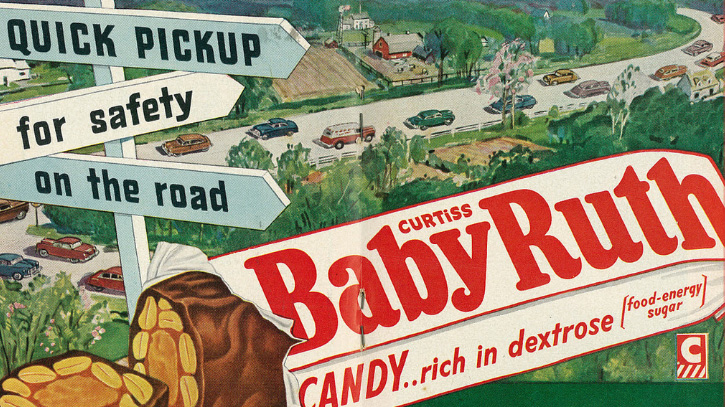
    Nestlé SA said Thursday it is considering selling its U.S. confectionery business, maker of such products as the Butterfinger and Baby Ruth candy bars….The possible sale by Nestlé doesn’t include its much larger global chocolate business, which includes Kit Kat and chocolate drink Nesquik.

    “Nestlé remains fully committed to growing its leading international confectionery activities around the world, particularly its global brand Kit Kat,” Nestlé said.

    Nestlé wants to sell Butterfinger and Baby Ruth in order to focus on its “global brand” Kit Kat? I wonder why Butterfinger and Baby Ruth have never caught on outside America? They’re just variations on chocolate, peanuts, and caramel goop. What’s not to like?