• Republicans Aren’t Going to Stop Trump’s Tariffs on Mexico

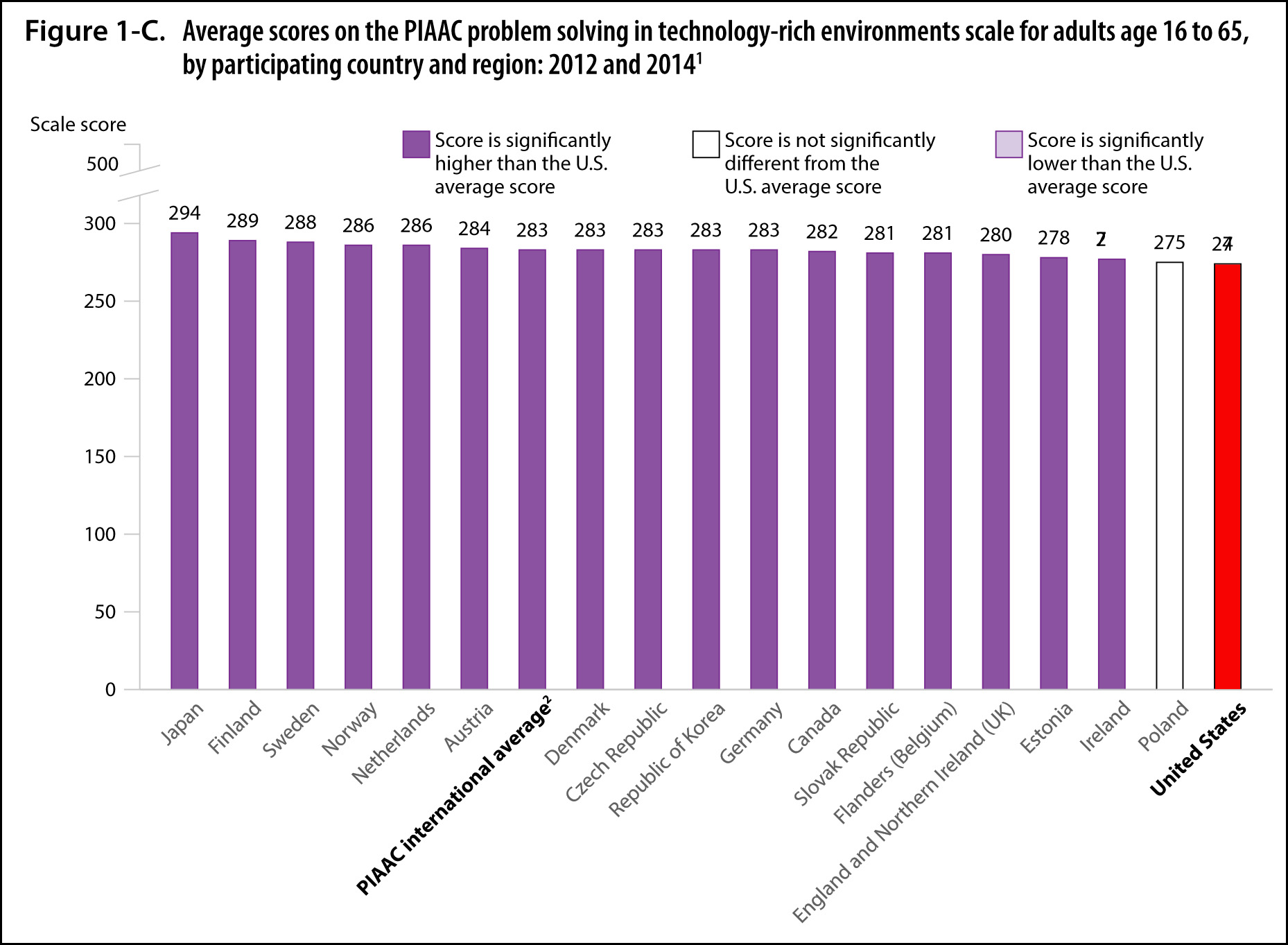
    Yes, this is California's most famous Kevin. It's embarrassing, but what can you do?Alex Edelman/CNP via ZUMA

    The news is full of storm and fury from Senate Republicans over President Trump’s threat to impose tariffs on all imports from Mexico, but none of it matters:

    House Minority Leader Kevin McCarthy (R-Calif.) called on Senate Republicans to support President Trump’s plan to impose tariffs on Mexican exports unless that country does more to try to force action to curb illegal border crossings.

    End of the day we should support the president so we can get an agreement so we don’t have tariffs. Them talking about not supporting him undercuts his ability to do that,” McCarthy, who has emerged as a staunch ally of the White House on Capitol Hill, told reporters Wednesday.

    Trump’s abuse of his tariff authority should alarm everyone, including Republicans. But it doesn’t. Even if Senate Republicans somehow managed to muster the courage to stop the tariffs and then override a Trump veto, it would all stop dead in the House. There’s no courage there, and no principle either.

    POSTSCRIPT: Just to be clear, by “principle” I mean the principle that the United States keeps its word. Both the WTO and NAFTA are designed specifically to prevent countries from using tariffs as generalized weapons of foreign policy, the way Trump is doing. We are signatories to both. Trump can get away with what he’s doing because, you know, who’s going to stop him? But it means that America’s word is worthless and the Republican Party is fine with that.

  • An Industrial Policy for Manufacturing? Count Me Skeptical.

    Elizabeth Warren unveiled her plan for “economic patriotism” yesterday. Here’s a taste:

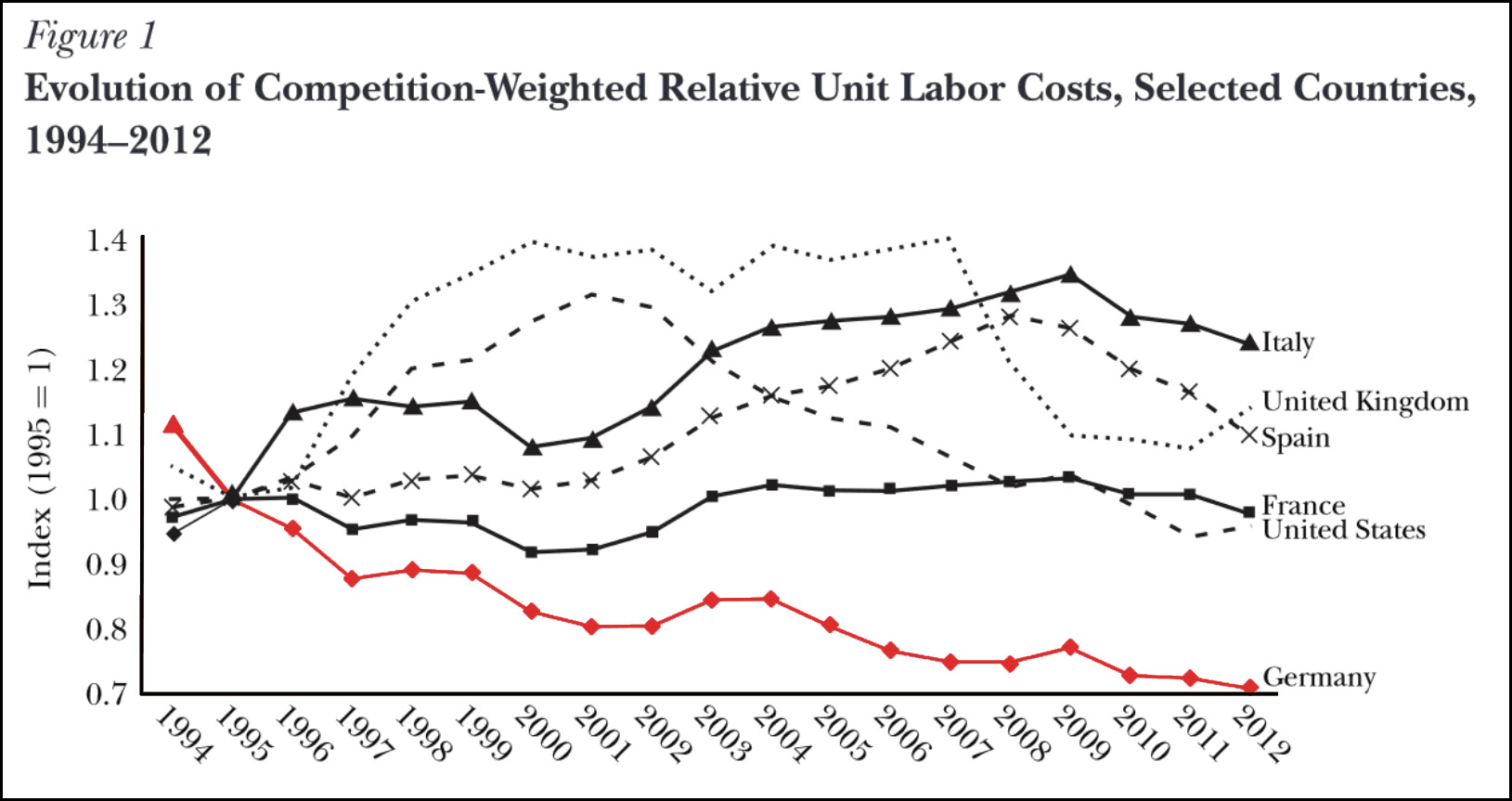
    Some people blame “globalization” for flat wages and American jobs shipped overseas. But globalization isn’t some mysterious force whose effects are inevitable and beyond our control. No — America chose to pursue a trade policy that prioritized the interests of capital over the interests of American workers. Germany, for example, chose a different path and participated in international trade while at the same time robustly — and successfully — supporting its domestic industries and its workers.

    This isn’t really true at all. Germany succeeded by exercising decades of “wage restraint,” an implicit deal in which German workers accepted lower wages as the price of merging with East Germany and competing on the global stage. A recent paper shows what that looks like:

    Obviously you can make a case that this was a worthwhile tradeoff. But make no mistake: it’s a tradeoff that hurt working-class wages so that business owners could sell more stuff to other countries—precisely the kind of thing Warren is criticizing. The authors of the paper explain how it happened: “The share of German workers covered by any kind of union agreement has sharply declined, and the number of firm-level deviations from industry-wide union agreements has sharply increased since the mid 1990s.”

    This may seem like a piddly criticism, but it’s not the only thing to dislike in Warren’s plan. For one thing, it never even mentions labor unions as a way of helping American workers. She correctly notes that flat wages didn’t “just happen”—they’re the result of deliberate policies that favored capital—but doesn’t take the next step and explain that the destruction of unions was one of those very deliberate policies.

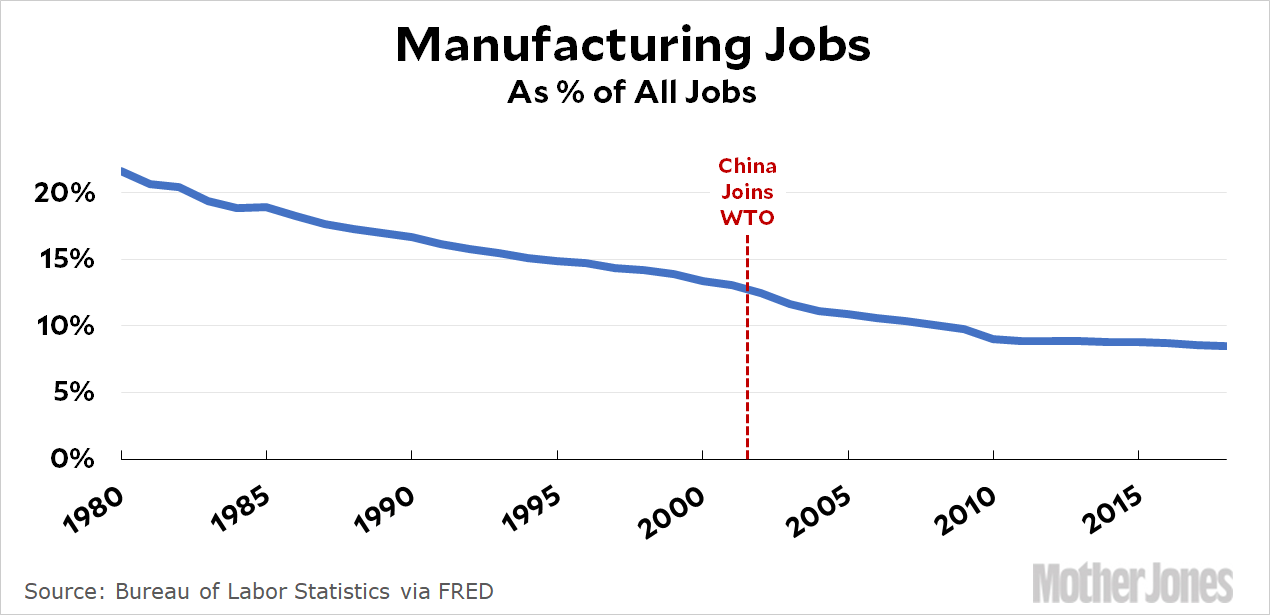
    Then there’s the whole idea of an industrial policy that favors manufacturing in the first place. Do we really want one? A hundred years ago, trade policy designed to focus less on exports of raw materials and focus more on exports of manufactured goods was the way to go from being a poor country to a rich country. Today it’s not. It’s the way to go from being a poor country to a middle-income country, which is why China has adopted it. The road to being a rich country runs through the knowledge industries. This is why the United States gave up on manufacturing long ago:

    China may have taken manufacturing jobs from us after they joined the WTO, but as you can see, the effect was pretty small. They merely added a bit of a tailwind to a gale that was already blowing. What’s more, the damage is over and done. Even if it was a mistake to cede the manufacturing stage to China, it’s a mistake two decades in the past that can’t be remedied now.

    So even if we want an industrial policy at all—a dubious proposition—we really don’t want an industrial policy focused on manufactured goods.

    This is an example of why I’m becoming more dubious of Elizabeth Warren. It’s one thing to hang your hat on having a plan for everything, but if you’re going to do that then your plans should be well thought out. Increasingly, I’m not sure they are.

  • Raw Data: The Homeless Rate in Big Cities

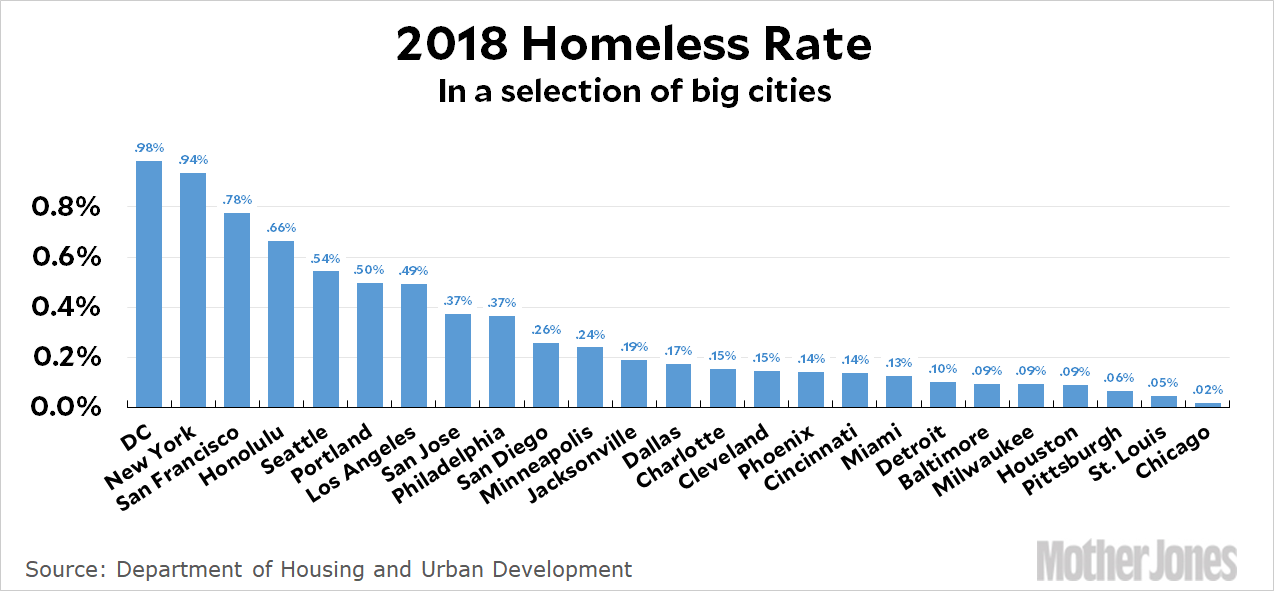
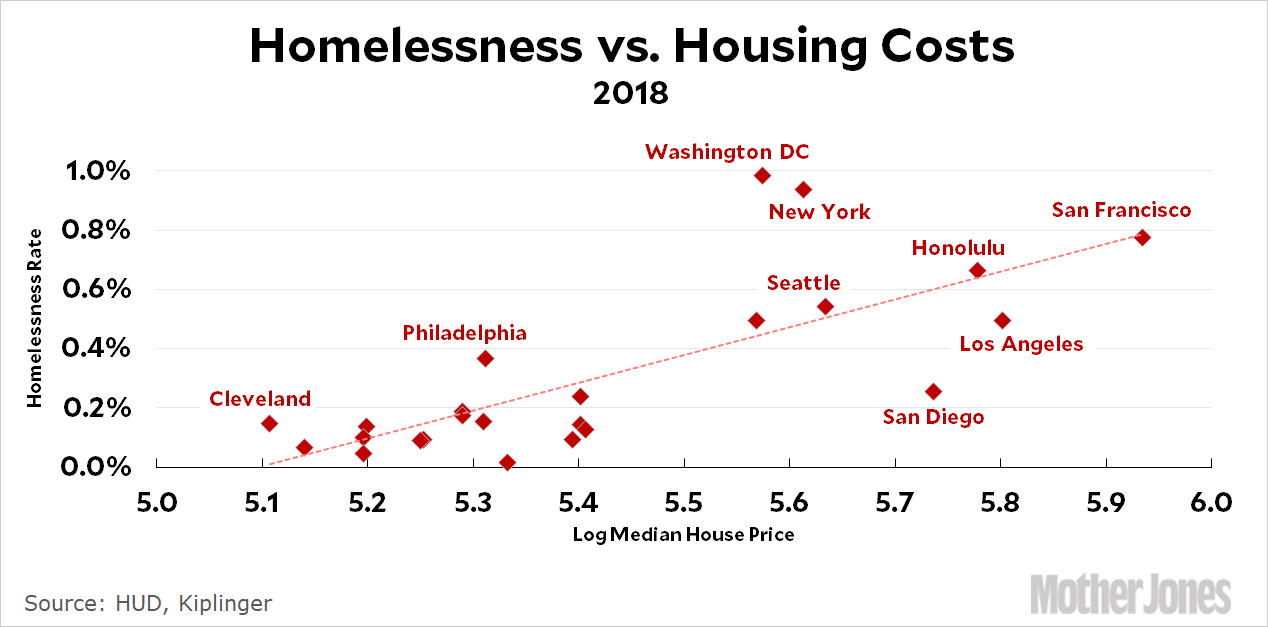
    The number of homeless rose to 59,000 in Los Angeles County this year. We don’t yet have estimates for all cities, but here’s how a selection of big cities did last year. Note that these are actually the homeless rates for the counties which contain each city (i.e., Phoenix is actually Maricopa County, Chicago is Cook County, etc.):

    What surprises me is the huge difference across cities. In New York and Washington DC, nearly 1 percent of the population is homeless. In Chicago the number is 0.02 percent. That’s a difference of almost 50x. What kinds of policies can possibly account for such a vast disparity? Or is it mostly a statistical artifact of how the counts are conducted in each city? Or the inevitable result of high homeless rates following high housing prices?

  • Driverless Vehicles Are Here . . . On the Farm, Anyway

    There’s a widespread belief that driverless technology won’t be useful until it’s able to safely guide a passenger car anywhere in the country with no one paying attention to the wheel. This isn’t true. The technology will almost certainly start with easy applications and then move into harder and harder ones. Maybe it will start with shuttle buses on fixed routes. Then delivery vehicles in restricted geographic areas. Then long-haul trucks on highways. Etc.

    One of the first places to look for driverless technology is on farms. They are, obviously, very restricted geographic areas, and safety concerns are minimal. Sure enough, automated farming vehicles are nearly here:

    Robots are taking over farms faster than anyone saw coming. The first fully autonomous farm equipment is becoming commercially available, which means machines will be able to completely take over a multitude of tasks. Tractors will drive with no farmer in the cab, and specialized equipment will be able to spray, plant, plow and weed cropland. And it’s all happening well before many analysts had predicted thanks to small startups in Canada and Australia.

    ….In Saskatchewan, the first commercially sold autonomous tractors made by Dot are hitting fields this spring. The Dot units won’t be completely on their own this year — farmers who bought equipment as part of a limited release are required to watch them at all times. But after this trial run, the producers may be able to let the equipment run on its own starting next year. That will open up a lot of time for the growers who will no longer need to sit behind the steering wheel.

    Interestingly, a farmer in Australia who uses a SwarmFarm weed killer, says that the robotic sprayer is so efficient that he uses 80 percent less pesticide than he used to. In other words, robots are not only cheaper than human labor, they’re better too. We’ll be seeing a lot more of that in the next few decades.

  • Here’s Why the Right-Wing Grifter Problem Is a Right-Wing Problem

    Over at National Review, Jim Geraghty bemoans “The Right’s Grifter Problem.” I am really and truly loath to criticize this in any way, because the right’s grifter problem is a disgrace and it takes guts for Geraghty to take on his own side over this, naming names as he goes. But . . .

    Yeah, I can’t help myself. I suppose I wouldn’t be much of a blogger if I didn’t live with a vicious demon that forces me to broadcast every idea that pops into my head. I’ll start with Jon Chait’s critique:

    An unstated irony behind Geraghty’s complaint is that there is an agency tasked with overseeing the kind of misconduct he denounces: the IRS. When the first wave of tea-party scam PACs appeared, the IRS did look into them. Republicans insisted the agency was “targeting” the right for political reasons, probably at the behest of the Obama administration. While they spent years investigating the agency and making wild charges, a series of investigations by the agency’s inspector general, the Senate Finance Committee, and the Department of Justice refuted all their claims. The Obama administration had no involvement in the IRS’s enforcement priorities, and the agency was not even targeting the right at all — its criteria for regulating donors included keywords to search for activists on the left as well as the right.

    Yeah. Stephanie Mencimer wrote about that for us here. I wrote about it here when the final IG report was released years after the fact. More generally, Rick Perlstein has written frequently about the right-wing grifter problem, most notably here.

    Now, none of this is Geraghty’s fault. I don’t know how he feels about the IRS investigating political groups that might be scammers. But I can say that there were damn few Republicans in 2013 who pointed out that the IRS was supposed to audit political PACs for scammy behavior. They just wanted the money to keep rolling in.

    But none of this addresses what should be the core question: why is right-wing grifting such a big problem? After all, it’s not a big problem on the left. What’s the difference?

    Part of the problem, sadly, is that the right trends older than the left, and the elderly have always been prime targets for scammers for reasons having nothing to do with politics. But I think there’s something more fundamental at work: namely that the modern right is a scam at its core. I don’t mean this in the sense that the Republican Party doesn’t always deliver what it promises. No political party does that. What I mean is that since at least the late 70s, the cold, hard nugget at the heart of the conservative movement’s electoral strategy is an attempt to win working-class votes for a party that’s dedicated to the interests of corporations and the wealthy.

    Let me be clear: I don’t mean that conservatives expend a lot of energy appealing to conservative social values. There’s nothing dishonest about that. Plenty of people are willing to vote their social consciences over their pocketbook interests, and every big political party has to find a way to win votes from people who agree with them only partly. It would be political malpractice not to appeal to different audiences with whatever arguments are most likely to win them over.

    No, the problem is that this isn’t enough. Emphasizing social issues to the working class and economic issues to the rich just won’t get the job done. Conservatives know that they also have to directly appeal to working-class pocketbook issues, and that’s a circle that can never be squared honestly. It just can’t. The modern conservative movement is fundamentally dedicated to the economic interests of the upper classes.

    This means that the success of the entire movement is intimately tied to a huge, relentlessly repeated lie. Tax cuts boost the economy and are good for the working class. Light regulation of Wall Street frees up money and is good for the working class. Right-to-work laws provide job opportunities for the working class. Social Security is a scam that won’t be around by the time the working class retires. “Dangerous” chemicals are just a left-wing myth designed to strangle the economy and hurt the working class. Allowing more oil drilling and more coal mining provides lots of jobs for the working class. Etc. Every policy designed to benefit the rich has to be deliberately twisted into a fraud for public consumption.

    This is inexorably corrosive. It’s impossible to base an entire movement on a working-class scam and not create the conditions for other working-class scammers to ply their trade. As long as this is the case, scammers are simply the price modern conservatives have to pay for the way they conduct politics.

  • Good News, Kids! American Adults Are Idiots Too.

    Every year someone does a survey of high school students and produces an alarming headline. Eighty percent of kids can’t find France on a map! Two-thirds of seniors don’t know what the First Amendment says!

    My immediate reaction is: yeah, but I bet adults are idiots too. It’s just that no one studies them.

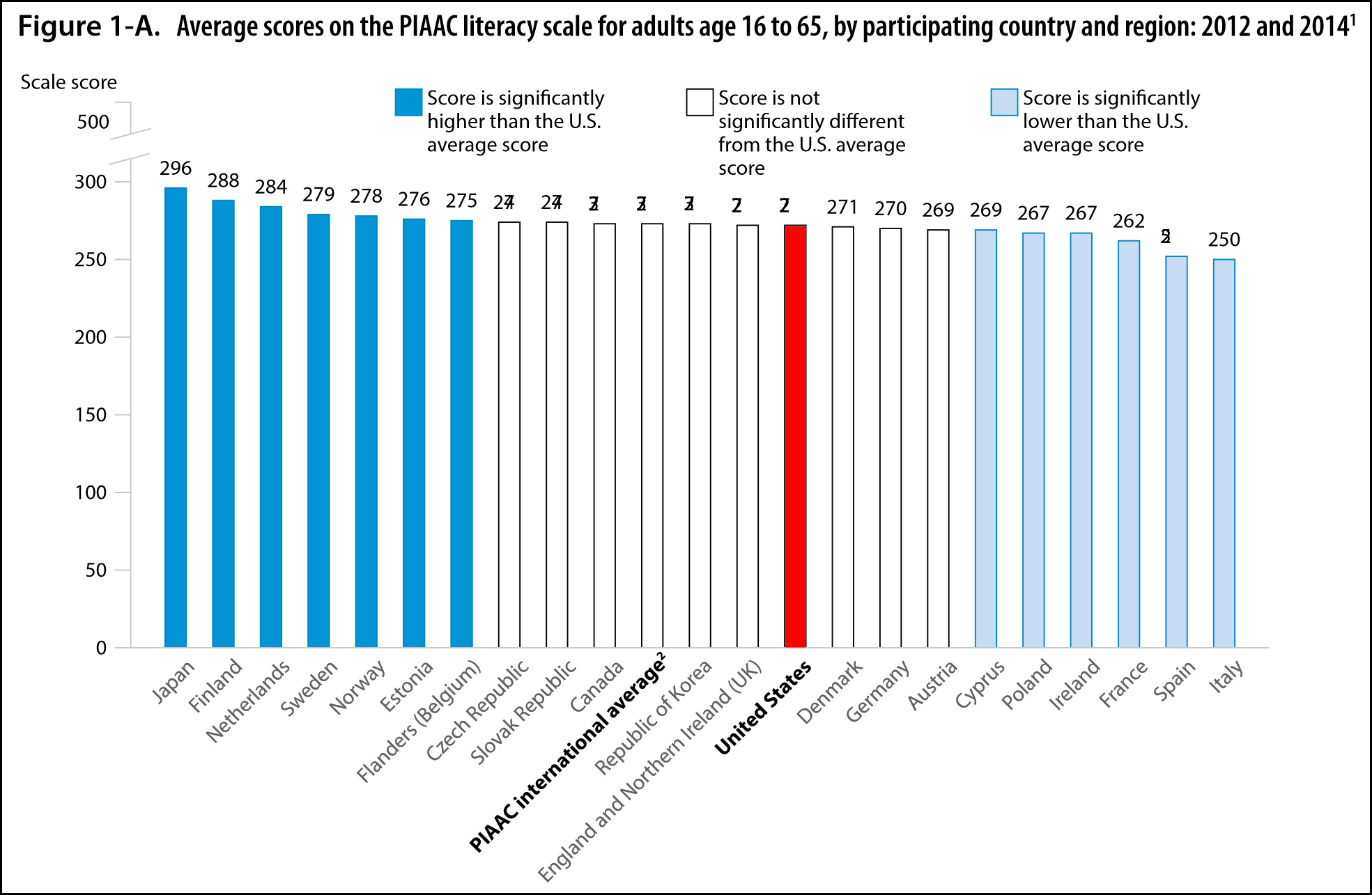
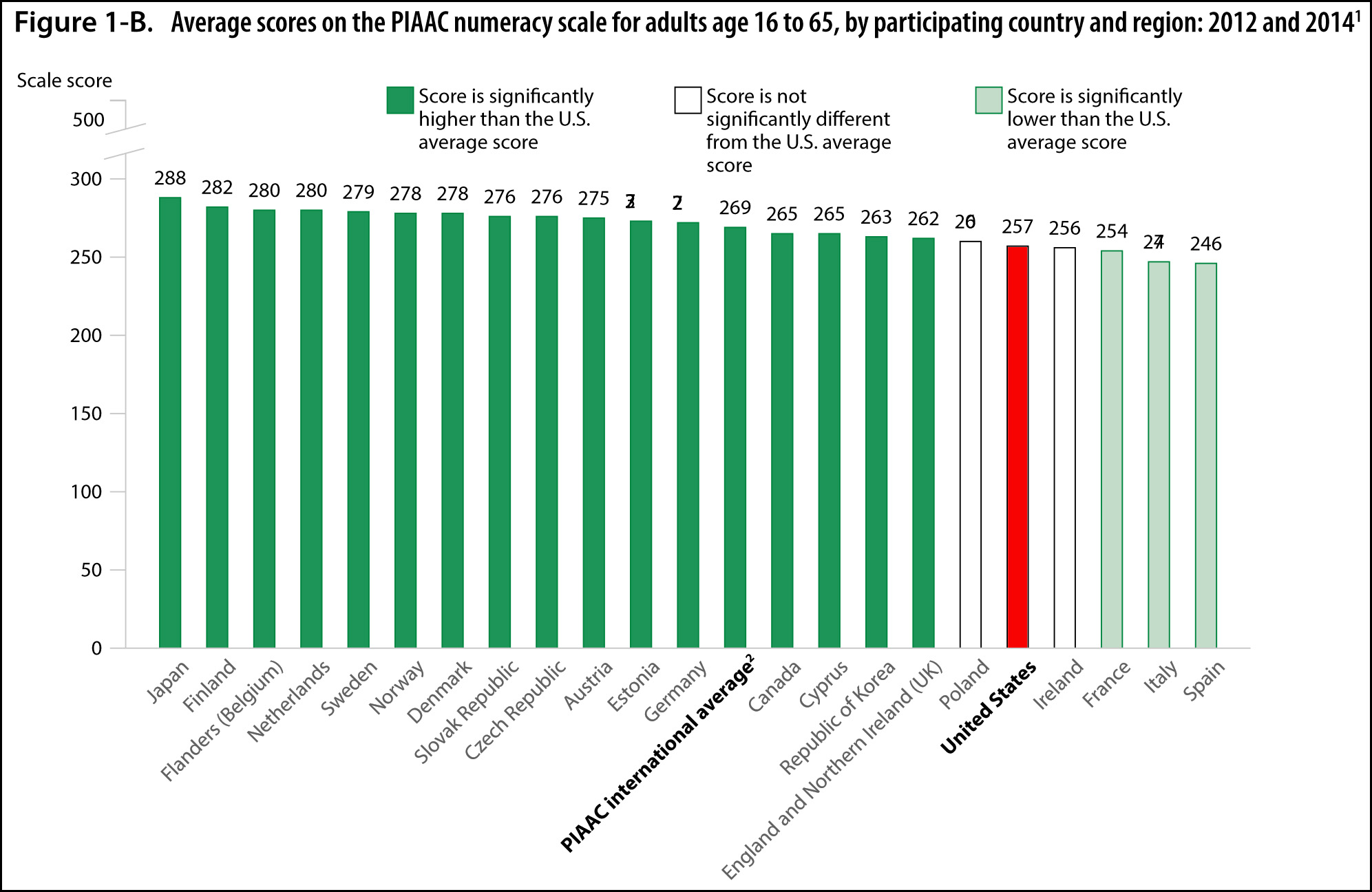
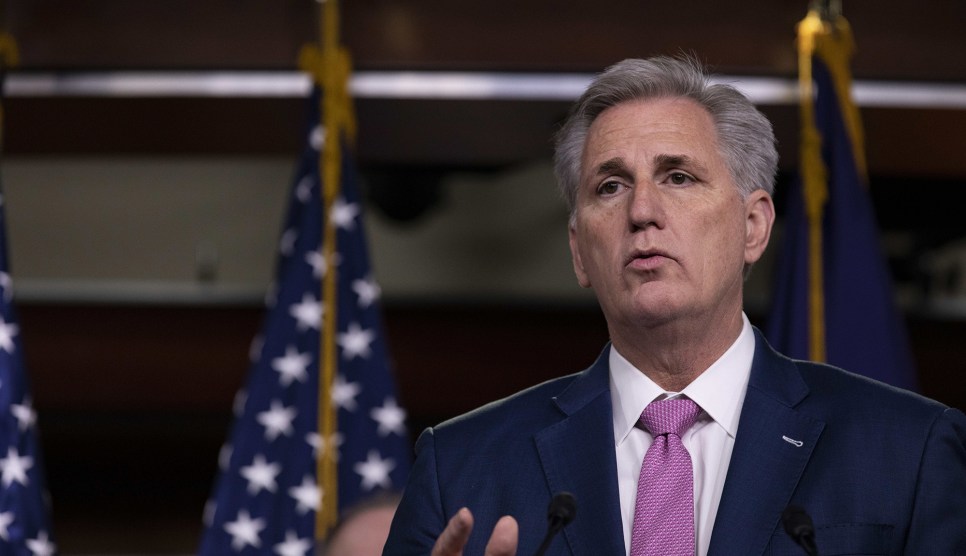
    But they do! I just learned serendipitously that the OECD periodically conducts an international test of adult literacy and numeracy. It’s called PIAAC, and this is the first I’ve heard of it. I have a feeling I’m going to have some fun with this once I figure out how their data tool works, but for now I’m going to toss out the basic data for you to mull over. Here it is:

    I’m only going to comment on one thing right now: the US scores dead last on “problem solving in technology-rich environments,” and yet the US is easily the world leader in creating technology-rich environments. Something doesn’t add up.

  • Short Video Explains the Vital Choices Facing America

    For reasons too stupid to fess up to, I’m only now getting to the computer. So while I check out the news to see what the world has to offer me today, here’s a video from the Reason folks that’s actually kind of funny. As long as you have a sense of humor about your own side, that is. Enjoy.