Paul Manafort’s second sentencing hearing is taking place right now. It doesn’t seem to be going well:
Jackson says it would be “hard to overstate” the number of lies and the extent of the fraud, “and there is no good expalantion that would warrant the leniency requested”
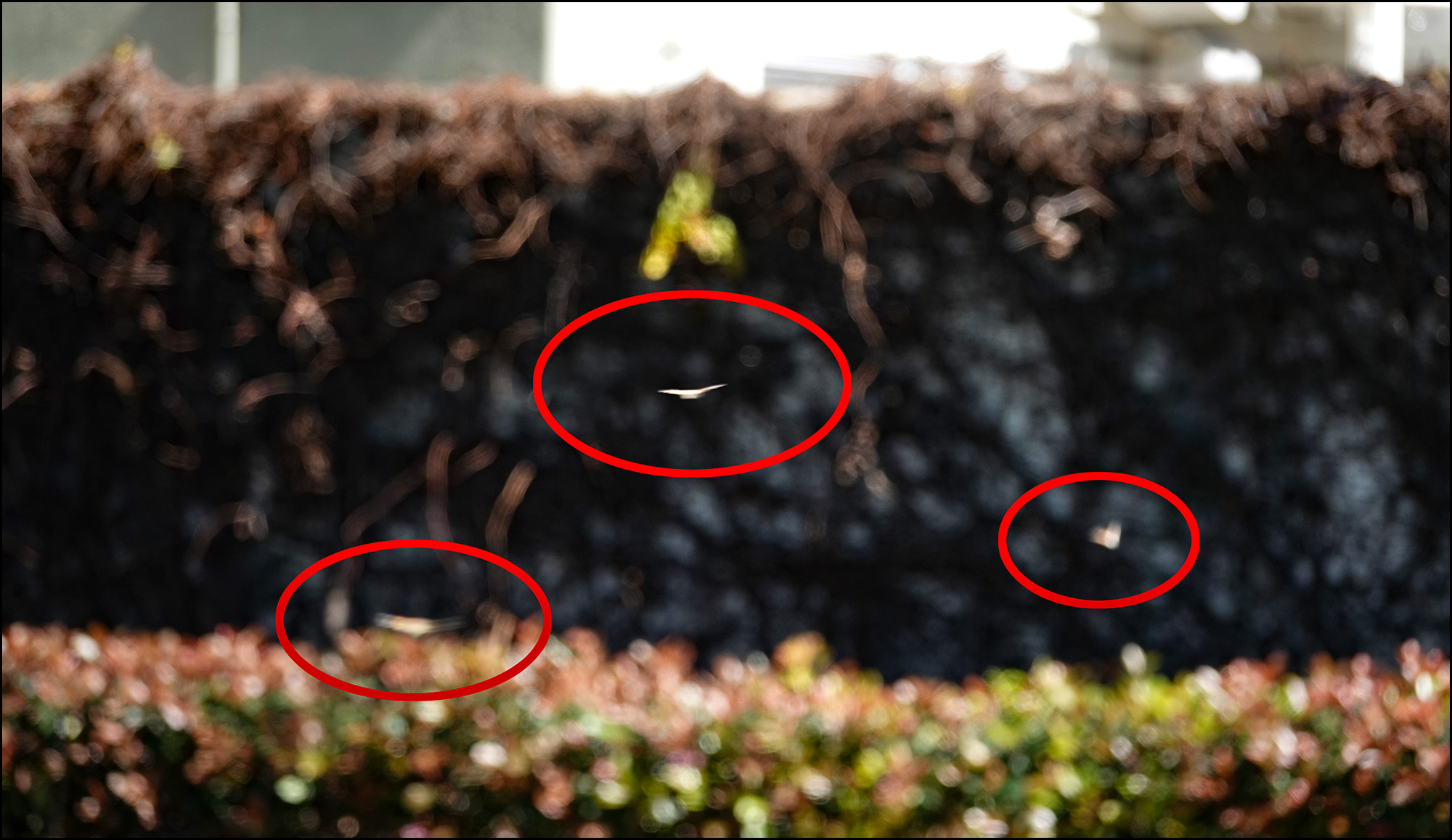
Our backyard was ground zero for a huge butterfly migration today. Here is stunning wide-screen, Dolby-enhanced, Technicolor proof:
OK, fine, it doesn’t look all that impressive. But there were lots of them! And they were definitely on a mission, with no dilly-dallying. My back-of-the-envelope guess is that the entire flock must have included a million butterflies or more.
I’m not sure what kind they were, but they were kind of smallish and had black and orange markings. What kind of butterfly migrates north through Orange County near the Ides of March?
Those black-and-orange insects that seem to be everywhere you look in Southern California aren’t monarchs and they aren’t moths. They are called Painted Ladies, and these butterflies are migrating by the millions across the state.
The migration itself is nothing new. Painted Ladies set off from their wintering grounds in the Mojave and Colorado deserts of southeastern California as winter gives way to spring. They travel roughly the same path every year, flying northwest to Sacramento en route to Oregon, Washington and beyond. (They’ve been spotted as far north as Alaska.)
What’s unusual this year is the number of two- to three-inch butterflies making the journey. Scientists say there haven’t been this many Painted Ladies traversing the state since 2005, when the population climbed to about 1 billion.
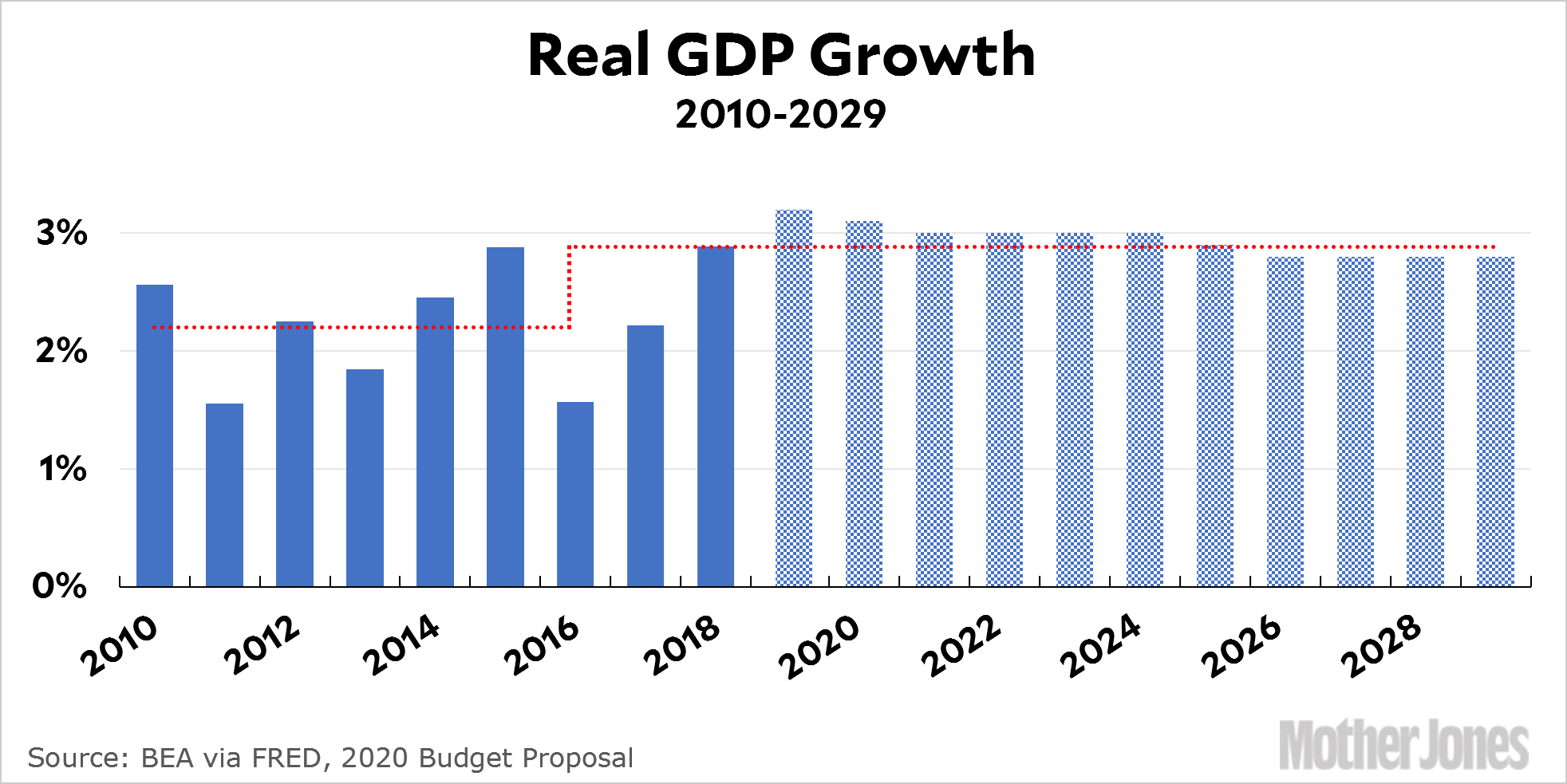
I didn’t waste any time yesterday looking at the economic assumptions in the president’s budget, but it turns out they’re pretty spectacular:
For no particular reason, Trump has instructed that growth over the next ten years will be 3 percent—so that’s what his economic advisers gave him. It’s not uncommon for budget documents to fudge a little bit, perhaps assuming an optimistic 2.3 percent growth instead of the consensus 2.1 or 2.2, for example. But Trump’s budget is just straight science fiction. There’s no longer even a pretense of using consensus figures.
Just for comparison, the CBO projects an average growth rate a full percentage point lower than the Trump White House. The IMF is a shade lower over the next five years. The World Bank agrees.
From the division lobbies it feels like May’s deal is going down massively again. Only 3 or so Labour rebels voting with the Tories. #BrexitShambles#FinalSay#PeoplesVote
Apparently the revised Brexit vote is losing by big numbers. Nobody knows what will happen now.
UPDATE: Yep, Brexit lost by 391-242. So now, presumably, Parliament will vote to delay the March 29 date to leave the EU. It’s not clear what good that will do, but hardly anyone is willing to simply crash out of the EU with no deal.
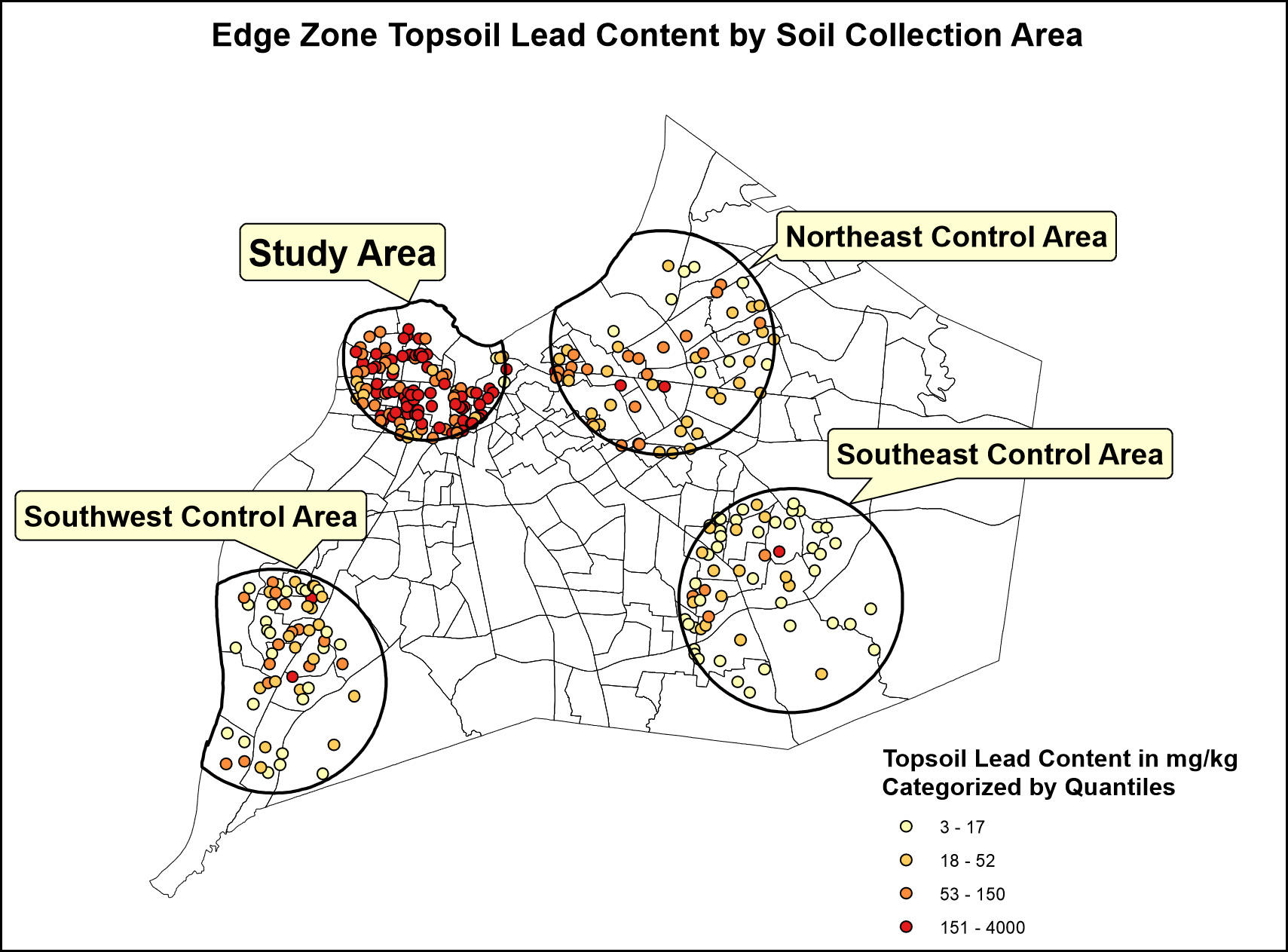
Brian Guinn of the University of Louisville decided to do his doctoral dissertation on the lead-crime hypothesis. Since lead was fully removed from gasoline more than two decades ago, the main source of lead poisoning today comes from residual lead dust trapped in topsoil. So first he mapped topsoil lead levels in Louisville:
Then he measured violent crime in each area and found a strong relationship with lead levels. As you’d expect, the relationship weakened once he controlled for income, education, race, etc., but the relationship was still there:
After controlling for pertinent census-tract-level variables (median household income, percent female head of household, percent of households living in poverty, percent of households with dependents under 18-years of age, percent of households receiving food stamps, percent of the population that is black, percent of the population with a bachelor’s degree, and percent of the male population 15-24 years of age), every 100-unit increase in meantopsoil lead content was associated with a 1.05 (95% CI: 1.03, 1.08) increased risk for violent crime events.
This is a smallish study with modest results, but it’s yet another brick in the lead-crime hypothesis. It’s not quite as sexy as lead in elementary school drinking water, but topsoil contamination is probably the biggest source of infant lead poisoning in the country. We really need to clean up our topsoil, and the sooner the better.
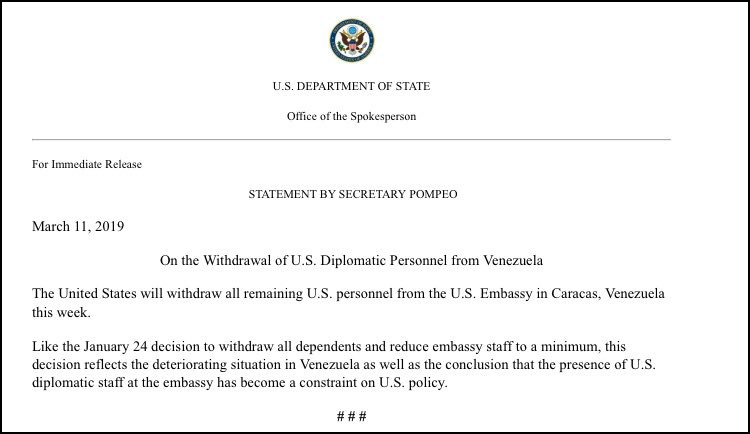
We are pulling all of our diplomats out of Venezuela:
Hmmm. The presence of diplomats “has become a constraint on U.S. policy.” This seems like a clear indication that Trump plans to escalate things and doesn’t want to be held back by the possibility of diplomats being killed or taken hostage. Stay tuned.
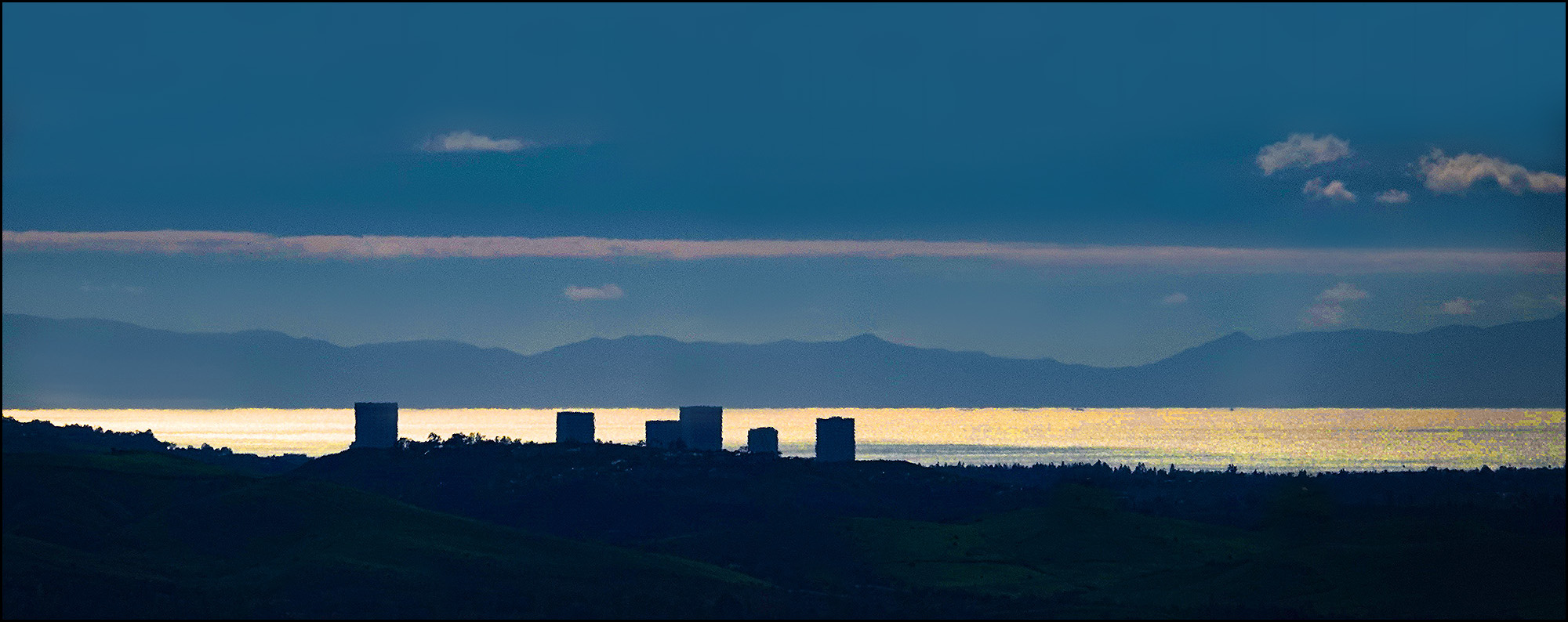
This is the Newport Beach coast a little before dusk. In the background, 26 miles across the sea, is Catalina Island. The buildings are part of Fashion Island, a mixed shopping/commercial development.
I don’t know that this is a great picture, but I’m putting it up to force myself to stretch a bit. As I’m sure you’ve all figured out, I have a strong preference for sharp, color-saturated images. There’s nothing wrong with that, but I should be more open to the variety of possibilities inherent in movement, focus, and different color palettes. I don’t think pictures like this will become a regular thing—my taste is still my taste—but they might become slightly more frequent.
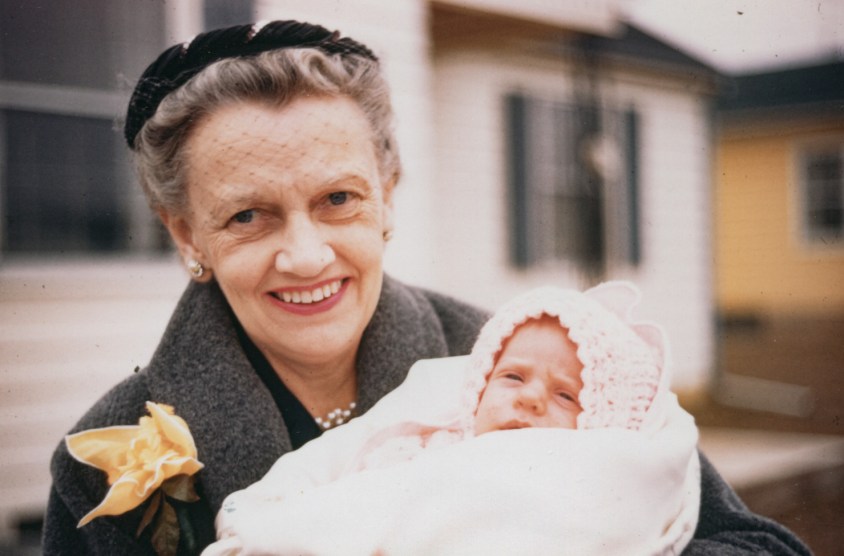
We examine the impact of having a younger brother on females’ adolescent environment and adult earnings….Girls with a younger brother earn about 7 percent less in their adulthood.
I don’t know what to say about this. I’m sorry, Karen. You’d be making 7 percent more if it weren’t for me. That’s thousands of dollars I’ve cost you! Each and every year!
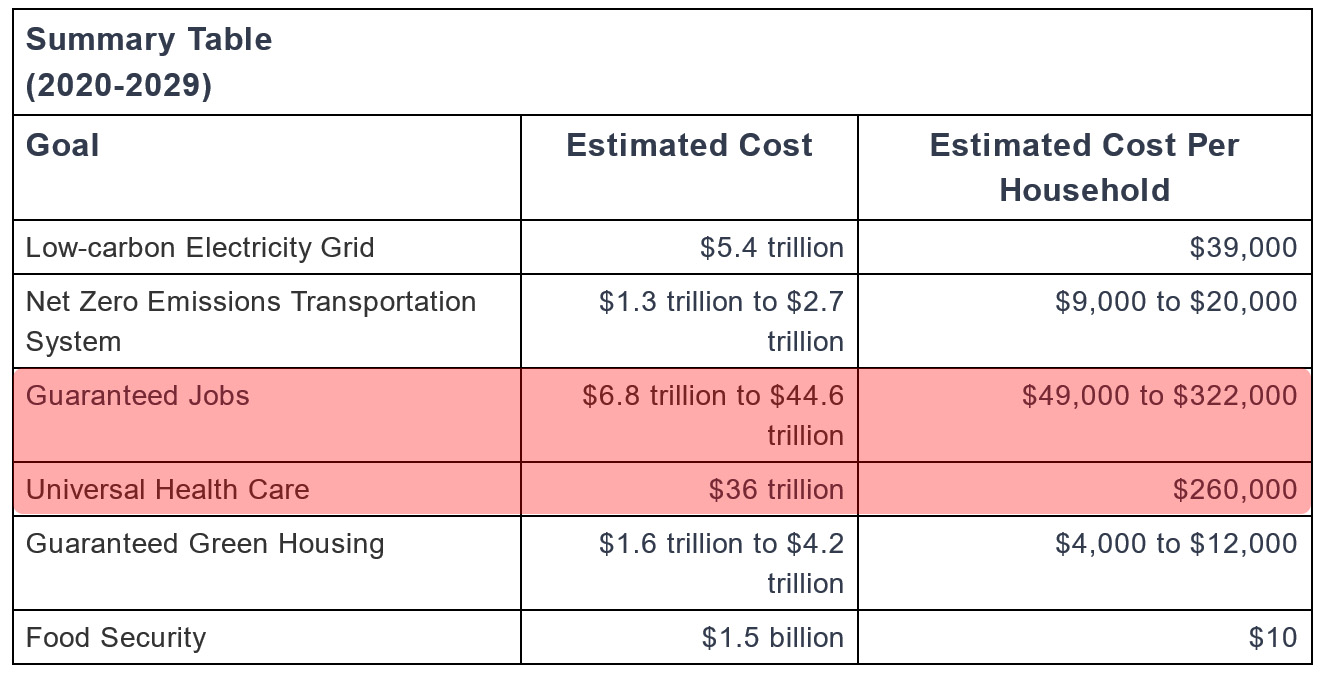
Various conservatives have latched onto a recent report from the American Action Forum to claim that the Green New Deal will cost $93 trillion. How did they get that number? Easy. The AAF report estimates GND costs of $53-94 trillion over ten years, so conservative activists just took the high number. And then cut it by $1 trillion for some reason. And then forgot to mention that this is a ten-year cost.
As it happens, nearly all of the $93 trillion cost comes from two things: universal health care and a jobs guarantee. The other items, which are the ones that actually fight climate change, clock in at $10-14 trillion, or about $1 trillion per year. Is that a fair estimate? Nobody knows.
More generally, though, is it even fair to attempt an estimate in the first place? After all, the GND famously lacks any details on which to judge this stuff. Because of this, climate hawks are crying foul.
But this is naive. If this were a conservative proposal about, say, defense spending, plenty of liberal think tanks would take a best-guess at the cost even if the proposal was vague. This is just how things work, and not only because it’s politically expedient. It’s also the case that people are curious. Even if it’s just a ballpark estimate, plenty of people can’t help themselves from giving it a go.
And after all, what did the GND folks expect? They’re the ones who stuffed their document with everything but the kitchen sink. Did they seriously think that everyone would hold back on cost estimates out of a sense of fair play or something? If they did, they’re morons. Of course opponents are going to try to put a number on it. And if you’re not willing to fight back with your own number, then you’ve left the field wide open to the opposition.
This puts the GND folks in a pickle. They can’t fight back with their own number, because they know that any semi-reasonable number is going to be really high. Maybe not $93 trillion over ten years, but still pretty high. These are just fundamentally expensive programs they’ve proposed.
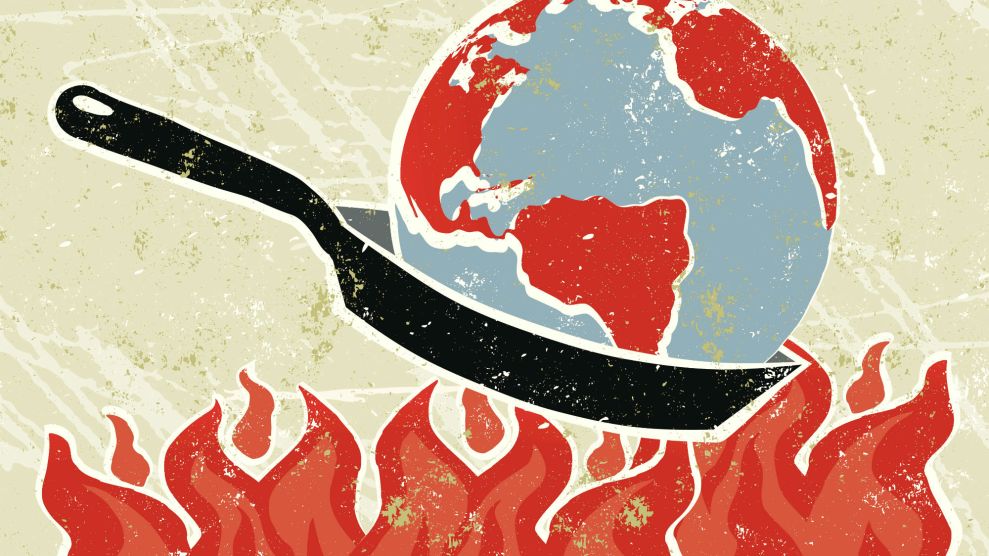
This is the downside of proposing a big, comprehensive program. Yes, a big program is what the world needs. We are, after all, trying to stave off planetary suicide. But if you insist on a big, comprehensive program, then it’s going to have big, comprehensive costs. Can you whip up public support even when opponents throw these costs in your face? If you can’t, then your program is a dead letter. So you better figure out how to deal with this.
Billionaires own the media,
but they don’t own us.
At Mother Jones we know these aren’t conventional times, and they require unconventional coverage. That’s what deliver every day: fierce, independent journalism you can’t find elsewhere. Perhaps never in the history of our country has that been more necessary than now. But we can’t do it without reader support—your support. Please chip in today.
Billionaires own the media,
but they don’t own us.
At Mother Jones we know these aren’t conventional times, and they require unconventional coverage. That’s what deliver every day: fierce, independent journalism you can’t find elsewhere. Perhaps never in the history of our country has that been more necessary than now. But we can’t do it without reader support—your support. Please chip in today.