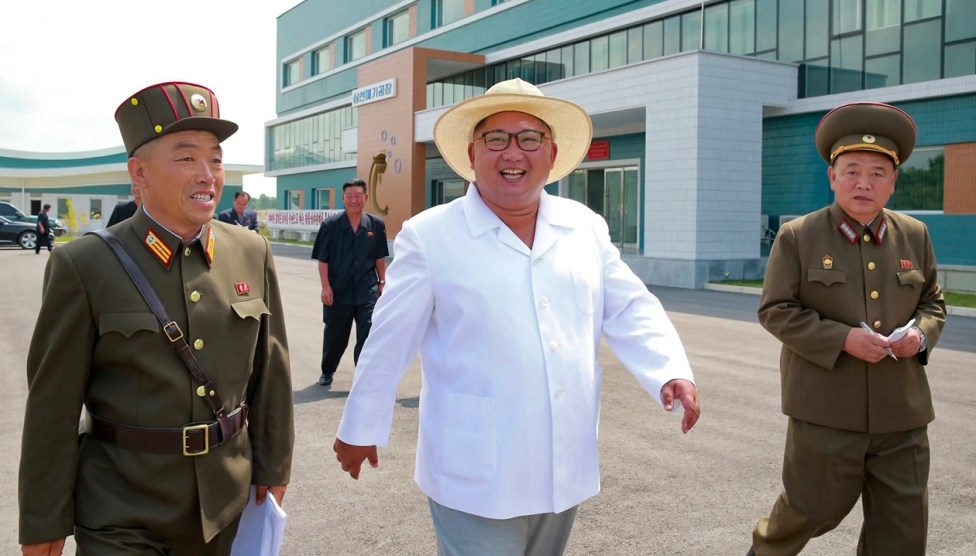
North Korean leader Kim Jong-un inspects a catfish farm in Samchon, South Hwanghae Province. As you can see, he is delighted with the results of his brilliant leadership in the field of domestic fish husbandry.Yonhap News/Newscom via ZUMA
Destroy all your centrifuges, test reactors, testing pads, etc.
Allow UN and American inspectors free rein to inspect every square inch of your country.
We will then agree to begin negotiations about what North Korea gets in return.
Apparently North Korea has rejected this generous offer. I cannot imagine why. It’s probably because of Chinese interference, which means we must now place a 100 percent tariff on all iPhones. If that doesn’t work, we shall place tariffs on cordless drills, Christmas lights, and vacuum cleaners.
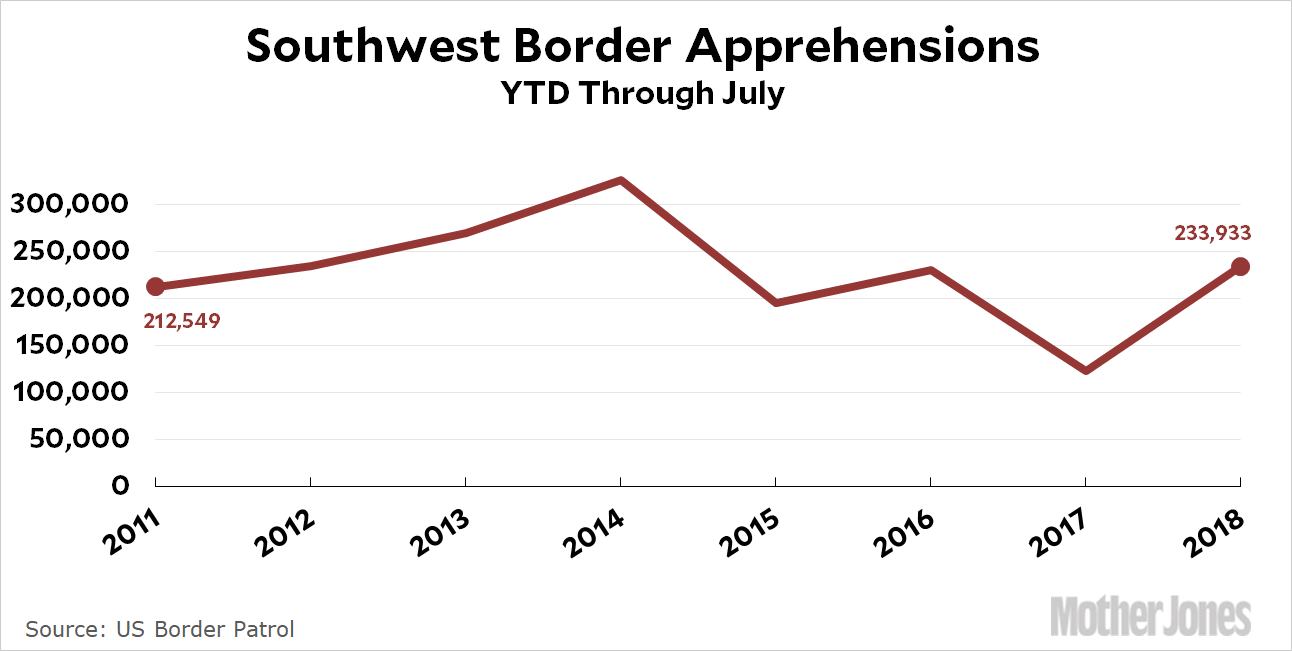
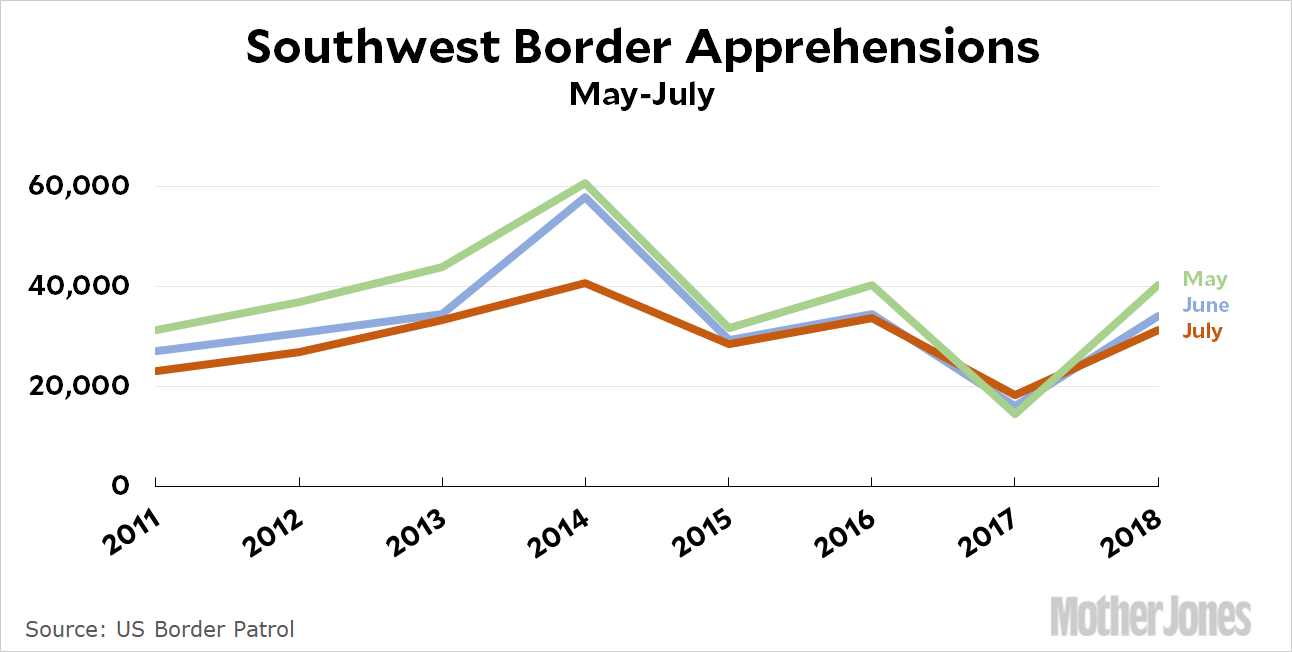
Poor Donald. Lots of yelling and screaming, lots of ICE abuse, and even a politically disastrous effort to rip families apart at the border. But has it done him any good? According to the latest numbers from CBP, no. Summer border crossing activity is down a bit as usual, but it’s still higher than it was during the Obama era. Apparently roaring and blustering and promoting inhumane policies haven’t gotten him anywhere. Maybe it’s time for a different strategy?
Jonah Goldberg weighs in today on the widespread banning of Alex Jones’ InfoWars, but then turns it into a comment on net neutrality that I think is precisely backwards:
As a broad generalization, the people who loved net neutrality, precisely because they want the Internet to be like a public utility, cheered Big Internet for banning Jones from its platforms. Meanwhile, many of the people who hated net neutrality were outraged by the idea that private companies could “censor” voices they didn’t like. A real public utility can’t deny services to customers just because it doesn’t like what they say or think.
One of the reasons I didn’t like net neutrality is that when you treat private enterprises like corporatist partners of the state, they become corporatist partners of the state. I don’t want the government to be invested in any private business for a host of reasons, not least among them: because the state will never stop attaching more strings to their symbiotic relationship. Another reason: Such public-private partnerships are problematic in any economic realm, but they are particularly pernicious when issues of political speech are involved. Also: They are inherently monopolistic insofar as the state becomes invested in the entities it controls and seeks to protect them from the creative destruction of the market. I want to live in a country where Google and Facebook can be rendered obsolete by something better, without the state rushing to their rescue.
In the corporate realm, the dispute over net neutrality has always had two sides: the folks who operate the pipes (i.e., cable companies, broadband suppliers, etc.) and the folks who provide content over those pipes (Facebook, Netflix, Google, etc.). The whole point of net neutrality is to regulate the pipes as semi-public utilities so that they can’t discriminate between various kinds of content, but to allow the content providers free rein. As an analogy, think of it this way: net neutrality fans would be opposed to a railroad deciding that it would or wouldn’t ship particular magazines or newspapers—it should be required to ship any content as long as the publisher can pay the bill—but we would be equally opposed to anyone telling a magazine or a newspaper that they must or must not carry any particular political columnist.
Regardless of what you think of net neutrality, its whole intent is to prevent internet providers from acting as corporatist partners of the state. It does this by treating them as semi-state-like and then applying a weak version of the First Amendment to them. If Donald Trump tweets that he’s unhappy about a National Review podcast, net neutrality would forbid Comcast or AT&T from slowing it down or blocking it.
Circling back, then, is it OK that Facebook “censored” InfoWars? I don’t see why not. This obviously isn’t a First Amendment issue, and we should rigorously avoid making it into one. There are good reasons why we place unusually onerous restrictions on the government’s ability to meddle with free speech, and those restrictions shouldn’t apply to anyone else without very good reason. Certainly not Facebook. In this case, Facebook (and Apple and Spotify) are nothing more than publishers who all decided to fire a particular syndicated columnist at the same time because of public condemnation over something outrageous the columnist wrote. That’s life. It happens all the time.
So what keeps Facebook in line, if not government rules? The usual stuff: advertisers, customer pressure, competitors, activists, corporate reputation, and so forth, In other words, all the real-world influences that keep us all in line. There are exceptions here and there, but I’m basically OK with leaving things this way.
POSTSCRIPT: As for Alex Jones in particular, who cares? If he wants to blow his horn on a soapbox in a public park—or at infowars.com, which is still going strong—no one will stop him. But if no one else on the planet feels like giving him a soapbox to extract money from gullible conspiracy theorists, that’s fine with me. I have a hard time understanding why anyone would feel any heartburn over this—or why anyone would waste time providing him with the publicity he so obviously craves by writing about his woes.
Damn. Usually I take my weekly dose of dex on Thursday, but this week I took it on Friday. I was up all night, as usual, and tired all day Saturday, as usual. But then: on Sunday afternoon I crashed for three hours. On Monday I crashed for eight hours, with a one-hour break. Today I crashed for two hours in the morning and then for about two hours in the afternoon.
This is getting nuts. I’m using the word “crash” to distinguish these sleeping jags from a mere conscious decision to take a little nap. It’s basically an involuntary coma. Is this what it’s like to be a cat?
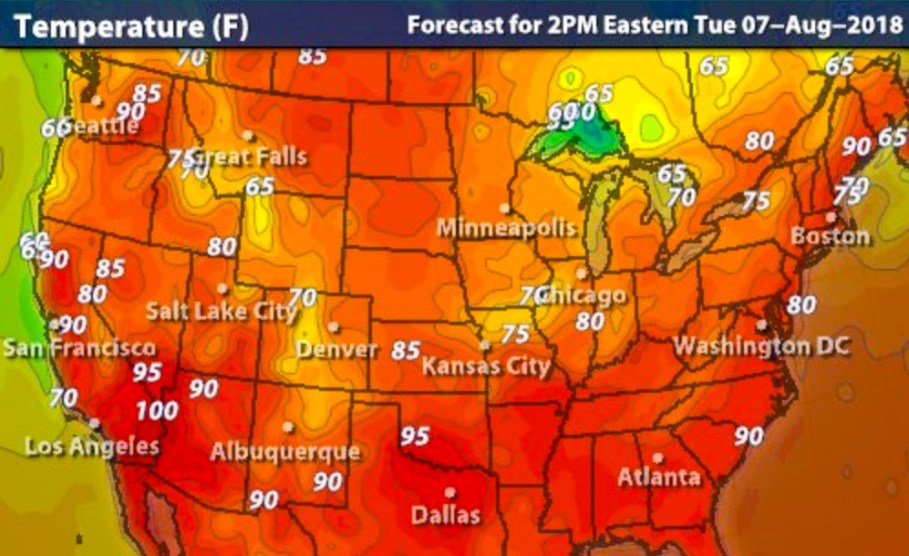
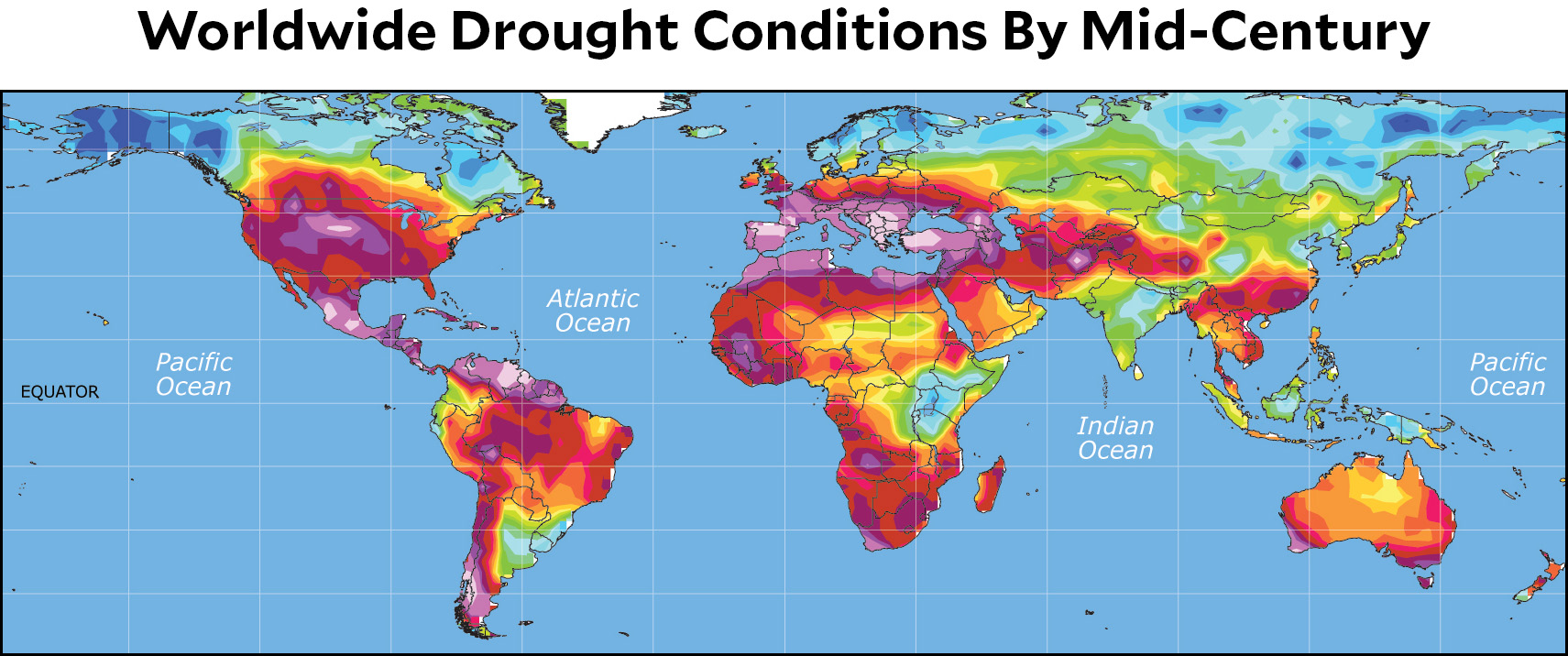
Can we just stop this? There is no “sense” to be made of Trump’s tweet. It’s random argle bargle that floats out of his brain. Here’s where the argle bargle comes from:
Water from many of California’s biggest rivers flows into the San Joaquin River Delta.
From there it empties into the Pacific Ocean, but over the years more and more of this water has been diverted via levees, dikes, embankments, and canals. This diverted water goes to local farmland, and eventually flows south into Southern California.
There is an argument about just how much of the Delta’s water should be diverted from its natural course and how much should be allowed to flow naturally out to sea. The argument is complicated, but in a nutshell: farmers want more water diverted while environmentalists want to save the Delta.
This is as much as Trump knows. It’s probably much more than Trump knows. He know there’s some kind of dispute about the water; he knows that farmers are on the side of water not going out to the ocean; he knows that farmers are good and environmentalists are bad; therefore, keeping more of the water in irrigation channels would somehow provide more water for fighting fires.
It isn’t really worth “explaining” this or “fact checking” it or “making sense” of it. There’s no “it” to make sense of. It’s a five-year-old making mud pies and being praised for it by Fox News and a bunch of Twitter trolls. This makes it news, and thus some explanation must be ginned up.
But there isn’t one. It’s the meaningless blathering of a moron. Stop trying to explain it.
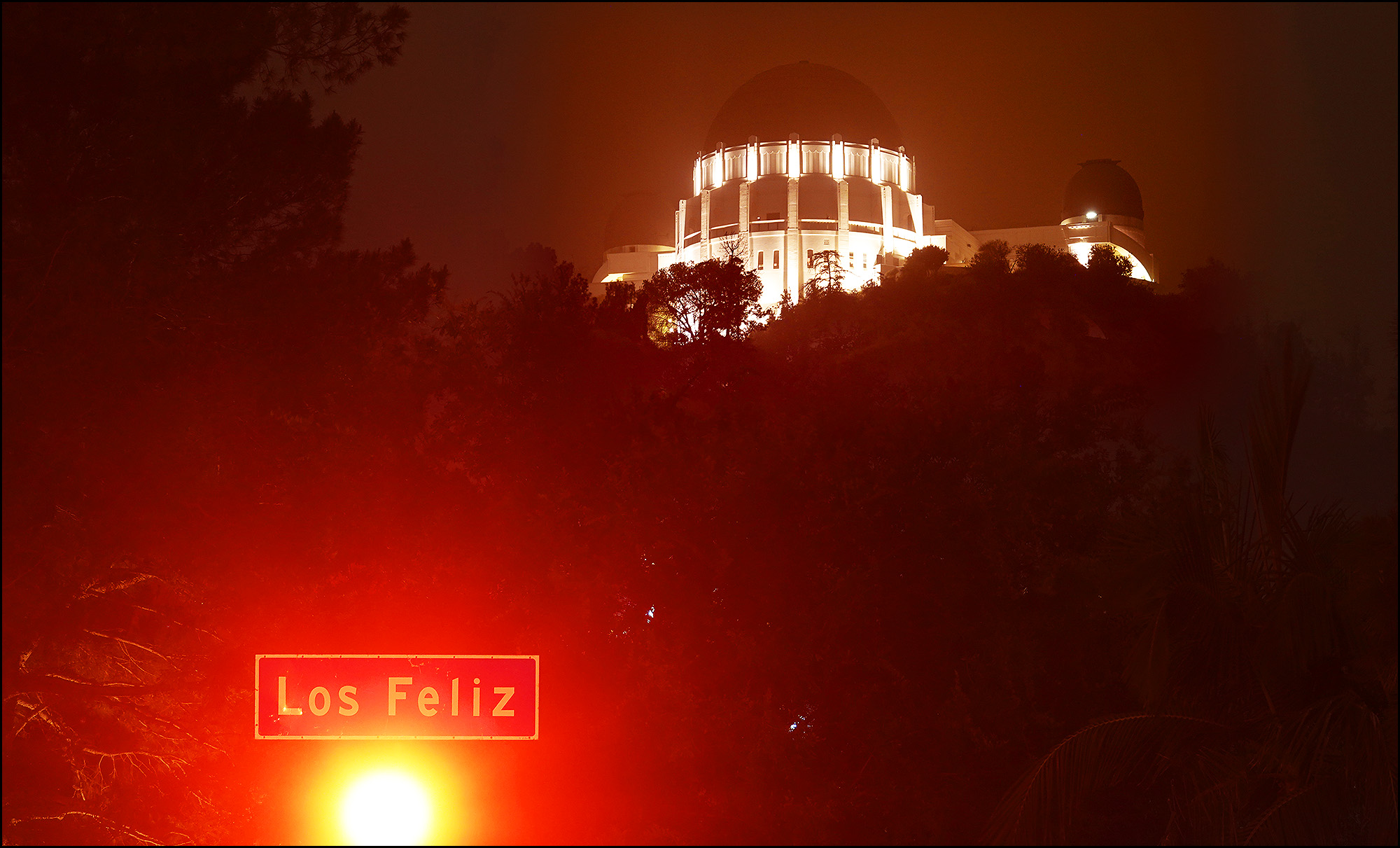
This is a picture of Griffith Observatory in Los Angeles, part of my “Overexposed LA” series. When Griffith Park is closed, it’s tough to get a picture of the obervatory. If you get too close, all the houses and retaining walls in Los Feliz block the view. If you get too far away, it’s too small. But there’s always one reliable viewing point: North Edgemont St. where it crosses Los Feliz Blvd. My grandmother lived on Edgemont, and we could always see the observatory as we were coming and going to her house when we were kids. So that’s where I went when I wanted a picture. This is, needless to say, taken with a long lens and a very careful alignment of the sightlines.
Bill Clark/Congressional Quarterly/Newscom via ZUMA
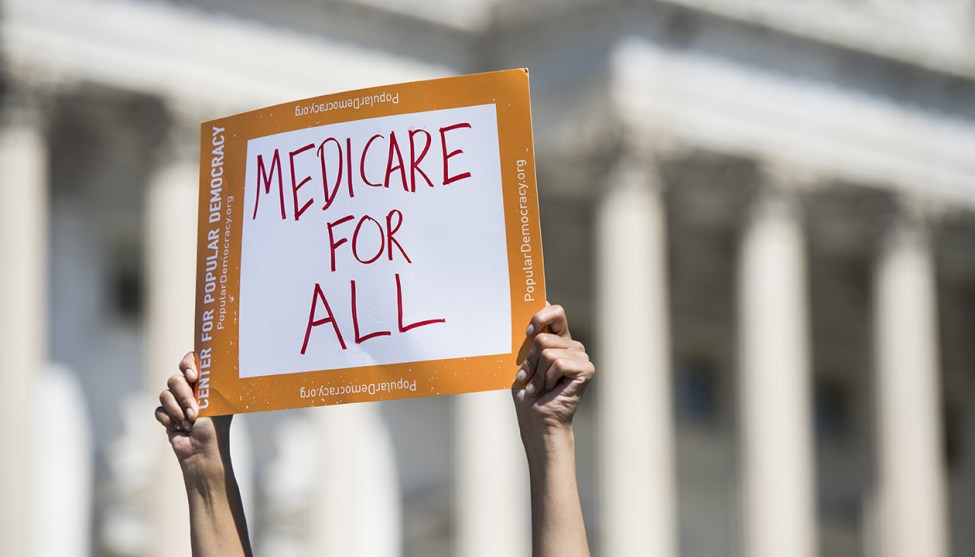
Glenn Kessler demonstrates the limitations of fact checking today. The question is: Does Bernie Sanders’ Medicare For All plan save money or cost money? Answer: it does both. According to a new Mercatus study, it would reduce the total cost of health care by about $2 trillion over the next decade. But since the federal government would be paying for it all, it would raise federal health care spending by $32 trillion over ten years. Given this, Kessler chides liberals for “cherry picking” the $2 trillion savings number when they tout this report.
This is ridiculous. Any national health care plan will raise federal spending considerably. It will also raise taxes considerably to pay for it, so the net cost to the federal budget is roughly zero. In return, patients and corporations no longer have to pay premiums or copays or out-of-pocket costs to insurance companies, so the net cost to individuals is, again, roughly zero. All of this is fundamental to any national health care plan. We can argue on the margins about whether the net costs are truly zero or just close to zero, but that’s about it.
So where’s the cherry picking? The Sanders plan will reduce overall costs $2 trillion. It will raise federal taxes by $32 trillion over ten years, but “to the extent that the cost of M4A is financed by new payroll taxes, premium collections, or other revenue increases, the net effect on the federal budget deficit would be substantially less.”
Indeed. If we assume that taxes will rise to make up for reduced premiums/copays/etc., the effect on the federal budget is a wash. If we assume that all of Sanders’ assumptions are correct—in particular that doctors will be paid at Medicare rates—overall health care spending will go down $2 trillion. On the other hand, if we assume Sanders is wrong and doctors will end up being paid more than Medicare rates, then overall spending will go up about $5 trillion.
Bottom line: The effect of Sanders’ plan on the federal deficit is, currently, unknown. The effect on the total cost of health care could be either -$2 trillion or +$5 trillion depending on whether you accept that M4A will do what it says and pay doctors at Medicare rates. That’s the whole report.
And yet touting the -$2 trillion number is “cherry picking” and rates three pinocchios. Give me a break.
David Roberts says—correctly—that the climate community has inexplicably concluded that it knows how to change the public’s mind about climate change:
7. “Things are bad, humanity is at fault, fossil fuel cos. are preventing action, but don’t worry, we can still succeed if we muster the political will!” 💤 How many times have I read that piece? Somehow we’ve convinced ourselves this is the “correct” sequence of messages…
8. … yet the result is boring as F. People aren’t reading/viewing this stuff & forming the next civil rights movement. They’re changing the channel. Somehow all the amateur social scientists have succeeded in crafting the perfectly accurate, perfectly boring template.
So what’s the answer? Hear me out for a bit on this.
The problem itself is obvious enough: people generally don’t like to sacrifice now in order to avoid some kind of disaster later. The impulse that prompts us to eat a cookie even though it will eventually make us fat is the exact same one that prompts fossil-fuel companies to deny global warming even though it will eventually put all their refineries underwater. We call the former “hyperbolic discounting” and the latter “free market capitalism,” but it’s all the same thing.
There are other things that make it hard to fight climate change—it’s slow, it’s invisible, it’s global, it’s expensive, etc.—but it’s the bit about sacrificing for the future that’s the real killer. We humans just aren’t very good at that. So what strategy might work to get us all to give a damn?
For starters, we might try to think of examples from the past in which large societies decided to engage in communal sacrifice for long periods of time in order to avert some kind of future disaster. I’ll wait while you come up with some.
You’re having a hard time, aren’t you? A few years ago Jared Diamond wrote a whole book about societies that looked collapse straight in the face and … chose to collapse. But we’re looking for examples of success. Where do we find them? Here are a few:
The ozone layer. This is a stand-in for all small-scale problems successfully addressed. The reason we succeeded in fixing the hole in the ozone layer is that all it took was a global ban on CFCs, which was a pretty cheap price to pay.
The Cold War. Think what you will about this, but the Western world kept up a united front in the Cold War for nearly 50 years.
I’m not going to continue. I’m simply going to assert that these represent the two basic classes of successful, large-scale response to impending disaster. In the first, the cost is fairly small. In the second, an enemy is involved. Unfortunately, neither one works in our favor right now. If CO2 were rising due to a massive terraforming war being fought from afar by our neighbors on Venus, no cost would be too high for us to fight back. Likewise, if it were all China’s fault, we’d already be fighting like hellions. But it ain’t so. We’re doing this to ourselves, and I can’t think of any good way to put an enemy’s face on it.
That leaves only one solution: make it cheap to fight. If we can make the sacrifice fairly small, everything changes. But how? A ban on plastic straws, for example, is certainly a small sacrifice, but it’s performative, not real. In fact, pretty much all sacrifices on a personal level—straws, Priuses, recycling, etc.—are fine, but add up to approximately zero. As long as we’re collectively committed to extracting and burning every last hydrocarbon molecule in the earth’s crust, everything we do is just for show.
And make no mistake: we are committed to burning every last hydrocarbon molecule in the earth’s crust. Norway is a lovely, green, socially conscious, Nordic-model democracy. But they are as rapacious as Saudi Arabia in making sure to extract every bit of oil they can from the North Sea. Or how about nice, socialist Canada? Ditto, and they even demand that we build pipelines across the Midwest to transport their oil. Poor, oppressed, earth-loving Africa? Ditto again. The only places on earth that aren’t busily extracting every bit of gas, coal, and oil they can are the places that don’t have any gas, coal, or oil.
In other words, we’re doomed—unless we can figure out a way to make fighting climate change free or cheap. That means renewable energy at scale that’s cheaper than fossil fuels. This is it. There is no other answer.
And that in turn means one thing: lots and lots of R&D and lots and lots of subsidized infrastructure buildout. Put it on the national credit card and it won’t cost much. Convince climate scientists to stop waffling constantly about the cause of increased wildfires, droughts, hurricanes, and so forth, and people will be willing to pay for it. It will take a while, but so would any other solution, and this at least has a chance of working. The coming approach of high-level AI and robotic technology makes it even more feasible.
So in case you’re wondering, this is is basically my take on climate change these days. I don’t like it, but there you have it. Scientists should all be willing to publicly advocate for the level of fear and danger that’s truly appropriate to climate change, and politicians should commit to R&D and infrastructure subsidies without raising taxes to do it. This might work. Nothing else will.
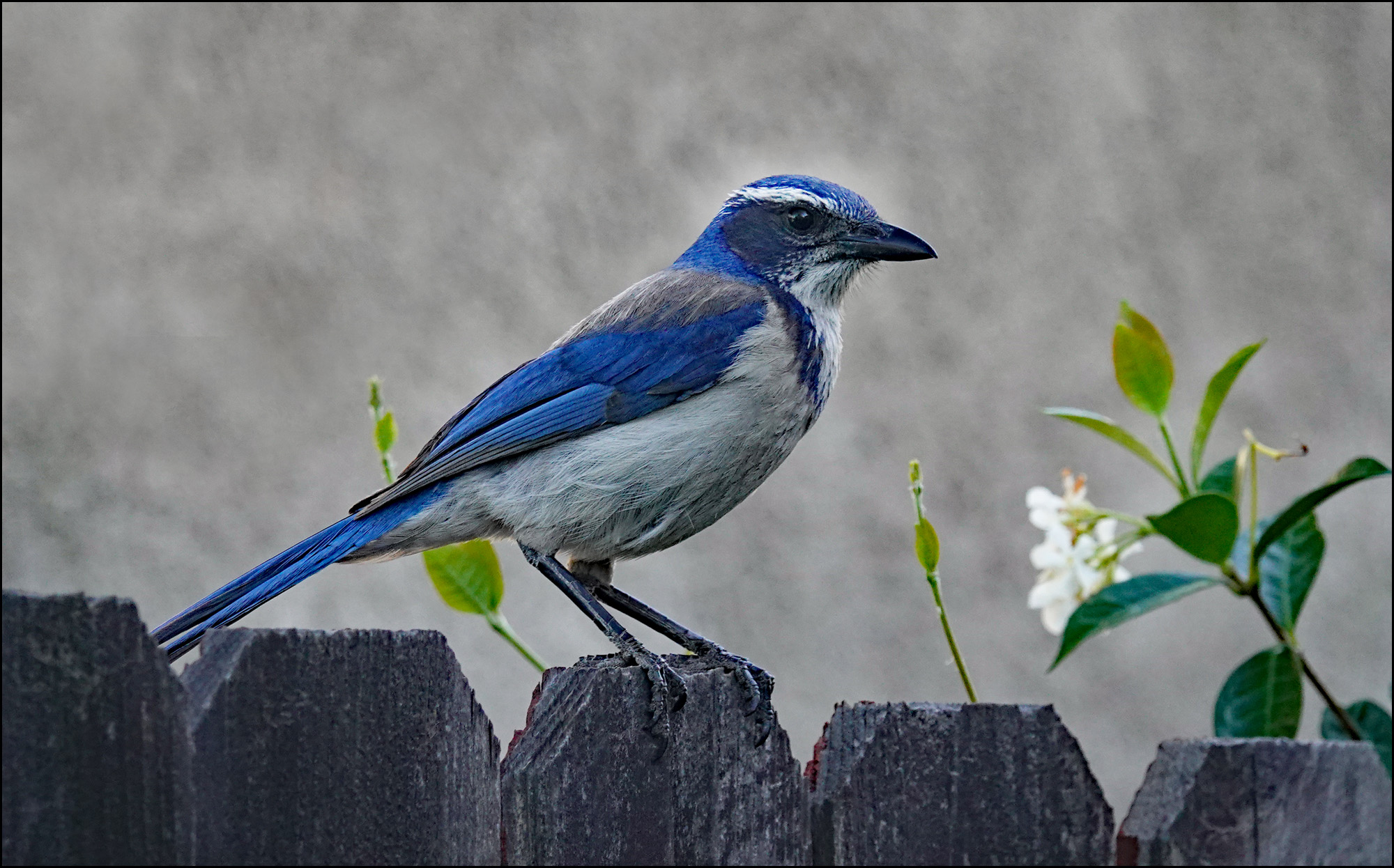
This is a California scrub jay, taken in Professor Marc’s backyard. This particular bird pretty much lives in Prof M’s backyard, flitting around endlessly for the amusement of his cats, who watch breathlessly through the windows.
Support for free market capitalism has its limits, and those limits always tend to be the same: When capitalism gets so free that it starts to affect me, I don’t like it so much anymore. For example, when Uber drivers were only destroying the livelihoods of taxi drivers, that was OK with Uber drivers. But now that the streets of New York City are running red with the blood of Uber drivers too, well, something must be done:
As New York City weighs new regulations for Uber and other ride-hail companies, a group that is often overlooked has entered the spotlight: the thousands of drivers who ferry New Yorkers across the city every day. It is their economic despair — underscored by six driver suicides in recent months — that has prompted the City Council to consider legislation this week to cap ride-hailing vehicles in the city and set a minimum pay rate for drivers.
….Taxi and Uber drivers compete on the streets for passengers, but they find common ground on the cap. Uber drivers say they also struggle to make a good living after Uber takes its commission — sometimes more than 20 percent — and after paying for high vehicle costs. With no new vehicles joining the app, Uber drivers say they will have less competition and could spend more of their day carrying passengers, instead of driving around in an empty car.
Uber itself, of course, opposes the cap. It’s Uber drivers who are in favor of it. Competition is no longer such a great thing now that they’re all competing with themselves.
And we respect that! But maybe you’re of a mind to support our work directly instead? We have until December 31 to raise the last $400,000 we need to keep our nonprofit newsroom running at full strength into 2026. Will you make a gift today?
We noticed you have an ad blocker on. Can you pitch in a few bucks to help fund Mother Jones' investigative journalism?
Billionaires own the media,
but they don’t own us.
At Mother Jones we know these aren’t conventional times, and they require unconventional coverage. That’s what deliver every day: fierce, independent journalism you can’t find elsewhere. Perhaps never in the history of our country has that been more necessary than now. But we can’t do it without reader support—your support. Please chip in today.
Billionaires own the media,
but they don’t own us.
At Mother Jones we know these aren’t conventional times, and they require unconventional coverage. That’s what deliver every day: fierce, independent journalism you can’t find elsewhere. Perhaps never in the history of our country has that been more necessary than now. But we can’t do it without reader support—your support. Please chip in today.